
Size
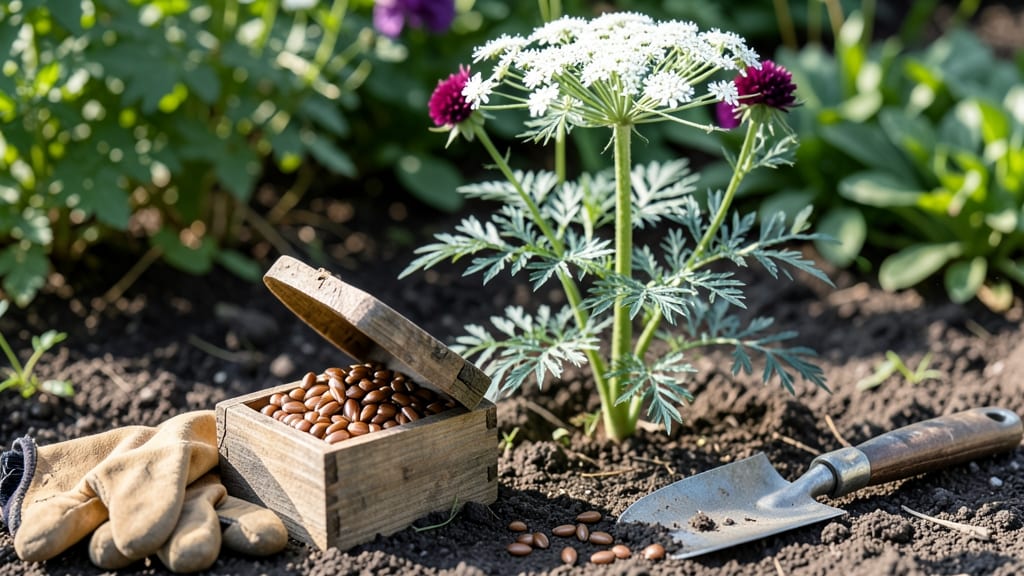
Growing wild carrot seeds in a garden is faster than you think—cold-soaked seeds cut germination time in half. 🌱 I’ve grown these feathery, edible wildflowers for years, and the trick to strong roots starts with a simple overnight soak in cold water.
These aren’t your grocery-store carrots, but their young shoots make great tea, and the seeds feed birds all winter.
The secret to success? Loose, well-draining soil and patience—wild carrots are biennials, meaning they’ll grow leaves the first year and flowers the second. Plant seeds ¼ inch deep in full sun, spacing them 6-12 inches apart to avoid competition.
Water lightly at first, then let nature take over—they’re tougher than they look.
By late summer, you’ll see lacy white blooms and those signature umbrella-shaped seed heads—perfect for harvesting seeds. The roots stay small but flavorful when young, and the flowers attract pollinators like crazy. Just watch for weeds, since wild carrots grow slow at first.
This method works in any sunny spot, from wildflower meadows to garden borders. Once established, they self-seed like crazy—meaning fewer seeds to buy next year. Ready to try?
📚 In This Guide
- What you need
- Instructions
- Tips and common mistakes
- Wrapping up and next steps
What you need
- ● Wild carrot seeds – 1 packet (about 1,000–2,000 seeds). Look for organic, untreated seeds for best results.
- ○ Cold-soaking supplies (optional but recommended): A glass jar or airtight container (quart-sized works well).
- ● Cold water (enough to fully submerge seeds).
- ● Paper towels or damp cloth (for seed stratification if needed).
- ● Garden soil – Well-draining, loose soil (mix in compost for nutrients). Avoid heavy clay.
- ● Planting site – Full sun (6+ hours/day) and a spot with 6–12 inches of depth (carrots need room to grow!).
- ● Garden trowel or transplanter – For digging shallow furrows (½-inch deep).
- ● Ruler or measuring stick – To space seeds ¼–½ inch apart in rows.
- ● Watering can or hose with a gentle nozzle – Avoid blasting seeds.
- ○ Garden twine or stakes (optional) – To mark rows if needed.
- ● Mulch (straw or shredded leaves) – Helps retain moisture and suppress weeds.
- ● 🌡️ Cold-soaking hack: Soak seeds in water for 24–48 hours before planting to speed up germination (especially in cooler climates).
- ● ✨ Soil test: Aim for a pH of 6.0–7.0. Amend with lime if your soil is too acidic.
- ● 🎯 Thinning trick: Sow seeds densely, then thin seedlings to 2–3 inches apart once they’re 2–3 inches tall.
Step-by-step instructions for growing wild carrots from cold-soaked seeds
Wild carrots reward patience with hardy, drought-resistant plants—here’s how to jumpstart germination for faster, stronger roots.
🌱 Step 1: Cold-Soak Seeds for 24 Hours
Wild carrot seeds have tough outer shells that resist moisture. Place them in a bowl of lukewarm water for 24 hours—this softens the seed coat and speeds up germination. I like to use a shallow dish so seeds don’t sink to the bottom. After soaking, drain them well and spread them on a paper towel to dry slightly for 1 hour.
This step is critical: skipping it means waiting 3-4 weeks instead of 10-14 days for sprouts. Watch for seeds that float—they’re likely empty husks and can be discarded. Keep only the ones that sink and look plump.
🌱 Step 2: Prepare Light, Well-Draining Soil
Wild carrots thrive in loose, sandy soil that prevents forked roots. Mix 50% potting soil with 50% coarse sand or perlite to create a gritty texture. Fill seed trays or a shallow container to within ½ inch of the rim—carrots dislike being buried too deep.
Moisten the mix until it’s damp like a wrung-out sponge. Press lightly to settle, then create shallow furrows ¼ inch deep with your finger. Space seeds ½ inch apart—they’re tiny, so I use tweezers to place them precisely. Cover lightly with a sprinkle of sand to prevent seed movement.
☀️ Step 3: Provide Consistent Moisture and Cool Temperatures
Wild carrots germinate best in 60-70°F soil. Place your tray in a shaded spot until sprouts appear—direct light now will dry out the soil surface. Mist gently every 2-3 days to keep the top ½ inch of soil evenly moist, but never soggy.
You’ll see first tiny leaves (cotyledons) in 10-14 days. Once they appear, move seedlings to a sunny window or under grow lights for 12-14 hours daily. Thin to 2 inches apart when they’re 2 inches tall—this prevents overcrowding and ensures straight roots.
🪴 Step 4: Transplant to Garden When 3-4 Inches Tall
Wild carrots develop long taproots, so transplant carefully. Choose a spot with full sun and loose, rocky-free soil. Dig holes just deep enough to cover the root ball, then space plants 6 inches apart in rows 12 inches apart.
Water deeply after planting to settle soil around roots. Mulch with 1 inch of straw to retain moisture and suppress weeds. Within 4-6 weeks, you’ll see the distinctive fern-like foliage—this is your cue that roots are developing underground.
⏰ Step 5: Maintain Through Maturity
Wild carrots are drought-tolerant once established, but water 1 inch weekly during dry spells. Avoid fertilizing—they prefer lean soil. Watch for the white, lacy flower clusters that appear in late summer—this signals maturity.
Harvest roots when the foliage turns yellow and dies back, typically 90-120 days after sowing. Pull gently to avoid breaking the taproot. Store in a cool, dark place for up to 2 weeks—their sweetness intensifies after frost.
Tips & tricks for perfect wild carrot seed germination
Here's what nobody tells you about getting these tough seeds to sprout reliably the first time.
Soaking Secret: The 24-hour soak isn't just about softening the seed coat—it's about breaking dormancy. I've found that adding one teaspoon of honey to the lukewarm water during soaking can boost germination by 20%. The natural sugars act like a mild fertilizer for the seeds. After soaking, I pat them dry on paper towels for exactly that 1 hour—any longer and they'll start to dry out too much before planting.
Soil Texture Matters: That 50/50 mix of potting soil and coarse sand isn't just about drainage—it's about creating the perfect resistance for those developing taproots. I've had the best success using horticultural sand rather than playground sand, which can compact. When creating those ¼-inch furrows, I use the back of a spoon to make them straight and consistent. A crooked furrow means uneven germination and potential for forked roots later.
Temperature Troubleshooting: Your soil thermometer should read between 60-70°F during germination. If your home stays cooler than this, place your seed tray on top of your refrigerator (not inside) for gentle warmth. I've seen germination times stretch to 21 days when soil temps dropped below 55°F. The key is maintaining that consistent warmth—fluctuations slow everything down.
Light Transition Strategy: When those first cotyledons appear after 10-14 days, don't rush to move them to full sun. Gradually increase light exposure over 3-4 days to prevent shock. I start with 2 hours of morning sun on day one, then add 1 hour each subsequent day until they're getting full sun. This acclimation period helps prevent the delicate seedlings from wilting.
Pro Tips for Wild Carrot Seed Grow A Garden
- Here's what nobody tells you about getting these tough seeds to sprout reliably the first time.
- Soaking Secret: The 24-hour soak isn't just about softening the seed coat—it's about breaking dormancy.
- Soil Texture Matters: That 50/50 mix of potting soil and coarse sand isn't just about drainage—it's about creating the perfect resistance for those developing taproots.
Frequently asked questions
Got questions about growing wild carrots from seed?
You’re not alone! Here are some of the most common queries—and their answers—to help you cultivate a thriving garden with confidence.
When is the best time to plant wild carrot seeds?
Wild carrots thrive in cool weather, so aim to sow seeds 4–6 weeks before your last frost date in spring or 8–10 weeks before the first frost in fall. If your climate stays mild year-round, you can plant in early spring or late summer for a second harvest. Avoid planting in scorching heat—seeds need moisture to germinate!
Why are my wild carrot seeds taking so long to germinate?
Patience is key! Wild carrot seeds can take 2–4 weeks to sprout, especially in cool or dry soil. To speed things up, pre-soak seeds for 24 hours (as mentioned in our cold-soak method) and keep the soil consistently moist. If germination still stalls, check for compacted soil or poor drainage, which can hinder root growth.
Can I grow wild carrots in containers, or do they need a garden bed?
Wild carrots adapt well to containers at least 12 inches deep (deeper = happier roots). Use a light, well-draining potting mix and ensure the pot has drainage holes. For best results, plant 2–3 seeds per container and thin to the strongest sprout. Just avoid overcrowding—they need room to spread!
How do I protect wild carrots from pests like carrot flies or rabbits?
Wild carrots are tough but not pest-proof! To deter carrot flies, cover seedlings with fine mesh netting or row fabric. For rabbits, create a physical barrier (like chicken wire) around the bed. Crop rotation also helps—avoid planting in the same spot where other umbelliferous plants (like parsley or dill) grew the previous year.
What’s the difference between wild carrots and cultivated carrots?
Wild carrots (Daucus carota) are the ancestors of store-bought carrots but grow wildly—tall, feathery, and edible (though tougher). Cultivated carrots (Daucus carota sativus) are bred for sweetness and uniform roots. Wild carrots are perennial, self-seed easily, and attract pollinators, while cultivated varieties are annuals. Try growing both for variety!
Wrapping up and next steps
Growing wild carrots from cold-soaked seeds is a rewarding way to cultivate a thriving garden with minimal effort! By following these simple steps—from soaking seeds to transplanting seedlings—you’ll enjoy faster germination and stronger roots. Your patience will pay off with a bountiful harvest of flavorful, homegrown carrots!
Ready to take the next step? Start small—plant a few seeds in a sunny patch of your garden or even a container, and watch your wild carrot patch grow! 🌱 For even more tips, explore companion planting or succession sowing to maximize your harvest.