
Planting
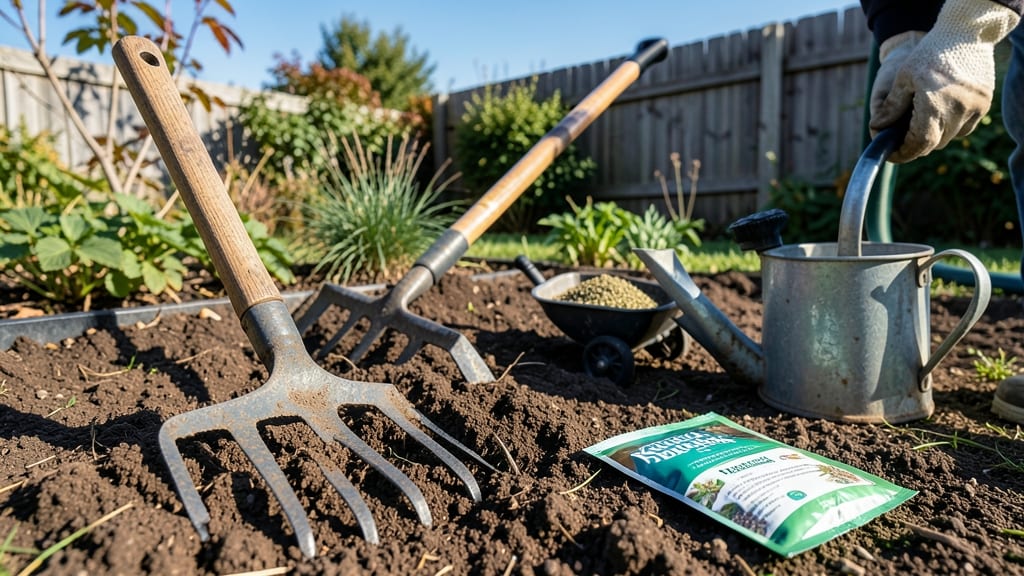
Planting grass seed in spring means cooler soil and fewer weeds—but timing it wrong can leave you with patchy lawns or wasted seed. 🌱 I’ve learned that the 4-6 week window after your last frost (when soil temps hit 55-65°F) gives seeds the perfect balance of moisture and warmth to germinate without drying out or baking in heat.
The key is prepping soil first: till any compacted areas, rake out debris, and spread a thin layer of compost. In cooler climates, early spring planting (March-April) works best, while southern regions can wait until late April or May.
My biggest mistake? Planting too early when soil was still cold—seeds just sat there, waiting for warmth that never came.
Once seeded, keep soil consistently moist (not soggy) for the first 2-3 weeks—that’s where most failures happen. Lightly water twice daily if it’s dry, then taper off to deeper waterings as grass establishes.
You’ll see sprouts in 7-21 days, depending on the variety, and the first mow comes when blades hit 3-4 inches tall.
This method works for both cool-season grasses (like fescue) and warm-season types (like Bermuda) if you adjust timing. The payoff? A lawn that fills in evenly, resists weeds, and stays lush all season—no more bald spots or twisty growth. Here’s how to nail every step without the guesswork.
📚 In This Guide
- What you need
- Instructions
- Tips and common mistakes
- Wrapping up and next steps
What you need
- ● Grass seed: Choose a high-quality, spring-friendly variety (e.g., tall fescue, Kentucky bluegrass, or perennial ryegrass) based on your climate and sun exposure. Quantity: ~5–10 lbs per 1,000 sq ft (check seed bag for exact coverage rates).
- ● Soil test kit: Ensures your soil’s pH (ideal: 6.0–7.0) and nutrient levels are optimal. Pro tip: Adjust with lime or sulfur if needed before planting! 💡
- ● Lawn fertilizer: A balanced, slow-release formula (e.g., 10-10-10 or 16-4-8) to kickstart growth. Quantity: Follow package rates for your lawn size.
- ○ Topsoil or compost: ¼–½ inch layer to improve soil texture and seed-to-soil contact. Optional: Use a starter fertilizer blend mixed with topsoil for extra nutrients.
- ● Rake: A bow rake (for leveling) and a garden rake (for seed distribution).
- ● Broadcast spreader: For even seed distribution. Alternative: Hand-spreading works for small areas.
- ● Watering tools: Hose with a gentle spray nozzle (or a watering wand).
- ○ Water timer or smart sprinkler (optional but helpful for consistency).
- ● Mulch or straw: Lightweight straw (¼ inch thick) to retain moisture and protect seeds from birds. Avoid: Hay (may contain weed seeds).
- ○ Lawn roller (optional): A lightweight roller (100–150 lbs) to press seed into soil for better contact.
- ● Weather forecast: Aim for a 5–7 day stretch of warm temps (60–75°F) with no rain in the forecast after planting.
- ● Soil prep: Remove debris, dethatch (if needed), and loosen compacted soil to a depth of 2–3 inches.
- ● Time commitment: Plan for 3–4 weeks of daily watering (light, frequent sessions) until germination.
Step-by-step instructions for planting grass seed in spring
Timing matters more than you think—plant too early and frost will kill tender sprouts, too late and summer heat stunts growth.
🌱 Step 1: Wait for Ideal Soil and Air Temperatures
Check your local frost date first, but don’t rely on it alone. The real signal is when soil temperatures reach at least 55°F—that’s when seeds germinate reliably. Stick a thermometer 2 inches deep in the ground for 3 days; if it’s consistently above 55°F, you’re ready. Air temps should stay above 60°F during the day to prevent shock.
I know it’s tempting to plant as soon as the ground isn’t muddy, but cool, damp soil slows germination and invites rot. Wait until the forecast shows no more frost warnings for at least 2 weeks. This is the moment that matters: rushing now means thinning out weak seedlings later.
☀️ Step 2: Prepare the Soil for Maximum Seed Contact
Loosen the top 4 inches of soil with a rake or tiller—grass roots need good contact with dirt to establish quickly. Remove all debris (rocks, sticks, dead grass) so seeds can settle evenly. If your soil is heavy clay, mix in 2-3 inches of compost to improve drainage and aeration.
Here’s the thing—don’t till too deep. You’ll disrupt the soil’s natural structure and create a hardpan that roots can’t penetrate. A light pass with a rake is enough. Then, level the surface with a board or roller to create a smooth canvas for seeding.
💧 Step 3: Spread Seed Evenly and Lightly
Use a broadcast spreader for large areas or sow by hand for small patches. Walk in a crisscross pattern to ensure even coverage—no bare spots, no thick clumps. Most grass seed packages recommend 5-10 pounds per 1,000 square feet, but check the label for your specific type. I like to sprinkle a little seed in my hand first to visualize the coverage.
Don’t bury the seed—just press it lightly into the soil with a lawn roller or the back of a rake. Grass seed needs light to germinate, so covering it with more than ¼ inch of soil will delay sprouting. A gentle press ensures good seed-to-soil contact without suffocating it.
🌿 Step 4: Water Gently but Consistently
Water immediately after planting, using a fine mist setting on your sprinkler. The goal is to moisten the top 2 inches of soil without displacing seeds. Keep the soil evenly damp (like a wrung-out sponge) for the first 2 weeks—this is critical for germination. Water lightly twice daily (morning and evening) if temps are above 75°F to prevent drying.
Watch for puddling—grass seed rots in soggy conditions. If water pools, reduce frequency and let the soil dry slightly between waterings. You’ll see the first sprouts in 7-14 days, but don’t stop watering until the grass is 2-3 inches tall and established.
⏰ Step 5: Maintain Moisture and Monitor Growth
Once sprouts appear, switch to deep, infrequent watering—this encourages deep root growth. Water 1-1.5 inches per week, either from rainfall or irrigation. You’ll know you’re doing it right when the grass blades stand upright and the soil between waterings feels dry only at the surface. Avoid walking on new grass until it’s 3-4 inches tall—you’ll crush tender seedlings.
Real talk: weeds will sprout alongside your grass. Pull them by hand as soon as they appear—don’t let them compete for nutrients. After 4-6 weeks, you can start mowing when the grass reaches 3-4 inches, but never cut more than ⅓ of the blade height at once. This keeps your lawn strong and twist-free.
Tips & tricks for perfect spring grass seed planting
Here's what nobody tells you about getting your lawn right the first time—these are the little details that separate a patchy mess from a lush, twist-free carpet of green.
Soil Temperature Reality Check: That 55°F soil temperature isn't just a suggestion—it's the biological threshold where grass seeds wake up from dormancy. I learned this the hard way after planting cool-season grass in chilly soil that just sat there, stubborn and unmoving. Rent a soil thermometer for a weekend if you need to, or watch for the first dandelions to bloom—they're nature's calendar for when it's safe to plant.
The Two-Week Frost Buffer: This isn't just about avoiding frost damage—it's about giving your new seedlings time to develop strong roots before summer heat arrives. Think of it like giving your lawn a head start in the race. If you're in doubt, check your local cooperative extension service—they'll have exact frost-free date data for your microclimate that's more reliable than generic online charts.
Light vs Deep Soil Contact: Grass seeds need light to germinate, but they also need good soil contact to establish roots. The perfect balance is pressing them just enough so they don't blow away, but not so deep that they suffocate. I use a lawn roller weighted with a board—it gives just the right pressure without burying the seeds. For hilly areas, consider using a seed mat designed for erosion control to keep seeds in place while they germinate.
Watering Psychology: The first two weeks are where most people fail—either they drown the seeds or let them dry out. Set a timer for your sprinkler and check the soil moisture daily. You're aiming for consistently damp soil, not soggy. A simple way to test is to squeeze a handful of soil—if it holds together but crumbles when you poke it, you've got the right moisture level. And morning watering is key—it gives the grass blades time to dry before evening, reducing disease risk.
Pro Tips for When Plant Grass Seed In Spring
- Here's what nobody tells you about getting your lawn right the first time—these are the little details that separate ...
- Soil Temperature Reality Check: That 55°F soil temperature isn't just a suggestion—it's the biological threshold wher...
- The Two-Week Frost Buffer: This isn't just about avoiding frost damage—it's about giving your new seedlings time to d...
Frequently asked questions
Got questions about planting grass seed in spring? You’re not alone! Here are some of the most common concerns—and their straightforward answers—to help you get started with confidence.
What’s the best time of spring to plant grass seed?
The ideal window is late spring to early summer (typically April to June, depending on your climate). Aim for when soil temps hit 60–75°F (15–24°C)—warm enough for germination but not scorching. Cool-season grasses (like fescue) can go as early as March or April, while warm-season grasses (like Bermuda) thrive when soil warms up.
How long does it take for grass seed to sprout in spring?
Germination time varies by grass type:
- Cool-season grasses: 7–21 days (often faster with consistent moisture).
- Warm-season grasses: 10–30 days (slower in cooler spring soil).
Do I need to water grass seed every day in spring?
Yes! Daily watering (lightly, about ¼ inch) is critical for the first 2–3 weeks to keep seeds hydrated. Once sprouts reach 2–3 inches, taper to 1–1.5 inches per week. Use a sprinkler or hose with a gentle setting to avoid displacing seeds. Early morning watering is best to reduce evaporation.
Can I plant grass seed over existing grass?
It’s possible, but not ideal for thick coverage. If your lawn is sparse, mow low (1–1.5 inches), rake to remove debris, and overseed. For best results, kill the old grass first with herbicide (if needed) or till the soil before planting. Thin spots may fill in, but dense lawns often struggle with competition.
What do I do if birds or squirrels eat my grass seed?
Pests love fresh seed! Try these tricks:
- Cover seeds with straw or netting (remove after germination).
- Use bird repellent sprays (pet-safe options exist).
- Plant in small sections to limit access.
- Try deer-resistant grasses (like tall fescue) if wildlife is a recurring issue.
Wrapping up and next steps
Spring is the perfect time to give your lawn the fresh start it deserves! By planting grass seed at the right moment—typically between early April and mid-May—you’ll set the stage for a thick, vibrant lawn that stays twist-free all season.
With the right prep, seed choice, and care, your efforts will pay off in lush, green growth that’s the envy of the neighborhood.
Ready to roll up your sleeves? Start by testing your soil and gathering your supplies—then dive in! Soon, you’ll be enjoying a lawn so healthy, it feels like a personal victory. Happy planting! 🌱