
Lawn
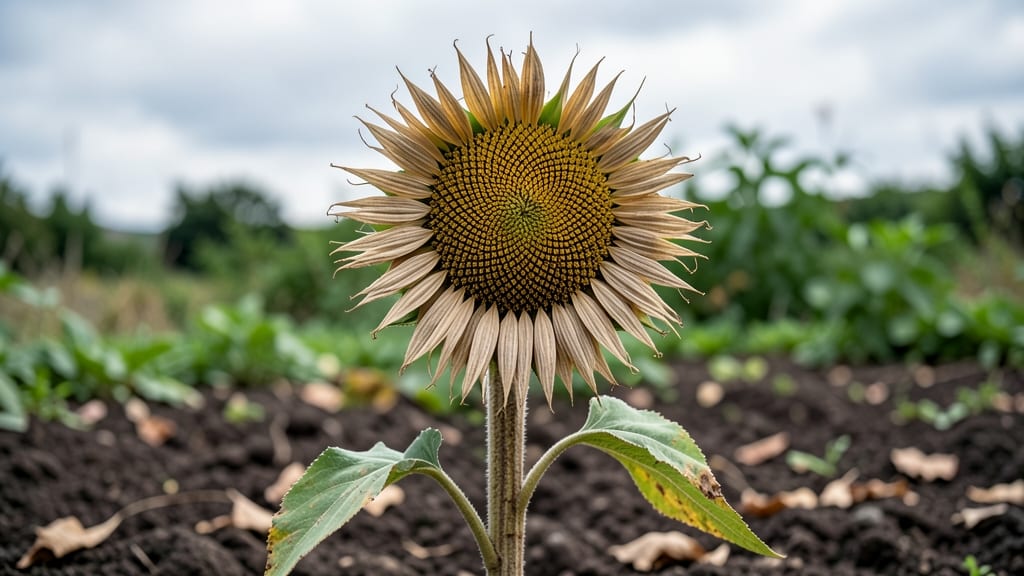
Your sunflower seed heads are nature’s slow-motion treasure chest—packed with seeds that can grow next year’s giants. 🌻 I’ve learned the hard way that patience and timing are everything: rush the harvest, and you end up with shriveled seeds; wait too long, and birds or weather steal the show.
The secret lies in watching for those telltale brown petals and the right moment to snip the seed heads cleanly.
First, you’ll need a sunny spot with at least 6 hours of direct light daily and well-draining soil—sunflowers hate soggy roots. Water consistently but avoid overwatering once the seed heads form; let the soil dry slightly between drinks.
Most varieties mature in 80-120 days, depending on the type, but keep an eye out for the petals to fully droop and the back of the head to turn brown and papery.
When it’s time to harvest, cut the seed heads with a sharp knife or pruners, leaving a 2-inch stem. Hang them upside down in a dry, well-ventilated spot for 2-3 weeks—this lets the seeds fully dry and loosens them from the head.
Once they rattle like a maraca when shaken, you’re ready to shake them into a bag for storage. The best part? These seeds stay viable for years if kept cool and dry.
Watch for pests like birds or squirrels—cover seed heads with netting if needed—and avoid harvesting on damp days, as moisture can spoil the seeds. With the right timing, you’ll end up with a stash of seeds ready to plant next spring, plus stunning dried blooms for winter arrangements.
It’s gardening magic that doesn’t require much—just attention to detail.
📚 In This Guide
- What you need
- Instructions
- Tips and common mistakes
- Wrapping up and next steps
What you need
- ● Mature sunflower plants – Choose fully bloomed sunflowers with dry, brown seed heads (typically 8–12 weeks after planting). Pro tip: Pick seed heads when the back of the head feels dry and papery!
- ● Sharp pruning shears or garden scissors – A pair with bypass blades (for clean cuts) or bypass pruners (for thicker stems).
- ● Heavy-duty gloves – Garden gloves (for protection against thorns and rough stems) or work gloves with grip.
- ● Newspaper or cardboard – At least 2–3 large sheets (for drying and seed collection).
- ● Brown paper bags or breathable mesh bags – 1–2 bags per seed head (to store dried heads before processing).
- ● Twine or rubber bands – For securing seed heads to hang (if air-drying indoors).
- ● Small hand trowel or butter knife – For gently scraping seeds from the head.
- ● Seed drying rack or screen – A wire mesh tray or hanging drying screen to speed up the process.
- ● Food-safe storage containers – Air-tight jars or ziplock bags with oxygen absorbers for long-term seed storage.
- ● Labeling tags or markers – To track sunflower varieties if saving seeds for planting.
- ● Fan or dehumidifier – For faster drying in humid climates.
How to harvest sunflower seed heads for viable seeds
Ready to save seeds from your sunflowers? Here's my foolproof method for collecting healthy, dry seed heads—no special tools or guesswork required.
🌱 Step 1: Wait for Seed Heads to Fully Mature
Harvest only when the back of the seed head turns brown and papery, and the seeds rattle inside when you shake the head gently. This usually happens 4-6 weeks after flowering, depending on your climate. If you pick too early, seeds won't be fully developed, and if you wait too long, birds will have already feasted on them.
I check seed heads daily during peak season—just give them a little shake. When the seeds sound hollow and dry, that's your cue. Morning harvests work best because dew can make heads damp, which encourages mold. Cut the stem 6-8 inches below the seed head with clean pruners or shears.
💧 Step 2: Dry Seed Heads Properly
Hang harvested heads upside down in a dry, well-ventilated area like a garage, barn, or even a sunny porch. I use twine or string to tie them securely to a hook or rafter. Proper drying takes 2-3 weeks—heads are ready when the seeds inside turn completely dark and the outer bracts crumble easily when rubbed between fingers.
Don't rush this step. If you try to speed up drying with heat, seeds can lose viability. Avoid damp spaces like basements or covered porches—moisture will cause seeds to mold before they're ready. Once fully dry, the seed head should feel light and brittle when shaken.
✂️ Step 3: Remove and Store Seeds
Once dry, place the seed head in a paper bag and shake it vigorously over a clean surface to release the seeds. I like to do this outside or over a large tray to contain the mess. Discard any seeds that look shriveled, discolored, or damaged—these won't germinate well. Healthy seeds should be plump, dark, and uniform in size.
Store seeds in an airtight container like a glass jar or resealable bag. Label with the variety and harvest date, then keep in a cool, dark place. Seeds stay viable for 2-3 years under these conditions. For best results, sow saved seeds as soon as possible—they germinate most reliably when fresh.
🌿 Step 4: Clean and Prepare for Planting
Before sowing, remove any remaining chaff or debris from the seeds by winnowing—just pour them onto a flat surface and blow gently. You can also float seeds in water: good seeds sink, while empty or damaged ones float to the top. Discard the floaters and dry the remaining seeds thoroughly before planting.
Sunflower seeds germinate best in warm soil (70-85°F). I start mine indoors under grow lights 4-6 weeks before the last frost date, then transplant seedlings outdoors. If direct-sowing, wait until soil temperatures reach at least 55°F—cold soil slows germination and can cause rot.
Tips & tricks for perfect sunflower seed head harvesting
Here's what nobody tells you about harvesting sunflower seeds—these tricks will save you time and frustration while ensuring you get the best quality seeds.
Timing Secret: In Step 1, that 4-6 week window after flowering is crucial, but don't rely solely on the calendar. I've learned the hard way that checking daily with the "shake test" is more reliable than guessing by weeks. Early mornings are best because dew can make seed heads damp, which encourages mold. If you're in a humid climate, harvest even earlier to avoid moisture issues.
Drying Strategy: For Step 2, I can't emphasize enough how important that 2-3 week drying period is. Some people try to speed this up with heat, but that's a mistake—it actually reduces seed viability. Instead, choose the driest spot you can find, like a well-ventilated garage or barn. I've had great success using a simple clothesline with twine to hang heads upside down. This method preserves seed quality while preventing mold.
Storage Wisdom: When storing seeds in Step 3, I always use glass jars with tight-sealing lids rather than plastic bags. Glass containers keep seeds fresher longer and prevent moisture buildup that can cause spoilage. Labeling with the variety and harvest date is essential—after 2-3 years, germination rates drop significantly. I also keep a small portion of each variety separate for immediate planting to ensure the freshest seeds possible.
Pro Tips for Sunflower Seed Head
- Here's what nobody tells you about harvesting sunflower seeds—these tricks will save you time and frustration while e...
- Timing Secret: In Step 1, that 4-6 week window after flowering is crucial, but don't rely solely on the calendar. I'v...
- Drying Strategy: For Step 2, I can't emphasize enough how important that 2-3 week drying period is. Some people try t...
Frequently asked questions
Got questions about harvesting sunflower seed heads? You’re not alone! Here are some of the most common queries—and their simple solutions—to make your seed-saving journey smooth sailing.
How do I know when sunflower seed heads are fully mature for harvesting?
Look for three key signs: the back of the seed head turns yellowish-brown (not green), the petals droop or fall off, and the seeds rattle when you shake the head gently. Harvest on a dry day to avoid mold—aim for late fall or early winter in most climates!
Can I harvest sunflower seeds too early or too late?
Yes! Harvesting too early means seeds won’t be fully developed (they’ll be soft and immature). Harvesting too late risks birds or squirrels feasting on them first—or seeds sprouting in the head. Strike the balance: pick when 50-70% of the seeds are dark and plump, and the rest are drying out.
How do I protect sunflower seed heads from birds and squirrels?
These critters love sunflower seeds! Try these tricks:
- Netting: Cover seed heads with fine mesh netting (like bird netting) once they’re mature but still on the plant.
- Prune strategically: Cut the seed head before it fully matures if pests are relentless, then dry the seeds indoors.
- Decoys: Hang shiny objects (like CDs) nearby to distract them.
What’s the best way to cut sunflower seed heads without damaging them?
Use clean, sharp pruners or shears and cut the stem 2-3 inches below the seed head. Leave a small stem attached to hang the head upside down in a dry, well-ventilated spot (like a garage or shed). Avoid cutting into the head itself—this can bruise the seeds.
Can I save seeds from store-bought sunflowers, or do they need to be homegrown?
Store-bought sunflower seeds might not produce true-to-type plants if they’re hybrids (like many grocery-store varieties). For reliable seeds, grow your own from heirloom or open-pollinated varieties. If you’re unsure, test a few seeds—if they sprout into plants that look identical to the parent, you’ve won!
Pro Tip:
Need extra space? Hang seed heads upside down from hooks or strings in your garage or basement. This keeps them off the ground (where moisture lurks) and makes drying super efficient!
Wrapping up and next steps
Harvesting sunflower seed heads doesn’t have to be a seasonal chore—with the right tools and techniques, you can enjoy viable seeds year-round! Whether you’re growing them for bird feeders, cooking, or gardening, mastering the timing and handling ensures success. 🌻
Now that you’re equipped with the knowledge, grab those pruners and get growing! Start small with a few plants, experiment with drying methods, and soon you’ll be reaping the rewards of your own homegrown sunflower seeds. Happy harvesting!