
Lawn
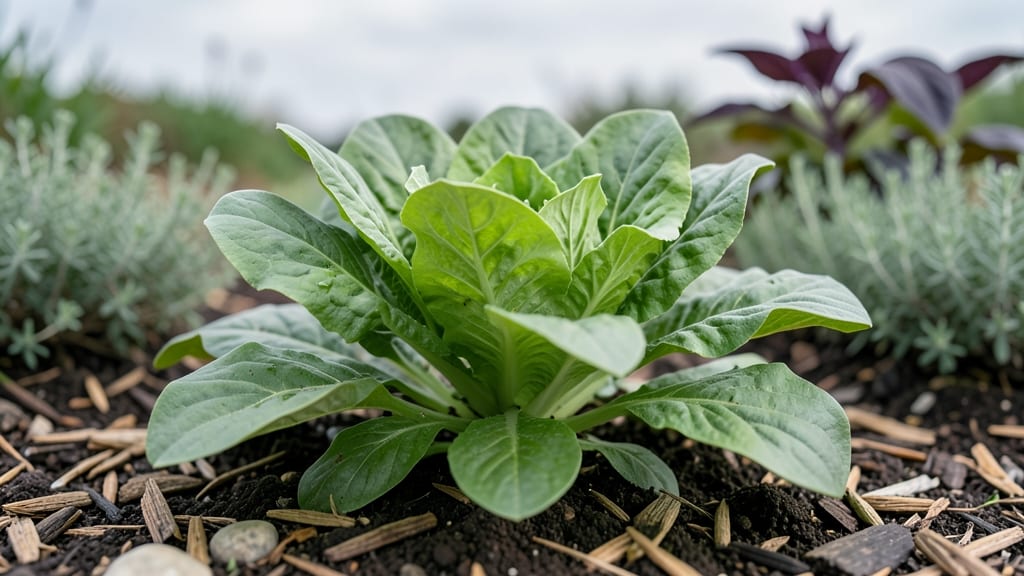
Black Seed Simpson lettuce thrives where most varieties bolt—its cold-stressed blooms turn bitter into sweet, giving you crisp harvests long after spring. 🌱 I planted mine in early March, and by May, we were still cutting tender leaves for salads while neighbors gave up on their heat-sensitive varieties.
The secret lies in its ability to handle light frosts and even light heat, making it the ultimate "try-again" lettuce for impatient gardeners.
Start with loose, crumbly soil rich in compost—this lettuce hates soggy roots but loves nutrients. Space seeds just 1/4 inch apart in rows 12 inches apart, and keep them consistently moist (not wet) until germination.
A light mulch of straw protects seedlings from temperature swings, and shade cloth becomes your best friend once summer approaches. Unlike floppy butterhead types, Black Seed Simpson stays sturdy enough to cut-and-come-again without flopping over.
You'll harvest the first baby leaves in about 30 days, but the real magic happens when you let heads form—those cold-stressed blooms develop a nutty, slightly bitter flavor that pairs perfectly with goat cheese or vinaigrettes.
The plants keep producing for months, even in 80°F heat, as long as you provide afternoon shade. My family requests it year-round, and I've even overwintered it under row covers for early spring salads.
Watch for slugs in damp weather (beer traps work) and leaf miners (remove affected leaves immediately). The tougher leaves make it less appealing to pests than butter lettuce, but regular harvesting prevents bolting.
For experienced gardeners, succession planting every 2 weeks ensures a continuous supply—this lettuce truly earns its reputation as the "workhorse" of the garden.
📚 In This Guide
- What you need
- Instructions
- Tips and common mistakes
- Wrapping up and next steps
What you need
- ● Black Seed Simpson Lettuce Seeds: 1 pack (approx. 500 seeds) – Choose organic, non-GMO seeds for best results.
- ● Growing Containers or Garden Bed: Containers: 5–6-inch deep pots (3–4 plants per pot) with drainage holes.
- ● Garden Bed: Well-draining soil in a sunny to partially shaded spot (4–6 hours of sunlight daily).
- ● High-Quality Potting Mix: 1–2 bags (sterile, well-draining mix with compost or aged manure).
- ● Cold Frame or Row Covers: 1–2 lightweight frost blankets or a small cold frame to protect seedlings from harsh cold.
- ● Watering Can or Hose with Nozzle: For gentle, even watering (avoid overhead spraying).
- ● Hand Trowel or Transplanting Spade: For sowing seeds and transplanting seedlings.
- ○ Seed Starting Trays (Optional): 72-cell trays for indoor seed starting (if not direct-sowing).
- ○ Grow Lights (Optional): LED grow lights for indoor seedling growth (12–16 hours/day).
- ○ Organic Fertilizer (Optional): Balanced fertilizer (e.g., 5-5-5) or compost tea for nutrient boosts.
- ○ Pruning Shears (Optional): For harvesting outer leaves without damaging the plant.
- ● Time Commitment: 10–15 minutes daily for watering and monitoring (more during germination).
- ● Climate Knowledge: Understand your USDA Hardiness Zone (Zones 3–10 work best for cold-stressed blooms).
- ● Patience: Germination takes 7–14 days; cold-stressing blooms may take 2–4 weeks post-harvest.
How to grow Black Seed Simpson lettuce for cold-hardy harvests
This heirloom variety thrives in cool weather—here's how to coax those famous cold-stressed blooms year-round.
🌱 Step 1: Choose the Right Location and Soil
Black Seed Simpson loves cool weather but needs well-draining soil to prevent rot. Work in a spot that gets 4-6 hours of sunlight daily—it tolerates partial shade better than most lettuces. I always test soil pH first; this variety prefers 6.0-7.0. Amend heavy clay with 2-3 inches of compost to improve drainage.
Here's the thing—this lettuce bolts when it gets too hot. In summer, plant it in a spot with afternoon shade or use shade cloth to keep leaves crisp. If your soil feels compacted when squeezed, mix in 1 inch of perlite to keep roots happy.
🌱 Step 2: Sow Seeds at the Right Depth and Spacing
Scatter seeds ¼ inch deep in rows spaced 12 inches apart. I like to sow them directly in the garden rather than starting indoors—this variety germinates best when soil temps are 60-70°F. Thin seedlings to 6 inches apart once they develop 2-3 true leaves.
Don't rush thinning—wait until seedlings are at least 1 inch tall. Use scissors to snip unwanted plants at soil level rather than pulling, which disturbs roots. The thinned seedlings make great additions to salads!
💧 Step 3: Water Consistently Without Overhead Splashing
Keep soil evenly moist but never soggy—this lettuce hates wet feet. Water at the base every 2-3 days until the top 1 inch of soil feels dry. I use a soaker hose for deep, even moisture without wetting the leaves, which prevents disease.
Watch for wilting in hot afternoons—this is your signal to water immediately. Mulch with 1-2 inches of straw to retain moisture and keep roots cool. Avoid watering in the evening when leaves stay damp overnight.
☀️ Step 4: Harvest Strategically for Continuous Production
Start harvesting outer leaves when plants reach 4-6 inches tall. Use clean scissors to cut just above a leaf node—this encourages regrowth. You'll get 3-4 harvests per plant before bolting in warm weather.
For cold-stressed blooms, let some plants mature fully in fall or winter. When temps drop below 50°F at night, the lettuce will bolt and produce beautiful flowers. Cut the entire head when it's fully mature for seed saving or let it self-seed for next year.
⏰ Step 5: Extend the Season with Successive Plantings
Plant new seeds every 2-3 weeks from early spring until 6-8 weeks before your first frost. In warm climates, use shade cloth during summer months. I've grown this variety year-round in Zone 7 by planting in late summer for fall/winter harvests.
Real talk: Black Seed Simpson won't tolerate heat well. If your summer temps regularly exceed 80°F, grow it only in containers you can move to shadier spots. The key is keeping it cool—this lettuce rewards patience with tender leaves and stunning flowers.
Tips & tricks for perfect Black Seed Simpson lettuce
These practical insights will help you coax the most tender leaves and stunning blooms from this cool-weather champion.
Soil Prep Secret: The 6.0-7.0 pH range is crucial for Black Seed Simpson's success. If your soil tests higher, mix in 1 part peat moss to 2 parts garden soil to lower the pH naturally. For compacted clay, work in 1 inch of perlite during Step 1—this improves drainage without altering the soil structure too dramatically. I've found that adding a handful of wood ash (from untreated wood) to planting holes can help maintain that ideal pH range over time.
Thinning Timing: Wait until seedlings reach 1 inch tall before thinning in Step 2, but don't delay beyond 2-3 true leaves or you'll stunt their growth. Use a small trowel to gently loosen soil around seedlings before snipping at soil level. This minimizes root disturbance while making the process cleaner than pulling. The thinned seedlings make excellent microgreens—just harvest when they're about 2 inches tall.
Watering Wisdom: That 2-3 days watering schedule in Step 3 works best when your finger tests 1 inch deep soil—it should feel like a wrung-out sponge. For container growing, reduce to every 1-2 days since pots dry out faster. I've noticed that watering in the early morning prevents fungal issues while still giving plants enough moisture to last through hot afternoons.
Harvest Extension: To maximize your 3-4 harvests per plant from Step 4, cut leaves when they're about 4 inches tall rather than waiting for full size. This encourages bushier regrowth. For cold-stressed blooms, let some plants mature fully when night temps drop below 50°F—the flowers attract pollinators and make stunning cut arrangements. Save seeds from the best plants by allowing them to fully dry on the stalk before collecting.
Pro Tips for Black Seed Simpson Lettuce
- These practical insights will help you coax the most tender leaves and stunning blooms from this cool-weather champion.
- Soil Prep Secret: The 6.0-7.0 pH range is crucial for Black Seed Simpson's success.
- Thinning Timing: Wait until seedlings reach 1 inch tall before thinning in Step 2, but don't delay beyond 2-3 true leaves or you'll stunt their growth.
Frequently asked questions
What’s the best time to harvest Black Seed Simpson lettuce?
Harvest your Black Seed Simpson lettuce when the leaves reach 4–6 inches tall, typically 4–6 weeks after sowing. For baby leaves, cut when they’re 2–3 inches. Use clean scissors or pruners to avoid damaging the plant. Pro tip: Harvest outer leaves first to encourage regrowth—this extends your harvest by weeks!
Can I grow Black Seed Simpson lettuce indoors?
This variety thrives indoors with 6–8 hours of bright light daily (a sunny windowsill or grow lights work). Use a 6-inch pot with well-draining soil, and keep temps between 60–70°F. Bonus: Cold-stressed leaves add a peppery kick—try a 10°F dip for extra flavor!
How do I cold-stress my lettuce for that “winter” taste?
Place your potted Black Seed Simpson lettuce in a refrigerator (35–40°F) for 7–10 days before harvesting. For outdoor plants, cover with frost cloth during cold snaps (30–40°F). Watch for: leaves turning darker green and developing a slightly bitter, nutty flavor—perfect for salads!
What’s the best alternative if I can’t find Black Seed Simpson?
Try Winter Density or Arctic King lettuce—both handle cold well. For similar cold-stressed flavors, opt for oakleaf or romaine, though they’re less hardy. Pro tip: Mix seeds with spinach or arugula for a cold-resistant “salad blend”!
Why are my lettuce leaves turning yellow or wilted?
Yellowing leaves often signal overwatering or nutrient deficiency. Check soil moisture—it should stay consistently damp but not soggy. Wilting? Heat stress or pests (like aphids) may be to blame. Fix it: Trim affected leaves, adjust watering, and inspect for bugs. Neem oil helps repel pests naturally.
Wrapping up and next steps
Growing Black Seed Simpson Lettuce with cold-stressed blooms is a game-changer for year-round harvests—whether you're a backyard gardener or a homestead enthusiast! 🌱 This hardy variety thrives in cooler weather, offering bold flavor and resilience even when other greens struggle.
With the right conditions and a little patience, you’ll enjoy crisp, nutrient-packed leaves straight from your garden, no matter the season.
Ready to level up your harvests? Start small—try a few plants in containers or your garden bed—and experiment with cold-stressing techniques to unlock those stunning blooms. Your future salads (and dinner guests) will thank you! 🥗✨