
Propagation
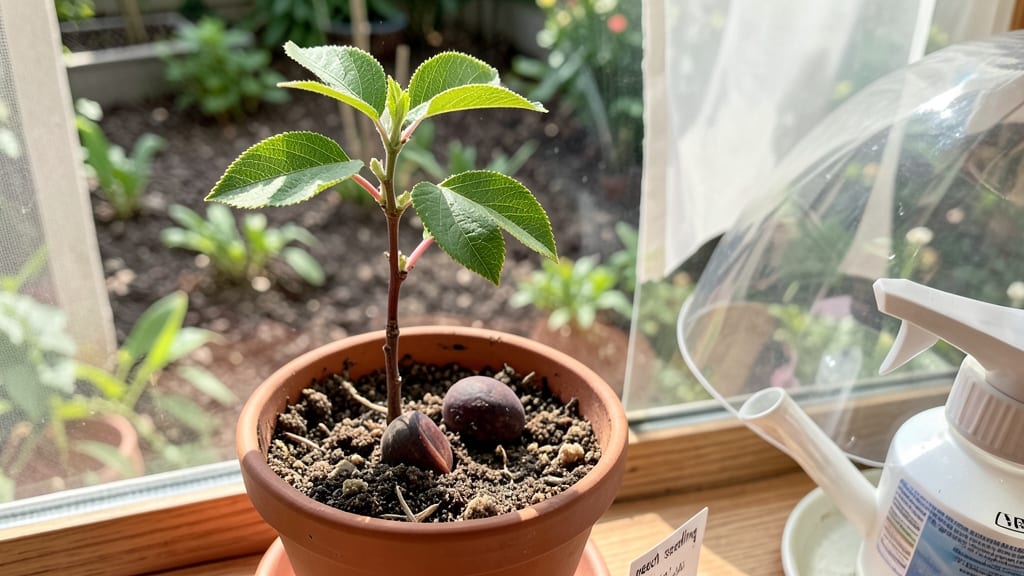
Growing peaches from seed indoors means you could have a fruit tree in a pot by next summer—if you embrace the slow, unpredictable journey. 🌱 I’ve tried this twice, and both times, the first real leaves felt like a miracle.
The key isn’t forcing speed but creating the right conditions for nature’s timeline.
You’ll need a sunny windowsill or grow light, a small pot with drainage, and a seed from a ripe peach (not store-bought—fresh is best). Germination takes 4-6 weeks of warmth and patience, and the seedlings grow slower than store-bought trees.
But that first flush of green? Worth every day of waiting.
By spring, you’ll have a sturdy sapling ready for transplanting outdoors—or keeping indoors with winter care. The fruit won’t match store-bought trees (peach seeds grow wild types), but the process is pure magic. Think of it as growing a living heirloom.
Fair warning: This isn’t a fast project. But if you love the idea of nurturing something rare, this is your chance. Start now, and in a few years, you’ll have a peach tree that’s uniquely yours.
📚 In This Guide
- What you need
- Instructions
- Tips and common mistakes
- Wrapping up and next steps
What you need
- ● Peach pit: 1-2 fresh, organic peach pits (from ripe, non-hybrid peaches—avoid store-bought varieties like Sugar Baby or Elberta for best results).
- ● Small pots or containers: 2-3 (4–6 inches wide) with drainage holes. Plastic nursery pots or biodegradable peat pots work well.
- ● Well-draining potting mix: 1 bag (1–2 cubic feet) of a seed-starting mix or a blend of 50% peat moss and 50% perlite or coarse sand.
- ● Spray bottle: 1 (for gentle watering).
- ● Plastic wrap or humidity dome: 1 sheet (to retain moisture during germination).
- ● Grow lights or sunny windowsill: Access to 6–8 hours of indirect light daily (south-facing window or LED grow lights).
- ○ Heat mat (optional but helpful): 1 (to maintain soil temps at 70–85°F for faster germination).
- ● Fertilizer: A balanced, water-soluble fertilizer (e.g., 10-10-10) or fish emulsion (diluted to half-strength).
- ● Seed stratification setup: A refrigerator (for cold stratification, if needed).
- ● Humidity tray: A shallow tray with pebbles and water (to boost humidity).
- ● Soil moisture meter: 1 (to monitor moisture levels without overwatering).
- ● Larger container (6+ gallons): For transplanting once the seedling grows (peach trees need space!).
- ● Pruning shears: Small pair (for shaping the tree later).
Step-by-Step instructions for growing peach trees from seed indoors
Here's how to start your own peach tree from a seed—it takes time, but the payoff is worth it.
🌱 Step 1: Extract and Prepare the Seed
Peach pits are hard and dense, so we need to soften them first. Remove the pit from a ripe peach, rinse off any fruit residue, and let it dry completely for 2-3 days. This prevents mold. Once dry, place the pit in a small bag or container with a damp paper towel. Seal it loosely and refrigerate for 3-4 months—this mimics winter dormancy and breaks seed dormancy.
After cold stratification, remove the pit and gently rub it with fine-grit sandpaper until the hard shell is slightly scratched. This helps water penetrate and speeds up germination. Don’t overdo it—just enough to break the surface. Now the seed is ready to plant.
🪴 Step 2: Plant the Seed in a Small Pot
Fill a 4-inch diameter pot with well-draining potting mix—avoid garden soil, which can compact and suffocate young roots. Moisten the soil lightly but don’t soak it. Plant the seed about 1 inch deep, with the pointed end facing upward. Press the soil gently around it to secure it without compacting.
Place the pot in a warm, sunny spot indoors or under a grow light. Peach seeds need warmth to germinate—aim for 70-75°F. Cover the pot loosely with plastic wrap to retain moisture, but remove it daily to check for condensation. Keep the soil consistently moist but never soggy. Germination can take 2-6 weeks, so patience is key.
☀️ Step 3: Care for the Seedling After Germination
Once the seedling emerges, remove the plastic wrap immediately to prevent fungal growth. Place it in bright, indirect light at first—direct sun can scorch tender new leaves. After a week, gradually introduce it to 4-6 hours of morning sun daily. You’ll notice the leaves darken and thicken as they adjust.
Water the seedling when the top inch of soil feels dry. Overwatering is the biggest killer of young peach seedlings—roots rot quickly in soggy soil. Use a small watering can or spray bottle to avoid disturbing the delicate stem. Fertilize lightly with a balanced, water-soluble fertilizer (like 10-10-10) diluted to half strength every 4-6 weeks once true leaves appear.
⏰ Step 4: Transplant and Prune for Growth
When the seedling reaches 6-12 inches tall and has 4-5 sets of leaves, it’s time to transplant into a larger 1-gallon pot. Choose a container with drainage holes and fill it with fresh potting mix. Gently remove the seedling, keeping the root ball intact, and replant it at the same depth as before. Water thoroughly after transplanting.
Prune the seedling to encourage bushier growth. Use clean scissors to trim back the top set of leaves, which will prompt side branches to form. This step is crucial—peach trees grown from seed often develop a single, weak stem without proper pruning. Place the pot in a spot with full sun (6+ hours daily) and continue watering when the top inch of soil dries out.
🌿 Step 5: Prepare for Outdoor Transition (Optional)
After 1-2 years of indoor growth, your peach seedling will be ready to move outdoors—if you live in a warm climate. Harden it off by placing it outside in a sheltered spot for 2-3 hours daily, gradually increasing exposure over 2 weeks. Watch for signs of stress like wilting or yellowing leaves—these mean it’s not ready yet.
Even if you keep it indoors, continue pruning to shape the tree and fertilizing lightly in spring and summer. Peach trees grown from seed may take 5-7 years to bear fruit, but the journey is part of the reward. Enjoy the process of nurturing your own fruit tree from the ground up!
Tips & tricks for growing peach trees from seed indoors
These little-known tricks will help you nurture a thriving peach tree from seed—without the guesswork.
Cold Stratification Secret: The 3-4 months of refrigeration in Step 1 is non-negotiable for breaking dormancy. I place my peach pits in a sealed bag with a damp paper towel and store them in the crisper drawer of my fridge—it stays consistently cold without freezing. If you're impatient, you can speed this up slightly by using a seed stratification kit, but don't skip this step entirely. The cold period mimics winter conditions the seed would experience in nature, ensuring proper germination.
Lighting Strategy: For Step 2, if you don't have access to a sunny windowsill, invest in a basic grow light. I use a simple LED bulb on a timer for 12-14 hours daily during germination—this mimics natural daylight cycles. Place the light just 6 inches above the pot and adjust as the seedling grows. The 70-75°F temperature is crucial here; if your home runs cooler, consider using a seedling heat mat underneath the pot.
Transplanting Timing: When you reach Step 4, don't rush the transplant. Wait until you see 4-5 sets of true leaves (not the initial seed leaves) and the seedling has developed a sturdy stem. I find that seedlings at this stage handle the transplant shock much better. When repotting into the 1-gallon container, use your finger to gently loosen the root ball before placing it in the new pot—this encourages roots to spread outward rather than growing in a tight circle.
Pruning Precision: In Step 4, when pruning to encourage bushier growth, focus on removing the top set of leaves just above a leaf node. This is where new side branches will emerge. Use clean, sharp scissors and make cuts at a 45-degree angle just above a leaf node. Avoid cutting too close to the stem—leave about 1/8 inch of stem above the cut. This technique prevents disease and encourages stronger growth.
Pro Tips for Grow Peaches From Seed Indoors
- These little-known tricks will help you nurture a thriving peach tree from seed—without the guesswork.
- Cold Stratification Secret: The 3-4 months of refrigeration in Step 1 is non-negotiable for breaking dormancy.
- Lighting Strategy: For Step 2, if you don't have access to a sunny windowsill, invest in a basic grow light.
Frequently asked questions
Got questions about growing peaches from seed indoors? You’re not alone—this process has its quirks! Here are answers to the most common concerns to help you navigate your fruity adventure with confidence.
How long does it take for a peach seed to germinate indoors?
Peach seeds typically take 2–4 weeks to germinate indoors, depending on warmth and moisture. Soak seeds for 24 hours before planting to speed things up. Keep the soil consistently moist (but not soggy) and place the container in a warm spot (70–80°F). Patience is key—some seeds may take longer!
Will a peach grown from seed taste like the original fruit?
Probably not! Seeds produce unpredictable varieties—your tree might bear fruit, but it could differ in flavor, size, or even color from the parent peach. For consistent results, graft a known variety onto your seedling later. Think of this as a fun experiment rather than a guaranteed gourmet harvest.
How fast will my indoor peach tree grow, and when can I expect fruit?
Indoor peach trees grow slowly at first—expect 6–12 inches per year. Fruit production can take 3–5 years (or longer), especially if grown indoors. To encourage faster growth, provide 12+ hours of light daily (grow lights help!) and repot annually. Outdoor transplanting in spring can also boost maturity.
What’s the best temperature for growing peach seeds indoors?
Peach seeds thrive in warmth (70–80°F). Use a seedling heat mat if your home runs cooler. Avoid drafts or cold windowsills. Once sprouted, maintain 60–75°F for healthy growth. If leaves yellow or growth stalls, check for temperature stress—adjust as needed!
Can I grow peaches from store-bought seeds, or do I need special seeds?
Yes! Store-bought peach pits work fine, but avoid seeds from hybrid or treated fruits (like those sprayed with fungicides). Rinse pits thoroughly, dry them, and store in the fridge for 3–4 months to break dormancy. Pro tip: Choose organic peaches when possible for the best results.
What should I do if my peach seedling turns yellow or wilts?
Yellow leaves or wilting often signal overwatering, underwatering, or pests. Check soil moisture (top inch should dry slightly between waterings). Inspect leaves for aphids or spider mites—spray with neem oil if needed. Ensure good drainage and light exposure. If roots look mushy, repot in fresh, well-draining soil.
Wrapping up and next steps
Growing peaches from seed indoors is a rewarding journey that blends patience with the joy of nurturing life.
While it may take years before you enjoy fresh fruit, the process itself is a fascinating lesson in nature’s resilience. Celebrate every small win—those first sprouts, sturdy leaves, and eventual blooms—and trust that your effort will pay off.
Ready to take the next step? Once your seedling is thriving, consider transplanting it outdoors during warmer months or exploring grafting techniques to speed up fruit production. Happy growing! 🌱✨