
Propagation
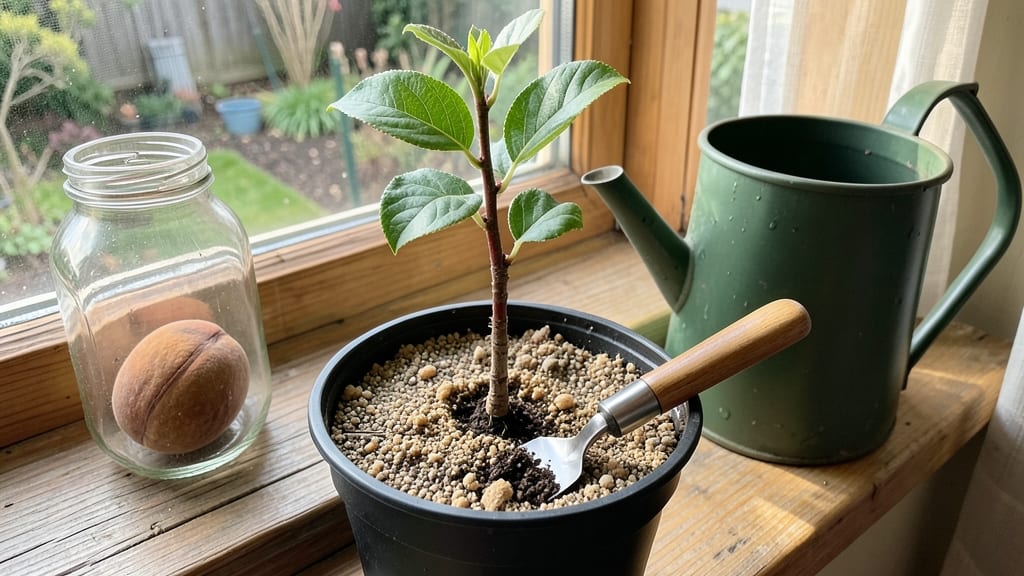
Growing a peach tree from a seed pit turns kitchen scraps into a living legacy—though it takes years. 🌱 I’ve watched seedling shoots emerge from pits I saved last summer, and the process is simpler than you’d think, even if the results surprise you.
The real magic happens in the first three months: cold stratification mimics winter, breaking dormancy so your pit sprouts faster. You’ll need patience—seed-grown trees take 5-7 years to fruit, and the peaches won’t match the parent tree’s flavor. But the journey? Pure reward.
By spring, you’ll transplant a sturdy sapling into well-draining soil, and within a year, it’ll outgrow its container. The first blooms might not be showstoppers, but the thrill of watching it grow is unbeatable. This method works for any stone fruit—plums, cherries, even apricots.
Just remember: the best fruit comes from grafted trees, but the joy of growing from seed is priceless.
📚 In This Guide
- What you need
- Instructions
- Tips and common mistakes
- Wrapping up and next steps
What you need
- ● Fresh peach pit: Choose a pitted peach from a ripe, organic peach (avoid hybrid varieties—they may not produce true fruit).
- ● Small pot (4–6 inches in diameter): Use a well-draining container with drainage holes (e.g., plastic nursery pot or biodegradable peat pot).
- ● High-quality potting mix: A light, airy blend (e.g., 50% peat moss, 30% perlite, 20% vermiculite) to prevent rot.
- ● Spray bottle or watering can: For gentle hydration (overwatering is the enemy!).
- ● Clear plastic bag or humidity dome: To create a mini greenhouse effect while sprouting.
- ● Rubbing alcohol (70% or higher) and paper towels: For sterilizing the pit before planting.
- ● Scissors or pruning shears: To trim the pit if needed (e.g., removing excess flesh).
- ● Grow lights or sunny windowsill: A south-facing window or LED grow light (12+ hours/day) for seedlings.
- ● Seedling heat mat: Speeds up germination (70–75°F is ideal).
- ● Fertilizer (balanced 10-10-10 or organic compost): Once leaves appear, use sparingly (young roots are sensitive!).
- ● Larger nursery pot (1–2 gallons): For transplanting when roots outgrow the starter pot.
- ● Garden soil + compost: If moving outdoors, amend soil with organic matter for nutrient-rich growth.
- ● Plant labels: Track varieties and planting dates (trust us, you’ll forget!).
Step-by-step instructions for growing a peach tree from a seed pit
Here's how to transform that peach pit into a living tree—just follow these simple steps.
🌱 Step 1: Extract and Prepare the Seed
Start by carefully removing the seed from the pit. I like to use a small knife to cut open the pit lengthwise, then gently pry out the flat, brown seed inside. It’s important to handle it with care—peach seeds are delicate and can crack easily. Once you have the seed, rinse it thoroughly under cool water to remove any residual fruit pulp.
Next, let the seed dry completely for 24-48 hours at room temperature. Place it on a paper towel in a warm, dry spot. You’ll know it’s ready when it feels dry to the touch and no longer sticks to your fingers. This drying step is crucial—it mimics the natural dormancy period the seed would experience in winter, helping it break dormancy more reliably.
💧 Step 2: Stratify the Seed for Germination
Peach seeds need a cold period to germinate, a process called stratification. Fill a small plastic bag with damp but not soaking-wet potting soil or a mix of perlite and peat moss. Place the dried seed inside the bag and seal it tightly, leaving just enough room for the seed to move slightly. This creates a humid environment while allowing air circulation.
Put the bag in the refrigerator and store it for 8-12 weeks. Check it occasionally to ensure the soil stays moist—if it feels dry, mist it lightly with water. After 8-12 weeks, remove the bag and let it sit at room temperature for 2-3 days to acclimate. You’ll see the seed begin to sprout within 1-3 weeks after this period, though some seeds may take longer.
☀️ Step 3: Plant the Germinated Seed
Once the seed has sprouted, carefully transfer it to a small pot filled with well-draining potting mix. I use a 4-inch diameter pot for the first planting, as it gives the seedling enough room to grow without being too overwhelming. Plant the seed about ½ inch deep, covering it lightly with soil but not pressing down too firmly.
Place the pot in a location with bright, indirect light—a south-facing window works well, but avoid direct sunlight at first, which can scorch the delicate young seedling. Keep the soil consistently moist but not soggy. You’ll know it’s getting enough water when the top inch of soil feels slightly damp to the touch. Overwatering at this stage can lead to root rot, so it’s better to err on the side of slightly dry soil.
🌿 Step 4: Care for the Seedling Through Its First Year
As the seedling grows, it will need more space. After 4-6 weeks, when it reaches about 4-6 inches tall, transplant it into a slightly larger pot—6-8 inches in diameter—using fresh potting mix. This step encourages stronger root development and prevents the seedling from becoming root-bound.
Once the seedling has 4-6 true leaves (not just the initial seed leaves), you can begin introducing it to outdoor conditions during the day, a process called hardening off. Start by placing it outside for 1-2 hours in a shaded area, then gradually increase the time over 1-2 weeks. After a week of full-day outdoor exposure, it’s ready to be planted in the ground or a larger container permanently.
⏰ Step 5: Transplant and Long-Term Care
Choose a sunny spot in your garden with at least 6-8 hours of direct sunlight daily. Peach trees thrive in well-draining soil with a pH between 6.0 and 7.0. Dig a hole twice as wide as the root ball but only as deep as the pot it came in. Gently remove the seedling from its container, loosen the roots if they’re tightly bound, and place it in the hole, ensuring the top of the root ball sits 1 inch above the surrounding soil level. This prevents water from pooling around the stem.
Water the tree deeply after planting to help settle the soil around the roots. Mulch the base with 2-3 inches of organic mulch, like wood chips or straw, to retain moisture and regulate soil temperature. Over the next few years, your peach tree will grow slowly, but with patience and care, it can eventually produce fruit—though it may take 5-10 years for a seed-grown tree to bear peaches.
Tips & tricks for growing a peach tree from a seed pit
Growing a fruit tree from kitchen scraps is magical—here's how to set yourself up for success.
The Seed Extraction Secret: When cutting open the pit, work slowly near the edges to avoid cracking the seed. I've ruined more seeds than I'd like to admit by being too aggressive—just gently pry with a butter knife. Once extracted, the rinse step isn't just about cleanliness; it removes natural oils that could inhibit germination. Let the seed air-dry completely before stratification, even if it means pushing the 24-48 hour window. A seed that's still damp will develop mold in the fridge.
Stratification Success: The 8-12 week cold period is non-negotiable for peach seeds, but here's the trick: use a clear plastic bag so you can monitor moisture levels without opening it. I place mine on a shelf where I can see it daily—this prevents the soil from drying out completely between checks. After removing from the fridge, let it acclimate for those 2-3 days at room temperature before planting. This gradual temperature change prevents shock to the emerging root system.
Lighting Strategy: That bright indirect light requirement is crucial during the seedling stage. South-facing windows work best, but if you don't have one, supplement with a grow light 12 inches above the plant for 10-12 hours daily. Direct sunlight at this stage can actually bleach the leaves and stunt growth. I've seen seedlings with sunburned tips after just a few hours of direct exposure—watch for yellowing or crispy leaf edges as warning signs.
Pro Tips for Peach Tree From Seed Pit
- Growing a fruit tree from kitchen scraps is magical—here's how to set yourself up for success.
- The Seed Extraction Secret: When cutting open the pit, work slowly near the edges to avoid cracking the seed. I've ru...
- Stratification Success: The 8-12 week cold period is non-negotiable for peach seeds, but here's the trick: use a clea...
Frequently asked questions
Got questions about growing a peach tree from a seed pit? You’re not alone! Here are answers to the most common queries—because every gardener deserves a little extra guidance before diving in.
How long does it take for a peach seedling to bear fruit?
A peach tree grown from seed can take 5–10 years (or longer!) to produce fruit. Unlike grafted trees, seed-grown varieties often take patience—plus, the fruit may not match the parent’s flavor or quality. If you’re in a hurry, consider grafting later or buying a nursery tree.
Can I plant a peach pit directly in the ground, or do I need to start indoors?
You can plant the pit straight into soil, but starting indoors (as outlined in the article) gives it a better head start. Outdoor planting works best in warm climates with mild winters—otherwise, the young seedling may struggle with frost. If you’re in a colder zone, indoor germination is your best bet!
Why isn’t my peach pit sprouting after weeks of soaking?
Peach pits are tough! If yours isn’t sprouting after 4–6 weeks, it might be dormant or non-viable. Try these fixes:
- Check for moisture—keep the pit consistently damp (not soggy).
- Ensure it’s in a warm spot (70–80°F).
- Test freshness—if the pit is mushy or moldy, it’s likely dead.
What’s the best way to protect my young peach seedling from pests?
Seedlings are vulnerable to aphids, deer, and fungal diseases. Use these organic defenses:
- Neem oil spray (weekly) deters pests.
- Wrap the trunk with tree guard to block chewers.
- Mulch with straw to prevent soil-borne diseases.
- Place row covers if birds or deer are a threat.
Will my homegrown peach tree produce fruit like the one I ate?
Probably not! Seed-grown trees often revert to wild traits—think smaller, tart fruit or even different colors. For consistent quality, save seeds from heirloom or self-pollinating varieties (like ‘Elberta’ or ‘Redhaven’). Alternatively, graft a known cultivar onto your seedling later for predictable results.
Wrapping up and next steps
Growing a peach tree from a seed pit is a rewarding journey that connects you to nature—and yes, it’s totally doable! 🌱 While patience is key (those fruit-bearing years take time!), every step—from scarification to transplanting—builds your green thumb. Start small, stay consistent, and celebrate even the tiniest sprouts.
Ready to take the next step? Plant that seed pit today! If you’re eager to expand your gardening skills, try propagating other fruit trees (like avocado or apple) or explore grafting techniques to speed up fruiting. Happy growing—your future peach harvest awaits! 🍑✨