
Propagation
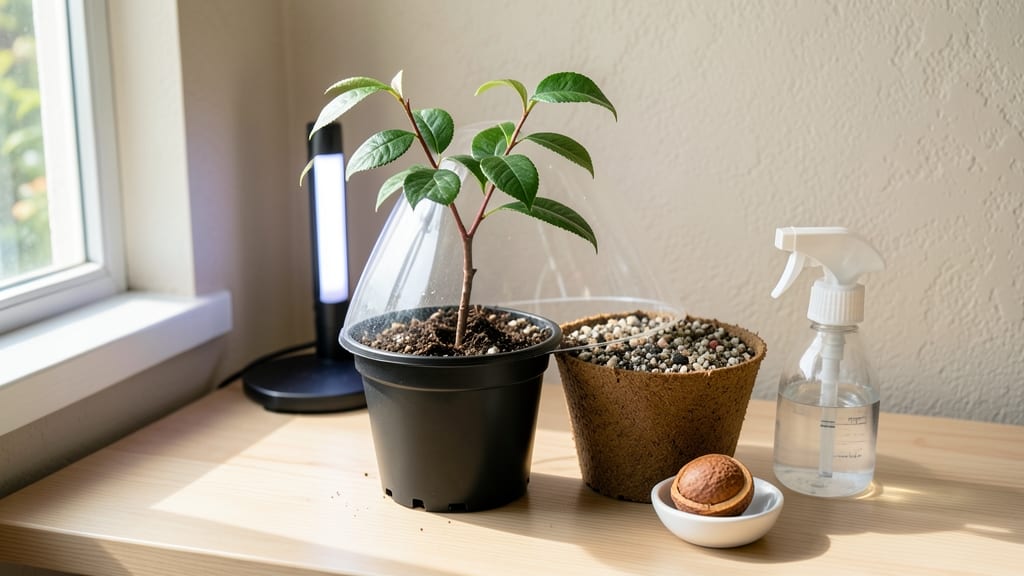
Growing a peach tree from seed indoors is like unlocking a slow-blooming treasure chest—it takes years, but the reward is a tree that carries your personal touch. ✨ The key to success starts with the right seed and a little patience, because peach pits need special treatment before they’ll even think about sprouting.
I’ve tried this three times, and the third attempt finally broke through with a sturdy, 6-inch sapling after six months of careful nurturing.
You’ll need a fresh peach pit (no grocery store rejects—they’re often treated to prevent sprouting), a zip-top bag, damp paper towels, and a sunny windowsill or grow light. The trick is stratification: mimic winter’s chill by refrigerating the wet pit for 6-8 weeks before planting.
Without this step, most seeds stay stubbornly dormant. Think of it as teaching the seed to trust that spring is coming—even when it’s still indoors.
Once sprouted, your little peach sapling will need bright light (12+ hours daily), a moist but well-draining mix (equal parts potting soil and perlite), and warmth (70-75°F).
It’ll grow slowly at first, but within 6-12 months, you’ll have a sturdy 1-2 foot tree ready for its first outdoor transplant. The first leaves might look delicate, but they’re building the foundation for a tree that could live—and fruit—for decades.
Here’s the catch: seed-grown peaches take 5-7 years to bear fruit, and the fruit won’t match the parent tree’s quality. But the journey? Pure satisfaction. Every watering, every pruned leaf, is a lesson in long-term gardening. Ready to start your own peach legacy?
📚 In This Guide
- What you need
- Instructions
- Tips and common mistakes
- Wrapping up and next steps
What you need
- ● Peach pit (seed): 1 fresh, high-quality pit from a ripe, organic peach (avoid store-bought peaches treated with sprays).
- ● Small pots: 2–3 (4–6 inches in diameter) with drainage holes. Use biodegradable pots (like peat or coconut fiber) for easy transplanting later.
- ● Well-draining potting mix: 2–3 bags of a seed-starting mix (lightweight, sterile, and free of weeds/fertilizers). Avoid garden soil—it’s too dense!
- ● Plastic wrap or clear lid: 1 sheet to create a mini greenhouse effect.
- ● Spray bottle: 1 (with water) for gentle misting.
- ○ Heat mat (optional but helpful): 1 (70–85°F range) to speed up germination.
- ● Grow lights or sunny windowsill: Access to 6–8 hours of indirect light daily (south-facing window or LED grow lights).
- ● Fertilizer: 1 small bottle of balanced liquid fertilizer (5-5-5 or 10-10-10, diluted to half-strength).
- ● Seedling heat cable (for precise warmth control).
- ● Humidity dome (to maintain moisture without plastic wrap).
- ● pH testing kit (to check soil acidity, ideal range: 6.0–6.5).
- ● Small fan (for airflow to prevent mold).
- ● Notebook/journal (to track growth stages and conditions!).
Step-by-Step instructions for growing a peach tree from seed indoors
Here's how I've successfully sprouted peach trees indoors—no greenhouse needed.
🌱 Step 1: Select and Prepare the Seed
Choose a fresh, plump peach pit from a ripe fruit—avoid those with cracks or soft spots, as they won't germinate well. Rinse the pit thoroughly under cool water to remove all fruit residue, then let it dry completely on a paper towel for 24 hours. This prevents mold and ensures clean germination.
After drying, place the pit between two layers of damp paper towels in a sealed plastic bag. Store it in a warm spot (70-75°F)—a sunny windowsill or on top of your fridge works well. Check daily and mist the towels if they dry out. Within 2-3 weeks, you'll see a tiny white root emerge from one end. This is your signal to move to soil.
🪴 Step 2: Plant the Germinated Seed in Soil
Fill a 4-inch diameter pot with well-draining potting mix—I mix equal parts regular potting soil and perlite to prevent root rot. Create a 1-inch deep hole in the center and gently place the germinated seed with the root pointing downward. Cover lightly with soil, leaving the top half of the pit exposed.
Water lightly until moisture reaches 1 inch deep, then place the pot in bright, indirect light. Avoid direct sun at this stage—it can scorch the delicate seedling. Keep the soil consistently moist but never soggy; a moisture meter helps here. You'll see the first true leaves appear in 3-4 weeks, signaling successful root establishment.
☀️ Step 3: Transition to Strong Light and Larger Container
Once the seedling reaches 4-6 inches tall with 3-4 sets of leaves, transplant it into a 6-inch pot with fresh potting mix. This gives roots room to grow without becoming root-bound. Place the pot in full sun—a south-facing window or under a grow light for 12-14 hours daily. Rotate the pot weekly to prevent leggy growth toward the light source.
Fertilize lightly with a balanced 10-10-10 liquid fertilizer diluted to half-strength every 4 weeks starting at 3 months. Over-fertilizing now can burn tender roots. Watch for new growth spurts—this means the tree is adapting well to its new environment.
⏰ Step 4: Harden Off and Prepare for Outdoors
After 6-8 months, when the sapling is 1-2 feet tall, begin hardening it off. Move the pot outside to a shaded, sheltered spot for 2 hours daily, gradually increasing exposure over 2 weeks. This acclimates the tree to outdoor conditions without shock. Choose a mild day (60-70°F) for the first session.
Once hardened off, plant the sapling in the ground after the last frost date in a location with full sun (6+ hours daily) and well-draining soil. Mulch around the base with 2 inches of organic mulch to retain moisture and regulate soil temperature. Water deeply 2-3 times weekly during the first growing season to encourage strong root development.
🌿 Step 5: Long-Term Care for Fruit Production
Peach trees grown from seed may take 3-5 years to bear fruit, but proper care speeds up the process. Prune in late winter to remove dead wood and shape the tree, cutting back to bud unions where branches meet. Thin fruit when small to 6 inches apart—this ensures larger, sweeter peaches. Monitor for peach tree borers and treat with neem oil if you spot holes in the bark.
During dormancy (winter), protect young trees from freezing temperatures below 10°F with a burlap wrap or frost cloth. Mature trees handle cold better but still benefit from winter mulch. The key to fruit production is patience and consistency—your seedling will reward you with blossoms and eventually, delicious peaches.
Tips & tricks for growing a peach tree from seed indoors
Here's what nobody tells you about nurturing a peach seedling from start to fruit-bearing maturity.
Germination Environment: The 70-75°F warm spot is critical for breaking dormancy—your kitchen counter or top of the fridge works perfectly. I've found that placing the sealed bag near a south-facing window (but not in direct light) creates the ideal microclimate. If your home runs cooler, consider using a seedling heat mat under the bag to maintain consistent warmth. The key is to mimic the natural spring conditions peach pits experience in their native habitat.
Soil Mix Matters: That 50/50 blend of regular potting soil and perlite isn't just about drainage—it's about creating an oxygen-rich environment for those delicate roots. I've seen saplings fail when planted in dense garden soil that compacts easily. For Step 2, add a handful of coarse sand to your mix if you notice water pooling after watering. This prevents the classic root rot that kills so many indoor seedlings before they even get leaves.
Light Transition Strategy: The jump from bright indirect light to full sun in Step 3 can be shocking for seedlings. I recommend a gradual transition over 1-2 weeks by moving the pot closer to the window daily. For indoor growers, a simple LED grow light on a timer for 12-14 hours mimics natural daylight perfectly. Watch for leaves that turn toward the light source—this is your signal to rotate the pot weekly to prevent uneven growth patterns.
Hardening Off Hack: When you're ready to move your 6-8 month old sapling outdoors, start with morning sessions only. The cooler temperatures at night help prevent shock. I've had great success using a small shade cloth (like those used for delicate plants) during the first few outdoor sessions. This gradual exposure to UV light prevents sunburn while still acclimating the tree to outdoor conditions.
Pro Tips for Grow A Peach Tree From A Seed Indoors
- Here's what nobody tells you about nurturing a peach seedling from start to fruit-bearing maturity.
- Germination Environment: The 70-75°F warm spot is critical for breaking dormancy—your kitchen counter or top of the f...
- Soil Mix Matters: That 50/50 blend of regular potting soil and perlite isn't just about drainage—it's about creating ...
Frequently asked questions
Got questions?
Growing a peach tree from seed indoors is exciting, but it’s natural to have doubts—especially about timing, patience, and pitfalls. Here are answers to the most common queries to keep your seedling journey smooth and successful!
How long does it take for a peach pit to sprout indoors?
Germination can take anywhere from 2 weeks to 3 months, depending on the pit’s freshness, moisture, and warmth. Most seeds sprout within 4-8 weeks if kept consistently moist (not soggy) and in a warm spot (70–80°F). Patience is key—some stubborn pits take longer!
Will my homegrown peach tree produce fruit like the parent?
Probably not! Seed-grown trees are unpredictable—they may take 5-10+ years to fruit (if ever) and often yield small, tart peaches. For reliable fruit, graft a known variety onto your seedling later. Think of this as a fun experiment, not a guaranteed orchard!
Can I speed up germination with any tricks?
Yes! Try these shortcuts:
- Stratification: Chill the pit in a damp paper towel in the fridge for 4-8 weeks before planting to mimic winter.
- Warmth: Use a seedling heat mat (75–85°F) to boost root growth.
- Scarification: Lightly sand the pit’s hard shell to help water penetrate.
What’s the best indoor temperature for a peach seedling?
Keep it cozy! Seedlings thrive in 65–75°F during the day and 55–65°F at night. Avoid drafts (like AC vents) or overheating (e.g., near radiators). A sunny windowsill or grow light is ideal—peach trees love warmth but hate extremes!
My seedling’s leaves are yellow—what’s wrong?
Yellow leaves usually signal overwatering or nutrient deficiency. Check the soil—it should be moist but not waterlogged. If roots smell sour, repot in fresh, well-draining mix. For older seedlings, add a balanced fertilizer (like 10-10-10) every 4–6 weeks in spring/summer.
Can I transplant my indoor seedling outside later?
Wait until the seedling is 12–18 inches tall with sturdy stems, then harden it off for 1–2 weeks (gradually expose to outdoor conditions). Plant in spring after last frost in a sunny spot with well-draining soil. Mulch the base to protect roots—peach trees hate soggy feet!
Wrapping up and next steps
Growing a peach tree from seed indoors is a rewarding journey that blends patience with the joy of nurturing life.
While it may take time for your sapling to bear fruit, the process itself is a celebration of nature’s resilience—and you’re already part of that magic! Now that you’ve mastered the basics, why not share your newfound skills? Plant a few extra seeds and gift them to fellow gardening enthusiasts, or experiment with other stone fruit varieties like plums or apricots.
Every tiny sprout is a promise of future harvests—so keep those green thumbs busy! 🌱