
Lawn
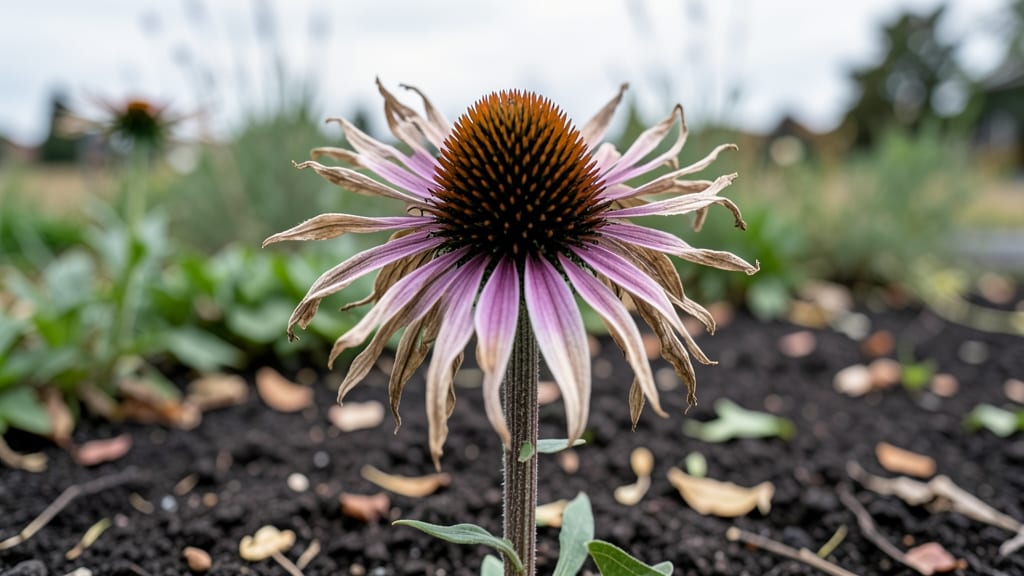
Drying echinacea seed heads turns garden waste into next year's free plants—plus stunning winter decor. 🌿 I used to toss them after blooms faded, but now I harvest them at their peak (when the cones turn tan and fluffy) and dry them whole for seed saving or dried arrangements.
The process is simpler than you'd think, and it keeps your garden thriving without spending a dime on new plants.
The key is patience and timing: harvest on a dry morning when the seed heads feel light and papery, then bundle them upside down in a paper bag for 2-3 weeks to dry completely.
You’ll know they’re ready when the seeds rattle inside like tiny maracas. Store them in an envelope labeled with the variety and year—these seeds stay viable for 2-3 years if kept dry and cool.
Beyond seed saving, dried echinacea seed heads add textural interest to winter bouquets or wreaths, their rusty hues brightening gray days. Place them near bird feeders too—they’ll attract finches and goldfinches that love the seeds. Plus, you’re reducing waste while creating beauty and future plants.
This method works for all echinacea varieties, from classic purple to fiery 'Hot Papaya.' Whether you’re a seed-saving purist or just love garden decor, these dried treasures are a no-fuss way to extend your garden’s usefulness year-round. Ready to try?
📚 In This Guide
- What you need
- Instructions
- Tips and common mistakes
- Wrapping up and next steps
What you need
- ● Mature echinacea seed heads: Harvest when the cones turn brown and papery (late summer to early fall). Aim for at least 10-15 heads for a reliable seed stash.
- ● Pruning shears or sharp scissors: For clean cuts without damaging the plant.
- ● Brown paper bags or breathable containers: 2-3 bags (1 per 5-7 seed heads) to allow airflow.
- ● Pencil or label tags: To jot down harvest dates and plant varieties.
- ● Drying surface: A clean, dry tray, screen, or even newspaper on a flat surface.
- ● Seed-saving envelope or glass jar: For long-term storage (airtight but moisture-proof).
- ● Fine mesh sieve or colander: To separate seeds from chaff effortlessly.
- ● Desiccant packets: Tiny silica packs to keep stored seeds dry (place 1-2 in your storage container).
- ● Notebook or seed-tracking app: To log germination rates and varieties over time.
- ○ Gloves (optional): If you’re sensitive to plant fibers or pollen.
How to dry and save echinacea seed heads for next season
Turn your garden's spent blooms into next year's plants with these simple drying tricks.
🌿 Step 1: Harvest Seed Heads at Peak Maturity
Wait until the echinacea blooms have fully faded and the seed heads turn a deep, papery brown. The center cones should feel dry and brittle to the touch—this usually happens in late summer or early fall, depending on your climate. Cut the stems 3-4 inches below the seed head with clean pruners to leave room for drying.
Harvest on a dry morning after any morning dew has evaporated. Wet seed heads take much longer to dry properly and may develop mold. Place the cut seed heads in a dry, shaded spot immediately to prevent moisture buildup.
💧 Step 2: Dry Seed Heads Using One of Three Methods
Choose between air drying, paper bag drying, or hanging bundles. For air drying, lay the seed heads on a screen or mesh tray in a well-ventilated area with indirect sunlight. Turn them occasionally to ensure even drying—this usually takes 2-3 weeks until the seed heads feel completely dry and lightweight.
For paper bag drying, place each seed head in a separate brown paper lunch bag with the opening facing downward. Store the bags in a cool, dry place. The seeds will drop into the bag as they dry, making collection easy. This method works best in 5-7 days if humidity is low.
⏰ Step 3: Collect and Store Seeds Properly
Once the seed heads are completely dry, gently rub the dried cones between your fingers or tap them lightly over a clean bowl to release the seeds. Discard any debris or empty seed casings. Store the seeds in a paper envelope or breathable container to prevent moisture buildup.
Label each container with the echinacea variety and the harvest date. Store in a cool, dark place like a pantry or seed drawer. Properly stored echinacea seeds remain viable for 2-3 years, though germination rates drop after the first year.
🌱 Step 4: Test Germination Before Planting
Before sowing your saved seeds, test a few for germination. Moisten a paper towel, place 5-10 seeds on it, and fold it over. Store in a sealed plastic bag in a warm spot (65-75°F) for 7-10 days. Check daily for sprouts—if at least half germinate, your seeds are viable and ready to plant.
If germination is poor, try cold-stratifying the seeds by mixing them with damp sand in a sealed container and refrigerating for 4-6 weeks. This mimics winter conditions and often improves germination rates for echinacea.
Tips & tricks for perfect echinacea seed preservation
Turning your garden's spent echinacea into next year's plants is easier than you think—here are my go-to tricks for foolproof seed saving.
Timing is Everything: Harvest on a dry morning after dew has evaporated, but don't wait too long—once the seed heads turn completely brown and crumbly, they'll start releasing seeds naturally. I've learned the hard way that harvesting too late means watching seeds scatter in the wind! For best results, aim for that perfect papery brown stage when the cones feel dry but haven't begun to disintegrate.
Drying Strategy: If you're short on time, the paper bag method in Step 2 is your best bet—those 5-7 days go by faster than you think, especially if you place the bags in a cool, dark pantry. For air drying, I recommend placing a small fan nearby to circulate air gently. This cuts drying time by nearly 30% without risking mold. Just avoid direct sunlight, which can overheat the seed heads and reduce viability.
Storage Wisdom: When storing your seeds in paper envelopes, fold the top over twice to create a tight seal. This prevents moisture from seeping in while still allowing airflow—critical for maintaining viability. I label each envelope with the variety and harvest date using a permanent marker, which helps me track germination rates over time. Store them in a sealed container with a desiccant packet if your pantry gets particularly humid.
Germination Test: The 7-10 day germination test in Step 4 is worth repeating—it's the only way to know for sure if your seeds will sprout. I've had batches that looked perfect but failed to germinate, and this simple test saves me from wasting time planting non-viable seeds. If you're impatient, check for sprouts every 3-4 days starting on day 5 rather than waiting the full 10 days.
Pro Tips for Echinacea Seed Heads
- Turning your garden's spent echinacea into next year's plants is easier than you think—here are my go-to tricks for f...
- Timing is Everything: Harvest on a dry morning after dew has evaporated, but don't wait too long—once the seed heads ...
- Drying Strategy: If you're short on time, the paper bag method in Step 2 is your best bet—those 5-7 days go by faster...
Frequently asked questions
Got questions about saving and drying echinacea seed heads? You’re not alone! Here are some of the most common queries—and their easy answers—to help you master zero-waste seed saving like a pro.
When is the best time to harvest echinacea seed heads?
Harvest seed heads once they’ve fully matured—typically in late summer to early fall (August–September). Look for dry, brown centers and papery petals that’ve fallen away naturally. Avoid harvesting too early, or the seeds won’t be viable!
How long does it take for echinacea seeds to dry indoors?
Most seed heads dry in 1–2 weeks if hung upside-down in a cool, dry, well-ventilated spot (like a garage or basement). Patience is key—rush it, and seeds may mold. Test readiness by gently rubbing a seed head; if seeds fall out easily, they’re ready!
What do I do if my seed heads mold before drying?
Mold is a sign of too much humidity. Move your seed heads to a drier location (like a dehumidifier or sunny windowsill) and space them out for better airflow. If mold appears, discard the affected heads—moldy seeds won’t sprout.
Can I save seeds from store-bought echinacea plants?
Yes! Many open-pollinated varieties (like ‘Magnus’ or ‘White Swan’) will produce viable seeds. Just avoid hybrids labeled “F1” or “sterile”—these won’t yield true-to-type seeds. Always check the plant tag or ask the nursery!
What’s the best way to store dried echinacea seeds long-term?
Keep seeds in a cool, dark place (like a sealed jar in the fridge or freezer) for up to 2–3 years. Use paper envelopes (not plastic) to prevent moisture buildup. Label them with the harvest year and variety—future-you will thank you!
Wrapping up and next steps
Echinacea seed heads are nature’s gift—packed with beauty and sustainability!
Whether you’re a gardener eager to propagate your favorite blooms or an eco-conscious enthusiast looking to reduce waste, drying these seed heads is simple and rewarding. Start small, experiment with methods, and soon you’ll be sharing seeds (and smiles) with fellow plant lovers.
🌱 Ready to dive in? Grab those dried seed heads, gather your tools, and turn your garden into a seed-saving haven. Your future plants—and the planet—will thank you!