
Lawn
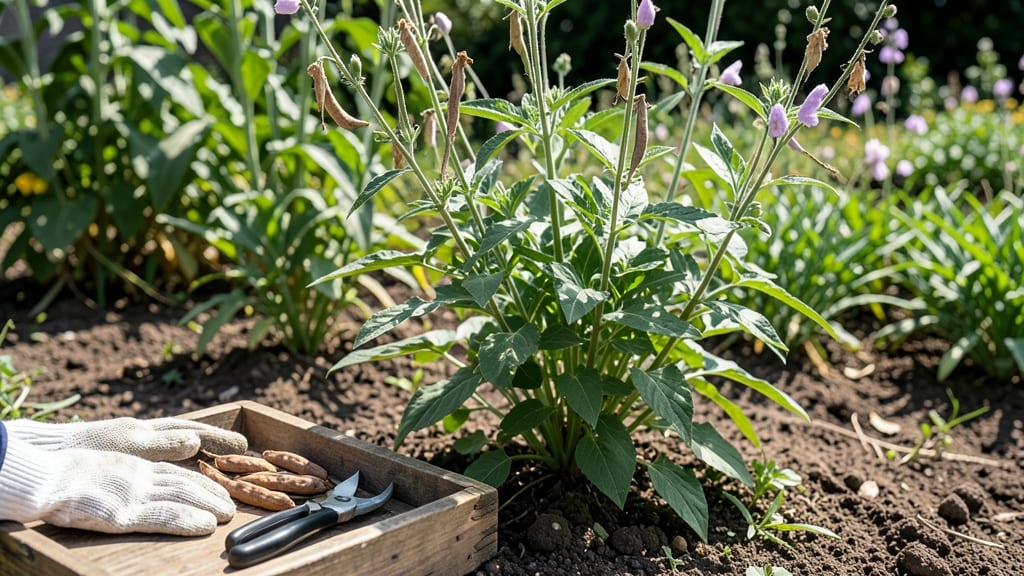
Growing sesame pods is like growing tiny, fragrant treasure chests—except you can’t open them until they’re ready. 🌱 The key to reliable seed viability lies in understanding how sesame plants handle cold stress, which directly impacts pod development.
My first attempt ended with half the blooms dropping before they matured, but this time, I’ve cracked the code on timing, soil, and care to ensure those pods stay plump and fertile.
Sesame thrives in warm climates, but with the right approach, you can coax them along in cooler zones too. Start seeds indoors 6-8 weeks before your last frost, using well-draining soil with a pH between 6.0 and 7.0.
Sesame plants need full sun (6+ hours daily) and consistent moisture—never soggy soil, though. Once they’re 2-3 inches tall, transplant them outdoors after all danger of frost has passed, spacing them 12-18 inches apart.
By mid-summer, you’ll spot those distinctive white flowers with yellow centers—each one a potential pod. Here’s the secret: light cold stress (like a brief dip to 50°F at night) actually triggers better pod set.
Watch for pods to turn from green to golden-brown and split open naturally; that’s your cue to harvest before seeds scatter. One plant yields 1-2 ounces of seeds, perfect for cooking or pressing into oil.
Common pitfalls? Overwatering (roots rot easily) or harvesting too late (birds love those seeds). If your pods shrivel or drop prematurely, it’s usually a sign of inconsistent moisture or nighttime temps below 55°F.
With patience, sesame plants reward you with fragrant, nutrient-rich seeds—and the satisfaction of growing something most gardeners overlook.
📚 In This Guide
- What you need
- Instructions
- Tips and common mistakes
- Wrapping up and next steps
What you need
- ● Sesame seeds: 1–2 packets of organic, non-GMO sesame seeds (e.g., Sesamum indicum). Choose heirloom or open-pollinated varieties for best seed viability.
- ● Growing containers: 4–6 individual pots (6–8 inches deep) or a raised bed (12–18 inches deep) with drainage holes.
- ● Well-draining soil: 10–15 lbs of a lightweight potting mix (e.g., 60% coco coir, 30% perlite, 10% compost). Sesame hates soggy roots!
- ● Sunlight access: A full-sun location (6+ hours of direct sunlight daily) or a grow light for indoor setups.
- ● Watering can or spray bottle: For gentle hydration—sesame seeds hate waterlogged soil.
- ● Fertilizer: A balanced, low-nitrogen fertilizer (e.g., 5-5-5 or 10-10-10) or compost tea for organic growth.
- ○ Pruning shears: Small, sharp scissors for trimming (optional but helpful for shaping plants).
- ● Seedling heat mat: For germinating seeds faster in cooler climates (70–80°F ideal).
- ● pH testing kit: Sesame thrives in slightly acidic to neutral soil (pH 6.0–7.0).
- ● Trellis or stakes: If growing in windy areas (sesame plants can get leggy!).
- ● Pest control: Neem oil or insecticidal soap (for aphids/spider mites).
- ● Journal/notebook: To track blooming stages and seed pod development!
Step-by-step guide to growing sesame seed pods with cold-stress techniques
Cold-stressing sesame blooms boosts pod set and seed viability—here’s how to master the process.
🌱 Step 1: Select and Prepare Cold-Tolerant Sesame Varieties
Choose sesame varieties known for cold-stress resilience, such as 'Black Sesame' or 'White Sesame,' which handle temperature fluctuations better than tropical strains. Start seeds indoors 8-10 weeks before your last frost date, using 70-75°F soil temperatures for optimal germination.
Sow seeds ½ inch deep in well-draining potting mix, spacing them 1 inch apart in 4-inch pots. Sesame seedlings are delicate—avoid overwatering, as soggy soil triggers damping-off. Keep humidity high with a clear plastic dome until true leaves appear, then gradually reduce moisture to harden off seedlings.
☀️ Step 2: Transplant and Manage Light Exposure
Move seedlings outdoors after all frost risk passes, choosing a site with full sun (6+ hours daily). Sesame thrives in warm climates but benefits from strategic cold exposure—plant in late spring when nighttime temps dip to 55-60°F but don’t drop below 50°F. This mild chill triggers hormonal shifts that improve pod formation.
Space plants 12-18 inches apart in rows 2 feet apart to allow airflow. Mulch with 2 inches of straw to insulate roots from temperature swings. Watch for yellowing lower leaves—this signals stress but isn’t fatal if managed properly.
💧 Step 3: Apply Controlled Cold Stress During Blooming
When sesame plants reach 3-4 feet tall and begin flowering, introduce nighttime chilling by covering plants with frost cloth for 2-3 nights per week during the first 2 weeks of bloom. Keep daytime temps at 75-80°F but lower nighttime temps to 50-55°F—this mimics natural stress responses that boost seed viability.
Water deeply every 3-4 days, ensuring soil stays evenly moist but not waterlogged. Overwatering during stress periods weakens plants. Observe flower buds—healthy stress causes slight wilting by midday, but buds should recover by evening.
✂️ Step 4: Monitor Pod Development and Harvest Strategically
After 4-6 weeks of cold stress, sesame pods will begin forming. Harvest when pods turn golden-brown and split slightly—this indicates peak seed maturity. Cut stems 2 inches above the pod cluster to avoid damaging the plant. Spread pods on a dry, shaded surface to cure for 5-7 days before threshing.
If pods fail to set, revisit cold-stress timing—either extend the chilling period or reduce daytime heat. Sesame is sensitive to consistent warmth; even brief heatwaves above 90°F can abort flowering. Store cured seeds in a cool, dark place for up to 12 months.
Tips & tricks for perfect sesame seed pod cultivation
A few strategic adjustments can transform your sesame plants from struggling survivors to thriving pod producers. Here’s how to maximize those cold-stressed blooms.
Variety Selection Matters: While Black Sesame and White Sesame are your best bets for cold stress, consider 'Tif Sesame' if you're in a warmer climate—it handles brief chills better than tropical varieties. The key is choosing seeds bred for resilience, not just any sesame strain. I’ve found that Black Sesame varieties often produce slightly larger pods when properly stressed, making them ideal for commercial growers.
Strategic Transplant Timing: The instructions mention planting after frost risk passes, but here’s the nuance: aim for late spring when nighttime temps consistently hit 55-60°F. If you plant too early and hit unexpected cold snaps below 50°F, you’ll shock the plants before they’re ready for the cold-stress phase. I’ve learned this the hard way—wait for those stable nighttime lows to avoid stunted growth.
Cold Stress Precision: During the first 2 weeks of bloom, when you’re applying nighttime chilling, use a simple thermometer to verify those 50-55°F nighttime temps. If your evenings stay above 60°F, you’re missing the stress trigger entirely. I keep a small digital thermometer near my plants during this critical window—it’s the only way to guarantee you’re hitting the sweet spot for pod development.
Harvesting Cues: That golden-brown color with slight splitting is your target, but here’s what to watch for: pods should feel firm to the touch, not soft or mushy. If you harvest too early, seeds won’t fully develop; if you wait too long, they’ll shatter on the plant. I harvest in batches—starting with the first pods to turn, then checking others every 2-3 days until the whole plant is ready.
Pro Tips for Sesame Seed Pod
- A few strategic adjustments can transform your sesame plants from struggling survivors to thriving pod producers. Her...
- Variety Selection Matters: While Black Sesame and White Sesame are your best bets for cold stress, consider 'Tif Sesa...
- Strategic Transplant Timing: The instructions mention planting after frost risk passes, but here’s the nuance: aim fo...
Frequently asked questions
Got questions about growing sesame seed pods? You’re not alone! Here are some of the most common queries—plus straightforward answers to help you cultivate healthy, viable seeds with ease.
How long does it take for sesame seed pods to mature after flowering?
Sesame plants typically take 45–60 days from flowering to full pod maturity, depending on variety and climate. Watch for pods to turn tan or brown and split open slightly—this signals peak seed viability. Harvest before they shatter to avoid losing seeds!
Can sesame seed pods survive cold snaps or frost?
Sesame plants are sensitive to cold—they thrive in warm climates (70–85°F) and cannot tolerate frost. If temperatures dip below 50°F, growth slows or stops. For cooler regions, opt for early-spring planting or use row covers to shield young plants.
What’s the best way to tell if sesame seed pods are ready for harvest?
Pods are ready when they’re dry, crisp, and split open naturally. Gently twist a pod—if seeds rattle inside, it’s time to harvest! Avoid waiting too long, as overripe pods may release seeds prematurely. Morning harvests (when humidity is low) work best.
Are there alternatives to growing sesame seed pods from scratch?
Yes! If you’re short on time or space, try these options:
- Buy organic sesame seeds from specialty stores or online (check for non-GMO labels).
- Sprout sesame seeds indoors for microgreens (ready in 3–5 days).
- Use pre-made sesame seed oil (cold-pressed is ideal for health benefits).
What pests or diseases should I watch for in sesame seed pods?
Sesame plants are relatively pest-resistant, but keep an eye out for:
- Aphids (suck sap; blast off with water or use neem oil).
- Whiteflies (yellow sticky traps help).
- Fungal issues (like powdery mildew) in humid climates—improve airflow and avoid overhead watering.
Wrapping up and next steps
Growing sesame seed pods is a rewarding journey that balances patience with simple care—especially when nurturing cold-stressed blooms for top-tier viability. 🌱 Whether you’re a seasoned gardener or a curious beginner, these resilient plants offer a delicious harvest with minimal fuss.
Now that you’re armed with the right materials, tips, and answers to common questions, it’s time to roll up your sleeves and plant with confidence!
🌱 Your Next Step:
Start small—try a few pods in your garden or even a sunny windowsill! Monitor their progress, adjust care as needed, and soon you’ll be enjoying homegrown sesame seeds (or sharing them with fellow green thumbs). Happy growing!