
Lawn
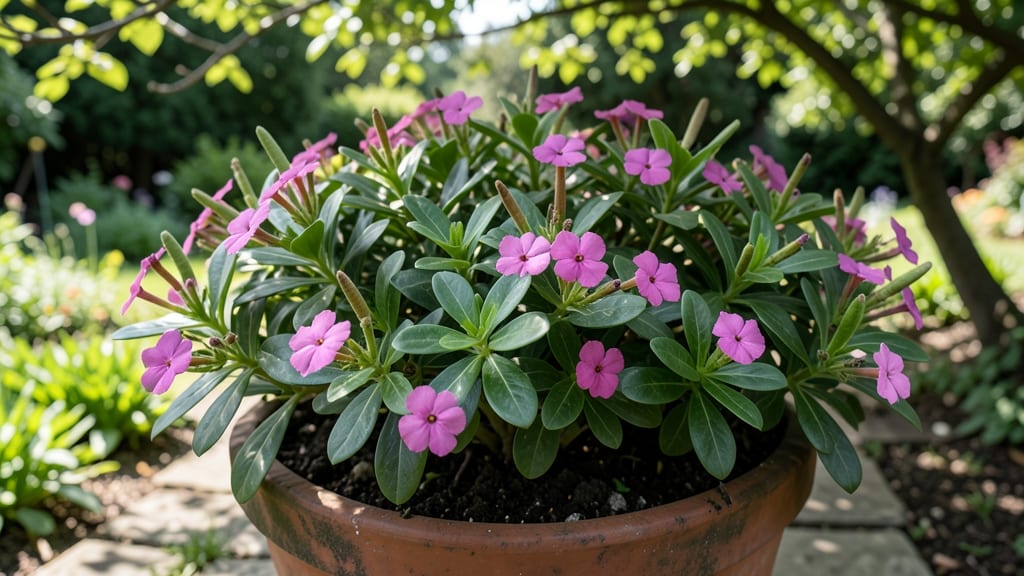
Those papery vinca seed pods are nature's way of packaging free plants—if you know how to crack them open. 🌱 The trick lies in letting them dry completely on the vine before harvesting, then using simple techniques to release the tiny black seeds inside without wasting a single pod.
Start by collecting pods when they turn brown and start splitting open on their own. A gentle twist or light squeeze usually releases the seeds, but if pods resist, place them in a paper bag and shake vigorously for a few minutes.
This method works best in late summer or early fall, just as the growing season winds down.
Once you've collected the seeds, store them in an envelope or small container with a desiccant packet to prevent moisture buildup.
Vinca seeds are notoriously slow to germinate—some may take up to a year—but with patience, you'll see those glossy green seedlings emerge in spring, ready to spread their cheerful purple blooms across your garden.
For faster results, consider propagating vinca from cuttings instead. This method guarantees more reliable growth, especially if you're looking to preserve specific varieties. Either way, you'll end up with hardy plants that thrive in full sun and drought conditions, making them a perfect low-maintenance addition to any landscape.
📚 In This Guide
- What you need
- Instructions
- Tips and common mistakes
- Wrapping up and next steps
What you need
- ● Mature vinca seed pods: Harvest pods when they’re dry and brown (typically late summer to fall) and have split open slightly.
- ● Paper bags or brown paper: 2–3 medium-sized bags (for drying and storage). Avoid plastic—it traps moisture!
- ● Scissors or pruners: Sharp, clean tools for harvesting pods without damaging them.
- ○ Small mesh bag or sieve (optional but helpful): A fine-mesh bag (like an onion bag) or a kitchen strainer to separate seeds from chaff.
- ● Labeling tags or masking tape + marker: To label bags with the plant variety and harvest date.
- ● Air-dry space: A warm, dry, and well-ventilated area (like a windowsill or shelf).
- ● Glove: A pair of lightweight gardening gloves to protect your hands from prickly pods.
- ● Magnifying glass: Helpful for inspecting seeds for viability (look for plump, firm seeds).
- ● Small plastic container with lid: For long-term seed storage (add a silica gel packet to keep moisture out).
- ● Notebook or seed-saving journal: To track germination rates and notes on each batch.
How to extract vinca seeds naturally without waste
Skip the scissors and let nature do the work—here’s how to open vinca seed pods the easy way.
🌱 Step 1: Harvest Ripe Seed Pods at Peak Maturity
Wait until vinca seed pods turn a deep brown and begin splitting open on their own. This usually happens in late summer or early fall, depending on your climate. Gently twist the pods to release seeds—if they don’t open easily, leave them on the plant a few more days. Overripe pods crumble, so act before they fall apart.
Collect pods in a paper bag (not plastic) and store them in a dry, shaded spot. The natural drying process makes seeds easier to extract later. If pods still feel moist, spread them on a tray with a thin layer of newspaper to speed drying while preventing mold.
💧 Step 2: Soak Pods to Softened Seeds for Gentle Release
Fill a bowl with lukewarm water and submerge the dried pods for 12-24 hours. This softens the pod walls, allowing seeds to separate without damage. Stir occasionally to ensure even saturation. If pods float, press them gently under the water’s surface—they need full immersion.
After soaking, drain the water and place pods on a clean towel. The outer casing will now peel away with minimal effort. Use your fingers to gently rub the softened pods between your palms, coaxing seeds free. Discard the empty husks—no waste, just natural decomposition.
☀️ Step 3: Dry and Store Seeds for Long-Term Viability
Spread the extracted seeds on a mesh screen or paper towel in a warm, dry place for 3-5 days. Stir them daily to prevent clumping. Properly dried seeds will feel firm and papery to the touch. Store them in a paper envelope (not plastic) in a cool, dark spot—seeds last up to 2 years this way.
Label the envelope with the variety and harvest date. Vinca seeds are slow to germinate, so patience is key—plant them outdoors in early spring after the last frost. Press seeds ¼ inch deep into well-draining soil and keep them lightly moist until sprouts appear, which can take 2-4 weeks.
✂️ Step 4: Test Germination Before Large-Scale Planting
Before sowing all your saved seeds, test a few in a small pot. Fill a 4-inch container with seed-starting mix and plant 3-4 seeds at ¼-inch depth. Mist the soil lightly and cover the pot with plastic wrap to retain moisture. Place it in a bright, indirect light spot (no direct sun yet).
Check for sprouts in 2-3 weeks. If germination rates are low (fewer than 50% of seeds sprout), try soaking seeds for an extra 12 hours next time. Healthy seedlings will have deep green cotyledons and sturdy stems—transplant them outdoors once they reach 2 inches tall.
Tips & tricks for perfect vinca seed extraction
Let me save you the guesswork—these little tricks make all the difference when working with vinca seed pods.
Pod Maturity Check: The deep brown color is your best indicator, but here's the real test: gently squeeze a pod—if it gives just slightly under pressure, it's ready. If it feels rock-hard, leave it on the plant another day or two. Overripe pods will crumble when you touch them, and those seeds won't store well. I learned this the hard way after trying to extract seeds from pods that had been on the ground too long.
Soaking Secret: For the 12-24 hour soak, use lukewarm water—not hot, not cold. Hot water can actually cook the seeds slightly, while cold water won't soften the pods effectively. I like to add a drop of mild dish soap to the water to help break down any natural oils in the pod walls. This makes the seeds release even more easily when you rub the pods between your palms. Just be sure to rinse the seeds thoroughly afterward!
Drying Strategy: When drying your extracted seeds for 3-5 days, don't skip the stirring! I use a wooden spoon to gently mix them every 12 hours. This prevents moisture buildup in any one spot and ensures even drying. Place your drying tray somewhere with good airflow—like on top of your fridge—but keep it out of direct sunlight to prevent overheating. You'll know they're properly dried when they make a crisp sound when you rub two seeds together.
Germination Test Hack: For that germination test in Step 4, use a clear plastic container instead of a 4-inch pot if you want to watch the roots develop. Place it near a sunny window and you'll actually see the roots growing through the clear sides! This gives you a great visual cue about when to transplant. I've found that vinca seeds often need this extra encouragement before they'll sprout reliably in garden soil.
Pro Tips for Vinca Seed Pods
- Let me save you the guesswork—these little tricks make all the difference when working with vinca seed pods.
- Pod Maturity Check: The deep brown color is your best indicator, but here's the real test: gently squeeze a pod—if it...
- Soaking Secret: For the 12-24 hour soak, use lukewarm water—not hot, not cold. Hot water can actually cook the seeds ...
Frequently asked questions
Got questions about vinca seed pods?
You’re not alone! Here are some of the most common queries—plus practical answers to help you master zero-waste seed saving with confidence.
When do vinca seed pods ripen and open naturally?
Vinca seed pods typically ripen in late summer to early fall (August–October, depending on your climate). They’ll turn from green to brown and begin splitting open on their own—but this can take weeks. If you’re impatient, try the gentle drying or freezing methods mentioned earlier to speed things up. Pro tip: Harvest pods when they’re just starting to brown for the freshest seeds!
How long does it take for vinca seeds to dry indoors?
Drying vinca seed pods indoors usually takes 1–2 weeks in a cool, dry spot (like a paper bag with holes or a mesh bag). Spread them in a single layer to avoid mold. If humidity is high, add a silica gel packet or use a fan for faster results. Watch for: pods that rattle when shaken—those are ready!
Can I use vinca seeds from store-bought plants?
Yes! Vinca (Catharanthus) seeds from nursery plants are just as viable as those from homegrown ones. Just ensure the pods are mature (brown and dry) and store-bought plants aren’t treated with seed inhibitors (common in commercial cuttings). For extra safety, soak seeds in warm water for 24 hours before planting to boost germination.
What if my vinca seed pods won’t open at all?
If pods stay stubbornly closed, they might be overly moist or too young. Try these fixes:
- Freeze them for 48 hours to mimic winter dormancy.
- Bake at 120°F (49°C) for 1–2 hours (low heat!) to dry them out.
- Gently crush the pod with pliers (wear gloves!) to release seeds.
Are vinca seeds toxic if handled incorrectly?
While vinca seeds aren’t highly toxic, they contain alkaloids (like vincristine) that can cause mild skin irritation or stomach upset if ingested in large amounts. Safety first:
- Wear gloves when handling pods.
- Avoid inhaling dust from crushed seeds.
- Wash hands after contact—especially before eating or touching your face!
Wrapping up and next steps
Vinca seed pods may seem tricky at first, but with a few simple, eco-friendly tricks, you can unlock their potential for zero-waste seed saving—and even brighten up your garden next season! 🌱 Whether you’re using warm water, gentle squeezing, or a trusty fork, these methods make the process effortless and rewarding.
Why not give it a try and turn those stubborn pods into a new gardening adventure?
Ready to dive in? Grab your supplies and start experimenting—your future vinca plants (and the planet) will thank you! 🌿