
Lawn
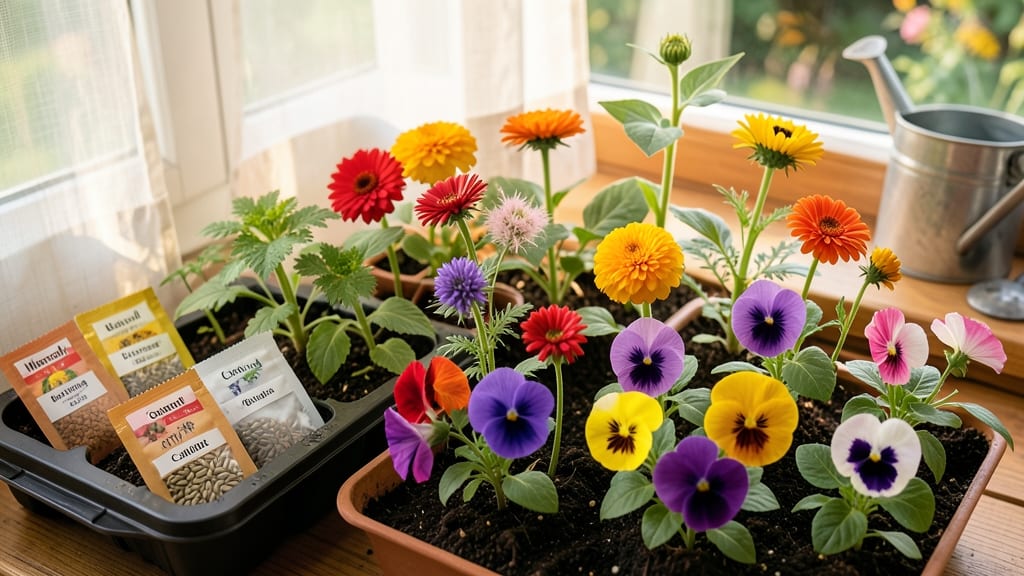
Mastering common flower seed identification means the difference between a garden full of surprises and one that blooms exactly as you imagined. 🌱 I’ve spent years sorting through seed packets, catalogs, and even wildflower mixes—only to realize most seeds look nearly identical until they sprout. The key lies in tiny details: seed shape, texture, and even the way they feel between your fingers can reveal whether you’re holding a sunflower or a cosmos. Annuals like marigolds and zinnias pack their energy into one big show, while perennials like coneflowers and black-eyed Susans return year after year. Biennials like foxgloves take two seasons to bloom, so timing matters. A quick glance at the seed’s size—some are as tiny as dust, others as plump as a pea—can tell you if you’re dealing with a delicate wildflower or a hardy garden staple. Once you learn these visual clues, you’ll spot the differences instantly. That fluffy, papery seed? Likely a dandelion. The smooth, oval shape? Probably a poppy. Mastering this skill means you’ll never buy the wrong seeds again—and your garden will thank you with exactly the blooms you want. This guide breaks it down into 25 of the most common wildflowers, so you’ll recognize them in seed form before they even hit the soil. Let’s get started!
📚 In This Guide
- What you need
- Instructions
- Tips and common mistakes
- Wrapping up and next steps
What you need
- ● Magnifying glass (3x–10x magnification) – Helps examine tiny seed details up close.
- ● Field guide or smartphone with a plant ID app (e.g., iNaturalist, PictureThis, or PlantNet).
- ● Small notebook or digital notes app – For jotting down observations like seed shape, color, and texture.
- ● Ruler or measuring tape – To record seed size (in millimeters or inches).
- ● Tweezers (fine-tip, 4–5 inches long) – Gently pick up seeds without damaging them.
- ● Clear plastic bags or seed envelopes – For collecting and storing samples (2–3 bags for testing).
- ● Permanent marker – Label seeds with location and date.
- ● Hand lens with LED light – For low-light seed inspections.
- ● Digital camera with macro mode – Capture high-res images for later reference.
- ● Seed germination kit – If you want to test viability (includes soil, trays, and humidity dome).
- ● Gloves (nitrile or cotton) – Protects hands from prickly or irritating seeds.
- ● Portable UV flashlight – Some seeds fluoresce under UV light, revealing hidden patterns!
How to identify common wildflower seeds by sight
Here’s how I break down wildflower seed identification—no microscope needed.
🌱 Step 1: Examine Seed Shape and Size
Start by holding the seed between your thumb and forefinger. Wildflower seeds vary wildly: poppy seeds are tiny and papery, while lupine seeds are plump and smooth like small beans. Most seeds fall into three categories: flat and winged (like milkweed), round and fuzzy (like thistle), or irregularly shaped (like coneflower).
If the seed has a feathery or hairy coating, it’s likely from a plant that relies on wind dispersal—think dandelion or milkweed. Smooth, hard seeds (like sunflower) usually need animal help or direct planting. Hold it up to a bright light—textures become clearer against a white background.
🌿 Step 2: Check for Distinctive Markings or Attachments
Look for attached seed pods, wings, or tufts—these are your best clues. Lupine seeds often stay nestled in their pod until dry, while black-eyed Susan seeds appear in flat, disc-like clusters. Some seeds, like coreopsis, have a papery membrane that peels away easily—don’t mistake this for damage.
If the seed is still attached to a dried flower head, note the shape: spiky (like teasel), rounded (like coneflower), or umbel-shaped (like Queen Anne’s lace). Snap off a small piece of the stem—some wildflowers leave a milky sap (like milkweed) or a fibrous core (like goldenrod).
✂️ Step 3: Compare to Known Seed Families
Group seeds by visual families before diving into specifics. Seeds with feathers or parachutes belong to the Asteraceae family (dandelions, sunflowers). Round, hard seeds often come from Legumes (clover, lupine). Flat, winged seeds are usually Fabaceae (like wild peas) or Apiaceae (like Queen Anne’s lace).
Use a wildflower seed guidebook or app to cross-reference. For example, milkweed seeds are flat and come in long, silky pods, while black-eyed Susan seeds are small and clustered in dry, spiky heads. If you’re unsure, press the seed into a small notebook—the imprint can help narrow it down.
💧 Step 4: Test for Germination Readiness
Not all seeds look viable—float test is key. Drop seeds into a bowl of water: good seeds sink (like poppy or phlox), while empty or dead seeds float. For fuzzy or hairy seeds (like thistle), a gentle rub between fingers reveals if the fluff is intact—critical for wind dispersal.
If the seed feels lightweight and hollow, it’s likely spent. Press it between your nails—fresh seeds resist slightly, while old seeds crush easily. Store potential candidates in a paper envelope (not plastic) in a cool, dry place until you’re ready to plant.
☀️ Step 5: Note Your Location for Clues
Wildflower seeds often match their habitat. Dry, open fields yield sun-loving seeds (like coreopsis or black-eyed Susan), while woodland edges produce shade-tolerant seeds (like trillium or bleeding heart). If you’re collecting near water, look for wetland seeds (like pickeralweed or swamp milkweed).
Check the soil type where you found the seed—sandy soil often holds drought-resistant seeds (like blanket flower), while clay-rich soil may hide moisture-loving seeds (like lobelia). Jot down these details in a small notebook—they’ll help you recreate ideal growing conditions later.
Tips & tricks for mastering wildflower seed identification
These practical insights will sharpen your eye for spotting wildflower seeds like a pro—no botanist degree required.
Lighting is Your Secret Weapon: Natural daylight is your best friend for seed identification. Place seeds on a white surface (like a notebook or paper plate) and angle them toward a window—this eliminates shadows and highlights subtle textures. I learned this the hard way after struggling to distinguish fuzzy milkweed seeds in dim lighting. A simple desk lamp with a bright bulb works too if you're indoors. The goal is to mimic how seeds appear in their natural habitat when caught by sunlight.
Create a Seed Reference Collection: Start a small collection of known seeds in labeled envelopes (use index cards with the seed's name and location found). This becomes your visual dictionary—compare mystery seeds directly to your known samples. For example, keep a milkweed pod open to show its flat, silky seeds next to a thistle's fuzzy spheres. Over time, your brain builds muscle memory for patterns. I keep mine in a small wooden box with compartments for easy sorting.
Use the Stem as a Clue: In Step 2, when examining dried flower heads, pay special attention to the stem's texture and color. Some stems leave milky residue when snapped (like milkweed), while others have fibrous cores (goldenrod). I carry a small notebook to jot down these observations in the field. This simple habit has helped me identify seeds I initially thought were too similar. The stem often reveals more about the plant's family than the seed itself.
Seasonal Timing Matters: Collect seeds at their peak dryness for best identification. Most wildflower seeds reach maturity in late summer to early fall, but timing varies by region. For example, black-eyed Susan seeds are ready in September, while coreopsis seeds mature earlier in August. Check local wildflower blooming guides to anticipate when seeds will be most identifiable. I make a point to revisit the same locations every few weeks to catch seeds at their most diagnostic stage.
Pro Tips for Common Flower Seed Identification
- These practical insights will sharpen your eye for spotting wildflower seeds like a pro—no botanist degree required.
- Lighting is Your Secret Weapon: Natural daylight is your best friend for seed identification. Place seeds on a white ...
- Create a Seed Reference Collection: Start a small collection of known seeds in labeled envelopes (use index cards wit...
Frequently asked questions
Got questions about flower seed identification? You’re not alone—even seasoned gardeners need a quick refresher! Here are answers to the most common queries to help you confidently ID seeds and grow your dream garden.
How do I tell if a flower seed is viable before planting?
Test viability with a water float test: Drop seeds in a glass of water. Viable seeds sink (good to plant!), while hollow or dried-out ones float. For extra accuracy, use a paper towel test—moisten a paper towel, place seeds between two, and check for sprouts in 3–7 days. Pro tip: Store seeds in a cool, dry place to extend shelf life!
When is the best time to collect wildflower seeds for planting?
Timing is key! Harvest seeds when the flower head turns brown and dry but before it shatters (usually late summer to early fall). For annuals like cosmos, collect seeds as pods form; for perennials like coneflowers, wait until seed heads are fully mature. Morning is ideal—dew keeps seeds fresh and makes handling easier.
What if I can’t identify a seed—are there alternatives to guessing?
No stress! Use a seed identification app (like PictureThis or PlantNet) to snap photos and match seeds. Visit local nurseries or extension offices—they often have seed libraries or experts on hand. Last resort: Plant a small batch in pots to observe growth patterns (label them first!).
Why did my flower seeds sprout but then die? Troubleshooting tips?
Common culprits include overwatering (roots need air!), poor soil drainage, or temperature swings. Start with well-draining seed-starting mix and keep soil moist but not soggy. Use a heat mat (70–75°F) for slow germinators like snapdragons. If seedlings wilt, check for damping off (a fungal issue)—space plants for airflow.
Can I save seeds from hybrid flowers for next year?
Probably not! Hybrid seeds (marked with F1) won’t reproduce true to the parent plant. For reliable results, stick to heirloom or open-pollinated varieties. Save seeds from self-pollinating flowers like zinnias or marigolds—they’re your best bet for consistent blooms!
Wrapping up and next steps
Mastering common flower seed identification opens the door to a vibrant garden or wildflower meadow! Whether you’re a beginner or a seasoned gardener, recognizing these 25 wildflowers helps you cultivate beauty effortlessly. 🌸 Start small—grab a seed packet, observe local blooms, and let nature inspire your green thumb.
Ready to dive deeper? Plant a few seeds this season and watch your knowledge—and garden—flourish! 🌱 Which wildflower will you try first?