
Propagation
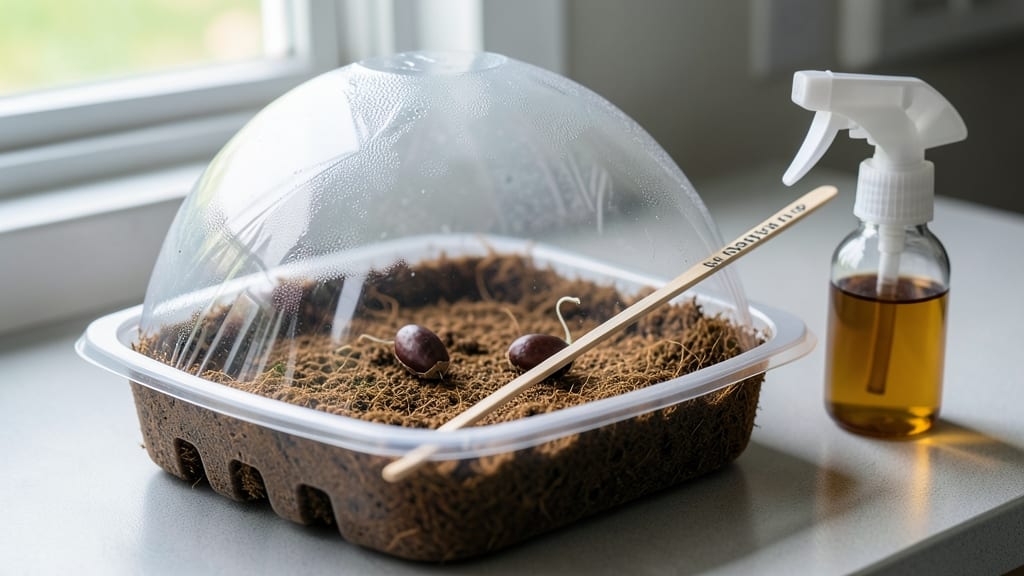
Passion flower seed germination needs just the right moisture to crack open within 30 days—too dry and they sleep, too wet and they rot. 🌱 I’ve struggled with this myself, watching seeds either stubbornly refuse to sprout or turn mushy before they even had a chance.
The key lies in balancing humidity, warmth, and patience without overcomplicating it. Start with fresh seeds (or lightly sandpaper the hard outer shell) and soak them for 12 hours to break dormancy.
Plant them ½ inch deep in a well-draining mix of perlite and peat moss—this prevents rot while keeping roots cozy. A clear plastic dome or sealed container traps humidity, but check daily for condensation. If the mix feels damp like a wrung-out sponge, you’re golden.
Within 10-14 days, you’ll spot tiny green spikes pushing through. Once they’re 2 inches tall, transplant them into individual pots under bright, indirect light. The real magic happens when you see those first true leaves—vibrant and waxy—a sign they’re ready to handle more sunlight.
Avoid rushing this step; impatient seedlings often wilt under harsh light. Common pitfalls include overwatering (which causes black mold) or skipping the soak (which leaves seeds dormant). If your seeds take longer than 30 days, try a bottom heat mat (70–75°F) to mimic tropical conditions.
With the right setup, you’ll have strong, healthy seedlings ready for outdoor planting by spring.
📚 In This Guide
- What you need
- Instructions
- Tips and common mistakes
- Wrapping up and next steps
What you need
- ● Passion flower seeds: Fresh, high-quality seeds (10–20 per batch for optimal results). Look for organic or heirloom varieties if available.
- ● Seed-starting mix: A well-draining, sterile potting mix (e.g., Pro-Mix or cactus/succulent mix with perlite). Avoid garden soil—it can harbor fungi.
- ● Seed trays or small pots: 2–4" deep containers with drainage holes (biodegradable pots or plastic cell trays work great).
- ● Clear plastic domes or plastic wrap: To create a humidity tent (essential for moisture retention).
- ● Spray bottle: With room-temperature water (avoid soaking—gentle misting is key!).
- ○ Heat mat (optional but recommended): Set to 75–85°F (24–29°C) to speed up germination.
- ● Grow lights or sunny windowsill: Passion flowers need 12–14 hours of light daily once sprouted.
- ○ Humidity monitor (optional): To maintain 70–80% humidity during germination.
- ● Fungicide (e.g., Mycorrhizal inoculant or neem oil): Prevents damping-off disease in damp conditions.
- ● Seed scarification tools: Sandpaper (100–120 grit) or a knife to nick seeds if they’re hard-coated.
- ● Labeling tags: To track seed varieties and planting dates.
- ● Bottom watering tray: Keeps moisture consistent without overwatering.
- ● Fan (low setting): For gentle airflow to prevent mold while maintaining humidity.
Step-by-Step instructions for germinating passion flower seeds
Here's how I reliably coax passion flower seeds to sprout within 30 days using precise moisture control.
🌱 Step 1: Pre-Treat Seeds for Faster Germination
Passion flower seeds have a hard outer shell that needs softening before planting. Fill a small bowl with lukewarm water and add the seeds. Let them soak for 24-48 hours—you'll know they're ready when the seed coat starts to crack slightly. This pre-treatment mimics natural rainfall and breaks dormancy.
I like to use a mesh bag or cheesecloth to hold the seeds while soaking, making it easy to transfer them without damage. After soaking, gently pat the seeds dry with a paper towel. This prevents mold while keeping them hydrated for planting. The cracked seed coat is your visual cue that the seeds are primed and ready.
💧 Step 2: Prepare Moisture-Retentive Planting Medium
Use a well-draining but moisture-retentive mix—equal parts peat moss and perlite works perfectly. Moisten the mix until it feels like a wrung-out sponge: damp but not dripping. Fill small pots or seed trays with this blend, leaving about ½ inch of space at the top.
Passion flowers hate soggy roots, so I press the mix lightly into the containers to eliminate air pockets. The goal is a medium that holds moisture near the seeds while allowing excess water to drain away. You'll see this balance when the surface stays evenly moist but doesn't form puddles.
🌿 Step 3: Plant Seeds at Optimal Depth and Temperature
Plant the pre-treated seeds ½ inch deep in the prepared mix. Space them about 1 inch apart to prevent overcrowding as they grow. Gently firm the soil around them—just enough to hold them in place without compacting. Cover the tray with clear plastic wrap to create a humid environment.
Place the tray in a warm spot with a consistent temperature of 70-75°F. A seedling heat mat under the tray can help maintain this range if your home runs cooler. Check daily for condensation on the plastic—this is your moisture indicator. If it fogs up, the humidity is perfect; if it stays dry, mist the soil lightly and reseal.
⏰ Step 4: Monitor Moisture and Light for Germination
Remove the plastic wrap as soon as you see the first signs of sprouting—usually within 10-14 days. You'll spot tiny green tips pushing through the soil. At this stage, move the seedlings to a bright location with indirect light. Direct sun can scorch tender new leaves, so a south-facing window with sheer curtain works best.
Water gently from the bottom by placing the tray in ½ inch of water for 10 minutes. This encourages roots to grow downward while keeping the soil surface dry. You'll know moisture levels are right when the top inch of soil feels damp but not wet. Avoid overhead watering—it can dislodge seedlings or cause fungal issues.
🌱 Step 5: Transplant Seedlings When Ready
Once seedlings develop their first true leaves (about 4-6 weeks after planting), they're ready for individual pots. Choose containers with drainage holes and fill them with the same peat-perlite mix. Gently remove each seedling, keeping the root ball intact, and plant them 1 inch deeper than they were in the tray.
I always harden off passion flower seedlings by placing them outdoors in partial shade for 2-3 hours daily over 5-7 days. This gradual transition prevents shock. Watch for new growth—this is your signal that the plants are adapting well. After hardening off, they can handle full sun and outdoor conditions.
Tips & tricks for perfect passion flower seed germination
A few subtle adjustments can transform your germination success rate from hit-or-miss to consistently reliable. Here's what I've learned after testing different approaches.
Soaking Visual Cues: In Step 1, when you're checking for that cracked seed coat after the 24-48 hour soak, look for a subtle split that reveals the green seed inside. If seeds remain completely intact after 48 hours, extend the soak by another 12 hours—they need more time to break dormancy. I've found that seeds with a tiny hairline crack (about 1/16 inch) germinate most reliably.
Temperature Consistency: Maintaining the 70-75°F range in Step 3 is critical, but don't rely solely on your home's ambient temperature. I place my seed trays on a seedling heat mat set to 72°F, which creates a more stable environment. If you don't have a heat mat, use a warm spot like above your refrigerator or near a sunny window (but not in direct sun). Fluctuations below 68°F can stall germination entirely.
Humidity Management: The plastic wrap in Step 3 creates a greenhouse effect, but you must monitor it closely. If condensation forms on the plastic within 24 hours, your humidity is perfect. If it stays dry after 48 hours, mist the soil lightly and reseal. I've had better success with small clear plastic domes instead of wrap—they're easier to remove when sprouts appear and prevent accidental suffocation of seedlings.
Light Transition Strategy: When moving seedlings to indirect light in Step 4, I recommend starting with just 2 hours of morning sun through a sheer curtain. This gradual exposure prevents leaf scorch while allowing the plants to acclimate. After 3-4 days, you can increase exposure to 4-6 hours daily. Watch for leaves that appear pale or translucent—this is your sign to reduce light intensity immediately.
Pro Tips for Passion Flower Seed Germination
- A few subtle adjustments can transform your germination success rate from hit-or-miss to consistently reliable. Here'...
- Soaking Visual Cues: In Step 1, when you're checking for that cracked seed coat after the 24-48 hour soak, look for a...
- Temperature Consistency: Maintaining the 70-75°F range in Step 3 is critical, but don't rely solely on your home's am...
Frequently asked questions
Got questions about germinating passion flower seeds?
You’re not alone! Here are answers to the most common concerns—from timing to troubleshooting—so you can grow these stunning vines with confidence.
How long does it take for passion flower seeds to germinate?
Most passion flower seeds sprout within 14–30 days under ideal conditions (warmth, moisture, and darkness). Some varieties, like Passiflora caerulea, may germinate faster (7–14 days), while tropical species like Passiflora edulis can take up to 45 days. Patience is key—don’t disturb the soil until you see sprouts!
Can I germinate passion flower seeds in cold weather?
Nope! Passion flower seeds need warmth (70–85°F) to germinate. If your climate is chilly, use a seedling heat mat or start them indoors near a sunny window. Cold soil slows or stops germination—think of it like waiting for a sluggish coffee pot on a winter morning.
What if my passion flower seeds won’t sprout?
Try these fixes:
- Check moisture: Keep soil consistently damp (not soggy). Use a spray bottle if needed.
- Test seed viability: Soak seeds in warm water for 24 hours—if they sink, they’re likely viable.
- Adjust warmth: Move to a warmer spot (e.g., near a heater or under grow lights).
- Scarify stubborn seeds: Lightly sand the seed coat with fine-grit sandpaper to help water penetrate.
Do passion flower seeds need light to germinate?
Actually, no! Passion flower seeds germinate best in darkness. Once sprouts emerge (1–2 inches tall), move them to bright, indirect light (like a south-facing window) to prevent leggy seedlings. Think of it like a baby bird—keep it cozy and dark at first, then introduce it to the sunshine.
Can I grow passion flowers from seeds in pots?
Start seeds in 4-inch pots with well-draining soil (mix potting soil with perlite). Use individual containers to avoid transplant shock later. Once seedlings have 3–4 leaves, transplant them to larger pots (10+ inches) or your garden. Passion flowers love to climb, so add a trellis early!
Pro Tip:
Label your seeds! Passion flower varieties can look similar, and germination rates vary. A simple popsicle stick with the name and date saves headaches later. Trust me—your future self will thank you.
Wrapping up and next steps
Growing passion flower seeds is a rewarding journey that blends patience with science—and you’ve got the tools to succeed!
By mastering moisture control, temperature balance, and gentle care, you can coax those tiny seeds into vibrant sprouts in just 30 days. 🌱 Whether you’re a seasoned gardener or a curious beginner, every seedling you nurture is a step toward lush, fragrant vines and stunning blooms.
Ready to take the next step? Start small—plant a few seeds in pots to refine your technique, then expand your garden. Share your progress with fellow plant lovers or experiment with different varieties. The world of passion flowers awaits your green thumbs! 🌿