
Lawn
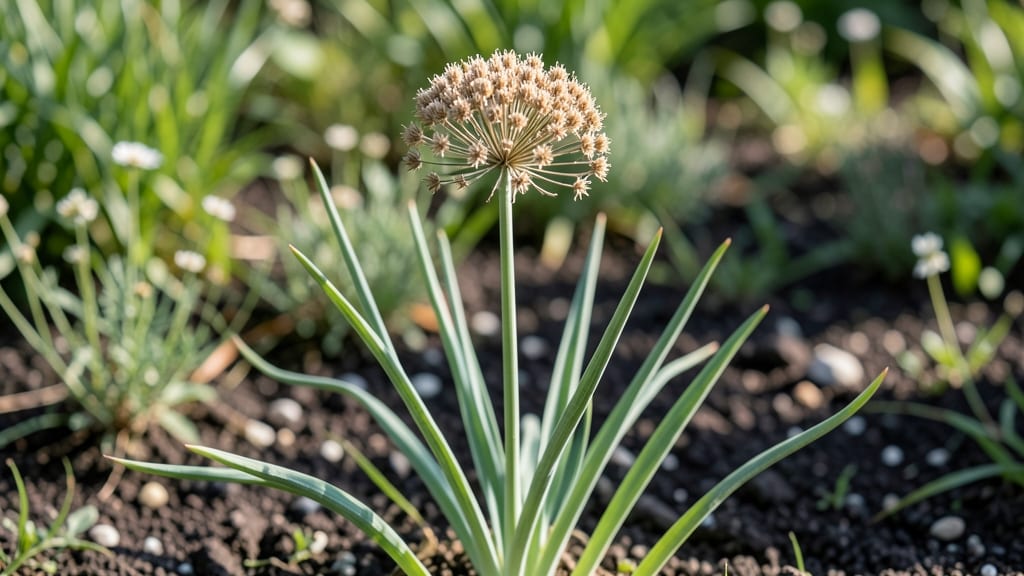
Those papery wild onion seed heads are nature’s way of telling you it’s time to harvest. 🌱 I’ve spent years watching them crack open after cold snaps, releasing seeds that scatter like tiny green promises across the lawn—somewhere between stubborn and magical.
The secret lies in timing: wait until the pods turn brown and brittle, then gently crush them to collect seeds. Store them in a cool, dry place until spring, and you’ll have a free, self-sustaining supply of wild onions that multiply effortlessly.
No fancy equipment needed—just patience and a light touch. What you’ll end up with is a patch of fragrant, edible greens that spread naturally, perfect for culinary use or letting your lawn look like a wildflower meadow. The best part?
These seeds stay viable for years, so you’re not just planting—you’re preserving a piece of your garden’s wild heritage. Works for ornamental borders, edible landscapes, or even pest control—just avoid over-collecting in protected areas to keep the ecosystem balanced.
📚 In This Guide
- What you need
- Instructions
- Tips and common mistakes
- Wrapping up and next steps
What you need
- ● Wild onion seed pods: 1–2 mature, dry seed heads (harvested from wild onions or purchased from a seed supplier). Tip: Ensure pods are fully brown and dry for best results!
- ● Growing containers: Small pots (4–6 inches deep) – 2–4 containers
- ● OR a seed tray with drainage holes
- ● Well-draining potting mix: 2–3 quarts (enough to fill your containers). Pro tip: Mix in perlite or sand for extra aeration!
- ● Watering can or spray bottle: With a fine mist nozzle for gentle hydration.
- ○ Gloves (optional): To protect your hands from mild irritation (wild onions can be pungent!).
- ● A sunny spot: 6+ hours of direct sunlight daily (wild onions thrive in full sun!).
- ● Cold stress (naturally or induced): Seed pods need a freeze-thaw cycle to crack open. If your climate doesn’t provide this, a fridge (35–40°F for 2–4 weeks) works!
- ● Patience: Germination can take 2–4 weeks—stay consistent with care!
- ● Seed-starting mat: To keep soil warm during germination.
- ● Plant labels: To track your wild onion seedlings.
- ● Organic fertilizer (balanced 10-10-10): A small amount when transplanting.
How to grow wild onion seed heads that crack open naturally
Cold-stressed pods are the secret to harvesting wild onion seeds—here's how to coax them open without forcing.
🌱 Step 1: Grow Healthy Wild Onion Plants to Maturity
Start with established wild onion plants (or transplants) in well-draining soil with full sun. I find they thrive in 6-8 hours of direct sunlight daily, though they tolerate partial shade. Space plants 6-8 inches apart to allow air circulation—this prevents fungal issues that weaken seed heads later.
Water deeply once a week, letting the soil dry slightly between waterings. Overwatering causes bulb rot, which kills the plant before it can set seed. You'll know they're ready for seed production when the leaves turn yellow and die back naturally in late summer. Don't pull them yet—this signals the plant to focus on seed development.
☀️ Step 2: Apply Cold Stress to Trigger Seed Pod Formation
When the foliage yellows but hasn't fully died, move pots (or mark garden spots) to a protected area where temperatures drop to 35-45°F at night for 3-4 weeks. I use a cold frame with partial shade cloth during the day to prevent scorching. This cold treatment mimics their natural alpine habitat and forces the plant to shift energy from bulbs to seed production.
Watch for small green seed pods emerging at the base of the dead leaves. These pods start tiny—about 1/8 inch long—but will swell as they mature. If your climate doesn't naturally drop this low, place plants in a refrigerator's crisper drawer overnight for 2-3 nights weekly until pods form.
⏰ Step 3: Harvest Mature Pods Before They Crack Open
Wait until pods turn from green to tan and feel papery to the touch—this usually takes 4-6 weeks after cold treatment. I harvest on a dry morning when humidity is low to prevent mold. Gently twist each pod at the base; it should release easily when fully mature. If pods resist, they're not ready yet.
Spread harvested pods on a screen or paper towel in a single layer to dry completely. Place them in a warm, dry spot (70-75°F) out of direct sunlight for 1-2 weeks. Stir them daily to prevent clumping. You'll hear a faint popping sound as the pods begin to crack open naturally—this is your cue they're ready for seed collection.
🌿 Step 4: Collect Seeds and Store for Next Season
When pods crack open, gently tap them over a clean white bowl to catch the tiny black seeds. I find it helps to place the bowl on a dark surface—seeds stand out clearly against the contrast. Sift through the debris to remove chaff, then store seeds in a paper envelope in a cool, dark place (40-50°F) for up to 2 years.
For best results, plant seeds immediately after collection. Scatter them on prepared soil and barely cover with 1/8 inch of soil. Wild onion seeds germinate best in cool conditions (50-60°F) and may take 2-4 weeks to sprout. Keep the soil consistently moist but not soggy during this period—this is when most seedlings fail due to overwatering.
Tips & tricks for growing wild onion seed heads
Mastering this natural seed-opening technique takes patience—but these tricks will help you avoid common pitfalls and maximize your harvest.
Sunlight Strategy: Wild onions need that 6-8 hours of direct sunlight daily to thrive, but don't let them bake in midday heat. I've found the best approach is to plant them where they get morning sun and afternoon shade—this prevents stress that could weaken seed production. If you're in a hot climate, use shade cloth during peak hours (11 AM-3 PM) while still ensuring full sun exposure overall.
Cold Stress Hack: The 3-4 weeks at 35-45°F is non-negotiable, but timing matters. Start this cold treatment when you see just a hint of yellowing—not when leaves are completely brown. I've ruined batches by waiting too long; the plant needs to be in that "almost dead but not quite" stage. For refrigerator treatment, place plants in a plastic bag with a few ventilation holes to maintain humidity while they chill.
Harvesting Cues: Those 4-6 weeks after cold treatment can feel like forever, but pay attention to the subtle changes. Mature pods should feel dry and papery—almost like crumpled tissue paper. If you're unsure, do the twist test: a mature pod will separate cleanly at the base. I keep a small notebook to track when I first see pods emerge, which helps me predict the harvest window more accurately.
Drying Secret: When drying pods at 70-75°F, place them on a screen over a tray to catch any seeds that might prematurely release. The 1-2 weeks drying time is critical—don't rush it! I've found that stirring pods daily actually helps speed up the process by preventing moisture buildup between them. Listen for that faint popping sound; it's your signal that nature's doing its work.
Pro Tips for Wild Onion Seed Head
- Mastering this natural seed-opening technique takes patience—but these tricks will help you avoid common pitfalls and maximize your harvest.
- Sunlight Strategy: Wild onions need that 6-8 hours of direct sunlight daily to thrive, but don't let them bake in midday heat.
- Cold Stress Hack: The 3-4 weeks at 35-45°F is non-negotiable, but timing matters.
Frequently asked questions
Got questions about wild onion seed heads? You’re not alone—growing and harvesting them can feel like a puzzle at first. Here are some of the most common queries (and answers!) to help you navigate the process like a pro.
When do wild onion seed heads actually split open?
Wild onion seed pods typically crack open in late spring to early summer, usually after a cold snap or freeze. The pods dry out and split when temperatures warm up again—often between 50°F and 70°F. If they’re still closed, wait a few more weeks or give them a gentle shake to encourage release. Patience pays off!
Why aren’t my seed heads cracking open?
If your pods stay stubbornly closed, it’s likely due to moisture or warmth. Wild onions need a dry spell to mature. Try moving them to a sheltered, sunny spot or even bringing them indoors for a few days to dry out. A light frost can also trigger the process—just don’t overwater them before harvest time!
Can I harvest seeds from wild onions before the pods split?
Technically yes, but it’s tricky! If you’re in a hurry, you can carefully snip open the pods with scissors and collect the seeds by hand. However, the seeds won’t be as viable as those released naturally. For the best results, wait for the pods to split on their own—it’s worth the wait for stronger germination.
What can I do with wild onion seed heads if I don’t want to grow more?
Don’t toss those seed heads! Use them in homemade remedies (like onion water for pest control), add them to wildflower bouquets, or compost them for nutrient-rich soil. They’re also a great wildlife attractor—birds and bees love the seeds! Just avoid eating them raw (they can be bitter or cause stomach upset).
Are wild onion seeds the same as store-bought onion seeds?
Not quite! Wild onion seeds (from plants like Allium vineale) are perennial, meaning they’ll regrow year after year, while most store-bought varieties are annual. Wild seeds also tend to be hardier and better adapted to local conditions—but they might not produce as large or uniform bulbs as cultivated onions.
Wrapping up and next steps
Growing wild onion seed heads is a rewarding journey that combines patience with nature’s resilience—especially when dealing with those cold-stressed pods that crack open just in time! 🌱 Whether you’re a beginner or a seasoned gardener, understanding their quirks (like waiting for frost or hand-pollinating) makes all the difference.
The key takeaway? Trust the process: these hardy plants thrive with minimal fuss, and their self-seeding magic ensures future harvests.
Now that you’re armed with tips, take the next step! Start small—plant a few seed heads in a sunny patch of your lawn or garden this fall.
Watch them pop open after winter, and soon you’ll be sharing fresh wild onions (or even saving seeds) with neighbors. Happy growing! 🌿✨