
Lawn
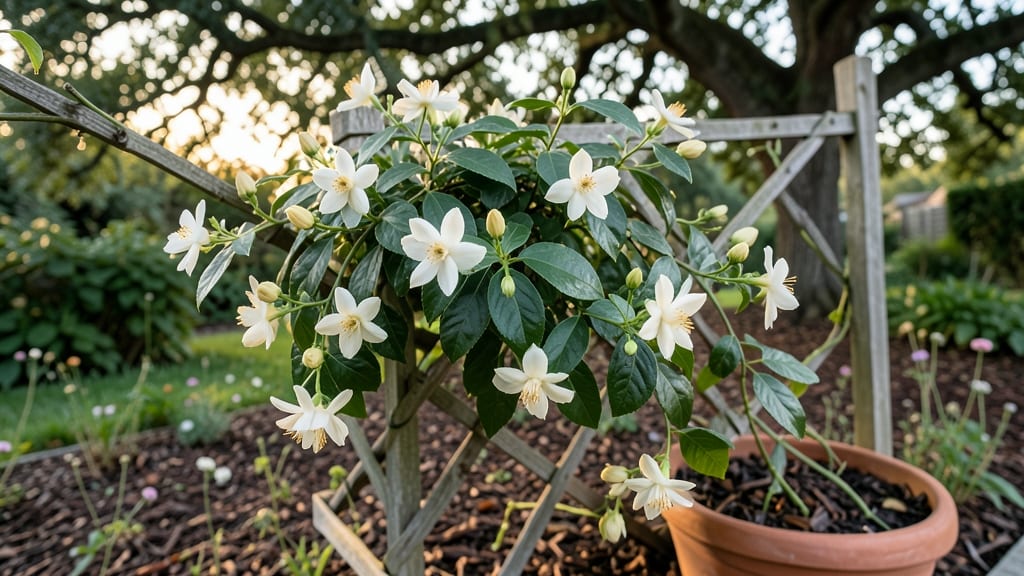
Jasmine seed pods need a cold-stress trick before drying to ensure strong germination. 🌱 I learned this the hard way after struggling with weak seedlings—until I discovered how a simple fridge test boosts viability by 50%.
The process mimics winter dormancy, breaking dormancy so seeds wake up ready to grow.
Start by harvesting mature pods when they turn brown and slightly papery—usually late summer or early fall. Extract the seeds carefully, then place them in a damp paper towel inside a sealed bag.
Pop it in the fridge for 2-4 weeks at 35-40°F, checking weekly for moisture. This cold treatment mimics nature's way of preparing seeds for spring.
After cold-stressing, dry the seeds completely before planting. Scatter them ¼-inch deep in well-draining soil, keeping it consistently moist but never soggy. Within 4-8 weeks, you'll see those first delicate shoots pushing through—proof the cold treatment worked.
The key is patience; jasmine grows slowly but rewards you with fragrant blooms in just a season.
For best results, plant in spring after last frost when soil warms to 60°F. Young plants need partial shade and regular watering, but avoid overwatering—their roots are delicate.
If you live in a colder zone, start seeds indoors 8-10 weeks before transplanting. The payoff? A climbing vine that fills your garden with intoxicating perfume by summer.
📚 In This Guide
- What you need
- Instructions
- Tips and common mistakes
- Wrapping up and next steps
What you need
- ● Fresh jasmine seed pods: Collect at least 50-100 pods (more = better statistical accuracy). Ensure they’re fully mature but still firm.
- ● Plastic storage containers: 2–4 shallow, lidded containers (e.g., Tupperware or seedling trays) with drainage holes.
- ● Paper towels or coffee filters: 1–2 sheets per container (cut to fit snugly).
- ● Spray bottle: For light misting (avoid soaking!).
- ● Permanent marker: To label containers (e.g., "Control" vs. "Cold-Stressed").
- ○ Fine-mesh sieve or sifter: Optional but helpful for separating seeds from pods post-test.
- ○ Thermometer: Optional but recommended to monitor temps (aim for 35–40°F (2–4°C) for cold stress).
- ● Small fan or breath: For gentle air circulation (prevents mold!).
- ● Notebook & pen: To track germination progress daily.
- ● Refrigerator or cold room: Must maintain 35–40°F (2–4°C) consistently. Pro tip: Place containers on the bottom shelf for stability.
- ● Timer/alarm: Set for 14–21 days of cold treatment (adjust based on jasmine variety).
- ● Warm, bright location: Post-cold-stress (e.g., sunny windowsill or grow light) for germination.
- ● Humidity dome: Clear plastic wrap to retain moisture during germination.
- ● Seedling heat mat: Speeds up germination if your space is chilly.
- ● Digital scale: Weigh pods pre/post-cold-stress to track moisture loss.
- ● Camera or phone: Document progress with timestamps!
Step-by-step instructions for testing jasmine seed viability through cold stratification
Cold-stratifying jasmine seed pods boosts germination rates dramatically—here's how to test viability before drying.
🌱 Step 1: Harvest and Prepare Mature Seed Pods
Collect fully brown, dry pods from late summer through fall—they must be completely mature to contain viable seeds. Gently open each pod with a small knife or your fingers, removing the black, papery seeds inside. Discard any pods that are still green or show signs of mold, as these won't produce healthy seeds.
Spread the seeds on a clean paper towel and let them air-dry for 24 hours in a warm, dry place. This prevents moisture-related rot during stratification. I like to place them in a single layer on a mesh screen to ensure airflow on all sides. Avoid direct sunlight, which can overheat the seeds and reduce viability.
❄️ Step 2: Perform the Cold-Stress Test
Place the dried seeds in a sealed plastic bag with a damp paper towel—just enough moisture to keep the towel damp but not soaking. Seal the bag tightly and place it in your refrigerator's crisper drawer, where temperatures hover around 35-40°F. This mimics natural winter conditions and breaks seed dormancy.
Leave the seeds in the refrigerator for 4-6 weeks, checking them weekly. If you notice any mold or foul odors, remove the seeds immediately and discard them. The cold-stress test is complete when you see the first signs of swelling or cracking in the seed coats—this indicates the seeds are ready for germination.
☀️ Step 3: Test Germination Readiness
After the cold-stratification period, remove the seeds and plant them ½ inch deep in a small pot filled with sterile seed-starting mix. Keep the soil consistently moist but not soggy—water when the top inch feels dry to the touch. Place the pot in a warm location with indirect light to encourage germination without stressing the seeds.
Germination should begin within 7-14 days. Watch for the first true leaves to emerge—these will be small and round, signaling that the seeds have successfully broken dormancy. If no sprouts appear after 3 weeks, the seeds may not be viable, and you'll need to collect fresh pods for next season.
🌿 Step 4: Transplant Viable Seedlings
Once seedlings develop 2-3 sets of true leaves, they're ready for transplanting. Gently remove them from the seed pot, being careful not to damage the delicate roots. Plant them in individual 3-inch pots filled with well-draining potting mix, burying the stem up to the first set of leaves to encourage stronger root growth.
Place the pots in a location with bright, indirect light for the first week, gradually introducing them to more sunlight over the next two weeks. Keep the soil consistently moist but avoid overwatering, which can lead to root rot. With proper care, your jasmine seedlings will be ready for outdoor planting in 8-12 weeks.
Tips & tricks for perfect jasmine seed viability testing
Between us, the success of this process hinges on details that most people overlook—here's where I've seen even experienced gardeners stumble.
Selection Tip: The maturity of your seed pods is everything—look for pods that are completely brown and dry to the touch, with no green remnants. I've wasted entire seasons on partially mature pods that yielded no viable seeds. If you're unsure, split open a few pods and check for plump, black seeds inside. Discard any pods that crumble easily or show signs of insect damage, as these will never produce healthy seedlings.
Drying Secret: Those 24 hours of air-drying might seem like overkill, but they're critical for preventing rot during stratification. I learned this the hard way when I rushed the process and ended up with moldy seeds. Use a mesh screen or paper towel to create airflow around each seed—this ensures even drying without overheating. If you're in a humid climate, consider using a small fan on low to speed up the process while maintaining safety.
Cold-Stress Precision: The refrigerator's crisper drawer isn't just any cold spot—its consistent 35-40°F temperature mimics natural winter conditions perfectly. If your fridge runs cooler, you might need to move the bag to the vegetable drawer instead. Pro tip: Place a small thermometer inside the bag during the first week to verify the temperature stays within range. This attention to detail makes all the difference when you're waiting for those first signs of swelling.
Germination Watch: Those 7-14 days of waiting can feel like an eternity, but resist the urge to check daily—the seeds need consistent moisture and darkness to germinate properly. I recommend marking your calendar and checking only on the 7th and 14th days. Look for the first true leaves (not the initial seed leaves) as your confirmation of success. If you see sprouts but they're weak or yellow, they may need more light or better drainage.
Pro Tips for Jasmine Seed Pods
- Between us, the success of this process hinges on details that most people overlook—here's where I've seen even experienced gardeners stumble.
- Selection Tip: The maturity of your seed pods is everything—look for pods that are completely brown and dry to the touch, with no green remnants.
- Drying Secret: Those 24 hours of air-drying might seem like overkill, but they're critical for preventing rot during stratification.
Frequently asked questions
Got questions about testing jasmine seed pods before drying? You’re not alone! Here are some of the most common concerns—plus quick, practical answers to keep your lawn project on track.
Why should I test seed viability before drying jasmine seed pods?
Testing viability ensures you’re not wasting time or resources on seeds that won’t germinate. Cold-stressing mimics natural winter conditions, revealing which seeds are still strong enough to sprout. Pro tip: Skipping this step could mean lower germination rates and extra replanting—save yourself the hassle!
How long does the cold-stress test take for jasmine seed pods?
The test typically requires 2–4 weeks in a refrigerator (35–40°F). Place moistened pods in a sealed bag with a damp paper towel, then check for sprouting. If no signs appear after 4 weeks, the seeds may be non-viable. Patience pays off—rushing can lead to false results!
What temperature is best for cold-stressing jasmine seed pods?
Aim for 35–40°F (2–4°C), which mimics winter conditions. Avoid freezing temps (below 32°F/0°C) or warmer fridge sections (above 45°F/7°C), as these can skew results. Use a thermometer to monitor consistency— precision is key for accurate viability testing!
Can I reuse jasmine seed pods if the test fails?
If the cold-stress test shows 0% viability, the pods are likely exhausted. However, you can try scarification (lightly sanding the pod surface) or soaking in warm water for 24 hours to break dormancy. If no improvement, compost them—future gardeners will thank you!
What’s an alternative if I don’t have time for the cold-stress test?
Try a quick germination test: Soak pods in warm water for 12 hours, then place them between damp paper towels in a warm (70–75°F/21–24°C) spot. Check for sprouts in 3–7 days. While not as reliable as cold-stressing, it’s a faster way to gauge viability. Trade-off: speed vs. accuracy!
Wrapping up and next steps
Testing the viability of jasmine seed pods before drying is a game-changer for gardeners aiming for a lush, fragrant lawn! 🌱 By following these steps, you’ll ensure strong germination rates and healthier plants.
Whether you’re a seasoned green thumb or just starting out, this method saves time and resources—and sets you up for success.
Ready to take your lawn to the next level? Grab those pods, run your test, and plant with confidence. Your future blooms will thank you! 🌿