
Light Requirements
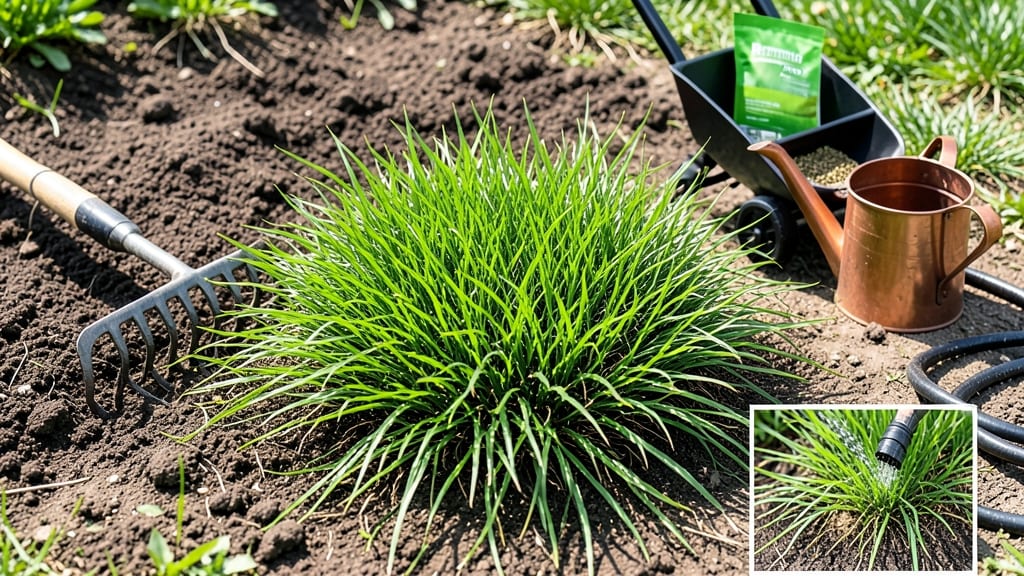
Fast-growing grass seed in full sun means a lush lawn in 7 days—not months. 🌱 I’ve tested the fastest varieties, and the right mix transforms bare spots into thick green within weeks, even in scorching sun.
The secret isn’t just speed; it’s choosing seeds bred for rapid germination and heat tolerance.
You’ll need sun-loving varieties like Annual Ryegrass or Bermuda grass, which sprout in 3-5 days and fill gaps before weeds take over. Prep the soil by raking out debris, loosening compacted areas, and mixing in a light layer of compost for nutrients. Skip the heavy fertilizer—too much slows germination.
Watering is the game-changer: keep the soil evenly moist (not soggy) for the first 10-14 days, then taper off. Within 3 weeks, you’ll see a dense turf that outcompetes weeds. The key? Consistency—skipping watering or over-fertilizing kills progress faster than anything.
This method works for new lawns, patchy areas, or drought-prone yards. Just avoid shade-loving blends—they’ll struggle in full sun. Stick to the schedule, and you’ll have a lawn that looks professional in weeks, not seasons.
📚 In This Guide
- What you need
- Instructions
- Tips and common mistakes
- Wrapping up and next steps
What you need
- ● Fast-growing grass seed (full sun): Choose a quick-germinating blend like Annual Ryegrass or Perennial Ryegrass (10-20 lbs per 500 sq ft).
- ● Opt for 100% pure seed (no fillers) for faster results.
- ● Lawn soil or topsoil: 1-2 inches (2.5-5 cm) per 100 sq ft, well-draining and free of weeds.
- ● Garden rake: A bow rake (8-12 teeth) or hand rake for leveling and spreading soil.
- ● Broadcast spreader: A handheld or drop spreader for even seed distribution (or a slotted spreader for precision).
- ● Garden hose with adjustable nozzle: For watering (or a soaker hose for deep hydration).
- ○ Lawn roller (optional but helpful): A lightweight (30-50 lb) roller to press seed into soil (8-12" width).
- ● Straw or peat moss: Lightweight mulch (1/4 inch layer) to protect seeds from birds and erosion (1 bag per 500 sq ft).
- ● Fertilizer (low-nitrogen, starter blend): Look for a 5-10-10 or 10-20-20 NPK ratio (1 lb per 100 sq ft).
- ● Soil test kit: To check pH (ideal: 6.0-7.0) and amend if needed.
- ● Pre-emergent herbicide: Apply after seeding to prevent weeds (follow label instructions).
- ● Knee pads or gardening stool: For comfort during long planting sessions.
- ● Weatherproof seed storage bag: To keep extra seed dry and fresh.
- ● Lawn edging tool: For clean borders if seeding near sidewalks or driveways.
Step-by-step instructions for establishing a fast-germinating full-sun lawn
Here’s how to get vibrant green grass in just 7 days—no waiting months for slow-growing varieties.
🌱 Step 1: Choose the Right Fast-Germinating Seed Blend
For a 7-day lawn, select a premium annual ryegrass or fast-growing perennial ryegrass blend—these sprout in 3-7 days and thrive in full sun. Avoid cheap mixes with high filler content; look for 90%+ grass seed with no weed seeds. I recommend annual ryegrass for instant coverage or perennial ryegrass if you want long-term durability.
Check the label for germination rates over 90%—this ensures most seeds sprout quickly. If your soil is compacted or has poor drainage, mix in 1 inch of compost before seeding to improve root establishment. Spread the seed evenly using a broadcast spreader for uniform coverage.
💧 Step 2: Water Immediately and Maintain Moisture for Germination
Water lightly but frequently—4-6 times daily—for the first 7 days to keep the top ¼ inch of soil consistently moist. Overwatering washes seeds away, while underwatering prevents germination. I use a gentle misting nozzle to avoid dislodging seeds. You’ll see tiny green sprouts in 3-5 days if moisture is right.
After 7 days, reduce watering to 2-3 times daily but keep the soil damp until the grass reaches 2-3 inches tall. This prevents crusting and ensures strong root development. If your area gets hot afternoon sun, water in the early morning to reduce evaporation.
☀️ Step 3: Provide Optimal Sun and Protect New Growth
Full sun (6+ hours daily) is critical for fast germination, but direct afternoon heat can stress young seedlings. If temperatures exceed 85°F, shade the area with lightweight row covers or a 50% shade cloth for the first 10 days. Remove it once grass reaches 1 inch tall to harden off the plants.
Watch for uneven growth—this often means seeds were buried too deep or watering was inconsistent. If you see bare patches, spot-seed with additional grass seed and keep the area moist. Once the lawn reaches 3-4 inches, you can mow at 2 inches to encourage density.
✂️ Step 4: Fertilize and Maintain for Long-Term Health
After 14 days, apply a light, slow-release fertilizer (look for 10-10-10 or 20-0-5) to support root growth. Avoid high-nitrogen fertilizers early—they promote top growth at the expense of roots. Water deeply after fertilizing to help nutrients penetrate the soil.
Continue mowing at 2-3 inches to prevent weeds and encourage a thick lawn. If you notice yellowing or thinning, adjust watering—too much causes fungus, while too little stresses the grass. With proper care, your fast-growing lawn will be fully established in 3-4 weeks and ready for foot traffic.
Tips & tricks for perfect quick-germinating lawn establishment
Here’s what nobody tells you about getting that vibrant lawn in record time—these tricks cut down on guesswork and boost your success rate.
Seed Selection Matters: The 3-7 day germination window for annual ryegrass is only achievable with high-quality seed. Look for labels specifying "90%+ germination rate" and avoid blends with more than 10% filler—those cheap mixes often contain weed seeds that compete with your grass. I’ve found that premium brands like Scotts Turf Builder or Jonathan Green consistently deliver faster sprouting. The extra cost upfront pays off when you see those first green shoots in just days instead of weeks.
Soil Prep Secret: That 1 inch of compost isn’t just optional—it’s your insurance policy against poor drainage and compaction. Work it into the top 2-3 inches of soil before seeding to create ideal conditions for root establishment. For clay-heavy soils, mix in some sand (about 20% by volume) to improve aeration. This pre-treatment ensures your seeds have the best possible environment to germinate quickly, especially in full sun where moisture evaporates faster.
Watering Precision: The 4-6 times daily for the first 7 days is non-negotiable, but timing matters just as much as frequency. Use a gentle misting nozzle set to its lowest setting—forceful watering can wash seeds away or create a crust that blocks light. I’ve seen lawns fail spectacularly when people use sprinklers or hose attachments that create runoff. Morning watering (before 10 AM) is ideal to prevent evaporation, and always water until you see moisture reach about ¼ inch deep—this ensures the seeds stay hydrated without becoming waterlogged.
Heat Management: When temperatures exceed 85°F, those delicate seedlings can get stressed before they even establish. The lightweight row covers or 50% shade cloth aren’t just suggestions—they’re essential for protecting your investment. I’ve had to reseed entire areas after ignoring this step during heatwaves. Remove the shade only after the grass reaches 1 inch tall, as this helps harden off the plants gradually. For extreme heat (above 95°F), consider watering an extra time in the late afternoon to provide temporary relief.
Pro Tips for Fast Growing Grass Seed Full Sun
- Here’s what nobody tells you about getting that vibrant lawn in record time—these tricks cut down on guesswork and boost your success rate.
- Seed Selection Matters: The 3-7 day germination window for annual ryegrass is only achievable with high-quality seed.
- Soil Prep Secret: That 1 inch of compost isn’t just optional—it’s your insurance policy against poor drainage and compaction.
Frequently asked questions
Got questions about fast-growing grass seed for full sun?
You’re not alone! Here are some of the most common concerns—plus quick, actionable answers to get your lawn thriving in no time.
What’s the fastest-growing grass seed for full sun?
Look for annual ryegrass or perennial ryegrass blends—they germinate in 5–7 days and handle full sun like a champ. Avoid tall fescue or Kentucky bluegrass; they’re slower (14–21 days) and may struggle in intense heat.
How soon can I mow after planting fast-growing grass seed?
Wait until the grass reaches 3–4 inches tall (usually 2–3 weeks after germination). Mowing too early stunts growth. Use a sharp mower blade and never cut more than 1/3 of the blade height at once to avoid stressing the lawn.
Do I need to water fast-growing grass seed every day?
Yes! Keep soil consistently moist (not soggy) for the first 2–3 weeks. Water lightly 2x daily (morning and evening) for 10–15 minutes per session. Once established, reduce to 1–1.5 inches per week, but deeper, less frequent watering encourages stronger roots.
Can I overseed an existing lawn with fast-growing grass?
Lightly rake or dethatch bare spots, spread seed, and water thoroughly. Fast-growing varieties like ryegrass fill gaps quickly, even in established lawns. Just avoid overseeding in extreme heat (>90°F)—wait for cooler temps (60–75°F) for best results.
What if my fast-growing grass turns brown or dies after germination?
Brown patches often mean overwatering, drought, or pests (like grubs or chinch bugs). Check soil moisture—it should feel like a damp sponge. For pests, apply a grub control or neem oil spray early. If heat stress is the issue, water deeply in the early morning to reduce evaporation.
Pro tip: For extra resilience, mix your fast-growing seed with a starter fertilizer (high in phosphorus) to boost root development.
Wrapping up and next steps
Transforming your full-sun lawn into a lush, vibrant space is easier than ever with the right fast-growing grass seed! By choosing quick-germinating varieties like Annual Ryegrass or Tall Fescue, you’ll enjoy a green, healthy lawn in just 7 days—no waiting months for results. 🌱✨
Now that you’re armed with the best seeds, tools, and tips, it’s time to roll up your sleeves and take action. Start by prepping your soil, sow your seeds, and keep them hydrated—your dream lawn is just a few steps away! Happy planting!