
Lawn
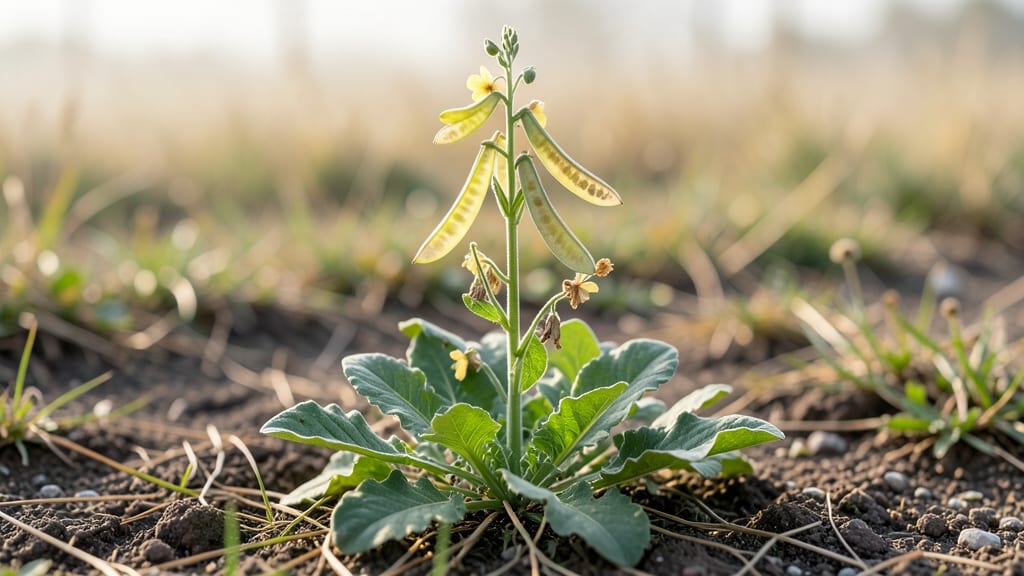
Wild mustard seed pods are nature’s cold-resistant lawn seed bombs. 🌿 I’ve watched them pop up through snow, then burst into vibrant green—proof they’re tougher than most lawn grasses.
These hardy volunteers (Brassica spp.) thrive in poor soil and harsh winters, making them a gardener’s secret weapon for quick ground cover or wild edible patches.
The pods are easy to spot: triangular, papery shells that rattle when mature. Harvest them in late summer when they’ve turned brown but haven’t split open. Store seeds in a dry paper bag until spring—just like saving heirloom tomato seeds, but with zero fuss.
One ounce of these seeds covers 100 square feet, and they germinate faster than most lawn seed mixes.
What you’ll get is a self-sustaining ground cover that blooms bright yellow, attracts pollinators, and even edible greens. The trade-off? They’re invasive in some regions—check your state’s noxious weed list before scattering. In the right spot, though, they’re the ultimate low-maintenance green carpet.
Perfect for restoring eroded areas, filling gaps in lawns, or growing a wild edible patch. Here’s how to work with them without turning your yard into a mustard jungle—plus, when to let them take over intentionally.
📚 In This Guide
- What you need
- Instructions
- Tips and common mistakes
- Wrapping up and next steps
What you need
- ● Wild mustard seeds: 5–10 lbs (2.3–4.5 kg) per 1,000 sq ft (for dense coverage). Choose cold-hardy varieties like Brassica juncea or Sinapis arvensis.
- ● Lawn soil: Well-draining, slightly acidic to neutral (pH 6.0–7.0). Test soil before planting—amend with compost or sand if needed.
- ● Organic fertilizer: Low-nitrogen blend (e.g., 5-5-5) to support seedling growth. Apply 1 lb per 100 sq ft.
- ○ Broadcast spreader: For even seed distribution (manual or electric). Optional but highly recommended!
- ● Rake: Fine-toothed (¼"–½" spacing) to lightly cover seeds with soil (¼" depth max).
- ● Watering system: Sprinkler or hose with a fine-mist nozzle for gentle watering.
- ○ Garden gloves: To protect hands from prickly seed pods (optional but handy!).
- ● Sunlight: Full sun (6+ hours daily). Wild mustard thrives in open, sunny lawns.
- ● Weather window: Plant seeds in early spring or late summer for best germination (45–60°F soil temp).
- ● Water source: Consistent access for 10–14 days post-planting (keep soil moist but not soggy).
Step-by-Step guide to growing wild mustard from seed pods
Here’s how I establish hardy wild mustard stands—fast-growing, cold-tolerant, and perfect for natural lawns.
🌱 Step 1: Collect and Prepare Seed Pods
Harvest mature seed pods from healthy wild mustard plants in late summer or early fall when they’ve turned brown and dry but haven’t yet released seeds. I collect them by gently twisting pods from the stems and storing them in a paper bag for 2-3 days to fully dry. Avoid damp pods—they mold quickly.
Once dry, crush the pods lightly with your fingers or a rolling pin to release seeds. Spread them on a clean towel and let them air-dry for another day. This ensures maximum germination when you’re ready to sow. Store any extra seeds in a sealed container in a cool, dark place—they’ll stay viable for up to 3 years.
💧 Step 2: Choose the Right Planting Time and Location
Wild mustard thrives in cool weather, so I plant seeds in early spring or late summer for fall establishment. Pick a sunny spot with well-draining soil—wild mustard hates soggy roots. If your lawn has compacted soil, I aerate first to help roots penetrate easily.
For best results, scatter seeds after the last frost when soil temperatures reach 50-60°F. You’ll see seedlings emerge within 7-14 days, depending on moisture. If planting in fall, aim for 6-8 weeks before your first frost to allow roots to establish before winter.
☀️ Step 3: Sow Seeds and Maintain Moisture
Broadcast seeds evenly over the prepared area, using about 1/4 pound per 100 square feet. Lightly rake the soil to cover seeds with 1/8 inch of dirt—they need darkness to germinate but won’t tolerate deep planting. Press the soil gently to ensure good seed-to-soil contact.
Water immediately after sowing to settle the seeds, then keep the soil consistently moist but not waterlogged. Wild mustard seedlings are drought-sensitive at first. You’ll know moisture is right when the soil feels damp 1 inch down—use a finger to check daily. Avoid overhead watering once seedlings appear to prevent fungal diseases.
🌿 Step 4: Thin and Encourage Full Coverage
When seedlings reach 2-3 inches tall, thin them to 6-8 inches apart to prevent competition. I use small scissors to snip unwanted plants at soil level—this gives remaining seedlings more space to grow. Wild mustard spreads quickly, so thinning ensures a dense, uniform stand.
Once established, wild mustard is low-maintenance. Fertilize lightly in early spring with a balanced 10-10-10 if your soil is poor, but avoid heavy feeding—it encourages leafy growth over seed production. Mow when plants reach 6-8 inches to keep the lawn tidy while allowing regrowth.
⏰ Step 5: Overwinter and Prepare for Next Season
Wild mustard is cold-hardy and will survive winter in most climates. In late fall, give the lawn one last light mowing to remove dead foliage and reduce disease risk. The plants will regrow in spring, often faster than grass in early season.
To maintain a thick stand, overseed bare spots in early spring with fresh seed pods. I’ve found that wild mustard self-seeds readily, so you’ll likely have fewer gaps each year. If you notice yellowing leaves in summer, it’s often due to heat stress—water deeply once a week to keep roots cool.
Tips & tricks for growing wild mustard from seed pods
Here's what I learned after growing wild mustard for years—these tricks make all the difference for a thriving lawn.
Timing is Everything: The 2-3 day drying period for seed pods in Step 1 is critical—it prevents mold and ensures maximum germination. I've ruined batches by rushing this step, so don't skip it! Place your paper bag in a dry, well-ventilated spot away from direct sunlight. If you're in a humid climate, extend drying to 4 days to be safe. The extra patience pays off with stronger seedlings.
Soil Temperature Secret: Those soil temperatures of 50-60°F in Step 2 are non-negotiable for germination. Use a soil thermometer to verify—cool soil speeds up growth while warm soil can cause seeds to rot. I've had the best success planting in early spring when morning temperatures hover around 55°F. If your soil runs cold, consider using black plastic mulch to warm it up before planting.
Thinning Technique: When thinning seedlings to 6-8 inches apart in Step 4, I recommend doing it in two stages. First thin to 4 inches when they reach 1-2 inches tall, then again to 6-8 inches when they reach 2-3 inches. This gives your plants more time to establish before final spacing. Use sharp scissors to cut at soil level—pulling can disturb remaining plants.
Winter Prep Strategy: That final fall mowing in Step 5 might seem counterintuitive, but it's actually protective. Cutting back dead foliage prevents fungal growth over winter. I also recommend lightly raking the area to remove any remaining debris—this helps prevent pests from overwintering in your lawn. The plants will bounce back stronger in spring.
Pro Tips for Wild Mustard Seed Pods
- Here's what I learned after growing wild mustard for years—these tricks make all the difference for a thriving lawn.
- Timing is Everything: The 2-3 day drying period for seed pods in Step 1 is critical—it prevents mold and ensures maximum germination.
- Soil Temperature Secret: Those soil temperatures of 50-60°F in Step 2 are non-negotiable for germination.
Frequently asked questions
Got questions about wild mustard seed pods?
Here are some of the most common ones—and their answers—to help you grow a hardy lawn with confidence!
What’s the best time to harvest wild mustard seed pods?
Harvest pods when they’re dry and brown but before they split open—usually 2–3 weeks after flowering. Morning harvests work best, as dew keeps pods firm. Store them in a cool, dry place to preserve viability for up to 2 years.
Can wild mustard seed pods survive harsh winters?
Yes! Wild mustard (Sinapis arvensis) is cold-hardy (USDA Zones 3–10) and thrives in frost. However, young seedlings may need light mulch in extreme cold. Established plants bounce back year after year, making them ideal for low-maintenance lawns.
How do I prevent wild mustard from spreading too aggressively?
Thin seedlings early to 6–8 inches apart to reduce competition. For invasive control, harvest pods before they release seeds. If needed, spot-treat with vinegar (50/50 vinegar-water) or hand-pull young plants—avoid herbicides if you plan to eat the greens!
Are wild mustard seed pods edible, and how do I use them?
Crush dried pods for a pungent, peppery seasoning (like mustard powder). Young greens and flowers are also edible—sauté in butter or add raw to salads. Pro tip: Harvest greens before pods form for milder flavor.
What can I do if my wild mustard pods aren’t producing seeds?
Check for these fixes:
- Pollination: Hand-pollinate with a brush if bees are scarce.
- Water stress: Keep soil consistently moist but not soggy during flowering.
- Nutrients: Add compost or a low-nitrogen fertilizer (like 5-5-5) if foliage looks weak.
Wrapping up and next steps
Growing wild mustard seed pods is a rewarding way to establish a hardy, cold-resistant lawn with minimal effort! These resilient plants thrive in tough conditions, offering both beauty and practicality. Whether you're a seasoned gardener or just starting out, embrace the challenge—your lawn will thank you for it.
Ready to take the next step? Start small—plant a test patch this season and observe how your wild mustard thrives. Share your progress with fellow gardeners or explore local gardening communities for tips and inspiration. Happy planting! 🌱✨