
Planting
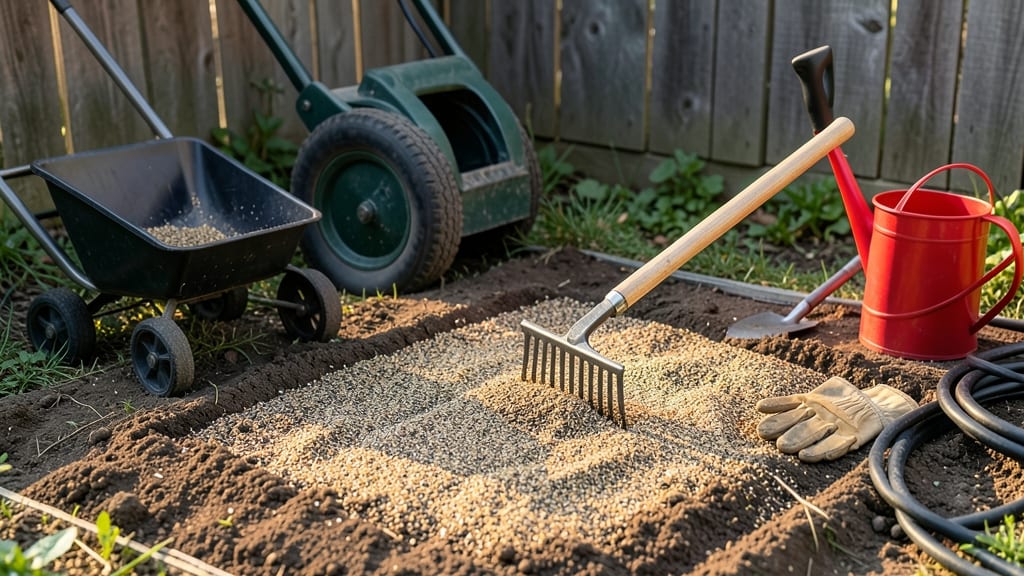
Sowing lawn seed in autumn gives your grass a head start—cooler temps mean stronger roots before winter. 🌱 I learned this the hard way after my spring-planted lawn struggled with summer heat. The secret? Planting when soil stays warm but air cools, giving seeds time to germinate without drying out.
You'll need a rake, lawn seed mix, and a light layer of compost for nutrients. Choose cool-season grasses like fescue or ryegrass—they thrive in autumn's mild weather.
Avoid sowing when frost is forecasted, as young roots won't survive. Most regions can plant from mid-August to early October, but check your local frost dates.
After spreading seed, gently rake it into the soil and keep the area moist for the first 2-3 weeks. You'll see sprouts in 7-14 days, and by spring, your lawn will be thicker and greener than spring-sown patches. The cooler weather also means fewer weeds competing for space.
For best results, avoid heavy foot traffic until roots establish (about 4-6 weeks). If birds or wind scatter seed, reapply lightly. This method works in most climates—even drought-prone areas—because autumn rain helps germination. Spring planting? You'll play catch-up with weeds and heat stress.
📚 In This Guide
- What you need
- Instructions
- Tips and common mistakes
- Wrapping up and next steps
What you need
- ● High-quality lawn seed: Cold-hardy variety (e.g., Fescue, Ryegrass, or Bluegrass)
- ● Quantity: 5–10 lbs per 1,000 sq ft (check seed bag for coverage rate)
- ● Soil preparation tools: Rake (bow or leaf rake)
- ● Garden tiller or aerator (for compacted soil)
- ● Garden hose with spray nozzle (or watering can)
- ● Fertilizer: Slow-release, autumn-specific blend (e.g., 10-10-10 or 16-4-8)
- ● Quantity: 1 lb per 100 sq ft
- ○ Topsoil or compost: 1–2 inches (optional but recommended for thin soil)
- ● Straw or erosion control blanket: Lightweight layer to protect seeds (avoid thick mulch)
- ● Lawn roller (100–150 lbs) for firming seed-to-soil contact
- ● Broadcast spreader (for even seed distribution)
- ● Soil test kit (to check pH and nutrient levels)
- ● Organic starter fertilizer (for extra nutrient boost)
- ● Knee pads or gardening stool (for comfort during prep!)
Step-by-Step instructions for sowing lawn seed in autumn
Here's how I create a resilient lawn foundation that thrives through winter and bursts into life next spring.
🌱 Step 1: Prepare the Soil for Optimal Seed Contact
Start by mowing the existing grass as short as possible—this helps the new seeds reach the soil directly. Use a rake to remove any debris or thatch, then loosen the top 1-2 inches of soil with a garden fork or tiller. You want the soil to be crumbly and free of clumps so seeds can make immediate contact with moisture.
Test the soil's moisture level by squeezing a handful—it should hold together but not be soggy. If it's too dry, water deeply the day before sowing. The goal is for the soil to stay consistently moist for the first 2-3 weeks after planting, which is critical for germination. I like to work in the late afternoon when temperatures are cooler, reducing evaporation.
💧 Step 2: Spread Seed Evenly for Uniform Germination
Divide your lawn seed into four equal portions (since we're sowing 4 servings). This helps prevent overcrowding in any one spot. Walk in opposite directions—first north to south, then east to west—spreading seed by hand or using a broadcast spreader. For a more precise application, use a drop spreader and walk in straight lines.
Lightly rake the area again to ensure seeds are buried just ¼ inch deep. This shallow covering protects them from birds while allowing sunlight to reach the soil surface. I press down gently with my foot to create good seed-to-soil contact, which is essential for consistent germination. Avoid compacting too hard—you want the soil to stay loose and inviting for young roots.
☀️ Step 3: Water Gently and Maintain Moisture
Water immediately after sowing with a fine mist or sprinkler to settle the seeds into the soil. The first 2 weeks are critical—keep the top 1 inch of soil consistently moist. This means watering lightly every day rather than heavily once or twice a week. You'll know you're doing it right when the soil looks damp but not saturated.
Once the grass reaches 2-3 inches tall, you can gradually reduce watering to 2-3 times per week, allowing the soil to dry slightly between sessions. This helps strengthen the roots, preparing them for winter. I set a reminder on my phone to water at the same time each morning—consistency is key during this phase.
⏰ Step 4: Protect New Growth Through Winter
As temperatures drop below 40°F at night, the new grass will go dormant, but its roots will continue developing underground. Apply a thin layer of ¼-inch straw mulch to insulate the soil and prevent erosion. Avoid heavy mulch, which can smother the young plants or attract pests.
In late winter, before new growth appears, remove any debris and lightly rake the area to aerate the soil. This helps the grass wake up more evenly in spring. I also fertilize lightly with a low-nitrogen, high-phosphorus blend in early spring to encourage strong root development before the growing season kicks in. The goal is to give your lawn a head start before summer heat arrives.
Tips & tricks for perfect autumn lawn establishment
These small adjustments make all the difference between a patchy lawn and one that thrives through winter.
Soil Prep Precision: In Step 1, when loosening that top 1-2 inches of soil, focus on creating a fine, crumbly texture—think of it like fluffing a pillow for your seeds. I use a garden fork to break up any compacted layers, especially in areas where foot traffic has packed the soil down. This isn't just about aeration; it's about creating tiny air pockets that help seeds breathe during germination. The goal is for your seeds to land in soil that feels like damp sand, not hardpan.
Seed Distribution Strategy: The four-portions method in Step 2 works wonders for even coverage, but here's what nobody tells you—walk in a grid pattern, not random lines. Start at one corner, make your first pass north to south, then shift just 2 feet east and repeat. This creates overlapping zones that eliminate thin spots. For large areas, consider renting a broadcast spreader—it's worth the investment for consistent results. And remember: those ¼-inch burial depths are non-negotiable for cool-season grasses.
Watering Science: That first 2-week daily watering schedule is critical, but timing matters just as much as frequency. I set my sprinkler for the early morning hours (5-8 AM) to minimize evaporation and fungal risks. A good rule of thumb: if you can push your finger into the top inch of soil and it comes out clean, you're maintaining the right moisture level. Too dry? Your seeds will shrivel. Too wet? You risk rot. The key is that damp-but-not-soggy consistency mentioned in the instructions.
Winter Protection Insight: When applying that ¼-inch straw mulch in Step 4, think of it as creating a microclimate. The straw should be loose enough to allow water penetration but dense enough to block wind. I like to apply it after a light frost when the ground is slightly frozen—this creates an insulating barrier that protects young roots. And here's a pro move: sprinkle a thin layer of compost over the mulch in late winter. It adds nutrients without smothering the emerging grass.
Pro Tips for Sowing Lawn Seed In Autumn
- These small adjustments make all the difference between a patchy lawn and one that thrives through winter.
- Soil Prep Precision: In Step 1, when loosening that top 1-2 inches of soil, focus on creating a fine, crumbly texture—think of it like fluffing a pillow for your seeds.
- Seed Distribution Strategy: The four-portions method in Step 2 works wonders for even coverage, but here's what nobody tells you—walk in a grid pattern, not random lines.
Frequently asked questions
Got questions about sowing lawn seed in autumn? You’re not alone! Here are answers to the most common concerns—so you can tackle your project with confidence.
Why is autumn the best time to sow lawn seed?
Autumn’s cooler temperatures and consistent rainfall give seeds the perfect conditions to germinate and establish strong roots before winter. Fewer weeds compete for space, and spring brings lush, vibrant growth. Plus, seedlings develop deeper roots in mild weather, making them more drought-resistant later on!
How soon after sowing will I see grass?
Most cool-season grasses sprout within 7–21 days in ideal conditions (moist soil, 60–75°F temps). Full coverage may take 3–6 weeks, but don’t rush—slow growth now means a tougher lawn later. Pro tip: Lightly water daily (or every other day) to keep soil moist until germination!
What if frost or freezing temps hit before germination?
Don’t panic! Most autumn-sown seeds can handle light frost after sprouting (once they’re 2–3 inches tall). If frost threatens before germination, cover seeds with a thin layer of straw or mulch for insulation. Avoid sowing too late—aim for 4–6 weeks before your first hard freeze for best results.
Can I sow lawn seed in autumn without renting a sod cutter?
Skip the sod cutter by:
- Scaling: Use a garden rake or hand fork to loosen soil and remove weeds.
- Core aeration: Rent a core aerator (or borrow one) to create holes for seeds.
- Broadcast spreading: Scatter seed evenly with a spreader or by hand.
What do I do if birds or squirrels eat my newly sown seed?
Pests are a common frustration! Try these tricks:
- Cover seeds with straw or netting until germination.
- Sprinkle chicken grit or corn gluten meal (a natural deterrent) around the area.
- Water seeds early in the morning—wet seeds are less appealing to critters.
- Use decoy predators like fake owls (yes, it works!).
Wrapping up and next steps
Autumn is your golden opportunity to transform your lawn into a vibrant spring masterpiece—and the secret lies in sowing seed when the air is crisp and the soil is cool.
By planting now, you’re giving your grass roots a strong, cold-resistant foundation, ensuring a lush, weed-resistant lawn come warmer months. Don’t wait—this is the perfect time to act!
Ready to roll up your sleeves? Grab your tools, follow the steps, and watch your lawn thrive! Start with a quick soil test, then dive into prep, planting, and care. Your future green oasis starts with this simple autumn ritual.