
Lawn
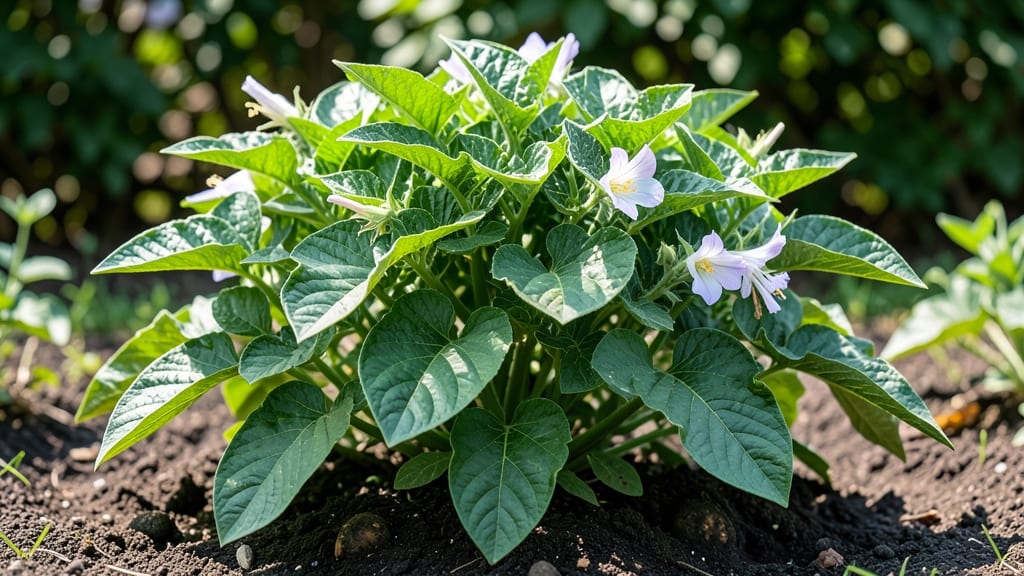
Growing Huckleberry Gold seed potatoes in cold climates feels like cheating the system—these hardy tubers thrive when others refuse to germinate. 🌱 I planted mine in early April when my neighbor’s usual varieties still sat in the basement, and by June, I was harvesting crisp, buttery potatoes while she was still waiting for her seeds to sprout.
Their secret? A natural cold resistance that lets them establish roots even in chilly soil.
The key is timing and patience: plant your seed potatoes when soil reaches 40°F, about 2-3 weeks before your last frost. Use well-draining soil mixed with compost, and bury them 4 inches deep, spacing rows 3 feet apart.
Unlike finicky varieties, Huckleberry Gold handles cooler temps better, making it perfect for northern gardens where early planting means bigger harvests. Just avoid soggy soil—they hate wet feet as much as any potato.
By harvest time, you’ll be digging up golden, waxy potatoes with a flavor that’s sweeter than most store-bought varieties. They’re also disease-resistant, so you’ll spend less time spraying and more time enjoying the harvest.
The first year, expect 3-5 pounds per plant—enough to share with neighbors who’ll be jealous of your early success.
Works in zones 2-6, even in short growing seasons. The trick is to start early and mulch heavily once plants reach 12 inches tall—this keeps soil cool and conserves moisture.
For next-level results, try succession planting in late summer for a fall harvest. Now, let’s get those potatoes in the ground!
📚 In This Guide
- What you need
- Instructions
- Tips and common mistakes
- Wrapping up and next steps
What you need
- ● Huckleberry Gold seed potatoes: 5–10 lbs (adjust based on garden size; ~1–2 lbs per 100 sq ft). Choose certified disease-free tubers for best results.
- ● Garden space: Well-draining soil in a sunny spot (6+ hours of sunlight daily). Raised beds or containers (12"+ deep) work great for colder climates.
- ● Compost or aged manure: 2–3 gallons per 100 sq ft to enrich soil with nitrogen and organic matter.
- ○ Balanced fertilizer (10-10-10 or similar): 1–2 lbs per 100 sq ft (optional but recommended for faster growth).
- ● Mulch (straw, grass clippings, or leaves): Enough to cover planted rows 2–3 inches deep to retain moisture and insulate roots.
- ● Garden tools: Trowel or hand fork
- ● Garden fork or spade
- ● Hoe (for weeding)
- ● Potato planter or dibber: Helps create deep planting holes (4–6" deep) for tubers.
- ● Row covers or frost cloth: Essential for early planting in cold zones (Zone 3–5) to protect sprouts from late frosts.
- ● Drip irrigation or watering can: Consistent moisture is key—aim for 1–2 inches of water per week.
- ● Potato harvesting tool: A small fork or hands (for gentle digging) to avoid damaging tubers.
- ● Garden journal: Track planting dates, soil conditions, and growth progress for future reference!
Step-by-step guide to planting Huckleberry Gold seed potatoes
This cold-hardy variety thrives in northern climates—here’s how to get the most from your seed potatoes.
🌱 Step 1: Chit Your Seed Potatoes Before Planting
Place your seed potatoes in a cool, bright spot (50-55°F) for 4-6 weeks before planting. This encourages sprouting (called "chitting") and gives you a head start. I use a sunny windowsill or under grow lights—just keep them out of direct sunlight until sprouts are ½ inch long.
Check weekly for rot: discard any potatoes that feel soft or mushy. Good sprouts should be firm with small white roots forming at the base. This step ensures stronger, earlier plants—especially critical in short northern seasons.
🪴 Step 2: Prepare the Planting Site Early
Huckleberry Golds need well-draining soil and benefit from early planting (as soon as soil reaches 40°F). Work in 2-3 inches of compost or aged manure to enrich the soil. I avoid fresh manure—it can burn tender tubers and attract pests.
Dig trenches 12 inches deep and space them 3 feet apart for proper airflow. If your soil is heavy clay, mix in sand or perlite to prevent waterlogging. The key here is loose, fertile soil—these potatoes grow best when roots can spread freely.
☀️ Step 3: Plant Chitted Potatoes at the Right Depth
Place each seed potato in the trench with the sprouts facing up, spacing them 12 inches apart. Cover lightly with 2 inches of soil, leaving the sprouts exposed. As the stems grow, mound soil around them in stages—this prevents greening and encourages tuber formation.
Water gently after planting to settle the soil. Avoid overwatering now—you’ll see new leaves emerge within 2 weeks. This variety handles cooler temps better than most, but mulch with straw or grass clippings to retain moisture and suppress weeds.
✂️ Step 4: Hill and Maintain Through the Season
When stems reach 6 inches tall, mound soil up around them to cover the lower half. Repeat every 2-3 weeks until the plant flowers. This protects tubers from sunlight (which turns them bitter) and keeps them cool. I use a hoe to pull soil gently—never pack it down.
Water 1-2 inches per week, more during flowering. Stop watering 2 weeks before harvest to let skins toughen. Watch for leaf yellowing—this signals maturity. For Huckleberry Golds, harvest when foliage dies back naturally, usually 90-110 days after planting.
🌿 Step 5: Cure and Store Your Harvest
Dig carefully with a fork to avoid piercing tubers. Brush off excess soil and cure in a dark, humid spot (60-70°F) for 2 weeks. This toughens skins and improves storage life. I use a cardboard box with a damp towel—never wash potatoes before curing.
Store in a cool (40-45°F), dark place with high humidity. Check monthly for soft spots or sprouts. Huckleberry Golds keep well for 4-6 months when stored properly—perfect for northern winters.
Tips & tricks for perfect Huckleberry Gold potato planting
A few simple adjustments can transform your northern garden harvest from decent to exceptional with this hardy variety.
Chitting Check: During those 4-6 weeks of chitting at 50-55°F, place your seed potatoes on a tray lined with paper towels. This prevents rot by allowing excess moisture to drain away while keeping the environment humid enough for sprouting. I've found that potatoes chitted this way develop stronger roots and emerge from the soil faster—critical when your growing season is short.
Soil Prep Secret: For heavy clay soils common in northern gardens, mix in 1 part sand or perlite to 3 parts soil when preparing your 12-inch deep trenches. This dramatically improves drainage without requiring you to dig up your entire garden bed. The key is to work this amendment in at least 2 weeks before planting to let the soil structure settle.
Hilling Technique: When you reach the 6-inch stem stage for your first hilling, use a hoe to create gentle slopes rather than sharp mounds. This gradual approach prevents stem breakage from sudden weight shifts. I also recommend using a mix of your native soil and compost for hilling—this adds nutrients directly to the tuber zone where they're most needed.
Harvest Timing: The 90-110 day window can feel like a guessing game, but look for these visual cues: the plant will develop a yellowing pattern starting at the bottom leaves, and the stems will begin to wither. If you're unsure, dig one test tuber—if it's larger than a golf ball, it's ready. The skins will also develop a thicker, papery texture at this stage.
Pro Tips for Huckleberry Gold Seed Potatoes
- A few simple adjustments can transform your northern garden harvest from decent to exceptional with this hardy variety.
- Chitting Check: During those 4-6 weeks of chitting at 50-55°F, place your seed potatoes on a tray lined with paper to...
- Soil Prep Secret: For heavy clay soils common in northern gardens, mix in 1 part sand or perlite to 3 parts soil when...
Frequently asked questions
What makes Huckleberry Gold potatoes cold-resistant?
Huckleberry Gold potatoes are bred to tolerate cooler climates and shorter growing seasons, thanks to their early-maturing traits. They can handle light frosts and thrive in USDA zones 2-5, making them ideal for northern gardens. Their cold hardiness comes from genetic adaptations that allow them to sprout and grow even when soil temperatures hover around 40°F (4°C).
When is the best time to plant Huckleberry Gold seed potatoes?
Plant them as soon as the soil is workable in early spring, typically 2-4 weeks before your last frost date. For example, in zone 4, aim for late April to early May. If you’re worried about late frosts, use frost blankets or plant in slightly sheltered spots. Pro tip: Chit (pre-sprout) your seed potatoes indoors 4-6 weeks before planting to give them a head start!
How deep and far apart should I plant Huckleberry Gold potatoes?
Plant seed potatoes 4 inches deep and space them 12-15 inches apart in rows that are 30-36 inches apart. This spacing gives them room to grow and makes it easier to hill soil around the stems as they develop. Use a garden fork or shovel to create trenches for even planting depth.
What should I do if my Huckleberry Gold potatoes are turning green or bitter?
Green or bitter-tasting potatoes usually mean they’ve been exposed to too much sunlight, causing solanine buildup. If this happens, harvest the potatoes immediately and avoid eating the green parts. To prevent it, hill soil up around the stems as they grow, keeping the tubers covered. If you’ve already harvested, peel off any green skin before cooking.
Can I save Huckleberry Gold potatoes for next year’s planting?
Yes! Store your best-looking, disease-free potatoes in a cool (35-40°F / 2-4°C), dark, and humid place (like a basement or root cellar) until late winter. Avoid refrigerating them, as cold temps can convert their starches to sugar. Before replanting, cut larger tubers into pieces with at least 2-3 eyes each and let them heal for a few days to prevent rot.
Are there alternatives if Huckleberry Gold potatoes don’t grow well in my area?
If your climate is too wet, dry, or unpredictable, consider these cold-hardy alternatives:
- Yukon Gold: Similar flavor but slightly less cold-tolerant.
- Red Norland: Early-maturing and disease-resistant.
- Kennebec: Great for storage and cold climates.
- LaSoda: A Russian variety with excellent cold resistance.
Wrapping up and next steps
Growing Huckleberry Gold seed potatoes is a fantastic way to expand your garden’s resilience—especially in colder climates! These cold-hardy tubers deliver delicious, buttery flavors while thriving where other varieties might struggle.
Whether you’re a seasoned gardener or just starting, their adaptability and productivity make them a must-try for your next harvest. 🌱
Ready to dig in? Start small—order your seeds, prep your soil, and plant with confidence! With the right care, you’ll soon be enjoying homegrown potatoes that taste like a gourmet secret. Happy growing! 🥔✨