
Size
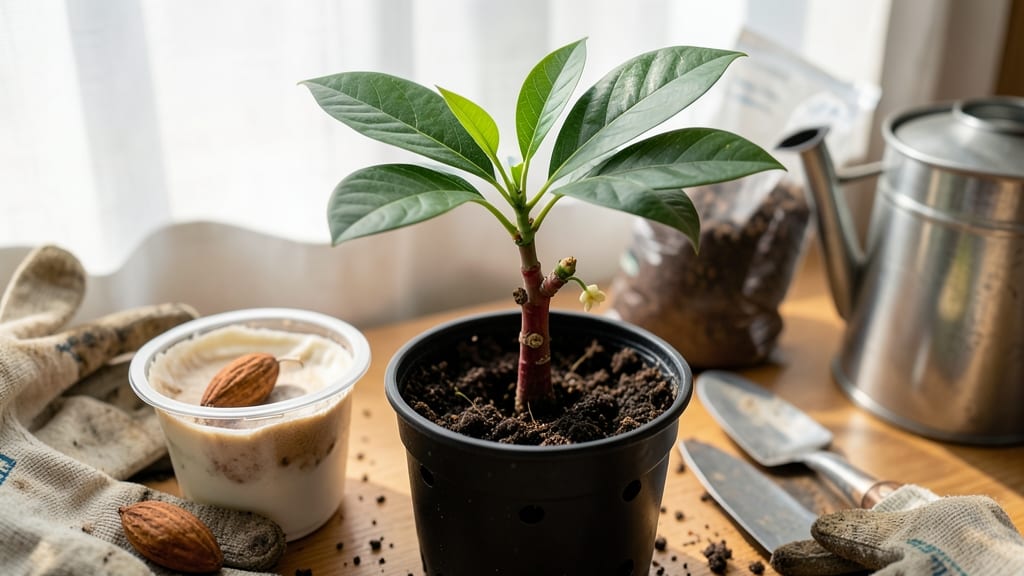
That seed from your favorite mango could grow a garden with bright green leaves and fragrant white blooms—if you know the secret timing. 🌱 I’ve turned kitchen scraps into thriving tropical trees, and the first step is getting that seed to sprout within 2-4 weeks with the right soil moisture and warmth.
The trick isn’t fancy equipment—just a small pot, well-draining soil mix, and patience. Most people give up when nothing happens in the first week, but consistent warmth (like a sunny windowsill or heat mat) keeps the seed active.
Once the first leaves appear, you’ll need to transplant carefully to avoid shocking the delicate roots.
By month six, you’ll have a 2-foot-tall seedling ready for its forever home in the ground—or a big container if you’re in a cooler climate. The real magic happens when those first flowers bloom, though that might take 3-5 years (yes, it’s a marathon, not a sprint).
This works anywhere from Florida to California’s coastal zones, but if you’re in a frost-prone area, keep it potted and bring it inside during winter. Here’s how to set it up right from the start.
📚 In This Guide
- What you need
- Instructions
- Tips and common mistakes
- Wrapping up and next steps
What you need
- ● Mango seed: 1 fresh, firm seed (preferably from a ripe, organic mango—avoid seeds from store-bought fruit treated with preservatives).
- ● Small pots: 2–3 (4–6 inches in diameter) with drainage holes. Pro tip: 💡 Use biodegradable pots if you plan to transplant directly into the ground later!
- ● Well-draining potting mix: 1 bag (look for a blend labeled "seed starting mix" or "cactus/succulent mix" for extra drainage).
- ● Watering can or spray bottle: 1 (with a fine mist setting for delicate seedlings).
- ● Plastic wrap or clear lid: 1 (to create a mini greenhouse effect).
- ● Scissors or knife: 1 (for trimming the seed if needed).
- ● Sunny windowsill or grow light: 1 (a south-facing window or a basic LED grow light works).
- ● Spray bottle with water: 1 (for misting).
- ● Seedling heat mat: 1 (speeds up germination if your home is chilly).
- ● Fertilizer: 1 small bottle of balanced liquid fertilizer (like 10-10-10) for when your seedling is 3–4 months old.
- ● Garden gloves: 1 pair (to protect your hands from the seed’s slightly sticky sap).
- ● Sturdy stakes or trellis: 1–2 (for supporting the tree as it grows taller).
- ● pH testing kit: 1 (to check soil acidity—mangoes prefer slightly acidic soil, pH 5.0–6.5).
- ● Mulch: Organic (like shredded bark) for when you transplant outdoors.
- ● Patience—germination can take 2–6 weeks (sometimes longer!).
- ● A warm spot (70–90°F is ideal for sprouting).
- ● Consistency in watering—keep the soil moist but not soggy.
Step-by-step instructions for growing a mango tree from seed
Turn that grocery store pit into a tropical tree with these simple, foolproof steps.
🌱 Step 1: Prepare the Mango Pit for Planting
Start by washing the mango pit thoroughly under running water to remove any remaining fruit residue. This prevents mold and rot later. Place the clean pit between two paper towels and wrap it loosely—don't squeeze it tight. Put the wrapped pit in a sealed plastic bag and store it in a warm, dark place like your fridge's crisper drawer.
Check the pit every few days. You'll know it's ready when you see a tiny white root emerging from one end (usually in 7-14 days). This signals the seed has broken dormancy and is ready to grow. Don't rush this step—patience here means stronger roots later.
🪴 Step 2: Plant the Germinated Seed in Soil
Fill a small pot (3-4 inches deep) with well-draining potting mix—regular garden soil will suffocate the delicate roots. Make a small hole in the center about 1 inch deep and place the germinated pit root-side down. Cover it lightly with soil, pressing down gently but not compacting.
Water the soil until it's evenly moist but not soggy. You want the top inch to feel damp to the touch, not dripping. Place the pot in a warm spot with bright, indirect light—a kitchen windowsill works perfectly. Avoid direct sun at this stage, which can scorch the tender seedling.
☀️ Step 3: Care for the Seedling Through Early Growth
Keep the soil consistently moist but never waterlogged. Stick your finger in the soil—if the top inch feels dry, it's time to water. Once the seedling reaches 4-6 inches tall (usually in 4-6 weeks), it's ready for a slightly larger pot (6-8 inches deep). Transplant carefully, keeping the root ball intact to avoid shocking the plant.
Gradually introduce the seedling to more sunlight. Start with 2-3 hours of morning sun daily, then slowly increase to full sun over two weeks. You'll see the leaves turn a deeper green and grow faster once it's acclimated. This is your signal the plant is thriving.
✂️ Step 4: Prune and Train for Strong Growth
When your mango tree reaches 12-18 inches tall, it's time to prune. Use clean scissors to trim back any leggy or weak stems to encourage bushier growth. Focus on removing stems that grow inward or cross over others—this prevents disease and improves airflow.
Pinch off the top set of leaves when the plant hits 2-3 feet tall. This forces the tree to branch out instead of growing tall and spindly. You'll notice new side shoots forming within 2-3 weeks. Keep the soil moist during this phase—mango trees are thirsty but hate soggy roots.
🌿 Step 5: Prepare for Outdoor Planting (If Possible)
If you live in a warm climate (USDA zones 10-11), your seedling can eventually move outdoors. Wait until it's at least 2 feet tall and has 5-6 strong leaves. Choose a spot with full sun and well-draining soil. Dig a hole twice as wide as the root ball but no deeper.
Water the seedling thoroughly the day before transplanting. Gently remove it from the pot and place it in the hole, backfilling with soil. Water deeply again to settle the roots. Mulch around the base with 2-3 inches of organic mulch to retain moisture and protect roots. In cooler climates, keep the tree in a large pot and bring it indoors during winter.
Tips & tricks for growing a mango tree from seed
Here's what I learned after growing my own mango tree from a grocery store pit—these small details make all the difference.
Germination Patience: The 7-14 day germination window is critical. I learned the hard way that checking daily is better than waiting too long—once that root appears, plant it within 24 hours. The longer you wait, the more fragile the root becomes. Keep the plastic bag sealed but slightly open for airflow to prevent mold, which can kill your seed before it even starts.
Soil Selection: Don't use regular garden soil—it's too dense and can suffocate those delicate roots. I use a mix of 60% potting soil, 30% perlite, and 10% coconut coir for perfect drainage. The 3-4 inch pot size is ideal for the seedling's first home, giving it enough room to grow without overwhelming it.
Light Transition: Those first 2-3 hours of morning sun are crucial for acclimating your seedling. I place mine near an east-facing window where it gets gentle morning light but avoids harsh afternoon sun. Watch for leaves turning pale yellow—that's your sign it's getting too much direct sun too soon. Gradually increase exposure over two weeks to prevent shock.
Pruning Strategy: When your tree hits 12-18 inches, don't be afraid to prune aggressively. I cut back about 1/3 of the leggiest stems to encourage bushier growth. The 2-3 week wait for new shoots after pinching is worth it—you'll get a much fuller tree. Always use clean scissors to prevent spreading disease between cuts.
Pro Tips for Mango Seed Grow A Garden
- Here's what I learned after growing my own mango tree from a grocery store pit—these small details make all the difference.
- Germination Patience: The 7-14 day germination window is critical.
- Soil Selection: Don't use regular garden soil—it's too dense and can suffocate those delicate roots.
Frequently asked questions
Got questions about growing a mango tree from seed? Here are answers to the most common ones—so you can start your tropical garden with confidence!
How long does it take for a mango seed to sprout?
A mango seed typically sprouts within 1–3 weeks if kept in warm, moist conditions. Place it in a cozy, humid environment (like a plastic bag with a tiny hole) and check daily for signs of life—tiny roots or a crack in the seed coat. Patience is key! Pro tip: If nothing happens after 4 weeks, gently check for rot or mold.
When will my seedling produce fruit?
Don’t expect mangoes for 3–5 years—growing from seed means your tree will take time to mature! Even with ideal care, fruiting depends on the seed’s genetics (some varieties are slower). For faster results, consider grafting a known fruit-bearing branch onto your seedling later. Fun fact: The first fruit may not taste like store-bought mangoes!
Can I grow a mango tree indoors?
Yes, but with limits! Start indoors in a sunny window or under grow lights until the seedling is 1–2 feet tall. Once warm weather arrives, transplant it outside—mango trees thrive in USDA zones 10–11 (or as a potted plant in cooler climates). Warning: They’re sensitive to frost; bring potted trees inside if temps drop below 40°F.
Why did my mango seed rot instead of sprouting?
Overwatering or poor drainage are the top culprits! Mango seeds need moisture but not soggy conditions. Use a mix of perlite or sand in the soil to improve airflow. If the seed feels mushy or smells foul, it’s rotting—start fresh with a new seed. Quick fix: Let the soil dry slightly between waterings.
What’s the best way to transplant a young mango seedling?
Wait until the seedling has 3–4 true leaves and is at least 6 inches tall. Use a well-draining pot or garden spot with partial shade at first. Handle the roots gently to avoid damage, and water thoroughly after transplanting. Bonus tip: Mulch around the base to retain moisture and protect roots!
Wrapping up and next steps
Growing a mango tree from a seed is a rewarding journey that turns a simple kitchen scrap into a thriving tropical treasure! 🌱 With patience, the right care, and a little green thumb, you’ll soon enjoy the sweet fruits of your labor—literally.
Whether you’re a beginner or a seasoned gardener, this project is a fun way to connect with nature and bring a taste of the tropics to your backyard.
Now that you’re armed with tips and answers, why not take the next step today? Grab that mango pit, follow the steps, and watch your garden grow—one seed at a time! 🌟 Happy planting!