
Planting
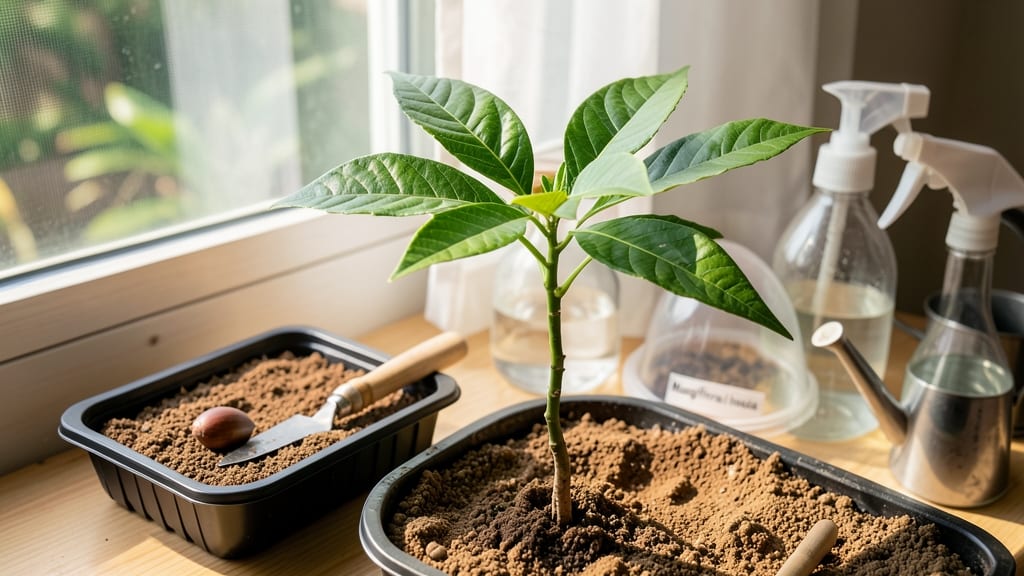
Planting mango seeds in soil starts with patience—these tropical trees take 3-6 months to germinate, but the journey is worth it for that first glimpse of green. 🌱 I’ve tried this three times, and while not every seed sprouts, the ones that do reward you with a lush, fast-growing sapling that could one day bear fruit.
The key is mimicking their natural tropical environment right from the start, even if you’re just working with a small pot indoors.
You’ll need a 6-inch pot with well-draining soil (mix equal parts potting mix and perlite), a warm spot (70-80°F), and a spray bottle for gentle watering—no soggy soil here. The seed should sit just below the surface, with the pointed end facing down, about ½ inch deep.
Cover it lightly with soil, mist it until damp (not wet), and then place it in a clear plastic bag to trap humidity. That’s the secret: warmth and moisture without drowning the seed.
Germination can be finicky—some seeds rot if overwatered, while others take forever to crack open. If mold appears, let the soil dry slightly before misting again. Once the sprout reaches 2-3 inches, it’s ready for its first repotting into a slightly larger container.
By this stage, you’ll notice thick, waxy leaves that signal it’s thriving. Just don’t expect fruit for years—this is all about nurturing the roots first.
The best part? You can plant these saplings outdoors in zones 10-11 once they’re sturdy enough, or keep them in containers year-round if you live in cooler climates.
Even if it never fruits, the process is a thrilling reminder that big trees start from tiny seeds. Here’s to your first mango adventure!
📚 In This Guide
- What you need
- Instructions
- Tips and common mistakes
- Wrapping up and next steps
What you need
- ● Mango seed: 1 fresh, plump seed (preferably from a ripe, organic mango—avoid seeds from store-bought fruit if possible).
- ● Well-draining potting soil: 2–3 cups of a high-quality, organic mix (look for a blend labeled for seedlings or tropical plants).
- ○ Small pots or containers: 2–3 (4–6 inches in diameter) with drainage holes. Optional: Biodegradable pots for easy transplanting later.
- ● Watering can or spray bottle: With a fine mist setting to avoid disturbing the soil.
- ● Plastic wrap or clear lid: To create a mini greenhouse effect (e.g., a ziplock bag or a plastic dome).
- ○ Fertilizer (optional but helpful): A mild, water-soluble fertilizer (like fish emulsion or a balanced 10-10-10 mix) for later stages.
- ● Scissors or knife: For gently slicing the seed (if needed) or trimming plastic wrap.
- ● Spray bottle with water: For misting the soil and seedling.
- ○ Heat mat (optional): A small seedling heat mat (set to 75–85°F) to speed up germination.
- ● Bright, indirect light source: A sunny windowsill or a grow light (12–16 hours/day once sprouted).
- ○ Humidity tray (optional): A shallow tray with pebbles and water to maintain moisture.
- ● A warm, humid environment (ideal temps: 70–90°F for germination).
- ● Patience! Germination can take 2–6 weeks—sometimes longer.
- ● Consistency in watering (keep soil moist but not soggy).
Step-by-step instructions for planting mango seeds in soil
Growing a mango tree from seed is easier than you think—just follow these simple steps to get your tropical tree started.
🌱 Step 1: Prepare the Mango Seed for Planting
Start with a fresh, plump mango seed—avoid any that feel soft or hollow when tapped. Remove the seed from its pit by carefully cutting through the fibrous center with a sharp knife. Rinse it under cool water to remove any remaining fruit pulp, which can attract pests or rot.
Here's the thing—mango seeds have a hard outer shell that slows germination. To speed things up, gently rub the seed with sandpaper or a file until the outer coating is slightly roughened but not cracked. This lets moisture penetrate more easily. Soak the seed in warm water for 24 hours before planting. You'll know it's ready when the water turns slightly cloudy and the seed feels heavier.
💧 Step 2: Choose the Right Soil and Planting Container
Use a well-draining potting mix (not garden soil) in a container with drainage holes—mango seeds rot quickly if they sit in soggy soil. A 4-6 inch deep pot works well for starting. Fill the container halfway with moistened soil, then place the soaked seed on top, ½ inch deep, with the pointed end facing up.
Don't overwater now. Lightly mist the soil until it's damp but not saturated. Cover the pot with a clear plastic bag or humidity dome to trap warmth and moisture. Place it in a warm spot (75-85°F)—a seedling heat mat helps if your home runs cooler. You'll see sprouts in 2-4 weeks, but be patient if germination takes longer.
☀️ Step 3: Provide Warmth and Light for Germination
Keep the soil consistently moist—not soggy—by misting every 2-3 days. Remove the plastic cover once the seedling emerges to prevent mold, but place the pot back under the dome if the soil dries out too quickly. A south-facing window or grow light (12-14 hours daily) keeps the seedling strong.
Watch for the first true leaves (small, rounded, and green) to appear—this means the seedling is ready for its first real drink. Once they show up, you can water from the bottom by placing the pot in a shallow tray of water for 10 minutes. This encourages deep root growth and prevents weak, shallow roots.
🌿 Step 4: Transplant and Care for Your Young Mango Tree
After 4-6 weeks, when the seedling has 3-4 true leaves and a 4-6 inch stem, it's time to transplant. Choose a slightly larger pot (8-10 inches deep) with fresh potting mix. Dig a hole twice as wide as the root ball and place the seedling in, firming soil gently around the base.
Here's where it gets fun—mango trees love warmth and humidity. Keep the soil lightly moist (water when the top inch feels dry) and fertilize lightly with a balanced liquid fertilizer (10-10-10) every 4-6 weeks in the growing season. Move the plant outdoors to a bright, indirect light spot (like a shaded patio) once temperatures stay above 50°F at night. Avoid direct sun until the tree is at least 12 inches tall—too much light too soon can scorch young leaves.
Tips & tricks for planting mango seeds in soil
Took me years of trial and error to figure out these key tricks for growing mango trees from seed—here's what actually works.
Seed Selection: Always choose seeds from fully ripe, firm mangoes. Press gently—they should feel solid and heavy, not hollow. I learned this the hard way after planting several soft seeds that never sprouted. The seed's size matters too: aim for ones at least 2 inches long for best germination rates.
Soaking Strategy: That 24-hour soak is your secret weapon for breaking dormancy. I recommend changing the warm water after 12 hours to keep it fresh. The cloudy water you see isn't dirt—it's the seed releasing natural oils that help soften the shell. Pro tip: Place the seed in a small jar with a lid (but leave it slightly open) to prevent mold growth during soaking.
Temperature Matters: Maintaining that 75-85°F range is critical during germination. If your home runs cooler, place the pot on top of a refrigerator or use a seedling heat mat. I've seen germination times double when seeds sit in cooler conditions. Once sprouts appear, keep them in bright, indirect light—direct sun at this stage can scorch delicate leaves.
Transplant Timing: Wait until you see 3-4 true leaves and a 4-6 inch stem before transplanting—that's when the seedling has developed enough energy stores to handle the stress. I've transplanted too early and lost seedlings to shock. After transplanting, give the soil a light watering to help settle it around the roots, but avoid overwatering which can suffocate young roots.
Pro Tips for Plant Mango Seed In Soil
- Took me years of trial and error to figure out these key tricks for growing mango trees from seed—here's what actuall...
- Seed Selection: Always choose seeds from fully ripe, firm mangoes. Press gently—they should feel solid and heavy, not...
- Soaking Strategy: That 24-hour soak is your secret weapon for breaking dormancy. I recommend changing the warm water ...
Frequently asked questions
Got questions about planting mango seeds? You’re not alone—growing a mango tree from a seed is exciting but comes with its own set of curiosities! Below, we’ve rounded up the most common queries to help you navigate the process with confidence.
How long does it take for a mango seed to germinate?
A mango seed typically takes 2–4 weeks to germinate after planting, depending on soil warmth (ideal: 70–90°F) and moisture levels. Patience is key—some seeds may take up to 2 months, especially in cooler climates. Keep the soil consistently damp (not soggy) and place the pot in bright, indirect light to speed things up.
Can I plant a mango seed directly in the ground?
While possible, direct outdoor planting isn’t recommended for seeds—especially in cooler zones. Young seedlings are fragile and need protection from frost, pests, and temperature swings. Start indoors in a pot with well-draining soil (like a mix of potting soil and sand) for the first 6–12 months. Once the seedling is 1–2 feet tall and sturdy, transplant it outdoors after the last frost.
Will my homegrown mango tree produce fruit?
Here’s the catch: Seed-grown mango trees rarely bear fruit identical to the parent plant—they’re often wild-type and may take 5–10 years (or longer) to produce fruit. For reliable fruit, consider grafting a known variety onto your seedling later. If you’re okay with a decorative, slow-growing tree, seeds are a fun experiment!
What should I do if my mango seed rots or mold grows?
Rotting or mold (fuzzy white/green growth) usually means too much moisture or poor drainage. Act fast:
- Stop watering immediately and let the soil dry out.
- If mold appears, sprinkle cinnamon powder or a fungicide around the seed.
- Repot in fresh, sterile potting mix with perlite for better drainage.
Can I use a store-bought mango seed, or does it need to be fresh?
Store-bought seeds can germinate, but fresh seeds (from ripe, organic mangoes) have a higher success rate. If using a dried seed, soak it in water for 24–48 hours before planting to rehydrate. Avoid seeds treated with fungicides (common in commercial fruit)—they may fail to sprout. Pro tip: Buy organic mangoes or save seeds from homegrown fruit for best results!
Wrapping up and next steps
Growing a mango tree from seed is a rewarding journey that connects you to nature’s sweetest gifts! 🌱 With patience, the right soil, and a little care, you’ll nurture a seedling that could one day bear delicious fruit. Start small, stay consistent, and celebrate each tiny milestone—your green thumb is growing stronger with every watering!
Ready to take the next step? Once your seedling reaches 6–12 inches tall, transplant it into a larger pot or directly into the ground (if your climate allows). Keep an eye on its progress, and who knows?
You might just be cultivating the start of your very own tropical paradise. Happy planting! 🌿