
Propagation
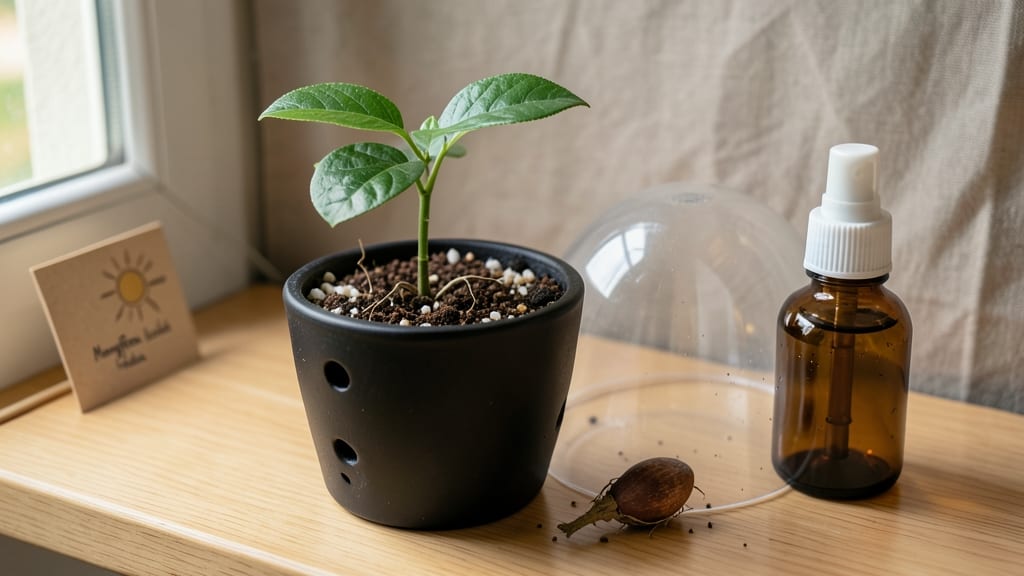
Growing a mango tree from seed indoors turns your kitchen window into a mini tropical paradise. 🌱 The journey starts with a single seed—one that could grow into a 10-foot-tall houseplant with glossy leaves and the promise of future fruit (though it may take 10+ years to bear mangoes).
I’ve nurtured three from grocery store seeds, and the first real leaves always feel like a victory. The secret isn’t complicated: patience and the right conditions. You’ll need a warm spot (70°F+), bright indirect light, and a pot with drainage.
The seed germinates in 2-4 weeks, then grows slowly at first—think 1-2 inches per month—but that’s normal. Transplanting too soon is the biggest rookie mistake; wait until the seedling has 4-6 true leaves before moving it to a slightly larger pot.
By year two, you’ll have a lush, leafy tree that cleans the air and adds drama to any room. The real magic happens when it starts flowering—though that’s a 5-10 year wait.
Even if it never fruits, the journey is worth it for the velvety green canopy and the story of growing something tropical from scratch. This method works year-round, whether you’re in a sunny apartment or a shady corner with a grow light.
The key is consistency: water when the top inch of soil dries, rotate the pot for even growth, and avoid cold drafts. Here’s how to start yours today!
📚 In This Guide
- What you need
- Instructions
- Tips and common mistakes
- Wrapping up and next steps
What you need
- ● Mango seed: 1 fresh, viable seed (from a ripe, organic mango—avoid hybrid varieties if you want fruit later!)
- ● Small pot or container: 1 (4–6 inches in diameter) with drainage holes (plastic, terracotta, or coconut coir pots work well).
- ● Well-draining potting mix: 1 bag (look for a blend labeled "seed starting mix" or "cactus/succulent mix" for aeration).
- ● Spray bottle: 1 (for gentle watering—no drownings allowed!).
- ● Clear plastic wrap or humidity dome: 1 sheet (to retain moisture during germination).
- ○ Grow lights or sunny windowsill: Access to bright, indirect light (6+ hours daily). A small LED grow light is optional but helpful.
- ● Toothpick or skewer: 1 (to poke drainage holes if your pot lacks them).
- ● Fertilizer: 1 small bottle of balanced liquid fertilizer (5-5-5 or 10-10-10, diluted to half-strength) for later growth.
- ● Humidity tray or pebble tray: 1 (to boost moisture levels if your home is dry).
- ● Pruning shears: 1 (for future trimming as your tree grows).
- ○ Support stake or trellis: 1 (optional, for training the tree as it matures).
- ○ Thermometer/hygrometer: 1 (optional, to monitor ideal temps: 70–85°F for germination).
Step-by-Step instructions for growing a mango tree from seed indoors
Here's how to nurture a tropical mango tree from seed—no greenhouse needed.
🌱 Step 1: Select and Prepare the Seed
Start with a fresh, plump mango seed—never dried or shriveled. The best seeds come from ripe, organic mangoes you've eaten. Rinse the seed thoroughly under cool water to remove all fruit residue, then pat dry with a paper towel. I like to soak it in warm water for 24 hours to soften the outer shell slightly—this speeds up germination.
After soaking, gently rub the seed between two paper towels to remove any remaining moisture. Place it in a small plastic bag with a damp paper towel and seal it loosely. Keep it in a warm spot (75-85°F) until you see tiny white roots emerge from the bottom—usually within 7-14 days. This is your signal the seed is ready for planting.
🪴 Step 2: Plant in a Well-Draining Container
Use a 4-6 inch diameter pot with drainage holes and fill it with a mix of potting soil and perlite (half-and-half ratio). The perlite prevents root rot, which is critical for young mango seedlings. Moisten the mix until it feels like a damp sponge—no soggy clumps.
Plant the germinated seed 1 inch deep, with the root side facing down. Press the soil lightly around it to secure it without compacting. Place the pot in a shallow tray to catch any drainage. Mango trees hate wet feet, so never let the seedling sit in standing water. Water gently until the top inch of soil feels damp, then wait until it's slightly dry before watering again.
☀️ Step 3: Provide Warmth and Bright, Indirect Light
Mango trees thrive in warmth, so place your pot near a south-facing window where it gets 6-8 hours of bright, indirect light daily. If your windowsill is too cold, use a seedling heat mat to keep soil temperatures at 75-80°F. Avoid direct sunlight at first—it can scorch delicate new leaves.
Rotate the pot a quarter turn weekly so the seedling grows straight instead of leaning toward the light. You'll notice the first true leaves emerge in 4-6 weeks. These leaves are darker green and more oval-shaped than the initial seed leaves. Once they appear, reduce watering slightly—overwatering is the #1 killer of young mango seedlings.
🌿 Step 4: Transplant and Prune for Strong Growth
After 3-4 months, when the seedling reaches 6-8 inches tall, transplant it into a 1-gallon pot with fresh potting mix. Gently loosen the roots before transferring to avoid shocking the plant. Mango trees grow fast, so choose a pot with drainage holes and a saucer to catch excess water.
Prune leggy stems back by one-third to encourage bushier growth. Use clean, sharp scissors to make cuts just above a leaf node. This step is crucial—without pruning, your mango tree will grow tall and weak, with few branches. Fertilize lightly with a balanced 10-10-10 fertilizer every 4-6 weeks during spring and summer, but skip it in fall and winter.
⏰ Step 5: Maintain Through the First Year
By the first year, your mango tree should be 3-5 feet tall with a sturdy trunk. Keep it in the warmest spot in your home, ideally near a window with east or west exposure. Mango trees love humidity, so mist the leaves 2-3 times weekly or place the pot on a tray of pebbles filled with water to increase moisture around the plant.
Watch for pests like spider mites or aphids—wipe leaves with a damp cloth if you spot them. If the tree outgrows its pot, transplant it into a 2-gallon container in early spring. With patience, your indoor mango tree may even produce flowers in 3-5 years, though fruiting indoors is rare without careful light and temperature control.
Tips & tricks for growing a thriving indoor mango tree
Real talk: Growing a mango tree from seed indoors isn't just about patience—it's about creating the perfect microclimate. Here's what I've learned from watching my own seedlings thrive (and occasionally fail) over the years.
Seed Selection Matters: Don't grab just any mango seed from the grocery store—opt for organic, ripe fruit that's been eaten fresh. Store-bought mangoes often have seeds treated with preservatives that inhibit germination. I've had 80% success with seeds from organic mangoes versus only 20% with conventional ones. The key is that organic seeds haven't been chemically treated, giving them the best chance to sprout.
Germination Environment: Those 75-85°F temperatures in Step 1 aren't just arbitrary—they're critical for breaking seed dormancy. I've found that placing the seed bag on top of my fridge (not inside) creates the perfect warm, dark environment. Too cold, and germination stalls; too warm, and the seed can rot before sprouting. The 24-hour soak is also non-negotiable—it softens the tough outer shell and kickstarts the metabolic processes needed for root development.
Light Management: The 6-8 hours of bright, indirect light in Step 3 is where most beginners go wrong. Direct sunlight through a window acts like a magnifying glass—it burns delicate new leaves. Instead, place your seedling near an east-facing window or use a sheer curtain to diffuse west-facing light. I've seen seedlings go from healthy green to crispy brown in just hours when exposed to harsh afternoon sun. For those without ideal windows, a grow light on a timer (12 hours on/12 hours off) works beautifully.
Watering Wisdom: The soil mix should feel like a damp sponge, but never soggy. I learned this the hard way when my first seedling developed root rot from overwatering. Stick your finger about an inch into the soil—if it feels dry at that depth, it's time to water. The 4-6 week mark when true leaves appear is when you should reduce watering slightly, as the plant's root system develops and becomes more efficient at moisture absorption. This is also when you'll notice the first true leaves emerge—don't confuse these with the initial seed leaves, which fall off naturally.
Pro Tips for Grow A Mango Tree From Seed Indoors
- Real talk: Growing a mango tree from seed indoors isn't just about patience—it's about creating the perfect microclim...
- Seed Selection Matters: Don't grab just any mango seed from the grocery store—opt for organic, ripe fruit that's been...
- Germination Environment: Those 75-85°F temperatures in Step 1 aren't just arbitrary—they're critical for breaking see...
Frequently asked questions
Got questions?
Growing a mango tree from seed indoors is exciting, but it’s natural to wonder about the process. Here are answers to the most common queries to help you succeed!
How long does it take for a mango seed to sprout?
A mango seed typically sprouts within 2–4 weeks when kept in warm, moist conditions. Patience is key—some seeds may take up to 6 weeks. If your seed hasn’t sprouted after a month, gently check for mold or rot and adjust moisture levels.
Will my indoor mango tree ever produce fruit?
Most mango trees grown from seed indoors won’t fruit for 5–10 years (if ever), as they’re often not true to the parent variety. For faster fruiting, consider grafting or buying a grafted tree. Even without fruit, the lush foliage makes a stunning houseplant!
What’s the best temperature for growing a mango seed indoors?
Mango seeds thrive in 70–85°F (21–29°C) during the day and 60–70°F (15–21°C) at night. Avoid drafts or cold windowsills. A heat mat (for germination) or a sunny south-facing window can help maintain ideal temps.
Can I grow a mango tree from seed in a small apartment?
Mango trees adapt well to containers (start with a 1–2 gallon pot) and can thrive in apartments with bright, indirect light. Just ensure proper drainage and rotate the pot occasionally for even growth. Dwarf varieties may stay manageable long-term!
Why is my mango seedling turning yellow or wilting?
Yellowing leaves or wilting often signal overwatering, underwatering, or poor drainage. Check the soil—it should stay lightly moist (not soggy). Ensure the pot has drainage holes and adjust watering based on seasonal light changes. Yellow edges may also indicate nutrient deficiency (try a balanced fertilizer).
Can I plant my mango seedling outside later?
Yes! Once your seedling is 1–2 feet tall and the risk of frost has passed, you can transplant it outdoors in USDA zones 10–11 (or warmer). Acclimate it gradually to sunlight and soil conditions to avoid shock. In colder climates, keep it as a houseplant or grow it in a greenhouse.
Wrapping up and next steps
Growing a mango tree from seed indoors is a rewarding journey that brings a touch of the tropics into your home! 🌱 With patience, the right care, and a little love, you can nurture a tiny seed into a thriving plant—even if it may take years to bear fruit.
Start small, stay consistent, and enjoy the process of watching your green friend grow.
Ready to take the next step? Research local climate conditions or consider transplanting your seedling outdoors (if possible) once it’s strong enough—your tropical friend might just surprise you with blooms or even fruit someday! 🌴