
Lawn
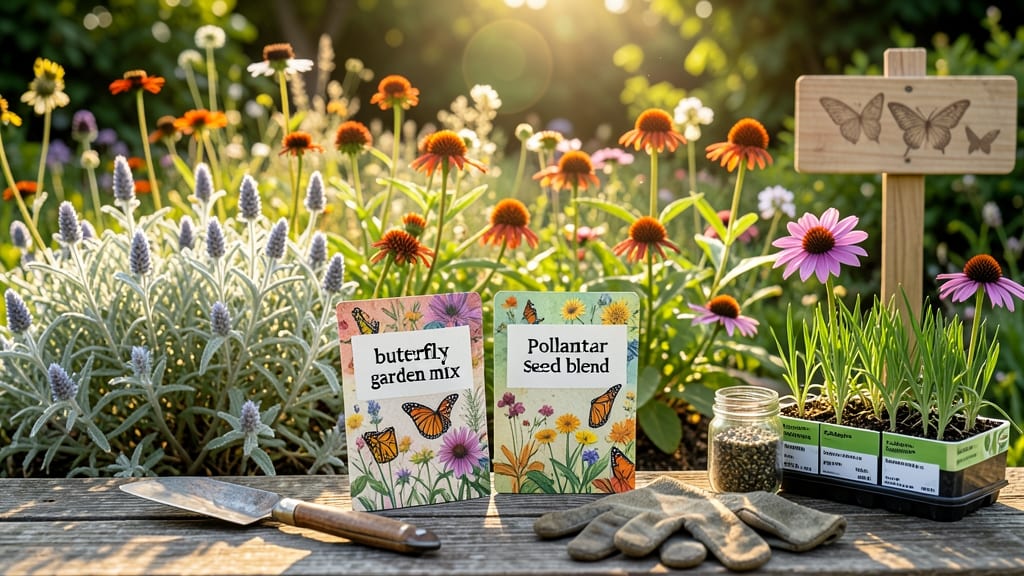
A single packet of butterfly garden seed mix transforms your yard into a fluttering oasis. 🌸 I’ve watched monarchs, swallowtails, and fritillaries turn my once-boring flowerbed into their favorite stopover—all from a $10 bag of seeds.
This isn’t just gardening; it’s creating a lifeline for declining pollinators while filling your space with vibrant color.
The magic is in the mix: milkweed for hungry caterpillars, coneflowers for nectar, and clover for early-season blooms. Most blends include 10-15 varieties, so you get continuous blooms from spring through fall.
The best part? These plants thrive in average soil and full sun—no fancy prep required. Just scatter, water, and wait for the wings to arrive.
By mid-summer, you’ll have a garden that hums with activity—butterflies sipping nectar, bees buzzing between blooms, and maybe even hummingbirds stopping by. The scent of lavender and the sight of orange monarchs on milkweed leaves make every morning walk feel like a nature documentary. It’s that simple.
Works in small spaces, containers, or full sun patches—no green thumb needed. Here’s how to get started without overcomplicating it.
📚 In This Guide
- What you need
- Instructions
- Tips and common mistakes
- Wrapping up and next steps
What you need
- ● Butterfly Garden Seed Mix – 1 lb (or 500g) per 100 sq. ft. of space (check the packet for exact coverage). Choose a mix with native wildflowers like milkweed, coneflowers, and black-eyed Susans.
- ● Well-draining soil – A blend of garden soil and compost (60% soil, 40% compost) works best. Avoid heavy clay.
- ● Watering can or hose – With a gentle spray nozzle for even moisture distribution.
- ○ Gloves (optional but recommended) – To protect your hands from soil and prickly plants.
- ● Sunlight access – A spot with at least 6 hours of direct sunlight per day (full sun is ideal).
- ● Garden rake – For loosening soil before planting.
- ● Hand trowel – For pressing seeds lightly into the soil.
- ● Mulch (straw or shredded leaves) – To retain moisture and suppress weeds.
- ● Butterfly-friendly companion plants – Like fennel, dill, or asters for extra pollinator appeal.
- ● Pest deterrents (neem oil or diatomaceous earth) – If your area has aphids or other pests.
How to plant a butterfly garden seed mix for year-round pollinators
Transform your yard into a fluttering haven with this easy, foolproof method for attracting butterflies all season long.
🌱 Step 1: Choose and Prepare the Perfect Planting Site
Select a location that gets at least 6 hours of sunlight daily—butterflies need warmth to forage. I always pick a spot near existing shrubs or fences, where they can land safely and find shelter from wind. Clear the area of weeds and debris, then loosen the top 6 inches of soil with a garden fork to improve drainage.
Butterflies are drawn to flat, open spaces where they can spot nectar-rich flowers from a distance. Avoid low-lying areas where water pools after rain—wet soil can drown seeds. If your soil feels heavy or clay-like, mix in 2-3 inches of compost to lighten it up. This ensures roots can spread freely without struggling.
🌿 Step 2: Scatter Seeds Evenly and Lightly Cover
Open your butterfly garden seed mix packet and pour the seeds directly onto the prepared soil. I like to scatter them in a natural, irregular pattern—don’t worry about perfect spacing. Butterflies thrive in diverse plantings, so aim for a mix of heights and bloom times. For a 10x10 foot area, use the entire packet without thinning later.
Gently rake the soil to press seeds into the surface, covering them with just ¼ inch of dirt or compost. Most butterfly-friendly seeds need light to germinate, so don’t bury them too deeply. If planting in dry conditions, water lightly afterward to settle the seeds into the soil without washing them away.
☀️ Step 3: Water Gently and Maintain Consistent Moisture
Keep the soil evenly moist for the first 2-3 weeks—this is critical for seed germination. Water deeply in the morning so the soil has time to dry slightly before evening. Use a gentle spray nozzle or watering can to avoid disturbing the seeds. You’ll know you’re doing it right when the top inch of soil feels damp but not soggy.
Once seedlings appear, reduce watering to once every 2-3 days, letting the top inch dry out between sessions. Overwatering at this stage can cause seedlings to rot before they establish roots. Butterflies need resilient plants, so let them develop deep root systems without constant moisture.
✂️ Step 4: Thin and Prune for Strong, Pollinator-Friendly Growth
When seedlings reach 2-3 inches tall, thin them to stand 6-12 inches apart, depending on the plant variety. This prevents overcrowding and ensures each plant gets enough sunlight and nutrients. Snip unwanted seedlings at the base with clean scissors—don’t pull them to avoid disturbing roots.
As flowers begin to bloom, deadhead spent blooms regularly to encourage continuous flowering. I pinch off faded flowers by gently twisting them off with my fingers. This redirects the plant’s energy into producing more nectar-rich blooms, which keeps butterflies visiting longer. Prune leggy stems back by ⅓ their length to promote bushier growth.
🪴 Step 5: Add Mulch and Host Plants for Long-Term Success
Spread a 2-inch layer of organic mulch around plants to retain moisture, suppress weeds, and regulate soil temperature. I use shredded bark or straw because it breaks down slowly and adds nutrients as it decomposes. Keep mulch 2 inches away from plant stems to prevent rot.
To create a true butterfly magnet, plant native host plants nearby where butterfly larvae can feed. For example, milkweed attracts monarchs, while parsley and dill host swallowtail caterpillars. These additions turn your garden into a complete life cycle ecosystem—from egg to adult butterfly.
Tips & tricks for perfect butterfly garden plantings
These small adjustments will turn your butterfly garden from good to extraordinary—and keep those wings fluttering all season.
Sunlight Strategy: While the instructions call for at least 6 hours of sunlight, I've found that butterflies are most active in spots with full sun exposure (8+ hours) during peak bloom seasons. If your location gets only 6 hours, position your garden near reflective surfaces like light-colored walls or gravel paths to maximize warmth. Morning sun is especially valuable—it helps dew evaporate quickly, reducing fungal risks for tender seedlings.
Seed Scattering Technique: The instructions recommend scattering seeds in a natural pattern, but here's what nobody tells you—use a second packet of seeds to create a border around your garden's perimeter. This creates a "landing zone" for butterflies approaching from a distance. I scatter these border seeds slightly thicker (about 20% more) since they'll face more foot traffic from curious pollinators.
Watering Wisdom: During those critical first 2-3 weeks of germination, I've developed a trick to check moisture without disturbing seeds: Press your finger gently into the soil. If it springs back immediately, water again. If it holds an indentation for 5 seconds, you're golden. Overwatering here is the #1 reason seeds fail—it creates anaerobic conditions that suffocate roots. A moisture meter (about $15) takes the guesswork out completely.
Mulch Mastery: The 2-inch mulch layer mentioned in Step 5 works wonders, but here's my upgrade: Mix in 1/4 cup of wood ash per 10 square feet when applying mulch. The potassium boost helps flowers bloom more prolifically, and the slightly alkaline nature mimics natural forest floors where many wildflowers thrive. Just avoid using ash if your soil is already alkaline—test with a simple pH kit first.
Pro Tips for Butterfly Garden Seed Mix
- These small adjustments will turn your butterfly garden from good to extraordinary—and keep those wings fluttering all season.
- Sunlight Strategy: While the instructions call for at least 6 hours of sunlight, I've found that butterflies are most active in spots with full sun exposure (8+ hours) during peak bloom seasons.
- Seed Scattering Technique: The instructions recommend scattering seeds in a natural pattern, but here's what nobody tells you—use a second packet of seeds to create a border around your garden's perimeter.
Frequently asked questions
How long does it take for a butterfly garden seed mix to grow and attract butterflies?
A butterfly garden seed mix typically takes 6-12 weeks to germinate and establish, depending on your climate. However, butterflies may start visiting as soon as flowering begins (4-8 weeks in). Choose fast-blooming varieties like cosmos or zinnias for quicker results!
What’s the best time of year to plant butterfly garden seeds?
For most regions, spring (after the last frost) and early summer are ideal. In warmer climates, you can plant in fall or winter for year-round blooms. Check your seed packet for specific timing—some varieties thrive in cooler weather!
How much water do butterfly garden seeds need?
Keep soil consistently moist (not soggy) until seeds germinate, then water deeply 2-3 times per week once established. Drought-tolerant mixes (like milkweed or coneflowers) need less water after rooting. Mulch helps retain moisture!
Will butterflies visit if I only plant a small butterfly garden?
Yes! Even a small container or 5x5-foot patch can attract butterflies if you include nectar-rich flowers (e.g., butterfly bush, bee balm) and host plants (e.g., milkweed for monarchs). Cluster plants tightly to create a "pollinator magnet."
What if my butterfly garden isn’t attracting butterflies? Troubleshooting tips.
No flowers yet?
Wait until blooms appear—butterflies need nectar!
Too many pesticides?
Avoid chemicals; opt for organic solutions.
No host plants?
Add milkweed (monarchs) or parsley (swallowtails).
Shady spot?
Try shade-tolerant plants like ferns or asters.
Patience is key—give it 2-3 months! Wrapping up and next steps
Creating a butterfly garden seed mix is one of the most rewarding ways to support pollinators while adding beauty to your outdoor space! 🌸 With the right seeds, sunlight, and care, you’ll soon have a vibrant haven that attracts butterflies, bees, and hummingbirds.
Whether you’re a seasoned gardener or just starting out, this project is simple, impactful, and full of potential.
Ready to take the next step? Grab your seed mix, pick a sunny spot, and start planting—your future winged visitors will thank you! 🦋 For extra inspiration, explore native plant guides or join local gardening groups to share your progress.