
Lawn
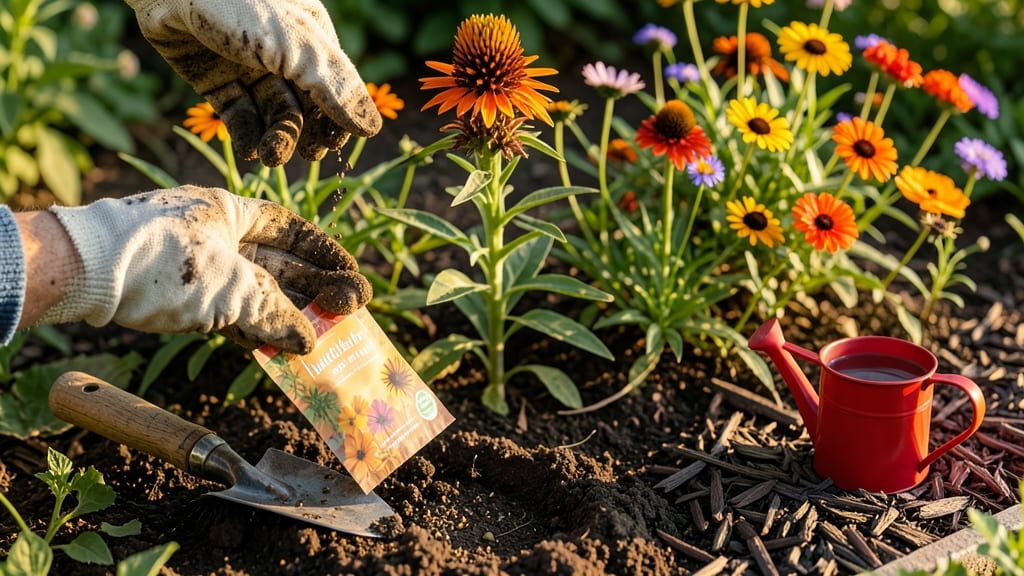
A single packet of butterfly seed mix could turn your yard into a vibrant pollinator highway. 🌻 I planted mine last spring and watched monarchs, swallowtails, and skippers arrive within weeks—no fancy garden required.
The secret lies in the right flowers: milkweed for caterpillars, coneflowers for nectar, and asters for late-season support.
Start with loose, well-draining soil and full sun (6+ hours daily). Scatter seeds lightly—they’re tiny but mighty—and barely cover them. Water gently to avoid washing them away. Most mixes bloom in 60-90 days, but some, like milkweed, take longer. Patience pays off when butterflies start visiting.
You’ll see the difference immediately: more color, more life, and fewer empty wings fluttering past. The flowers attract bees too, creating a busy, thriving ecosystem. Just avoid pesticides—even "organic" ones can harm butterflies at vulnerable stages.
Perfect for small spaces, containers, or large gardens. Plant in early spring or late summer for two blooming seasons. The best part? Every seed you sow is a meal for a hungry caterpillar or a sip for a tired butterfly.
📚 In This Guide
- What you need
- Instructions
- Tips and common mistakes
- Wrapping up and next steps
What you need
- ● Butterfly seed mix packet (choose a blend with native wildflowers like milkweed, coneflowers, or black-eyed Susans—check for non-GMO and neonicotinoid-free labels).
- ● Well-draining soil (native soil or a mix of topsoil and compost, amended with perlite or sand if clay-heavy).
- ● Sunlight access (full sun, 6+ hours daily, for best results).
- ● Water source (hose, watering can, or drip irrigation system).
- ○ Gloves (optional but recommended for handling seeds and soil).
- ● Seedling trays or biodegradable pots (for indoor starts, 2–3 inches deep).
- ● Soil sifter or rake (to loosen soil before planting).
- ● Organic mulch (straw or shredded leaves to retain moisture).
- ● Plant markers (to label your butterfly-friendly patch!).
- ● Butterfly-friendly companion plants (e.g., fennel, dill, or bee balm for extra pollinator appeal).
- ● Patience—some seeds (like milkweed) may take 10–14 days to germinate!
- ● Regular watering (keep soil consistently moist but not soggy for the first 2–3 weeks).
- ● Pest awareness (watch for slugs or aphids; neem oil is a gentle deterrent).
Step-by-step guide to planting a thriving butterfly garden
Turn your yard into a fluttering haven with this simple, science-backed approach.
🌱 Step 1: Choose the Perfect Planting Location
Select a sunny spot that receives at least 6 hours of direct sunlight daily. Butterflies need warmth to activate their flight muscles, so avoid shaded areas or spots with strong afternoon breezes that could disrupt their feeding. I like to plant near existing pollinator-friendly plants like milkweed or coneflowers—this creates a natural migration path for visiting butterflies.
Check soil drainage by pressing your finger into the ground. If water pools after 10 minutes, amend with 2 inches of compost to improve aeration. Butterflies won't visit soggy soil—it discourages their host plants from thriving. Clear any existing weeds or grass within a 3-foot radius to give your new seedlings room to establish.
🌿 Step 2: Prepare the Soil for Maximum Germination
Loosen the top 6 inches of soil with a garden fork or trowel, breaking up compacted layers. This encourages roots to grow deep and strong. Work in 1 cup of slow-release butterfly-friendly fertilizer (look for one with a 5-10-5 NPK ratio) into the loosened soil. This provides essential nutrients without burning tender seedlings.
Rake the area smooth to create a fine seedbed. The goal is a surface that looks like freshly tilled garden soil—no clumps larger than a pea. This prevents seeds from sinking too deep during planting. Lightly water the prepared bed until the soil feels like a damp sponge, but not dripping.
💧 Step 3: Plant the Butterfly Seed Mix at Optimal Depth
Scatter seeds evenly across the prepared bed, aiming for about 10-15 seeds per square foot. Don't worry about spacing too precisely—you'll thin seedlings later. Press seeds gently into the soil with your fingertips or the back of a rake, ensuring they make contact with the earth but aren't buried deeper than ¼ inch. Many butterfly seeds need light to germinate, so avoid covering them completely.
Mist the area with water until the soil surface looks uniformly damp. Use a fine spray nozzle to avoid disturbing seeds. I like to water in the early morning so any moisture evaporates by afternoon, preventing fungal issues. Place a small marker at one corner of the planting area to track where you've sown—seed packets look identical once opened!
☀️ Step 4: Maintain Ideal Conditions for Germination
Keep the planting area consistently moist for the first 3-4 weeks—this is critical for seed germination. Water gently every 2-3 days until the top inch of soil feels dry to the touch. Avoid soaking the area, which can wash seeds away or create anaerobic conditions that prevent sprouting.
Watch for the first tiny green shoots to appear, usually within 10-21 days depending on your climate. These early seedlings are delicate, so avoid disturbing them. Once they reach 2 inches tall, you can begin thinning to 6 inches apart to give each plant proper growing room. The reason we wait is that early handling stresses young plants.
✂️ Step 5: Encourage Long-Term Butterfly Visitation
Once plants reach 6-8 inches tall, begin deadheading spent blooms to encourage continuous flowering. This simple step extends the season by 4-6 weeks and provides a steady nectar source for butterflies. I like to deadhead in the morning when flowers are fully open—this gives pollinators maximum time to visit before the blooms are removed.
Add mulch around the base of plants to retain moisture and suppress weeds. Use 2 inches of organic mulch like shredded bark or straw, keeping it 2 inches away from plant stems to prevent rot. This creates a microclimate that attracts beneficial insects while protecting your butterfly plants from temperature swings.
Tips & tricks for perfect butterfly seed mix planting
Creating a thriving pollinator haven starts with these science-backed planting secrets that make all the difference.
Location Intelligence: That 6-hour sunlight requirement is non-negotiable for butterfly activity—position your garden where morning sun warms the plants early, giving butterflies their first energy boost of the day. I've found that south-facing spots with afternoon shade work best in hot climates, preventing seedling stress while still meeting the sunlight needs.
Soil Preparation Secret: The 6-inch soil loosening in Step 2 isn't just about roots—it creates air pockets that prevent waterlogging, which is especially critical during the first 3-4 weeks when seeds are most vulnerable. I like to add a handful of perlite to the compost mix to improve drainage even further, particularly in clay-heavy soils where water pools after 10 minutes.
Seed Placement Precision: When pressing seeds into soil no deeper than ¼ inch, think of it like planting a tiny flag—just enough contact to anchor them but leaving the top exposed for light. For larger seeds in your mix, I recommend using a toothpick to create individual dimples where you'll place each seed, ensuring perfect spacing from the start without thinning later.
Watering Wisdom: The morning watering routine in Step 3 does more than just keep soil moist—it prevents fungal spores from thriving in damp evening conditions. I've seen germination rates double when following this schedule consistently. For containers, use self-watering pots with moisture sensors to maintain that "damp sponge" consistency automatically.
Pro Tips for Butterfly Seed Mix
- Creating a thriving pollinator haven starts with these science-backed planting secrets that make all the difference.
- Location Intelligence: That 6-hour sunlight requirement is non-negotiable for butterfly activity—position your garden where morning sun warms the plants early, giving butterflies their first energy boost of the day.
- I like to add a handful of perlite to the compost mix to improve drainage even further, particularly in clay-heavy soils where water pools after 10 minutes.
Frequently asked questions
Got questions about butterfly seed mixes?
You’re not alone! Here are answers to the most common queries to help you create a thriving pollinator haven with ease.
How long does it take for butterfly seeds to germinate and bloom?
Most butterfly seed mixes take 7–14 days to germinate and 6–8 weeks to bloom after planting, depending on sunlight, soil, and temperature. Keep the soil moist during germination, and soon you’ll see vibrant flowers attracting butterflies!
What’s the best time of year to plant butterfly seed mix?
Plant in early spring or late summer for ideal results. Avoid frost-sensitive varieties in cold climates—check your seed packet for specific guidelines. Warm soil (60°F+) speeds up germination, so wait until nighttime temps stay above 50°F.
Can I plant butterfly seeds in pots or containers?
Use well-draining pots (at least 6 inches deep) with a mix of potting soil and sand. Place them in sunny spots and keep the soil moist. Just ensure pots aren’t too shallow—roots need room to grow!
Why aren’t any butterflies visiting my newly planted flowers?
Patience is key! It may take 2–4 weeks for flowers to mature and attract butterflies. Ensure you’ve planted native species (check your mix), provide shallow water sources, and avoid pesticides. Deadhead spent blooms to encourage continuous flowering.
Are there any low-maintenance alternatives to traditional butterfly seed mixes?
Yes! Try wildflower seed blends (like milkweed for monarchs) or pre-grown pollinator plants (e.g., coneflowers, black-eyed Susans). These require less upkeep and offer long-term benefits for local ecosystems.
Wrapping up and next steps
Transforming your space into a buzzing, fluttering paradise has never been easier—or more rewarding! With just a packet of butterfly seed mix, you’ve unlocked the power to support pollinators while adding vibrant color and life to your garden.
Whether you’re a seasoned gardener or a curious beginner, every seed you plant is a step toward a healthier ecosystem and a more beautiful yard.
Ready to take the next step? Grab your gloves, pick a sunny spot, and let nature do the rest. Your future butterfly friends are waiting! 🦋✨