
Lawn
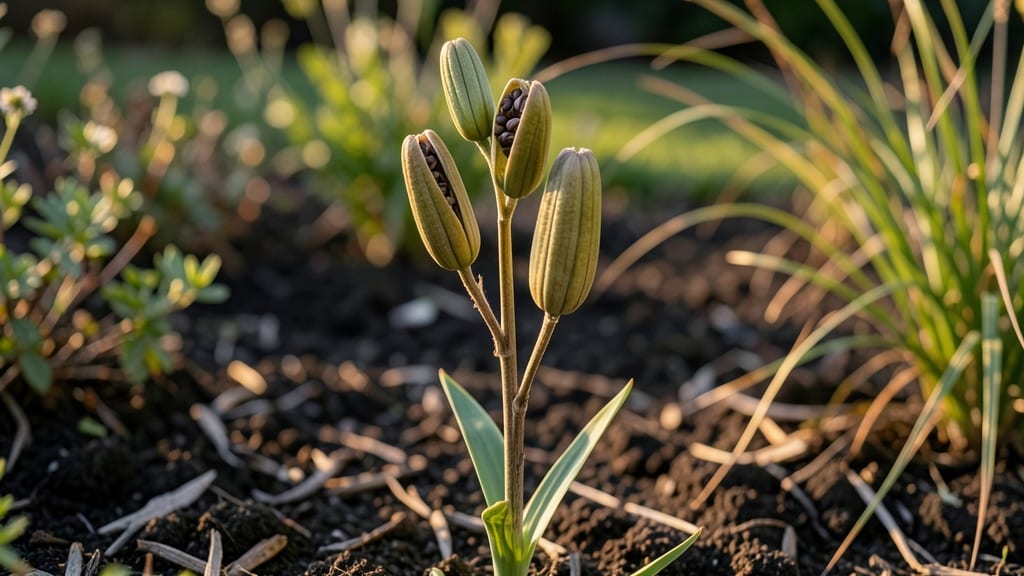
Harvesting Asiatic lily seed pods turns last year’s blooms into next year’s garden showstoppers. 🌸 I’ve collected these pods for years, and the secret to viable seeds isn’t complicated—just timing, gentle handling, and a little patience. The right pods hold the potential for bold, new lilies that outshine store-bought varieties.
The magic happens in late summer or early fall, when the pods turn brown and papery. You’ll need a pair of pruners, a paper bag for collecting, and a sunny spot to dry them.
Skip the urge to rush—overripe pods burst open, scattering seeds everywhere, while underripe ones won’t germinate. Aim for that perfect crunchy texture, like a dried bean pod.
Once dried, crack open the pods to reveal flat, black seeds the size of coffee beans. Plant them shallowly in pots with well-draining soil, keep them barely moist, and expect germination in 4-8 weeks.
The seedlings grow slowly at first, but by next summer, you’ll have sturdy lilies ready to divide and replant.
This method works for any Asiatic lily variety, and the payoff is worth the wait—unique colors, disease-resistant plants, and a garden that feels entirely yours. Here’s how to do it without the guesswork.
📚 In This Guide
- What you need
- Instructions
- Tips and common mistakes
- Wrapping up and next steps
What you need
- ● Mature Asiatic lily seed pods: Fully dried, brown pods (harvest when they’re crispy and split open naturally). Aim for at least 5–10 healthy pods per variety.
- ● Sharp pruning shears or garden scissors: For cleanly snipping pods from stems (sterilize blades with rubbing alcohol first!).
- ● Paper bags or breathable mesh sacks: 2–3 medium-sized bags (1 per variety if testing multiple types) to store pods and prevent moisture buildup.
- ● Labeling tags & permanent marker: To mark pod varieties, harvest dates, and locations (e.g., “‘Stella de Oro’ – 10/2024 – Sunny Patio”).
- ● Drying tray or cardboard box: A shallow, elevated surface to air-dry pods for 1–2 weeks (avoid direct sunlight).
- ● Small sieve or fine-mesh strainer: For separating seeds from chaff once pods are fully dried.
- ○ Paper towels or silica gel packets: Optional but helpful for short-term seed storage (keeps moisture at bay).
- ● Gloves: Protect your hands from thorns or sap (especially if harvesting in bulk).
- ● Desiccant packs: For long-term seed storage (place 1–2 in an airtight container with seeds).
- ● Notebook or seed-tracking app: To log germination rates and pod characteristics for future reference.
- ○ Humidity monitor: Ideal storage humidity for lily seeds is 30–40% (optional but handy for serious gardeners!).
How to harvest Asiatic lily seed pods for next year’s blooms
Here’s my foolproof method for collecting seeds without stressing your plants—no gardening degree required.
🌱 Step 1: Identify and Locate Mature Seed Pods
After your Asiatic lilies bloom and flowers fade, watch for seed pods forming along the stems. These look like small, green, elongated bulbs about ½ inch long—they’ll start out soft but firm up as they mature. The best pods are the ones that form after the last blooms of the season, usually in late summer or early fall.
Don’t mistake them for buds or spent blooms—seed pods stay attached to the stem even after the flower drops. Gently run your fingers along the stem to feel for them. If you find a pod that’s dry to the touch and brownish-green, it’s ready for harvesting. These are the ones with the highest chance of producing viable seeds.
✂️ Step 2: Harvest Pods at the Right Time
Timing is everything. Harvest the pods when they’re fully mature but before they split open on their own. If you wait too long, seeds will scatter everywhere, and you’ll lose them. The ideal moment is when the pod feels dry and papery—press lightly with your thumb. If it doesn’t dent easily, it’s ready.
Use clean, sharp pruning shears to snip the pod from the stem, leaving about ½ inch of stem attached. Place the pods in a paper bag (not plastic—it traps moisture and encourages mold). Label the bag with the lily variety and harvest date. Store the bag in a cool, dry place (like a garage or basement) until you’re ready to process the seeds.
💧 Step 3: Dry and Clean the Seed Pods
Once you’ve collected all your pods, let them dry completely for 1-2 weeks in a well-ventilated area. Spread them out on a clean towel or mesh screen in a shady spot—direct sunlight can cause them to over-dry or crack open prematurely. You’ll know they’re fully dry when they feel lightweight and brittle to the touch.
To extract the seeds, gently crush the pods between your palms or with a wooden spoon (avoid metal—it can damage the seeds). The seeds will spill out, and you can sift through the debris with your fingers or a fine mesh strainer. Discard any shriveled or discolored seeds—only the plump, dark seeds are worth saving for planting.
🌿 Step 4: Store Seeds Properly for Planting Next Year
Place the viable seeds in a small envelope or airtight container with a desiccant packet (like those that come with electronics) to absorb excess moisture. Label the container with the variety name and harvest year. Store it in a dark, cool place (like your refrigerator’s crisper drawer) where the temperature stays between 35-45°F.
Asiatic lily seeds can stay viable for 1-2 years under these conditions, but they lose germination rates over time. If you’re planning to plant them next spring, check the seeds in early spring—they’ll germinate best when sown just before the last frost date. For best results, soak the seeds in lukewarm water for 24 hours before planting to soften the outer coating and encourage faster germination.
⏰ Step 5: Plant the Seeds for Next Season’s Lilies
When it’s time to plant, fill small biodegradable pots with seed-starting mix and plant the seeds ¼ inch deep, spacing them 1 inch apart. Keep the soil moist but not soggy—use a spray bottle to water gently and avoid disturbing the seeds. Place the pots in a warm, bright spot (like a sunny windowsill or under grow lights) where temperatures stay around 65-75°F.
Germination can take 3-6 weeks, so be patient. Once seedlings appear, thin them to the strongest one per pot. Transplant them outdoors after the last frost, when nighttime temperatures stay above 50°F. Asiatic lilies grown from seed may take 2-3 years to bloom, but the wait is worth it for the unique colors and patterns you can’t find in nursery plants.
Tips & tricks for perfect Asiatic lily seed pod harvesting
Took me a while to figure these out, so here's how I make harvesting Asiatic lily seed pods foolproof every time.
Timing Secret: In Step 1, don't rush to harvest those pods too early. I learned this the hard way after missing viable seeds—wait until pods are brownish-green and dry to the touch (like crumpled paper). The pods that form after your last blooms of the season in late summer are your best bet. If you harvest too soon, the seeds won't be fully developed, and if you wait too long, they'll scatter all over your garden.
Harvesting Technique: When you're ready to harvest in Step 2, use clean pruning shears to make a precise cut just above where the pod meets the stem. Leaving that ½ inch of stem attached helps preserve the seeds during drying. I always store my pods in paper bags (never plastic!) in a cool basement—this prevents moisture buildup that could lead to mold. Label each bag immediately with the variety and harvest date so you don't mix them up later.
Drying Wisdom: For Step 3, spread your pods out on a clean mesh screen rather than a towel. The airflow helps them dry more evenly, and you can easily see when they're ready. I place mine in a shady spot because direct sunlight can cause them to over-dry or crack open prematurely. Once they feel lightweight and brittle, they're ready for seed extraction. When crushing the pods, use a wooden spoon instead of metal to avoid damaging those delicate seeds.
Storage Strategy: After extracting your seeds in Step 4, store them in a small envelope with a desiccant packet. I keep mine in my refrigerator's crisper drawer where temperatures stay between 35-45°F. This cool, dark environment preserves viability for up to 2 years. When you're ready to plant in Step 5, soak the seeds in lukewarm water for 24 hours—this softens the outer coating and speeds up germination. I always plant mine just before the last frost date for best results.
Pro Tips for Asiatic Lily Seed Pods
- Took me a while to figure these out, so here's how I make harvesting Asiatic lily seed pods foolproof every time.
- Timing Secret: In Step 1, don't rush to harvest those pods too early.
- Harvesting Technique: When you're ready to harvest in Step 2, use clean pruning shears to make a precise cut just above where the pod meets the stem.
Frequently asked questions
Got questions about harvesting Asiatic lily seed pods? You’re not alone! Here are some of the most common concerns—plus straightforward answers to help you navigate the process like a pro.
When do Asiatic lily seed pods form, and how long until they’re ready to harvest?
Seed pods typically appear in late summer or early fall (August–October, depending on your climate) after the lilies bloom. They’ll start green and harden as they mature—aim to harvest them when they turn light brown and begin to split open naturally. If left too long, seeds may scatter or lose viability.
How do I know if the seeds inside are still viable for next year’s planting?
Viable seeds should be plump, firm, and dark brown/black when the pod opens. Test a few by gently squeezing them—if they feel dry but not shriveled, they’re likely good. Store them in a cool, dry place (like a paper envelope) until spring. Pro tip: Label pods with the harvest date to track freshness!
What’s the best way to collect seeds without damaging the pods?
Use clean, sharp scissors or pruners to snip the entire pod (stem and all) when it’s dry but still intact. Place pods in a breathable bag (like a paper lunch sack) to prevent moisture buildup. Avoid crushing them—gentle handling ensures higher seed survival rates. Warning: Wear gloves if you’re sensitive to lily pollen!
Can I grow Asiatic lilies from seed pods, or should I just buy bulbs?
While it’s possible, seeds take 3–5 years to bloom compared to 1–2 years for bulbs. If you’re patient (or experimenting!), collect pods for fun—but for faster results, bulbs are the way to go. Seeds also may not true to parent traits, so expect surprises in color or size.
What do I do if my seed pods mold, rot, or attract pests?
Mold or rot usually signals overripe pods—harvest earlier next time! To deter pests (like rodents or insects), store pods in a mesh bag or sealed container with silica gel packets. If mold appears, discard the pod immediately to avoid spreading spores. Prevention tip: Harvest in dry, sunny weather to minimize moisture.
Wrapping up and next steps
Harvesting Asiatic lily seed pods is a rewarding way to ensure a fresh batch of blooms next season—without the stress!
By following the right timing, tools, and techniques, you’ll secure viable seeds while keeping your garden thriving. Don’t let hesitation hold you back: grab those pods before they split, and you’ll be well on your way to a low-cost, organic garden expansion.
Ready to take the next step? Mark your calendar for late summer or early fall—when those pods are plump and ready—and get growing! 🌱