
Propagation
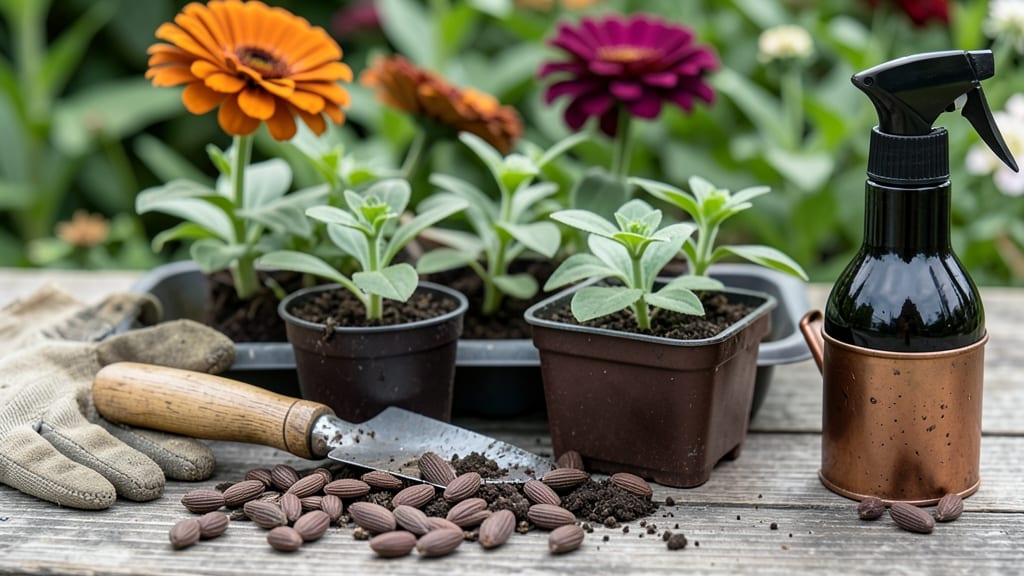
Growing zinnias from seed to flower in just 60 days is like watching a garden magic show. 🌱 The secret starts with the right timing—plant seeds indoors 6-8 weeks before your last frost, or directly in the garden when soil reaches 60°F. I’ve seen these vibrant blooms transform a dull patch into a hummingbird magnet, all from tiny seeds that sprout in just 5-10 days.
You’ll need a sunny spot (6+ hours of light daily), well-draining soil, and patience for the 60-day journey. The key is keeping seedlings moist but not soggy—overwatering is the #1 killer of young zinnias.
Once they’re 2-3 inches tall, thin them to 6-12 inches apart so they don’t compete for nutrients. I’ve learned that skipping this step leads to leggy, weak plants that flop in summer heat.
By week 8, you’ll see those first buds forming, and within weeks, your garden will explode with color. The blooms last all summer, attracting bees, butterflies, and hummingbirds—my zinnias are always the busiest spot in the yard.
The best part? Deadheading spent flowers keeps them producing until frost. It’s that simple.
Works for garden beds, containers, or even window boxes—just adjust spacing and watering. Here’s the full step-by-step to turn those seeds into a pollinator paradise before you know it.
📚 In This Guide
- What you need
- Instructions
- Tips and common mistakes
- Wrapping up and next steps
What you need
- ● Zinnia seeds: Choose heirloom or hybrid varieties (e.g., Zinnia elegans). Start with 3–5 seeds per pot or 10–20 seeds per square foot in a garden bed.
- ● Seed-starting mix: A lightweight, sterile seedling mix (avoid garden soil—it’s too dense!). Use 1–2 cups per 4-inch pot.
- ● Containers: For indoors: 4-inch biodegradable pots or seed trays with cells.
- ● For direct sowing: well-drained garden soil (zinnias thrive in full sun and tolerate poor soil).
- ● Watering can or spray bottle: A gentle misting nozzle prevents seed displacement.
- ● Grow lights or sunny windowsill: 12–16 hours of light daily (south-facing window or LED grow lights 2–3 inches above seedlings).
- ● Fertilizer: A balanced, water-soluble fertilizer (10-10-10) or compost tea (diluted to half-strength) for seedlings.
- ● Heat mat: Speeds up germination (set to 70–75°F).
- ● Humidity dome or plastic wrap: Keeps seeds moist until sprouting.
- ● Transplanting tweezers: For delicate seedling handling.
- ● Stakes or cages: 6-inch tall supports for taller varieties (e.g., ‘Benary’s Giant’).
- ● Pruning shears: To deadhead spent blooms and encourage bushier growth.
Step-by-step instructions for growing zinnias from seed to flower
Here's how to get vibrant zinnias blooming in just 60 days—bright colors that butterflies and bees can't resist.
🌱 Step 1: Start Seeds Indoors or Direct-Sow After Frost
Zinnia seeds germinate best in warm soil, so wait until after your last frost date or start them indoors 4-6 weeks before transplanting. Fill seed trays with light, well-draining potting mix and press seeds ¼ inch deep, spacing them ½ inch apart. I like to use a toothpick to make tiny holes—it gives seeds consistent depth without burying them too deep.
Keep the soil consistently moist but not soggy. A spray bottle works best for even moisture without disturbing seeds. Place trays in a warm spot (70-75°F) like on top of the fridge or under a heat mat. You'll see sprouts in 7-14 days, but germination can take longer in cooler conditions. If you're in doubt, check the packet for your specific variety's timing.
☀️ Step 2: Harden Off and Transplant Seedlings
When seedlings have 2-3 sets of true leaves (the first leaves that aren't the initial seed leaves), it's time to harden them off. Start by placing them outside in a sheltered spot for 1-2 hours the first day, gradually increasing time over 5-7 days. This prepares them for full sun without shock.
Choose a sunny spot in your garden that gets at least 6-8 hours of direct sunlight daily. Zinnias love heat and thrive in full sun. Space seedlings 6-12 inches apart, depending on the variety—taller zinnias need more room. Plant them at the same depth they were in their trays, and water deeply right after transplanting to help roots settle.
💧 Step 3: Water and Fertilize for Strong Growth
Zinnias are drought-tolerant once established, but young plants need consistent moisture. Water at the base of the plant in the morning to avoid fungal issues. Let the top 1-2 inches of soil dry out between waterings—this prevents weak stems and encourages strong root growth. Overwatering is the biggest mistake beginners make, so don't keep the soil soggy.
Feed seedlings with a balanced, water-soluble fertilizer (like 10-10-10) diluted to half strength every 2-3 weeks once they're established. I skip fertilizer for the first few weeks—zinnias grow fast on their own, and too much nitrogen can make them leggy instead of bushy. Watch for new growth; when you see 4-6 inches of height, it's time to start pinching back the tips to encourage bushier plants.
✂️ Step 4: Deadhead and Support for Continuous Blooms
Deadheading—removing spent blooms—keeps zinnias producing flowers all season. Pinch or cut back the flower stems just above a set of leaves or a new bud. I do this every 3-5 days during peak bloom time. The more you deadhead, the more flowers you'll get—it's like giving your zinnias a fresh start every time.
Taller varieties may need staking or support, especially in windy areas. Install stakes or cages before the plants get too tall—zinnias have deep roots and hate being moved once established. If you wait until they're top-heavy, they'll flop over when the first rain or breeze hits. A simple tomato cage works great for most varieties.
🌿 Step 5: Enjoy and Extend the Blooming Season
Zinnias typically bloom 60-75 days after sowing, but with the right care, they can keep flowering until frost. Watch for signs of stress like yellowing leaves or wilting—this usually means they need more water or are struggling with heat. Mulch around the base with 2-3 inches of organic mulch to retain moisture and keep roots cool.
To extend the season, save seeds from your best blooms. Let a few flowers go to seed at the end of the season, then collect the dried seed heads. Store them in a cool, dry place until next year. You'll have zinnias ready to plant again in no time, and you'll love watching pollinators flock to your garden all summer long.
Tips & tricks for growing vibrant zinnias
These simple strategies will help you grow zinnias that bloom brighter and last longer—without the guesswork.
Seed Starting Secret: If you're starting seeds indoors, use clear plastic domes or plastic wrap to create a mini greenhouse effect over your seed trays. This keeps humidity high and speeds up germination from the usual 7-14 days to just 5-7 days. Just remember to remove the cover once sprouts appear to prevent mold. The warm 70-75°F temperature from your fridge top or heat mat works perfectly with this setup.
Hardening Off Hack: I've found that using a small shade cloth (even a piece of cheesecloth) during the hardening off process helps seedlings adjust to outdoor conditions more smoothly. Start with just 30 minutes of shade on day one, then gradually reduce the shade time over your 5-7 day hardening schedule. This mimics natural sun exposure while protecting tender leaves.
Sunlight Strategy: While zinnias love their 6-8 hours of daily sun, they can actually handle more if your climate is hot. In areas with intense afternoon sun, I recommend placing them in a spot that gets morning sun and afternoon shade during peak summer months. This prevents heat stress while still giving them plenty of light to thrive.
Deadheading Timing: The key to continuous blooms is consistency—don't wait until flowers are completely spent to deadhead. When you see petals start to curl back or drop, that's your cue to snip them off. I like to do this first thing in the morning when the plants are dry, using clean pruners or even my fingers. This 3-5 day schedule keeps your zinnias producing flowers all season long.
Pro Tips for Zinnia From Seed To Flower
- These simple strategies will help you grow zinnias that bloom brighter and last longer—without the guesswork.
- Seed Starting Secret: If you're starting seeds indoors, use clear plastic domes or plastic wrap to create a mini gree...
- Hardening Off Hack: I've found that using a small shade cloth (even a piece of cheesecloth) during the hardening off ...
Frequently asked questions
Got questions about growing zinnias from seed to showstopping blooms? You’re in the right place! Here are answers to the most common queries—because even the best gardeners need a little help sometimes.
How long does it take for zinnia seeds to germinate?
Zinnia seeds typically sprout in 5–10 days after planting, depending on soil warmth (ideal temp: 70–80°F). Keep soil moist but not soggy, and place seeds in a sunny spot or under grow lights. Pro tip: Don’t bury seeds too deep—just press them lightly into the soil (¼ inch max). Patience pays off with those first tiny sprouts!
Can zinnias grow in partial shade?
While zinnias thrive in full sun (6+ hours/day), they can tolerate partial shade (3–6 hours of sun), especially in hot climates. In shadier spots, expect fewer blooms and leggier stems. If your garden is shady, opt for shorter varieties like ‘Thumbelina’ or ‘Crystal’ for better results. Pro tip: Rotate pots or move containers to follow the sun!
Why aren’t my zinnia flowers lasting long?
Zinnias are self-cleaning—deadheading (removing spent blooms) isn’t mandatory, but it encourages more flowers! If blooms fade fast, check for:
- Overcrowding: Thin seedlings to 12–18 inches apart for airflow.
- Pests: Spider mites or aphids can stress plants. Spray with water or neem oil.
- Heat stress: Mulch to retain moisture in hot climates.
What’s the best way to overwinter zinnia seeds?
Zinnias are annuals, but you can save seeds for next year! Let a few blooms mature fully (they’ll turn brown and papery). Harvest seeds when dry, store them in a cool, dry place (like a paper envelope), and label them. Seeds stay viable for 2–3 years. Pro tip: Collect seeds from the healthiest, most vibrant flowers for best results!
Can I grow zinnias in containers?
Zinnias adapt well to containers with at least 6-inch-deep pots and good drainage. Use a lightweight potting mix and place pots in full sun. Dwarf varieties like ‘Crystal’ or ‘Profusion’ are perfect for small spaces. Pro tip: Add a slow-release fertilizer to keep blooms abundant all season!
Still stumped? Drop your zinnia woes in the comments—we’ve got you covered!
Wrapping up and next steps
Growing zinnias from seed is a rewarding journey that yields vibrant blooms in just 60 days—perfect for attracting pollinators and brightening your garden! 🌸 With the right soil, sunlight, and care, you’ll enjoy a burst of color that’s both beautiful and beneficial to bees and butterflies.
Ready to level up your gardening skills? Try experimenting with different zinnia varieties or even saving seeds for next season. Happy planting—your garden (and pollinators) will thank you! 🌱✨