
Lawn
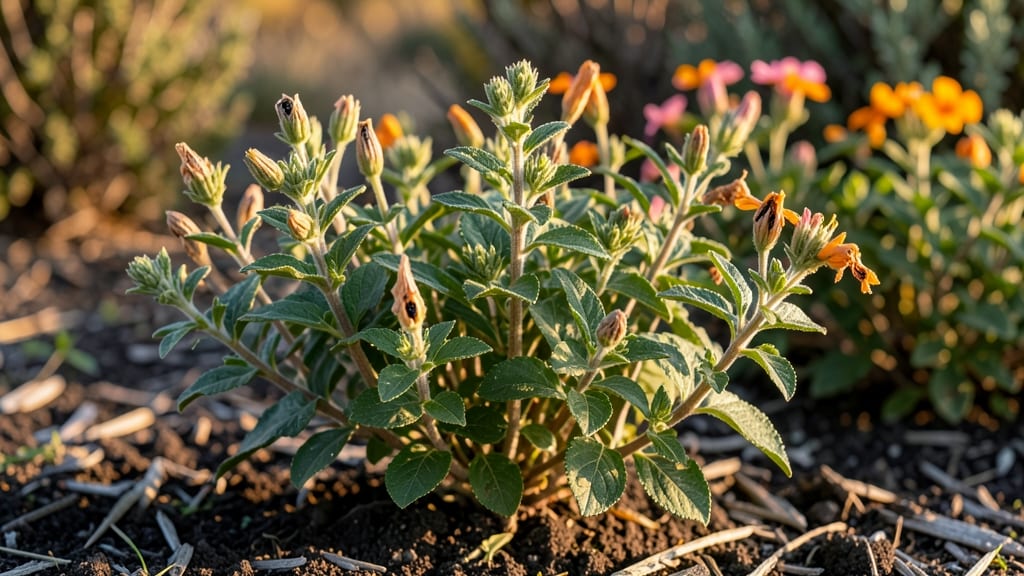
Lantana seed pods look like tiny, twisted wooden capsules that cling to the stems after the flowers fade. 🌿 These dried, papery structures—about the size of a pea—turn from green to brown as they mature, splitting open when ready to release seeds.
They grow in clusters where the bright orange or yellow blooms once were, often persisting through winter unless pruned away. The texture is dry and brittle, almost like crumpled paper, and they feel surprisingly light in your hand.
Inside each pod are dozens of tiny, dust-like seeds that spread easily with wind or wildlife. While they’re fascinating to observe, these pods signal the plant’s aggressive nature—lantana is invasive in many regions, choking out native species if left unchecked.
Collecting seeds from these pods is possible but rarely practical, since lantana spreads so vigorously from cuttings or root fragments. The seeds themselves are non-toxic to humans but pose a serious ecological threat. If you’re growing lantana, deadheading spent blooms before pods form helps control its spread.
For gardeners, the best approach is to enjoy the flowers while monitoring the plant’s growth. If lantana escapes your intended space, removal is key—these seed pods are nature’s way of ensuring it never stays contained.
📚 In This Guide
- What you need
- Instructions
- Tips and common mistakes
- Wrapping up and next steps
What you need
- ● Lantana plant: A mature, flowering lantana bush (preferably with seed pods forming). Look for Lantana camara or similar species in your region.
- ● Pruning shears or scissors: Sharp, clean pair (sterilize with rubbing alcohol if reusing).
- ○ Gloves (optional but recommended): Nitrile or latex gloves to protect hands from sap or potential irritants.
- ● Clear plastic bag or container: Small, sealable bag (quart-sized) to collect pods without crushing them.
- ● Magnifying glass or hand lens: 10x magnification ideal for inspecting seed pod details.
- ● Notebook & pencil: For sketching or recording observations (e.g., pod shape, color, or seed count).
- ● Camera or smartphone: With macro mode or a close-up lens for high-quality photos.
- ● Forceps or tweezers: For gently removing seeds from pods without damaging them.
- ● Ruler or caliper: To measure pod dimensions (length, width, or thickness).
- ● Drying tray or paper towels: If you plan to preserve pods for long-term study.
- ● Labeling tags: Small tags + markers to label collected pods by date/location.
- ● Safety goggles: If handling large quantities of pods (to avoid accidental seed dispersal).
- ● Knowledge of lantana: Familiarize yourself with local regulations—some regions consider lantana invasive! Check with your local agricultural extension office.
- ● Weather conditions: Collect pods on a dry, calm day to avoid crushing or losing seeds.
- ● Allergies/sensitivities: Test a small area of skin if handling lantana sap (some people may experience irritation).
How to identify and harvest lantana seed pods
Recognizing these distinctive pods is key to propagating lantana or preventing unwanted spread.
🌱 Step 1: Spot the Pods on Mature Flowers
Lantana seed pods form after bright orange, yellow, or pink flowers fade and drop. Look for small, pea-sized green capsules that appear where flowers once bloomed. These pods start as smooth, round bumps about ¼ inch wide—easy to overlook if you're not watching closely.
Here's the thing—these pods don't stay green forever. As they mature, they develop a distinctive twisted, wooden texture that makes them unmistakable. The transformation happens over 4-6 weeks after flowering, so patience pays off. Run your fingers gently over the stem clusters—you'll feel the rough, segmented texture that sets lantana pods apart from other plants.
🪴 Step 2: Watch for the Signature Twisting Pattern
The defining feature is the spiral twisting that occurs as the pod dries. Start at the base and move upward—you'll see 2-4 segments that coil like a tiny wooden corkscrew. This twisting happens in clockwise or counterclockwise directions, depending on the plant.
I always check pods under bright light to see the twisting clearly. Hold one between your fingers and rotate it—you'll notice the segments don't just split open like a pea pod. Instead, they peel back in layers, revealing the seeds inside. This unique structure is what makes lantana pods so recognizable in the garden.
⏰ Step 3: Harvest at Peak Ripeness
Timing matters for seed collection. Wait until the pods turn brown and papery—this usually happens in late fall or early winter in most climates. If you harvest too early, the seeds won't be fully developed. If you wait too long, the pods may split open naturally and scatter seeds everywhere.
Gently twist the pod from the stem (no need to cut)—it should come off easily when fully mature. Place them in a paper bag to dry completely for 3-5 days in a warm, dry spot. This prevents mold and ensures maximum seed viability. Once dry, you can open the pods by hand to release the tiny, flat, brown seeds inside.
💧 Step 4: Store Seeds Properly for Planting
Lantana seeds lose viability quickly if stored improperly. After harvesting, place the seeds in a small envelope with a moisture-absorbing packet (like those used for electronics). Store them in a cool, dark place—I use the back of my fridge—where they'll stay fresh for 6-12 months.
Before planting, soak the seeds in warm water for 24 hours to soften their tough outer coating. This step dramatically improves germination rates. Plant them ¼ inch deep in well-draining soil, keeping the surface lightly moist until sprouts appear in 10-14 days. The key is consistency—lantana seeds need steady moisture but hate soggy conditions.
Tips & tricks for spotting and harvesting lantana seed pods
Here's what nobody tells you about finding those elusive seed pods—these tricks will save you hours of searching.
Texture is Your Best Friend: In Step 1, when you're looking for those pea-sized green capsules, focus on the texture more than the color. The pods start smooth but develop a rough, almost sandpaper-like surface as they mature. I learned this the hard way after missing pods that were already turning brown but still looked green from a distance. Run your thumb over clusters—you'll feel the subtle change before you see it.
Light Makes All the Difference: For Step 2, when you're checking for the signature twisting pattern, hold pods up to bright light or even shine a flashlight through them. The twisting becomes much more visible when light passes through the segments. I keep a small flashlight in my gardening toolkit just for this—it's changed how I identify mature pods every time.
Timing is Everything: In Step 3, that 4-6 week window after flowering is critical. I've found that pods harvested in late fall (around October) in my zone 8 climate always yield the most viable seeds. If you're in a different climate, watch your local frost dates—harvest should happen just before the first frost. The pods need that dry, cool period to fully mature.
Storage Hack: For Step 4, when storing seeds, I've had the best luck using small envelopes with a tiny silica gel packet (the kind that comes with electronics). These packets absorb any moisture that might cause mold. I label each envelope with the harvest date—this helps me track seed viability over time.
Pro Tips for What Do Lantana Seed Pods Look Like
- Here's what nobody tells you about finding those elusive seed pods—these tricks will save you hours of searching.
- Texture is Your Best Friend: In Step 1, when you're looking for those pea-sized green capsules, focus on the texture more than the color.
- Light Makes All the Difference: For Step 2, when you're checking for the signature twisting pattern, hold pods up to bright light or even shine a flashlight through them.
Frequently asked questions
Got questions about lantana seed pods? You’re not alone! Here are some of the most common queries—plus quick, practical answers to help you identify, manage, or even work with these tricky little pods.
What do lantana seed pods look like when they’re still on the plant?
When fresh, lantana seed pods appear as small, green or yellowish ovals, about ½ to 1 inch long. They’re smooth and slightly woody, resembling tiny, twisted wooden capsules. As they mature, they turn brown and develop a papery texture—but they stay closed until dry. Think of them as nature’s puzzle boxes!
How long does it take for lantana seed pods to open and release seeds?
Lantana seed pods typically take 4–8 weeks to fully mature after flowering. Once dry and brown, they’ll pop open with the slightest touch, scattering seeds up to 10 feet away. If you’re dealing with an infestation, remove pods before they dry—or risk a wildflower explosion (that’s bad news for your lawn!).
Are lantana seed pods dangerous to touch or pets?
No, the pods themselves aren’t toxic, but lantana plants are invasive and can crowd out native species. While pets might chew on them out of curiosity, the real risk is ingesting the seeds, which can cause mild stomach upset. If your pet munches on lantana, monitor them and contact a vet if symptoms (like vomiting or lethargy) appear. Better safe than sorry!
How can I tell the difference between lantana seed pods and other similar-looking pods?
Lantana pods are unique in their twisted, wooden appearance—here’s how to spot them:
| Feature | Lantana Seed Pod | Other Pods (e.g., Milkweed, Verbena) |
|---|---|---|
| Shape | Oval, slightly twisted like a corkscrew | Round, flat, or straight (e.g., milkweed’s long, spiky pods) |
| Texture | Woody, papery when dry | Soft, fuzzy, or leathery |
| Color | Green → brown when mature | Often stay green or turn black |
Pro tip:
If it’s closed and wooden, it’s likely lantana!
Can I use lantana seed pods for anything (like crafts or gardening)?
While lantana pods are beautiful in dried arrangements, their invasive nature makes them a high-risk choice for gardening. However, you can use them for:
- Dried floral crafts: String them for rustic wreaths or potpourri (just sterilize first with alcohol).
- Seed dispersal studies: Observe how they explode when dry (great for kids’ science projects!).
- Composting: Crush dry pods and add to compost only if you’ve confirmed no seeds remain.
Warning:
Never plant seeds—even “just for fun.” One pod can take over a yard in a season!
Wrapping up and next steps
Now that you’ve learned to spot lantana seed pods—those twisted, woody capsules hiding tiny seeds—you’re equipped to tackle them like a pro! 🌿 Whether you’re managing an overgrown yard or just curious about nature’s quirks, recognizing these pods helps you control their spread before they take over. Next up: grab your gloves and tools, and take action!
Remove those pods safely to keep your lawn lush and your garden thriving.