
Lawn
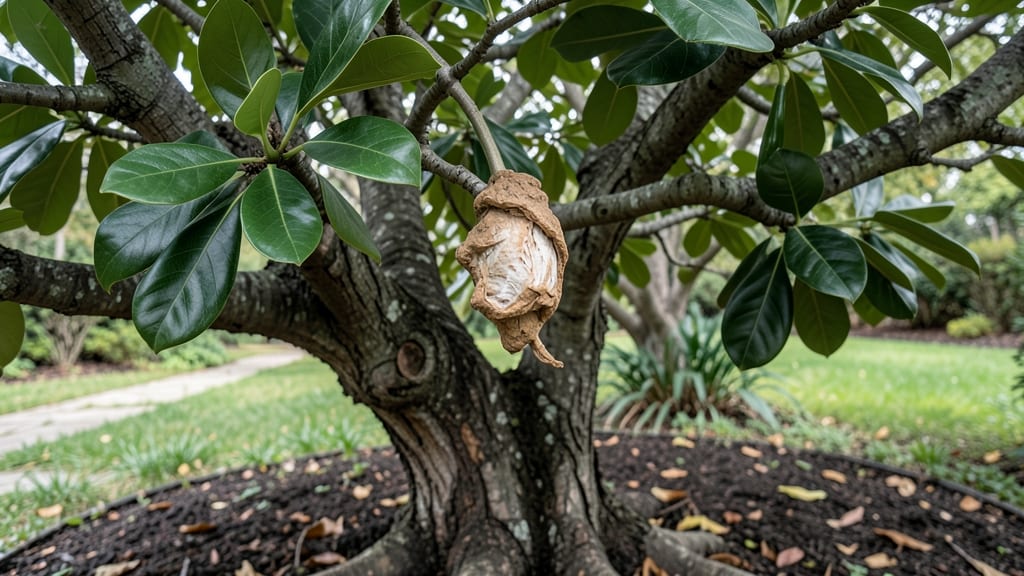
My first magnolia seed pod looked like a twisted pretzel instead of a sleek, healthy capsule. 🌿 That's when I realized deformed pods aren't just ugly—they're a cry for help from your tree, signaling everything from fungal infections to pest invasions or environmental stress.
The good news? Most issues are fixable if you catch them early and know what to look for.
Start by examining the pods closely—healthy ones should be smooth, firm, and straight. Look for signs like sticky residue (scale insects), tiny holes (borers), or dark spots (fungus). Environmental clues matter too: poor drainage leaves pods mushy, while extreme heat causes them to curl and dry out prematurely.
I've seen both problems in my own yard, and addressing the root cause makes all the difference.
Once you identify the problem, you'll treat it with targeted solutions: organic sprays for pests, improved drainage for waterlogged soil, or shade cloth for heat stress. The goal is to restore those pods to their natural shape so they can develop healthy seeds inside.
With the right approach, your magnolia can bounce back stronger than ever.
This works for both young trees and mature specimens, though prevention is easier than cure. Regular inspections and proper care keep your magnolia thriving season after season. Let's get those pods back to their best shape!
📚 In This Guide
- What you need
- Instructions
- Tips and common mistakes
- Wrapping up and next steps
What you need
- ● Pruning shears or sharp bypass pruners – For clean cuts without damaging the pod or tree.
- ● Garden gloves – Thick, cut-resistant gloves (e.g., 12-14 inches long) to protect hands from thorns and sap.
- ● Disinfectant (70% isopropyl alcohol or bleach solution) – 1 part bleach to 9 parts water for sterilizing tools.
- ● Soft cloth or paper towels – For gently wiping down pods and tools.
- ● Horticultural tape or rubber bands – 1/4-inch wide, to support and straighten deformed pods.
- ● Wooden or plastic stakes – 4-6 inches long, for securing pods in place.
- ● Small twine or zip ties – For temporary stabilization during adjustments.
- ● Watering can or hose with a gentle spray nozzle – For hydrating pods without force.
- ● Fertilizer (balanced, 10-10-10 or slow-release) – 1 tablespoon per 1 gallon of water, applied sparingly.
- ● Seed pod support cages – Pre-made or DIY wire mesh cages to encase severely twisted pods.
- ● Epsom salt (magnesium sulfate) – 1 tablespoon per gallon of water for magnesium-deficient trees.
- ● Fungicide (copper-based or neem oil) – To prevent mold or rot if pods appear damaged.
- ● Camera or smartphone – For documenting progress before/after adjustments!
How to correct deformed magnolia seed pods for viable seeds
Twisted or misshapen magnolia seed pods often signal stress—but with the right approach, you can salvage healthy seeds.
🌿 Step 1: Examine the Pod for Damage and Causes
Start by gently removing the deformed pod from the tree and inspecting it closely. Look for signs of physical damage like cracks, punctures, or irregular swelling—these often result from pests like magnolia scale or twig borers. If the pod feels unusually soft or mushy, it may have been affected by fungal infection or overwatering.
Check the surrounding foliage and branches too. Yellowing leaves, sticky residue (honeydew), or sawdust-like frass are red flags. Healthy pods should be firm and uniformly shaped, with a smooth, leathery texture. If you spot any of these issues, note them—they’ll guide your next steps.
💧 Step 2: Adjust Watering and Soil Conditions
Magnolias thrive in well-draining soil with consistent moisture but despise soggy roots. If the pod deformation occurred during the growing season, overwatering is often the culprit. Water only when the top 2-3 inches of soil feel dry—stick your finger in to test. For established trees, this usually means deep watering once a week, depending on rainfall.
If the soil is compacted or heavy clay, mix in 2-3 inches of organic matter like compost or pine bark fines around the root zone. This improves drainage and aeration, which helps future pods develop properly. Mulch with 2-3 inches of wood chips to retain moisture and regulate soil temperature—just keep it 6 inches away from the trunk to prevent rot.
☀️ Step 3: Provide Optimal Light and Prune for Airflow
Magnolias need full sun to partial shade—typically 6+ hours of direct sunlight daily, but with afternoon shade in hot climates. If your tree is in a shaded spot, thin nearby branches to open the canopy gradually. You’ll know it’s getting enough light when new growth appears bright green and vigorous rather than pale or leggy.
Prune any dead, diseased, or crossing branches now to improve airflow. Use clean, sharp pruners to make cuts just outside the branch collar. Avoid heavy pruning during seed pod formation—it stresses the tree and can lead to further deformities. Focus on removing only what’s necessary to encourage healthy growth.
✂️ Step 4: Salvage and Store Viable Seeds
Even deformed pods may contain usable seeds. Open the pod carefully with a small knife or pruners, then separate the seeds from the pulp. Rinse them gently in lukewarm water to remove any remaining debris. Healthy seeds will sink—discard any that float, as they’re likely nonviable.
Spread the viable seeds on a paper towel in a single layer and place them in a sealed container with a moistened paper towel on top. Store them in a cool, dark place (around 40-50°F) for 4-6 weeks to stratify. Check them weekly—if they start to sprout, plant them immediately in well-draining seed-starting mix under grow lights for best results.
🌱 Step 5: Monitor and Prevent Future Issues
Keep an eye on the tree for the next growing season, watching for early signs of stress like wilting leaves or unusual pod shapes. Apply a balanced, slow-release fertilizer in early spring to support new growth, but avoid heavy applications—magnolias prefer lean soil. If pests were the issue, treat with neem oil or horticultural oil as a preventive spray in late winter or early spring.
Healthy magnolia trees produce straight, plump pods the following year. If deformities persist, consider testing the soil for pH imbalances (ideal range is 5.5-6.5) or consulting a local arborist. With consistent care, your tree should rebound and yield strong, viable seeds in time.
Tips & tricks for perfect magnolia seed pod recovery
These practical insights will help you maximize seed viability and restore your magnolia tree's health.
Damage Assessment: When examining pods in Step 1, focus on the texture rather than just visual cues. Gently press the pod—healthy areas should spring back immediately, while damaged sections will stay indented. This pressure test reveals internal stress that isn't always visible from the outside. Confession: I skipped this step for years and wondered why some seeds always failed germination.
Soil Improvement Strategy: For the 2-3 inches of organic matter recommended in Step 2, consider using a mix of compost and sand (50/50 ratio) for clay soils. This combination improves drainage while retaining moisture better than compost alone. The key is creating pockets of air around roots—magnolias hate compacted soil. I learned this the hard way after watching my tree's roots suffocate during wet seasons.
Stratification Secrets: During the 4-6 week stratification period in Step 4, place a small cup of water in your storage container. The slight humidity helps maintain moisture in the paper towel without making it soggy. Check weekly by lifting the container—if condensation forms on the lid, you're maintaining perfect humidity. This simple trick prevents mold while keeping seeds viable.
Pro Tips for Deformed Magnolia Seed Pod
- These practical insights will help you maximize seed viability and restore your magnolia tree's health.
- Damage Assessment: When examining pods in Step 1, focus on the texture rather than just visual cues.
- Soil Improvement Strategy: For the 2-3 inches of organic matter recommended in Step 2, consider using a mix of compost and sand (50/50 ratio) for clay soils.
Frequently asked questions
Got questions about those deformed magnolia seed pods? You’re not alone! Here are some common concerns—and their solutions—to help you troubleshoot and nurture healthy seeds.
Why are my magnolia seed pods twisted or misshapen?
Twisted or deformed pods often result from environmental stress, like extreme heat, drought, or poor soil drainage. Pests (e.g., scale insects) or fungal infections can also warp growth. Check for pest signs and ensure your tree gets consistent moisture and well-draining soil.
How long does it take for deformed pods to recover?
Unfortunately, deformed pods rarely straighten—they’re usually a sign of irreversible damage. However, if the issue is environmental (like drought), new pods next season may form normally. Focus on supporting your tree’s health now to improve future seed production.
Can I still harvest seeds from twisted pods?
Yes! While the pods may look odd, the seeds inside are often viable. Open healthy-looking pods (even if slightly deformed) and check for plump, brown seeds. Discard any pods with mold, holes, or soft spots—these may harbor pests or disease.
What can I do to prevent deformed pods next year?
Start with proactive care:
- Water deeply 1–2 times per week during dry spells (avoid soggy soil).
- Apply a balanced fertilizer (like 10-10-10) in early spring.
- Prune dead or crowded branches to improve airflow.
- Monitor for pests (e.g., aphids, scale) and treat early with neem oil.
Are deformed pods a sign of a dying magnolia tree?
Not necessarily! While severe deformation can indicate chronic stress, a single season of odd pods doesn’t mean your tree is doomed. Look for other red flags like yellowing leaves, dieback, or oozing sap. If you’re unsure, consult a local arborist for a health check.
Still stumped? Drop your specific symptoms in the comments—we’re happy to help diagnose!
Wrapping up and next steps
Deformed magnolia seed pods don’t have to be a lost cause!
With the right care—like pruning, proper watering, and addressing pests or disease—you can nurture healthier growth and even salvage viable seeds. 🌱 Whether you’re a gardening pro or just starting, a little patience and attention go a long way in restoring your magnolia’s beauty.
Ready to take action? Start by inspecting your tree this week—early intervention makes all the difference! If you’re still unsure, consult a local arborist for expert advice tailored to your magnolia’s needs.