
Trees
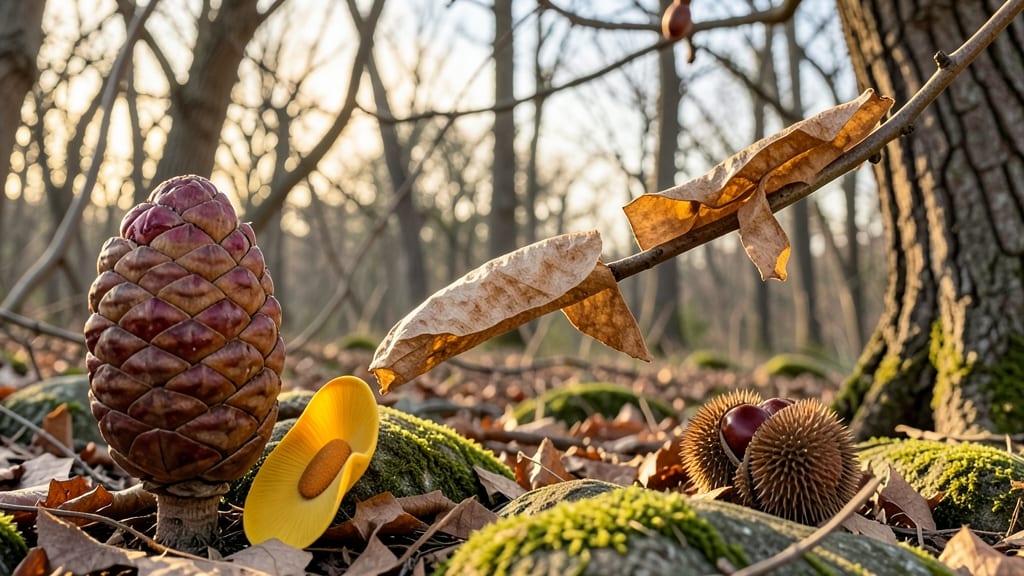
Collecting tree seed pods turns your fall walks into a treasure hunt for next year's forest. 🌳 I've gathered acorns, maple samaras, and pine cones for years—each pod holds the potential for a new tree, and the process is simpler than you'd think, even if you've never tried it before.
The key is knowing when and how to harvest them: acorns need to be fully mature but not rotting, maple samaras should still be attached to their twigs, and pine cones should open easily.
Once you collect them, proper drying and storage are what keeps them viable through winter—no fancy equipment needed, just patience and a cool, dry spot.
You'll end up with a stash of seeds ready to plant in spring, each one capable of growing into a tree that provides shade, wildlife habitat, or even fruit for decades. The satisfaction of watching a tiny seedling become a towering oak is unmatched, and the best part?
You're giving back to the ecosystem while learning a skill that connects you to nature.
Works for any backyard or public green space, and the techniques adapt to different tree species. Let's get those pods collected and ready for planting season!
📚 In This Guide
- What you need
- Instructions
- Tips and common mistakes
- Wrapping up and next steps
What you need
- ● Tree seed pods: Collect from mature, healthy trees (e.g., maple, oak, or lotus). Aim for at least 20-50 pods per species for better viability.
- ● Paper bags (kraft or brown): 10-20 bags (size: 8x10 inches). These allow airflow to prevent mold.
- ● Envelopes (padded or manila): 5-10 envelopes (size: 4x9 inches) for smaller seeds or delicate pods.
- ● Permanent markers or labels: 1 pack. Label pods with tree species, date, and location.
- ● Plastic containers (airtight): 2-3 containers (size: quart or gallon) for long-term storage.
- ○ Silica gel packets (optional): 1-2 packets to absorb moisture in sealed containers.
- ● Pruning shears or gloves: 1 pair each. Protects hands and helps with delicate pods.
- ● Small brush or tweezers: 1 each. Useful for removing debris or separating seeds.
- ● Drying rack or mesh screen: 1 unit. Speeds up drying if pods are damp.
- ○ Humidity monitor (optional): 1 unit. Ideal for storing pods in low-humidity environments (30-40%).
- ● Notebook or seed-saving journal: 1 notebook. Track pod sources, germination tests, and notes.
- ● Knowledge of local tree species: Research or consult a local arborist to identify non-invasive, native trees.
- ● Permission to collect: Ensure you’re on private or public land with harvesting rights.
- ● Patience: Some pods (like oak acorns) need 6-12 months of stratification before planting!
Instructions for collecting and saving tree seed pods
Here's how to gather and store tree seeds with minimal effort—no fancy tools needed.
🌱 Step 1: Identify and Harvest Mature Seed Pods
Look for pods that have turned brown or dry and feel lightweight when held—these are ready. Avoid green or firm pods; they won’t contain viable seeds. I like to harvest on dry, sunny days when pods are easiest to handle without sticking to my gloves.
Gently twist or pull pods from the tree, being careful not to damage the branches. If pods are still attached but dry, you can wait until they release seeds naturally onto the ground below. Collect fallen pods from the ground too—just shake them over a clean cloth or paper bag to catch any seeds already released.
🪴 Step 2: Extract and Clean the Seeds
Spread the collected pods on a clean, flat surface like a baking sheet or large piece of cardboard. Let them dry completely in a shady, well-ventilated spot for 1-2 days. This prevents mold from forming when you store them later.
Once the pods are fully dry, crack them open by hand or gently crush them with a rolling pin. Pour the contents through a fine-mesh sieve to separate seeds from chaff and debris. Discard any seeds that look shriveled, discolored, or damaged—these won’t germinate. Store the good seeds in a paper envelope labeled with the tree type and collection date.
☀️ Step 3: Store Seeds for Long-Term Viability
Place the labeled envelopes in a cool, dry place like a pantry or seed storage box. Most tree seeds stay viable for 1-5 years if kept at 40-50°F and 30-50% humidity. Avoid refrigeration unless you’re storing them for more than 5 years—temperature fluctuations can reduce germination rates.
Check your stored seeds once a year for signs of mold or pests. If you notice anything off, transfer them to a new envelope immediately. For extra protection, you can add a small silica gel packet to the storage container to absorb excess moisture.
⏰ Step 4: Test Seed Viability Before Planting
Before planting, perform a simple float test: Fill a bowl with room-temperature water and drop a handful of seeds in. After 15-20 minutes, remove any seeds that float—they’re likely non-viable. Sinkers should be saved for planting.
For a more accurate test, try paper towel germination: Place a damp paper towel in a sealed plastic bag with 10-20 seeds. Store it in a warm, dark spot like a cabinet and check for sprouts in 7-14 days. If 50% or more sprout, your seeds are ready for planting. If fewer than half sprout, consider collecting fresh pods next season.
🌿 Step 5: Plant or Share Your Seeds
When ready to plant, soak the seeds in lukewarm water for 12-24 hours to soften hard seed coats and speed up germination. Plant them in well-draining soil at the depth recommended for your specific tree type—usually 1-2 times the seed’s diameter. Water lightly and keep the soil moist but not soggy until germination.
If you’ve collected more seeds than you need, share them with fellow gardeners or local nurseries. Many tree species benefit from wild planting—just check local regulations first to ensure you’re not introducing invasive species. A little sharing goes a long way in supporting biodiversity!
Tips & tricks for perfect tree seed pod collection
These simple strategies will help you gather and store viable seeds with minimal fuss—no green thumbs required.
Timing is Everything: Harvest pods when they're completely dry and brown, but before they split open naturally on the tree. This usually happens in late summer to early fall, depending on your climate. I've found that mornings after a dry night are ideal—the dew isn't sticking to the pods, making collection easier. If you miss the window, fallen pods on the ground still work, but they might attract pests or mold faster.
Drying Strategy: When spreading pods to dry in Step 2, choose a spot with good airflow but indirect sunlight. Direct sun can overheat the pods and cause them to crack prematurely, while poor airflow leads to mold. I like to prop open a window in my garage or use a small fan on low setting. The 1-2 days drying time assumes moderate humidity—if your air feels damp, extend drying to 3 days to be safe.
Seed Sorting Hack: After sieving, place your good seeds on a clean white towel. Under bright light, you'll easily spot any remaining debris or damaged seeds. I also do a quick "tap test"—healthy seeds make a distinct sound when tapped together, while empty pods or debris sound hollow. This extra step saves you from planting duds later.
Storage Upgrade: For seeds you plan to store longer than 5 years, consider vacuum-sealing them instead of using paper envelopes. Vacuum-sealed bags remove oxygen, which slows seed deterioration. Just make sure to label them clearly since you won't be able to see the seeds through the packaging. I've had acorn seeds last 10+ years this way!
Pro Tips for Tree Seed Pods
- These simple strategies will help you gather and store viable seeds with minimal fuss—no green thumbs required.
- Timing is Everything: Harvest pods when they're completely dry and brown, but before they split open naturally on the...
- Drying Strategy: When spreading pods to dry in Step 2, choose a spot with good airflow but indirect sunlight. Direct ...
Frequently asked questions
Got questions about collecting and saving tree seed pods? You’re not alone! Here are some of the most common queries—plus quick, practical answers to help you avoid frustration and maximize success.
When is the best time to collect seed pods from trees?
The ideal time varies by species, but late summer to early fall (when pods turn brown/dry) is usually best. For example, maple samaras (helicopter seeds) mature in late summer, while acorns ripen in September–October. Check your local tree’s typical seed drop schedule—some pods even release seeds in winter!
How do I know if a seed pod is viable for planting?
Viability depends on firmness, color, and smell. Healthy pods should be dry, hard, and free of mold or pests. Test them: Squeeze gently—if they’re brittle but not powdery, they’re likely good. For extra assurance, soak seeds in water for 24 hours; viable ones will sink. Pro tip: Store pods in a cool, dry place until you’re ready to extract seeds!
What’s the easiest way to store seed pods long-term?
Use paper bags or breathable fabric sacks (not plastic!) to prevent mold. Keep them in a cool, dark place (like a fridge or basement) with a desiccant packet to absorb moisture. Label each bag with the tree type and collection date. Most pods stay viable for 1–2 years—just check for pests or rot before planting.
Why are my collected pods attracting bugs or rotting?
Moisture and poor airflow are the top culprits. If pods are damp, spread them out to dry in a shady, well-ventilated area (like a garage with a fan). For bug issues, freeze pods for 48 hours to kill pests before storage. Never store them in humid areas—like a basement without ventilation—or they’ll spoil quickly.
Can I use seed pods from any tree, or are some toxic?
Some pods are safe (e.g., oak, maple, hickory), while others are toxic if ingested or handled carelessly. Research your tree first! For example, black walnut pods contain juglone (harmful to some plants), and yew seeds are poisonous. When in doubt, wear gloves and avoid planting near edible gardens. When unsure, consult a local nursery or arborist.
Wrapping up and next steps
From the lotus seed pods of summer to the maple samaras of autumn, nature’s bounty is always within reach—if you know where to look! 🌿 With the right tools and a little patience, you can turn seed pods into a year-round treasure trove for gardening, crafts, or even science projects.
Remember, the key is timing and gentle handling to preserve viability.
Now that you’re armed with knowledge, why not step outside and start your collection today? Grab a bag, a notebook, and a sense of adventure—your next gardening project (or a fun family activity!) is just a seed pod away. Happy harvesting! 🌱✨