
Lawn
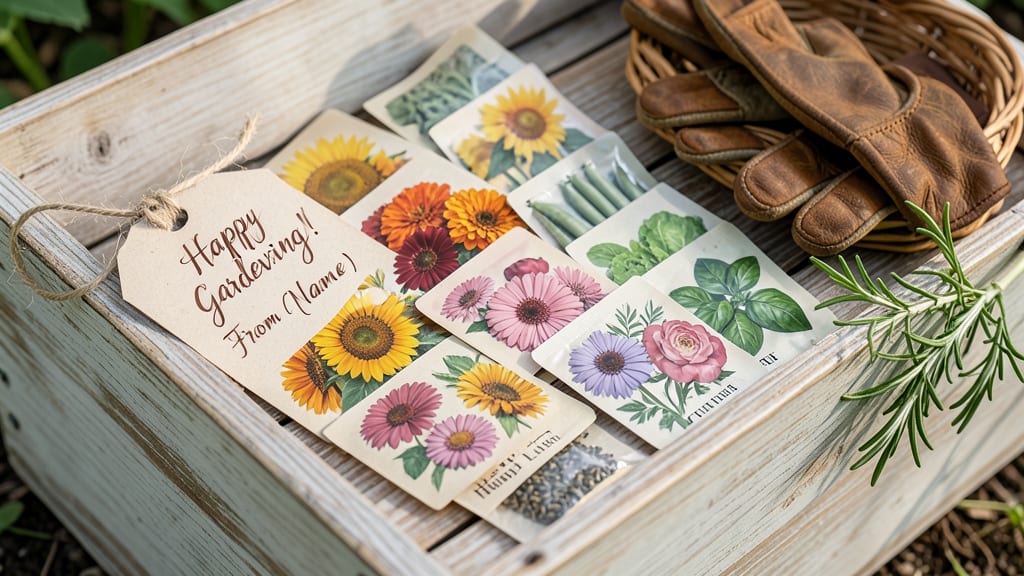
There’s nothing more exciting than watching someone’s face light up when they open a seed gift for gardeners packed with possibilities. 🌱 I’ve given these thoughtful presents for years, and they always spark conversations about next season’s garden plans—whether it’s a rare heirloom tomato or a pollinator-friendly wildflower mix that’ll bring bees buzzing to their yard.
The best seed gifts go beyond just seeds—they tell a story. Pair heirloom varieties like ‘Brandywine’ tomatoes or ‘Black Krim’ tomatoes with a handwritten note about their history.
Or create a themed collection, like a “Moon Garden” with white flowers that glow at night or a “Butterfly Highway” mix of nectar-rich blooms. These aren’t just gifts; they’re invitations to grow something special.
You’ll find that gardeners love receiving seeds almost as much as giving them. The joy of planting something new, watching it thrive, and eventually sharing the harvest (or seeds!) creates a ripple effect of generosity.
Plus, it’s a budget-friendly way to spread the gardening love—no fancy packaging required, just good seeds and a little creativity.
For extra thoughtfulness, include a small tool like a mini hand trowel or seed-starting kit. It turns the gift into a complete experience, making it perfect for beginners or experienced gardeners looking to try something new. The best part? These gifts keep giving long after the wrapping paper is gone.
📚 In This Guide
- What you need
- Instructions
- Tips and common mistakes
- Wrapping up and next steps
What you need
- ● Seeds – Choose heirloom, organic, or rare varieties (e.g., sunflowers, herbs, or native wildflowers). Aim for 5–10 seeds per packet or 10–20 seeds per small bag.
- ● Seed packets or envelopes – Use kraft paper, recycled cardstock, or decorative seed paper (size: 3.5" x 5" for standard packets).
- ● Decorative supplies: Washi tape or ribbon (¼"–½" width)
- ● Stickers or labels (waterproof ink)
- ● Twine or jute string (12"–18" length)
- ● Writing tools – Fine-tip markers, calligraphy pens, or rub-on letters for custom designs.
- ○ Optional add-ons: Mini greenhouse domes or cloche covers (for starter kits)
- ● Potting soil pellets or biodegradable pots
- ● Plant care tags with growing instructions
- ● Themed boxes or tins (e.g., vintage spoons, mini terracotta pots)
- ● Basic crafting skills (tying knots, folding envelopes, or using a hole punch for hanging tags).
- ● Weatherproofing – Seal packets with mod podge or clear laminate if gifting outdoors.
- ● Personalization touch – Handwritten notes or gardener-specific tips (e.g., "Best sown in spring!" or "Full sun lover!").
How to create seed gifts gardeners will treasure
Skip the store-bought gifts—handcrafted seed packets are personal, meaningful, and let you share the joy of growing.
🌱 Step 1: Choose the Right Seeds for Your Recipients
Select seeds based on the recipient's growing conditions and interests. For beginners, include easy-to-grow varieties like marigolds or basil—they deliver fast results and build confidence. Seasoned gardeners will appreciate heirloom tomatoes or rare herbs like Thai basil or lemon balm. Always check the seed packet for days to maturity and light requirements to ensure the seeds suit their climate.
I like to include a mix of annuals (like sunflowers for quick blooms) and perennials (like lavender for long-term beauty). This gives them something to enjoy immediately and something to nurture over time. Group seeds by theme—pollinator mixes, edible gardens, or shade-tolerant varieties—to make the gift feel cohesive and intentional.
📜 Step 2: Design Custom Seed Packets with Thoughtful Details
Start with kraft paper or seed packet templates (available online or from craft stores). Use a fine-tip marker or calligraphy pen to write the seed name, variety, and planting instructions. Include the sowing depth, spacing, and sunlight needs—this shows you’ve put care into the gift. For extra flair, add a watercolor illustration of the mature plant or a hand-drawn sketch of the seedling.
I always include a personalized note with planting tips, like, "These Black Krim tomatoes thrive in full sun and need strong trellises—watch them grow into giant, flavorful fruits!" This makes the gift feel like a mini gardening lesson rather than just seeds. For a cohesive look, use wax seals or twine to tie the packets closed, and stamp them with the year or a simple design.
🎁 Step 3: Assemble the Gift with Practical Extras
Pair the seeds with small tools or accessories to elevate the gift. A mini trowel, biodegradable seed-starting pots, or a handwritten planting calendar adds value and makes the gift feel complete. For herb seeds, include a small ceramic pot or a wooden herb label so they can grow right on their windowsill. If gifting to a beginner, throw in a moisture meter or grow light—these tools remove guesswork and encourage success.
I like to include a small jar of compost or worm castings with a note like, "Mix this into your soil for rich, nutrient-packed beds—your plants will thank you!" This practical touch shows you’ve thought about their long-term gardening needs beyond just the seeds. For a luxury touch, add a handwritten guide with your favorite planting mantras or seasonal tips (like, "Direct-sow these in late spring after the last frost!").
✂️ Step 4: Package with Aesthetic and Functional Appeal
Use recycled materials like burlap sacks, wooden boxes, or upcycled tin cans for packaging. For a rustic look, fill a small wooden crate with layers of dried flowers, seed packets, and plant markers. Label each section clearly—this makes the gift visually appealing and easy to use. If gifting to a succulent lover, pair seeds with a small terracotta pot and a succulent cutting for instant gratification.
I often include a mini greenhouse kit (a clear plastic dome with a seed tray) for recipients who start seeds indoors. This shows you’ve considered their growing method and gives them everything they need to succeed. For a whimsical touch, add pressed flowers or dried citrus slices to the packaging—these natural elements make the gift feel seasonal and special. Always tie the package with jute twine or ribbon for a polished finish.
🌿 Step 5: Add a Handwritten Touch for Lasting Impact
Include a heartfelt note explaining why you chose the seeds and how they’ll thrive. For example, "These heirloom beans are a family favorite—plant them in well-draining soil and watch them climb your trellis all summer!" Personal stories make the gift memorable and meaningful. If you’ve grown the seeds yourself, mention it—recipients will appreciate the connection to your garden.
For a long-term gardening gift, include a planting timeline with key dates (like "Start indoors in March" or "Direct-sow after Memorial Day"). This helps them plan ahead and feel excited about the seasonal journey of growing. I also like to add a small sketch of my own garden or a photo of the mature plant—this gives them a visual goal to work toward. The more personal and practical the gift, the more they’ll cherish it.
Tips & tricks for thoughtful seed gift creations
Here's what I've learned through years of crafting these special gifts—that extra attention to detail transforms a simple seed packet into something truly memorable.
Personalization is Key: The most meaningful seed gifts include a handwritten note explaining why you chose each variety. I always reference the recipient's specific growing conditions in my notes—mentioning their local climate or mentioning that "these sunflowers thrive in your zone 7 garden" shows genuine thought. For example, if you're gifting to someone in a dry climate, highlight drought-tolerant varieties like lavender or rosemary in your note. This makes the gift feel like a personalized gardening consultation rather than just seeds.
Visual Storytelling Matters: When designing your seed packets in Step 2, consider adding a small illustration of the mature plant alongside the planting instructions. I've found that including a tiny sketch of what the plant will look like creates excitement—it gives the recipient a visual goal to work toward. For herbs like basil or lemon balm, I add a simple drawing of the leaves to help with identification. This visual storytelling element makes your gift feel like a complete gardening experience.
Seasonal Timing is Essential: While assembling your gift in Step 3, include a planting timeline with key seasonal dates. I always add notes like "Start these indoors in March" or "Direct-sow after your last frost date" to help recipients plan ahead. For sunflowers, I'll note "Plant these in late spring for summer blooms" to create anticipation. This practical touch shows you've thought about their entire growing season, not just the initial planting.
Material Selection Elevates the Gift: The packaging materials you choose in Step 4 can completely transform your gift's presentation. I recommend using recycled kraft paper for seed packets—they feel more premium than regular paper and align with eco-conscious gardeners. For packaging, consider upcycled tin cans or small wooden boxes that can be repurposed after planting. These thoughtful material choices make your gift feel sustainable and intentional, which resonates deeply with gardening enthusiasts.
Pro Tips for Seed Gifts For Gardeners
- Here's what I've learned through years of crafting these special gifts—that extra attention to detail transforms a simple seed packet into something truly memorable.
- Personalization is Key: The most meaningful seed gifts include a handwritten note explaining why you chose each variety.
- Visual Storytelling Matters: When designing your seed packets in Step 2, consider adding a small illustration of the mature plant alongside the planting instructions.
Frequently asked questions
Got questions about seed gifts? You’re not alone! Here are some of the most common queries gardeners ask—and the answers to help you pick the perfect present.
What’s the best time of year to give seed gifts?
Timing depends on the seeds! For spring bloomers (like marigolds or pansies), give them in late winter or early spring. Fall crops (such as kale or radishes) work best as gifts in summer. Perennials or herbs (like lavender or basil) can be given year-round since they’re planted at different times. Always check the seed packet for specific planting instructions!
Are seed gifts better than live plants as presents?
Seed gifts are budget-friendly, long-lasting, and let recipients grow something unique. Unlike live plants, seeds won’t wilt or die unexpectedly. Plus, they’re eco-friendly—no plastic pots or shipping stress. Pro tip: Pair seeds with a cute grow journal or a "How to Start Seeds" guide for extra thoughtfulness!
How do I ensure the seeds arrive in good condition?
Seeds are delicate, so pack them carefully! Use airtight containers (like resealable bags or small tins) to protect them from moisture. Add a silica gel packet to absorb humidity, and include a handwritten note with planting tips. Avoid shipping seeds in extreme heat—opt for ground shipping in summer. Fun fact: Some seed companies even sell seed gift boxes pre-packaged for easy gifting!
Can I make seed gifts on a budget?
You bet! Skip expensive packaging—use recycled jars, brown paper bags, or even DIY seed paper (embed seeds in handmade paper for a creative touch). Buy seeds in bulk from reputable sellers (like Baker Creek or Etsy) and divide them into smaller packets. Add a handwritten tag with care instructions to make it feel special. Bonus: Include a few extra seeds as a "grow more" incentive!
What if the recipient isn’t a gardener?
No worries! Seed gifts are versatile—frame them as experiences or decorative items. Suggest growing easy flowers (like sunflowers) for bouquets, herbs (basil, mint) for cooking, or succulents (like sedum) for low-maintenance plants. Pair the seeds with a beginner’s guide or a fun challenge (e.g., "Grow the tallest sunflower!" with a ruler for measuring).
Wrapping up and next steps
Seed gifts are the perfect way to spread joy—and green thumbs!—this season. Whether you’re gifting heirloom varieties, custom seed packets, or DIY kits, these thoughtful presents nurture connections and gardens alike. 🌱
Ready to grow your gifting game? Start by choosing seeds that match the recipient’s taste—herbs for cooks, flowers for pollinators, or veggies for beginners. Then, package them with care (and maybe a handwritten note!). The next time you’re brainstorming gifts, think: What will bloom in their world?
Now grab your seeds, get creative, and watch those smiles—and sprouts—grow! 🌿