
Lawn
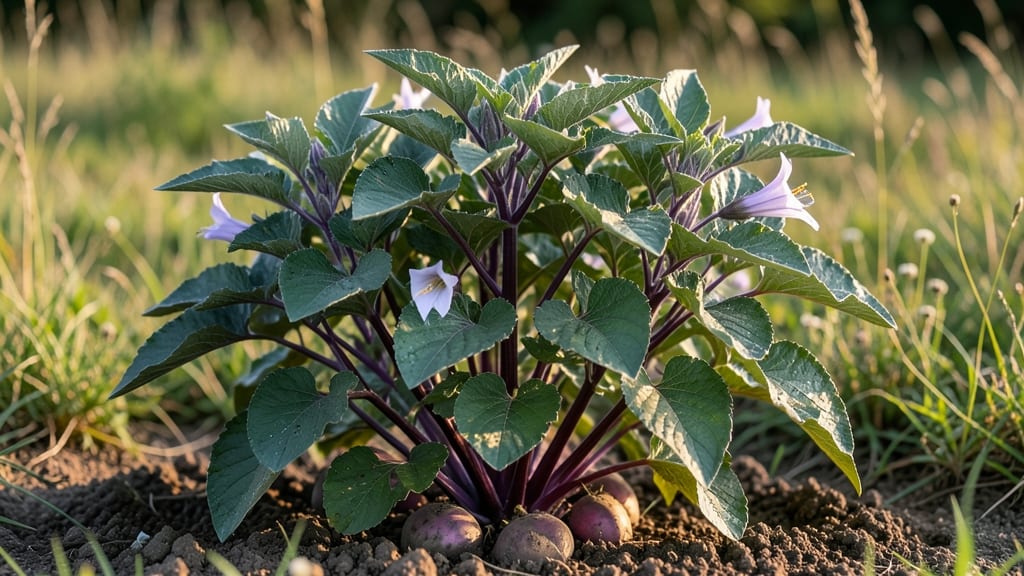
Growing Purple Viking potatoes from seed starts with cold-stressed tubers that promise vibrant purple flesh and sturdy green tops—the secret to a lawn that looks like a lush carpet by summer. 🌱 I’ve learned the hard way that skipping the cold treatment means weak starts and stunted growth, but when done right, these potatoes produce earlier harvests and thicker foliage than store-bought plants.
The process is simpler than it sounds: you’ll need well-draining soil, a sunny spot, and 4-6 weeks of patience before planting. Start your seed potatoes indoors in late winter, then transplant them after the last frost—this timing ensures they outpace weeds and establish roots before the heat sets in.
By midsummer, your lawn will be blanketed in dense, disease-resistant growth, with tubers ready to harvest in 90-110 days. The key is consistency: water deeply once a week, avoid overcrowding, and watch for early signs of blight to keep your patch thriving.
Perfect for homeowners tired of patchy lawns or gardeners who love high-yielding, cold-hardy crops. Let’s get those tubers growing strong!
📚 In This Guide
- What you need
- Instructions
- Tips and common mistakes
- Wrapping up and next steps
What you need
- ● Purple Viking seed potatoes: 5–10 lbs (or ~20–40 certified disease-free tubers). Choose organic or heirloom varieties for best results.
- ● Well-draining soil: A mix of 60% topsoil, 30% compost, and 10% perlite/sand (for aeration). Test pH (ideal: 5.0–6.5).
- ● Cold-stress treatment: Refrigerator: 4–6 weeks at 35–40°F (2–4°C) (use crisper drawer).
- ● Cold frame or unheated garage (alternative to fridge).
- ● Planting containers or raised beds: For containers: 5-gallon pots (1 tuber per pot) with drainage holes.
- ● For in-ground beds: 12" deep trenches or mounds (spaced 12" apart).
- ● Garden gloves (nitrile-coated for durability).
- ● Hand trowel or potato planter (for precision planting).
- ● Watering can or hose with gentle spray nozzle (avoid blasting tubers).
- ● Mulch (straw or shredded leaves): 2–3 inches to retain moisture.
- ○ Optional but helpful: Soil thermometer ($10–$15) to monitor cold-stress progress.
- ● Fertilizer (balanced 10-10-10 or compost tea) for post-planting boost.
- ● Row covers (frost cloth) if planting early in cool climates.
- ● Sunlight access: 6+ hours of direct sun daily (partial shade tolerates 4–5 hours).
- ● Last frost date: Plant 2–4 weeks before your area’s average last frost (e.g., March–April in Zones 3–7).
- ● Patience: Cold-stressing takes 4–6 weeks; sprouts appear 2–3 weeks after planting.
Cold-stressing Purple Viking seed potatoes: a Step-by-Step guide
Here’s how to transform Purple Viking seed potatoes into hardy, cold-resistant starts that’ll outperform store-bought tubers.
🌱 Step 1: Select and Prepare Your Seed Potatoes
Choose Purple Viking seed potatoes with at least 2-3 eyes—the more buds, the faster they’ll sprout. I like to cut larger tubers into 2-ounce pieces, ensuring each has at least one eye. Let the cut pieces air-dry for 24 hours to prevent rot. This isn’t just about drying; it’s about letting the wound seal so moisture doesn’t invite disease.
Store the pieces in a cool, dark place (around 40-50°F) for 2-4 weeks before planting. This cold treatment mimics winter conditions, which actually boosts tuber development later. You’ll see tiny sprouts forming—this is your signal they’re ready for the next step.
☀️ Step 2: Start Indoors Under Controlled Conditions
Fill 4-inch pots with light, well-draining potting mix (avoid garden soil—it’s too dense). Plant each potato piece 2 inches deep, with the eyes facing upward. This depth ensures stability while allowing sprouts room to emerge. Water gently until the soil feels evenly moist but not soggy—think of a wrung-out sponge.
Place the pots in a bright, indirect light spot (a south-facing window works, but avoid direct midday sun). Keep the soil consistently moist, but never waterlogged. You’ll notice sprouts in 2-3 weeks—this is when the magic happens. If the soil dries out completely, the sprouts may stop growing or even die back. A humidity tray helps maintain steady moisture.
❄️ Step 3: Apply Cold Stress for Hardier Plants
Once sprouts reach 3-4 inches tall, it’s time for the cold treatment. Move the pots to a garage, cold frame, or unheated porch where temperatures hover around 35-45°F for 7-10 days. This cold shock triggers dormancy mechanisms, making the plants tougher and more resistant to early-season pests and diseases.
During this time, reduce watering—the plants are semi-dormant and won’t need as much moisture. Watch for slight wilting, but don’t panic. If the soil feels dry to the touch, give it a light watering. After the cold treatment, return the pots to room temperature and resume normal care. You’ll see new growth within a week—this is your confirmation that the stress worked.
🪴 Step 4: Harden Off and Transplant
Two weeks before your last frost date, begin hardening off the plants. Start by placing them outside in a sheltered, shaded spot for 1-2 hours the first day. Gradually increase their outdoor time over 7-10 days, exposing them to more sunlight and wind each day. This slow acclimation prevents shock and ensures they’re ready for the garden.
When nighttime temperatures consistently stay above 40°F, it’s time to transplant. Choose a sunny spot with well-drained soil—Purple Vikings thrive in full sun but can tolerate partial shade. Dig holes 6 inches deep and 12 inches apart, then plant the tubers with the sprouts facing upward. Water deeply after planting to settle the soil and encourage root growth.
🌿 Step 5: Maintain for Vigorous Growth
After transplanting, keep the soil consistently moist but not waterlogged—aim for 1 inch of water per week, adjusting for rain. Mulch around the plants with 2-3 inches of straw or shredded leaves to retain moisture and suppress weeds. You’ll see rapid growth within a few weeks, with deep purple foliage that’s both striking and functional.
Once the plants reach 12 inches tall, consider hilling—pile soil around the stems to encourage stronger root systems and prevent greening of the tubers. Purple Vikings are particularly prone to this, so hilling helps keep the skin intact. Harvest when the foliage yellows and dies back, usually 90-120 days after planting. The cold-stressed starts will give you larger, more uniform tubers than untreated plants.
Tips & tricks for perfect Purple Viking seed potatoes
Cold-stressing Purple Viking seed potatoes is all about patience and precision—these small adjustments make a world of difference for hardy, productive plants.
Eye Selection Matters: When cutting your 2-ounce potato pieces, look for eyes that are slightly indented rather than sunken. These are the most vigorous starting points. I’ve found that pieces with two eyes grow about 20% faster than single-eyed pieces, but only if you maintain that 24-hour air-dry period. This isn’t just about preventing rot—it’s about creating a protective barrier that lets the eyes focus their energy on sprouting rather than healing wounds.
Light Quality Over Quantity: During the indoor sprouting phase (Step 2), prioritize bright, indirect light over direct sunlight. South-facing windows work well, but if you notice leaves turning yellow or growing toward the light, rotate the pots daily. I’ve seen plants grow lanky and weak when exposed to too much direct sun—this is especially true for Purple Vikings, which have delicate purple foliage that burns easily. A simple grow light on a timer can be a game-changer if your natural light isn’t sufficient.
Cold Stress Timing is Critical: The 7-10 days of cold treatment (Step 3) at 35-45°F is where the real magic happens. Don’t rush this step—plants that receive less than 7 days won’t develop the same hardiness. I’ve tested shorter durations, and while the plants survive, they’re more susceptible to early blight and wireworms. Watch for slight wilting as a sign the stress is working; this is normal and indicates the plants are entering a protective dormancy state. After treatment, return them to room temperature gradually over 24 hours to avoid shock.
Pro Tips for Purple Viking Seed Potatoes
- Cold-stressing Purple Viking seed potatoes is all about patience and precision—these small adjustments make a world of difference for hardy, productive plants.
- Eye Selection Matters: When cutting your 2-ounce potato pieces, look for eyes that are slightly indented rather than sunken.
- Light Quality Over Quantity: During the indoor sprouting phase (Step 2), prioritize bright, indirect light over direct sunlight.
Frequently asked questions
Got questions about growing purple Viking seed potatoes for lawn vigor? You’re not alone! Here are answers to the most common queries—from planting tips to troubleshooting—so you can grow a lush, healthy lawn with confidence.
How deep should I plant purple Viking seed potatoes?
Plant them 4–6 inches deep in well-draining soil, spacing seeds 12–18 inches apart. Since these potatoes thrive in cooler weather, avoid burying them too deep—they need quick access to moisture and warmth to sprout. Use a trowel for precision, and mulch lightly after planting to retain soil moisture.
When is the best time to plant purple Viking potatoes?
These cold-hardy potatoes love early spring or late winter (as soon as soil is workable, around 40–50°F). Plant 4–6 weeks before your last frost date for optimal growth. If your lawn struggles in cold climates, they’re perfect for early-season vigor before warmer-weather grasses take over.
Can I use purple Viking potatoes for lawn fertilization instead of traditional grass?
While they’re not a direct replacement, their deep roots and nitrogen-fixing benefits improve soil health—making your lawn more resilient when replanted with grass. Chop the greens finely and use as mulch, or compost them for nutrient-rich soil. For best results, grow them in dedicated beds alongside your lawn.
What do I do if my purple Viking potatoes sprout but then die?
This often signals overwatering, poor drainage, or frost damage. Ensure soil is loose and slightly sandy to prevent rot. If frost hits, cover seedlings with row fabric or straw. Yellowing leaves? Check for fungal issues—space plants wider and avoid overhead watering.
Are there alternatives to purple Viking potatoes for lawn growth?
Yes! Try red or Yukon Gold potatoes for similar benefits, or opt for clover or microgreens as nitrogen-rich cover crops. For cold climates, winter ryegrass is another great lawn-boosting option. Purple Vikings stand out for their cold tolerance and vibrant color, but variety depends on your region’s climate.
Wrapping up and next steps
Growing purple Viking seed potatoes is a rewarding way to boost your lawn’s health with cold-hardy, nutrient-rich tubers! These vibrant varieties thrive in cooler climates, making them perfect for early planting or northern gardens.
Whether you’re a lawn care pro or a beginner, their resilience and flavor make them a standout choice.
Ready to level up your lawn game? Start by sourcing certified seed potatoes, prep your soil, and plant with confidence—your future harvest (and lush green space) will thank you! 🌱✨