
Lawn
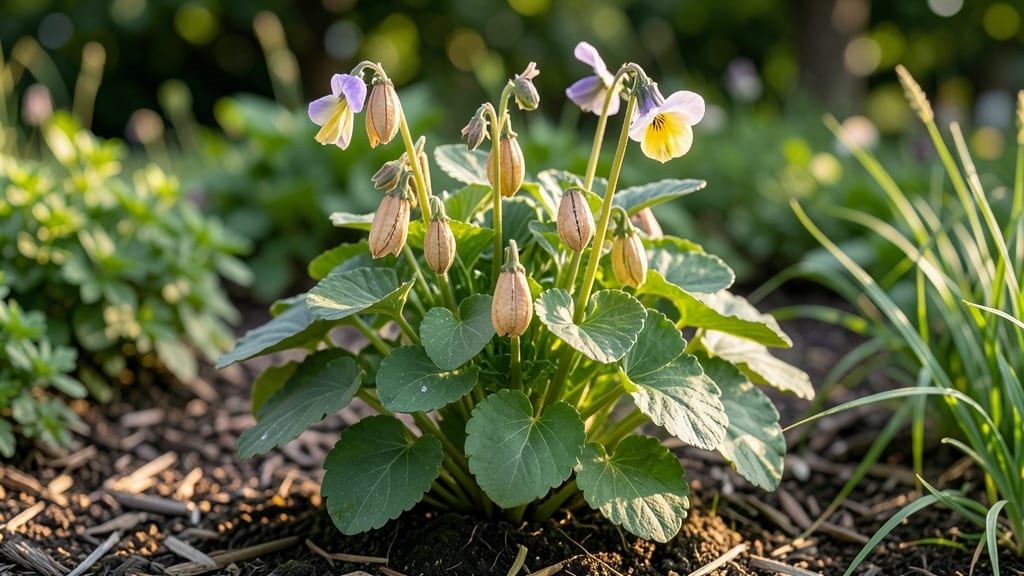
Twisting open pansy seed pods reveals nature's clever way to collect seeds without fuss. 🌸 I've learned that these little green capsules hold the key to next year's vibrant garden, and harvesting them is simpler than you'd think—no scissors or tools needed.
The pods start as plump, bright green spheres that eventually turn brown and dry out. When they're ready, a gentle twist releases the seeds inside, ready for storage. This method saves time and ensures you capture every viable seed for planting later.
By following a few simple steps, you'll end up with a stash of seeds that produce hardy, colorful pansies year after year. The process is satisfyingly hands-on and connects you directly to the cycle of growth in your garden.
Whether you're a seasoned gardener or just starting, this technique works for any outdoor space. Let's dive into the details so you can enjoy a seamless seed-collection experience!
📚 In This Guide
- What you need
- Instructions
- Tips and common mistakes
- Wrapping up and next steps
What you need
- ● Mature pansy plants with fully developed seed pods (typically after flowering). Look for pods that are brown, dry, and slightly papery—these are ready for harvest! 🌸
- ○ Pruning shears or clean scissors (sharp and sterilized to avoid disease transfer). Optional: Use gloves if your hands are sensitive to plant sap.
- ● Paper bags or breathable fabric sacks (brown paper bags or muslin bags work best). Quantity: 1 bag per 5–10 pods to allow airflow.
- ● Newspaper or cardboard (for drying pods indoors). Size: Large enough to lay pods out in a single layer.
- ● Small envelope or seed packet (for long-term storage). Tip: Label with the pansy variety and harvest date!
- ● Desiccant packets (to speed up drying in humid climates).
- ● Fine-mesh strainer or sieve (for separating seeds from chaff if pods are fibrous).
- ● Spray bottle with water (to gently coax stubborn pods open if they’re slow to dry).
- ● Magnifying glass (for inspecting seeds for viability or pests).
- ● Vacuum sealer (to extend seed storage life beyond 1 year).
How to collect pansy seeds using natural twist-release pods
Skip the fuss of traditional seed saving—pansies offer a clever, hands-off way to harvest seeds when pods twist open on their own.
🌱 Step 1: Identify and Select Healthy Pansy Plants
Choose the strongest, most vibrant pansy plants in your garden—they’ll produce the best seeds. Look for plants with fully bloomed flowers that have developed seed pods (the dry, swollen structures where seeds form). Avoid plants showing signs of disease or pest damage, as those traits can carry over to next year’s seeds.
I like to pick plants with at least 3-4 healthy seed pods—this ensures a good seed yield. Gently examine each pod to confirm it’s firm but starting to dry out. When pods feel slightly papery and begin to turn brown at the edges, that’s your cue they’re nearly ready for twist-release.
🌿 Step 2: Wait for Pods to Mature and Dry
Leave the pods on the plant until they’re fully dry but not yet cracked open. This usually takes 4-6 weeks after flowering, depending on your climate. In cooler weather, pods may take longer to mature, while warm, dry conditions speed up the process.
Here’s the trick: pods are ready when they twist slightly at the top (like a corkscrew) and the seams begin to split. You’ll also notice the pods rattle when shaken—this means seeds are loose inside. If you harvest too early, seeds won’t be fully developed; too late, and the pods may shatter unpredictably.
⏰ Step 3: Harvest Seeds When Pods Twist Open
On a dry, calm day, gently grasp a mature pod between your thumb and forefinger. Apply slight pressure—you’ll feel it twist open naturally. The seeds will spill out into your hand or a small collecting container. I use a white paper plate to catch seeds because the color makes them easy to spot against the background.
If a pod doesn’t twist easily, it may still need more time. Never force it open, as this can damage the seeds inside. Collect seeds in the morning when humidity is lowest to prevent moisture from sticking to them.
💧 Step 4: Clean and Store Seeds Properly
Spread the collected seeds on a clean, dry paper towel or screen to air-dry for 24-48 hours. This prevents mold and ensures long-term viability. Remove any debris or empty seed husks by gently sifting through them with your fingers or a fine mesh strainer.
Once completely dry, store seeds in a paper envelope or small glass jar with a tight-sealing lid. Label it with the pansy variety and the harvest date. Keep seeds in a cool, dark place (like a pantry) where they’ll stay viable for 2-3 years. Avoid plastic bags, as they trap moisture and encourage mold.
☀️ Step 5: Test Seeds for Germination (Optional)
Before planting all your collected seeds, test a few for germination to ensure they’re viable. Place 5-10 seeds on a damp paper towel, fold it over, and seal it in a plastic bag. Keep the bag in a warm spot (around 65-70°F) and check daily for sprouts, which should appear in 7-14 days. If fewer than half sprout, you may need to collect more seeds or try a different batch.
This step gives you confidence in your seed-saving success and helps you adjust future collections. Once you confirm viability, you’re ready to plant your twist-released pansy seeds for next season’s vibrant blooms!
Tips & tricks for perfect pansy seed collection
These small but mighty tricks will help you master the art of twist-release seed harvesting with confidence.
Pod Selection Matters: In Step 1, focus on pods that feel firm but begin showing papery texture at the edges. The ideal pod should rattle slightly when shaken—this indicates fully developed seeds ready for harvest. I've learned the hard way that softer pods often contain undeveloped seeds, while fully dried pods may already be shattering. Aim for that perfect in-between stage where the twist-release mechanism is primed but not yet triggered.
Timing is Everything: The 4-6 week maturation period in Step 2 can feel like an eternity, but patience pays off. In cooler climates, extend your timeline by 1-2 weeks—these pods need consistent warmth to develop properly. I've found that morning sunlight helps speed up the drying process slightly, so position your plants where they'll get optimal morning sun exposure without afternoon heat stress.
Harvest Technique: Step 3's twist-release method requires gentle pressure—think of it like opening a stubborn jar. Apply pressure to the pod's natural twist point (usually near the top) while holding the bottom steady. If seeds don't spill out immediately, the pod may need more time. I've discovered that using a small white paper plate underneath creates a perfect contrast, making those tiny black seeds instantly visible against the bright background.
Storage Wisdom: After your 24-48 hour drying period, don't rush the storage process. The seeds need complete dryness to prevent mold during their 2-3 year shelf life. I've had success using small glass jars with tight lids—they're reusable and provide better moisture protection than paper envelopes. Just remember to label everything clearly, as pansy varieties can look quite similar until they bloom.
Pro Tips for Pansy Seed Pods
- These small but mighty tricks will help you master the art of twist-release seed harvesting with confidence.
- Pod Selection Matters: In Step 1, focus on pods that feel firm but begin showing papery texture at the edges. The ide...
- Timing is Everything: The 4-6 week maturation period in Step 2 can feel like an eternity, but patience pays off. In c...
Frequently asked questions
Got questions about those quirky pansy seed pods? You're not alone! Here are some of the most common queries—and their answers—to help you master the art of twist-release seed collection like a pro.
How do I know when pansy seed pods are ready to harvest?
Pansy seed pods are ready when they turn a dry, papery brown and start to twist open on their own (hence the name!). This usually happens 4–6 weeks after flowering, depending on your climate. If they’re still green or firm, give them more time—harvesting too early can ruin the seeds inside.
Why won’t my pansy seed pods twist open naturally?
If your pods stay stubbornly closed, it could be due to humidity, overcrowding, or poor air circulation. Try:
- Placing them in a dry, well-ventilated spot (like a mesh bag).
- Gently rolling or shaking the pods to encourage the twist.
- Checking for pests or disease, which can weaken the pods.
Can I save pansy seeds from store-bought flowers?
Yes, but with a caveat: Store-bought pansies are often hybrids, meaning their seeds may not grow true to the parent plant. For predictable results, save seeds from heirloom or open-pollinated varieties grown in your garden. If you’re experimenting, try it anyway—you might get a fun surprise!
How long do pansy seeds stay viable after harvesting?
Pansy seeds are short-lived—they retain the best viability for 1–2 years if stored properly. To extend their life:
- Keep them in a cool, dry place (like a sealed envelope in the fridge).
- Avoid moisture—humidity is the enemy of seed longevity!
- Label them with the harvest date to track freshness.
What if I don’t want to deal with seed pods—are there alternatives?
No problem! If twist-release pods aren’t your thing, try these low-effort alternatives:
- Deadheading: Snip off spent blooms to redirect energy to new flowers (though you’ll miss the seeds!).
- Buy fresh plants: Many nurseries sell young pansy starts for instant color.
- Try self-seeding varieties: Some pansies (like Viola tricolor) reseed easily without pods.
Wrapping up and next steps
Growing pansies is more rewarding than you think—especially when you discover their unique twist-release seed pods! These charming flowers not only brighten your garden with vibrant blooms but also offer a hands-off way to collect seeds for future planting.
Whether you're a seasoned gardener or just starting out, embracing this natural process makes seed-saving simple and fun. 🌱
Ready to dive deeper? Experiment with different pansy varieties next season or share your seed-collection tips with fellow gardeners. Your green thumb is about to get even greener—happy growing! 🌸