
Propagation
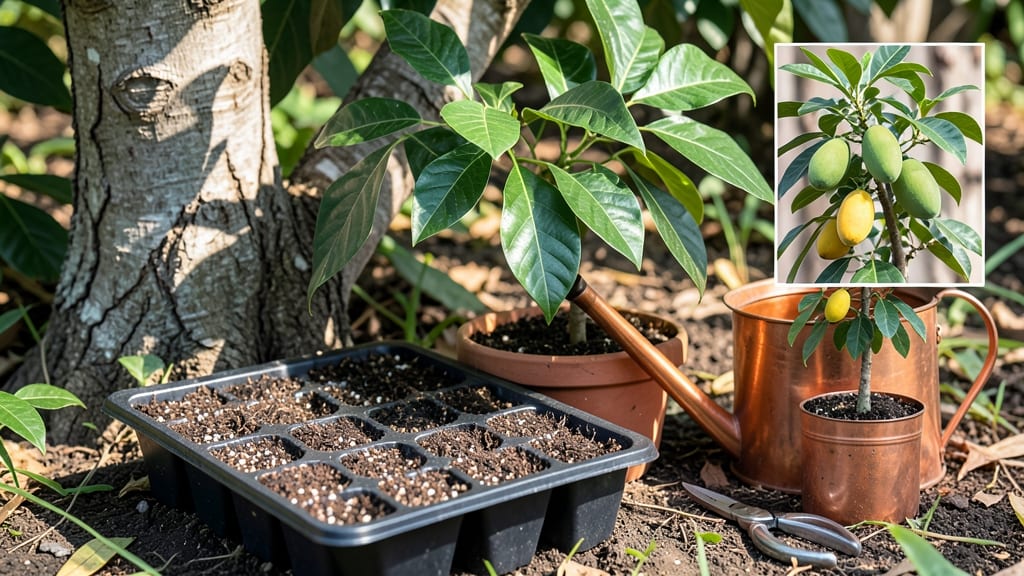
Growing a mango tree from seed to fruit is the ultimate gardening marathon—one that rewards patience with tropical gold. 🌱 I’ve watched seeds sprout into towering trees bearing fruit after just 3-5 years, and the process is simpler than most gardeners assume.
The key lies in mimicking the tree’s natural tropical environment while avoiding common pitfalls that stall growth. You’ll need a warm climate (zones 10-11), a sunny spot with 6+ hours of direct light daily, and well-draining soil that mimics the tree’s native conditions.
Most beginners overlook humidity—mango trees thrive with 50-70% humidity, which you can boost with a simple pebble tray or indoor grow light setup if you’re starting inside.
The first harvest arrives when your tree is 8-12 feet tall, but the real magic happens in year 3 when it starts producing consistently.
Pruning in late winter keeps the shape manageable, and hand-pollinating flowers (with a soft brush) doubles your fruit yield—something I learned after my first crop mysteriously failed to set. This method works for both backyard growers and container gardeners in warm microclimates.
Let’s get those seeds sprouting—your future fruit bowl is waiting.
📚 In This Guide
- What you need
- Instructions
- Tips and common mistakes
- Wrapping up and next steps
What you need
- ● Mango seeds: 1-3 fresh, plump seeds (from a ripe, organic mango—avoid hybrid varieties if you want true-to-type fruit).
- ● Potting mix: 1 bag (5-10 gallons) of well-draining, sterile cactus/succulent mix or a blend of 50% peat moss, 30% perlite, and 20% coarse sand.
- ● Containers: 1 small pot (4-6 inches deep) for germination.
- ● 1 larger pot (12+ inches deep) with drainage holes for seedling growth.
- ● Drainage tray: 1 (to catch excess water and prevent root rot).
- ● Spray bottle: 1 (for gentle watering during germination).
- ● Pruning shears: 1 pair (for trimming as the tree matures).
- ● Fertilizer: 1 bottle of balanced organic fertilizer (e.g., 10-10-10 or compost tea) for seedlings and mature trees.
- ● Mulch: Organic options like shredded bark or straw (to retain moisture and regulate soil temp).
- ● Location: A warm, sunny spot (full sun, 6+ hours daily) with protection from strong winds. Mango trees thrive in USDA Zones 10-11 but can be grown in containers in cooler climates.
- ● Water source: Access to filtered or rainwater (chlorine-free for seedlings).
- ● Patience: 😉 Mango trees grown from seed can take 5-10 years to bear fruit!
- ● Soil moisture meter (to avoid over/under-watering).
- ● Grow lights (for indoor germination or cooler climates).
- ● Rooting hormone (to boost seedling growth).
- ● Pest control (neem oil or insecticidal soap for aphids/mealybugs).
- ● Trellis or support stakes (as the tree grows taller).
How to grow a mango tree from seed to fruit
Here's the straightforward method I've used to nurture mango trees from kitchen scraps to fruit-bearing giants.
🌱 Step 1: Extract and Prepare the Seed
Start with a ripe, organic mango—the fresher, the better. Slice the fruit open and carefully remove the large, flat seed. Rinse it thoroughly to remove any fruit residue, then pat dry with a paper towel. The seed's outer shell is tough, so I like to gently score it with a sharp knife in a cross pattern (about 1/8-inch deep) to encourage faster germination.
Place the seed between two damp paper towels, fold them over, and store in a sealed plastic bag. Keep it in a warm spot (around 75-80°F) and check daily. Within 10-14 days, you should see a tiny sprout breaking through the shell—that's your signal to move to soil.
🪴 Step 2: Plant the Germinated Seed
Fill a 4-6 inch diameter pot with well-draining potting mix (I mix regular potting soil with 20% perlite for extra aeration). Plant the sprouted seed about 1 inch deep, with the root pointing downward. Press the soil gently around it to secure it without compacting too much.
Water lightly until the soil feels evenly moist but not soggy. Place the pot in a warm, bright spot with indirect light—direct sun can scorch the delicate young seedling. Keep the soil consistently moist (not wet) and maintain 70-75°F temperatures for optimal growth.
☀️ Step 3: Transplant and Provide Proper Light
Once the seedling reaches 6-8 inches tall (usually after 3-4 months), it's time to transplant into a larger 1-gallon pot. Choose a container with drainage holes and fill it with a mix of potting soil and compost (50/50 ratio). Gently remove the seedling from its original pot, loosen the roots, and place it in the new container at the same depth.
Move the pot to a location with bright, indirect light for the first week, then gradually introduce it to morning sun for 2-3 hours daily. Mango trees love warmth and sunlight—after another 2-3 months, you can transition it to full sun (6+ hours daily) if your climate allows.
🌿 Step 4: Care for the Young Tree
Water your mango tree deeply once a week, allowing the top 2 inches of soil to dry out between waterings. Overwatering is the biggest mistake—it leads to root rot and stunted growth. Fertilize every 2 months with a balanced 10-10-10 fertilizer (diluted to half strength) during the growing season (spring and summer).
Prune any yellow or damaged leaves as they appear, and pinch back the tips of new growth to encourage bushier growth. By the time your tree is 2-3 years old, it should be 4-6 feet tall with a sturdy trunk—this is when it starts developing flowers and, eventually, fruit.
⏰ Step 5: Patience and Long-Term Care
Mango trees grown from seed take 5-10 years to bear fruit, but the wait is worth it. During the first few years, focus on strong root and trunk development—this ensures the tree can support heavy fruit later. In colder climates, bring the tree indoors near a sunny window or under grow lights during winter.
Once the tree flowers, you'll notice small white or pink blossoms. Hand-pollinate them with a soft brush to increase fruit set. With proper care, your homegrown mango tree will reward you with juicy, sweet fruit—just like the one that started it all.
Tips & tricks for growing a thriving mango tree from seed
Growing a mango tree from seed is a rewarding journey that requires patience and the right approach. Here are the key details that'll help you nurture your tree from sprout to fruit-bearing giant.
Germination Insight: The scoring trick in Step 1 is crucial—those shallow cross cuts create tiny entry points for moisture, speeding up germination. I've found that soaking the seed in warm water for 24 hours before scoring can also help soften the shell slightly, making the process even easier. Just remember, the seed needs to stay damp but not soggy during germination.
Light Transition Strategy: When moving your seedling from indirect light to morning sun in Step 3, do it gradually over 7-10 days. Start with just 1 hour of morning sun and increase by 30 minutes daily. This gradual transition prevents sunburn on delicate new leaves. I've seen seedlings get shocked by sudden full sun exposure—it's like a sunburn for plants!
Transplanting Technique: In Step 3, when transplanting to the 1-gallon pot, make sure to loosen the root ball gently before placing it in the new container. This prevents root damage and helps the tree establish faster. I always add a handful of worm castings to the potting mix—they're packed with nutrients that give young trees a great start.
Long-Term Growth Hack: For trees in colder climates, consider using a heat mat during winter months to maintain those 70-75°F temperatures. This helps prevent dormancy and keeps the tree growing steadily. I've had success with a simple 100-watt heat mat placed under the pot—it's a small investment that pays off with continued growth during winter.
Pro Tips for Mango Tree From Seed To Fruit
- Growing a mango tree from seed is a rewarding journey that requires patience and the right approach.
- Germination Insight: The scoring trick in Step 1 is crucial—those shallow cross cuts create tiny entry points for moisture, speeding up germination.
- Light Transition Strategy: When moving your seedling from indirect light to morning sun in Step 3, do it gradually over 7-10 days.
Frequently asked questions
Got questions about growing a mango tree from seed to fruit? You’re not alone! Here are some of the most common queries—and their straightforward answers—to help you navigate the journey with confidence.
How long does it take for a mango seed to sprout?
A mango seed typically sprouts within 2–4 weeks if kept in warm, moist conditions. Patience is key—some seeds may take longer, especially if stored improperly. Once sprouted, the seedling will grow slowly at first, so don’t rush the process!
When will my mango tree produce fruit?
If you’re growing from seed, expect to wait 3–5 years before your tree bears fruit. Grafted trees (from nurseries) may fruit in 2–3 years. Climate, care, and variety also play a role—so keep nurturing your tree with love and proper conditions!
Can I grow a mango tree indoors?
Mango trees thrive outdoors in warm climates, but you can grow a dwarf variety indoors near a sunny window. However, fruiting is rare indoors due to limited sunlight and space. If you’re set on indoor growth, prioritize a bright, humid environment and consider grow lights.
Why is my mango seedling dying?
Common culprits include overwatering (root rot), underwatering (dry soil), or pests like aphids. Check soil moisture, ensure good drainage, and inspect leaves for signs of stress. If the stem turns mushy or leaves yellow, act fast—adjust care and monitor closely!
What’s the best climate for a mango tree?
Mango trees love tropical or subtropical climates with warm temperatures (70–90°F), high humidity, and 6+ hours of sunlight daily. If you’re in a cooler zone, opt for cold-hardy varieties or grow in containers to move indoors during winter.
Wrapping up and next steps
Growing a mango tree from seed to fruit is a rewarding journey that blends patience, care, and a dash of tropical magic! 🌱 From selecting the perfect seed to nurturing your tree with love (and maybe a little pruning know-how), you’ve unlocked the secret to a year-round harvest.
Whether you’re dreaming of lush foliage in your backyard or a future grove of sweet, juicy mangoes, every step you’ve learned here sets you on the path to success.
Now that you’re armed with the knowledge, why not take the next step? Plant that seed today—your future mango tree is waiting! And if you’re feeling ambitious, explore grafting techniques or companion planting to supercharge your tree’s growth.
The tropics are calling, and so is that first ripe mango! 🌴🍈