
Propagation
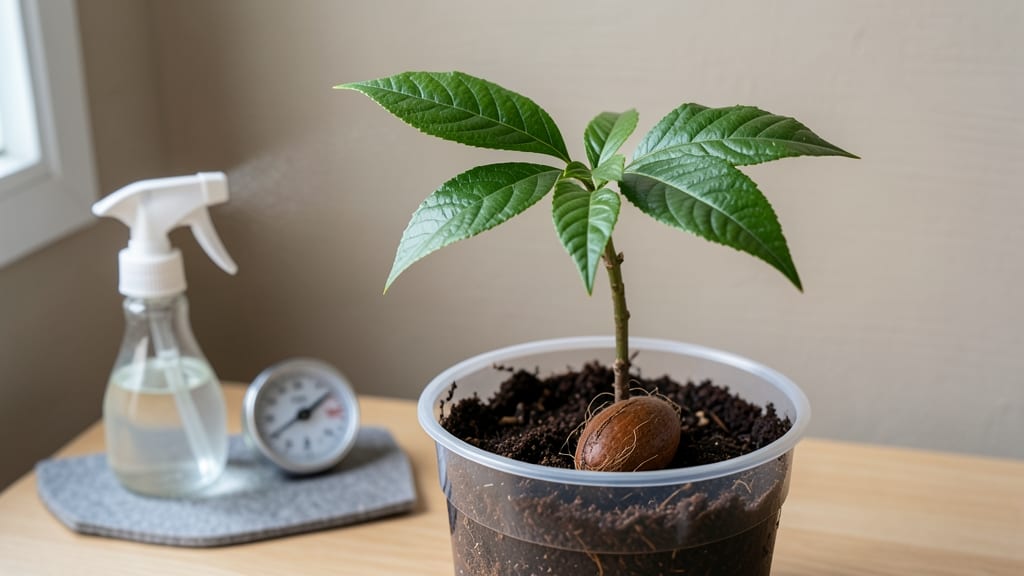
Your mango seed germination time could be just 2-4 weeks—or stretch to months if you skip the right steps. 🌱 I’ve watched impatient gardeners toss seeds after two weeks, only to see them finally crack open at six. The secret isn’t luck; it’s prep work that mimics nature’s conditions.
The hardest part isn’t waiting—it’s getting the seed ready. Mango pits have thick shells that block water, so you’ll need to nick the seed with a knife or soak it overnight. Warmth (70-80°F) and consistent moisture are non-negotiable. Too dry?
It sleeps. Too wet? It rots. Once you see that first crack, don’t rush—the taproot can take 2-3 weeks to emerge. Patience here separates thriving seedlings from sad, stunted failures. The payoff? A tropical tree that could fruit in 3-5 years if you nurture it right.
This works for store-bought mangoes or seeds you save—just avoid hybrid varieties, which often don’t grow true. Let’s get those seeds sprouting!
📚 In This Guide
- What you need
- Instructions
- Tips and common mistakes
- Wrapping up and next steps
What you need
- ● Fresh mango seeds: 1–3 (preferably from a ripe, organic mango—avoid hybrid varieties if you want true-to-type fruit later!)
- ● Paper towels or damp coconut coir: 2–3 sheets (for wrapping seeds during pre-germination)
- ● Plastic zip-top bag: 1 (to create a humid environment)
- ● Small pots or seed trays: 2–3 (4–6 inches deep, with drainage holes)
- ● Well-draining potting mix: 1 bag (a blend of peat, perlite, and vermiculite works best)
- ● Spray bottle: 1 (for gentle watering)
- ○ Clear plastic wrap or humidity dome: 1 (optional but helpful for maintaining moisture)
- ● Knife or seed scissors: 1 (for carefully slicing the seed if needed)
- ● Measuring cup: 1 (for accurate watering)
- ● Grow lights or sunny windowsill: 1 (if natural light is limited)
- ● Fertilizer (balanced, water-soluble): 1 small bottle (for later stages, once sprouts emerge)
- ○ Thermometer (optional): 1 (to monitor soil temperature, ideal range: 70–90°F)
How to time mango seed germination for success
Germinating mango seeds isn't just about waiting—it's about creating the right conditions to coax those first sprouts through.
🌱 Step 1: Select and Prepare the Seed
Choose a large, plump mango seed with no cracks or soft spots—these are your best bets for germination. I like to soak the seed in warm water for 24 hours before planting, which softens the outer shell and kickstarts the process. The water should feel comfortably warm to the touch, not hot. After soaking, you'll notice the seed swells slightly—this is a good sign it's ready to sprout.
Here's the thing—don't rush drying the seed after soaking. Let it sit in a damp paper towel overnight to maintain moisture without drowning it. This step ensures the seed stays hydrated while preventing rot, which is a common pitfall for beginners. You'll know it's ready when the seed feels slightly heavier and the outer shell looks slightly wrinkled.
🌱 Step 2: Plant the Seed in Moist Growing Medium
Use a small pot or container with well-draining soil mix—I prefer a blend of 50% potting soil and 50% perlite for optimal airflow. Fill the container about halfway with the mix, then place the seed 1 inch deep, pointy end up. Press the soil gently around the seed to secure it without compacting it too tightly.
Water the soil lightly until it feels evenly moist but not soggy. You want the moisture level to be consistent, like a wrung-out sponge. Overwatering at this stage can lead to rot, while underwatering will leave the seed high and dry. A spray bottle works best for gentle hydration—aim for the soil, not the seed itself.
☀️ Step 3: Provide Warmth and Indirect Light
Mango seeds germinate best in warmth, ideally between 75-85°F. Place the pot in a warm, shaded spot—direct sunlight can overheat the soil and dry out the seed. A seedling heat mat set to 78°F speeds up germination significantly, cutting the wait time by nearly half. You'll see the first signs of germination in 2-4 weeks if conditions are ideal.
Keep the soil consistently moist but not waterlogged. Stick your finger 1 inch deep into the soil—if it feels dry, it's time to water. Avoid letting the top layer dry out completely, as this can stall germination. A clear plastic bag loosely draped over the pot helps maintain humidity without trapping too much moisture.
⏰ Step 4: Monitor for Sprouts and Adjust Care
Germination can take anywhere from 2-8 weeks, depending on seed quality and environmental conditions. The first sign you'll see is a tiny crack in the seed coat, followed by a small white root pushing through. Once the root appears, you can gently uncover the pot and move it to bright, indirect light to encourage leaf growth.
Here's where it gets fun—watch for the first true leaves to emerge, which usually happen 1-2 weeks after the root breaks through. At this stage, increase light gradually to prevent leggy growth. If the seedling starts to lean toward the light, rotate the pot daily to keep it growing straight. You'll know you're on the right track when the seedling develops two sets of leaves—this means it's ready for its next growing phase.
Tips & tricks for perfect mango seed germination timing
Timing is everything when it comes to coaxing those first mango sprouts—here's how to optimize each stage without rushing nature's process.
The Soaking Secret: That 24-hour soak in warm water is non-negotiable for breaking the seed's dormancy. I've learned the hard way that skipping this step can extend germination by weeks. The key is maintaining water temperature between 75-85°F—too hot and you risk damaging the seed, too cold and it won't activate properly. After soaking, the seed should feel noticeably heavier and slightly wrinkled on the surface.
Planting Precision: The 1-inch depth recommendation isn't arbitrary—it balances light exposure with moisture retention. Planting too shallow risks drying out, while burying too deep can suffocate the emerging root. I use a toothpick to create a small hole for the seed, then gently press the soil around it without compacting. This creates tiny air pockets that prevent waterlogging while maintaining contact with the seed.
Heat Hack: A seedling heat mat set to exactly 78°F (as specified) can cut your germination window by nearly half. But here's the thing—don't place the seed directly on the mat. Use a small piece of mesh or paper towel as a barrier to prevent overheating. I've seen seeds fail because they were too close to the heat source, even at the recommended temperature.
Visual Cues for Patience: The 2-8 week germination window feels like forever, but those tiny visual cues are your best friends. First look for that initial crack in the seed coat—this usually appears around week 2-3 under ideal conditions. Then watch for the white root pushing through, which signals you can start adjusting light exposure. Remember, the 1-2 week window for first leaves after root emergence is when you'll see the most dramatic changes.
Pro Tips for Mango Seed Germination Time
- Timing is everything when it comes to coaxing those first mango sprouts—here's how to optimize each stage without rus...
- The Soaking Secret: That 24-hour soak in warm water is non-negotiable for breaking the seed's dormancy. I've learned ...
- Planting Precision: The 1-inch depth recommendation isn't arbitrary—it balances light exposure with moisture retentio...
Frequently asked questions
Got questions about germinating mango seeds?
Here are answers to the most common ones—from impatient gardeners to curious beginners.
How long does it REALLY take for a mango seed to sprout?
A mango seed typically takes 2–4 weeks to germinate under ideal conditions (warmth, moisture, and indirect light). Some seeds sprout faster (10–14 days), while others may take up to 6 weeks. Patience is key—don’t give up if sprouts don’t appear right away!
Can I speed up germination?
Yes! Soak the seed in warm water for 24–48 hours before planting to soften the shell. Keep the soil consistently moist (not soggy) and maintain temperatures between 70–90°F (21–32°C). A heat mat or sunny windowsill can also help.
What if my seed doesn’t sprout?
Don’t worry—seeds can take time! If nothing happens after 6–8 weeks, try these fixes:
- Check for rot (moldy or foul-smelling soil = too wet).
- Ensure the seed is firm and intact (squishy = bad).
- Try scarifying (lightly sanding the seed coat) to break dormancy.
Should I plant the seed directly in soil or use water first?
Start with water germination (place the seed in a jar with water, angled so the top stays dry). Once roots appear (after ~2 weeks), transfer it to soil. This method gives the seedling a head start and reduces transplant shock.
How do I know if my mango seedling is healthy?
A healthy seedling has:
- Two smooth, green leaves (first true leaves, not the initial seed leaves).
- No yellowing or wilting (overwatering or pests are red flags).
- Slow, steady growth (1–2 inches per month).
Wrapping up and next steps
Germinating a mango seed takes time and care, but the wait is worth it! With patience and the right conditions—like warmth, moisture, and consistency—you’ll see those first sprouts in 2 to 4 weeks, with full growth unfolding over months.
Whether you’re a gardening newbie or a seasoned green thumb, every seed has the potential to become a thriving mango tree.
Ready to take the next step? Once your seedling is strong enough, transplant it into a pot with well-draining soil and give it the love it deserves. Who knows? You might just be growing the start of your own tropical paradise! 🌱✨