
Propagation
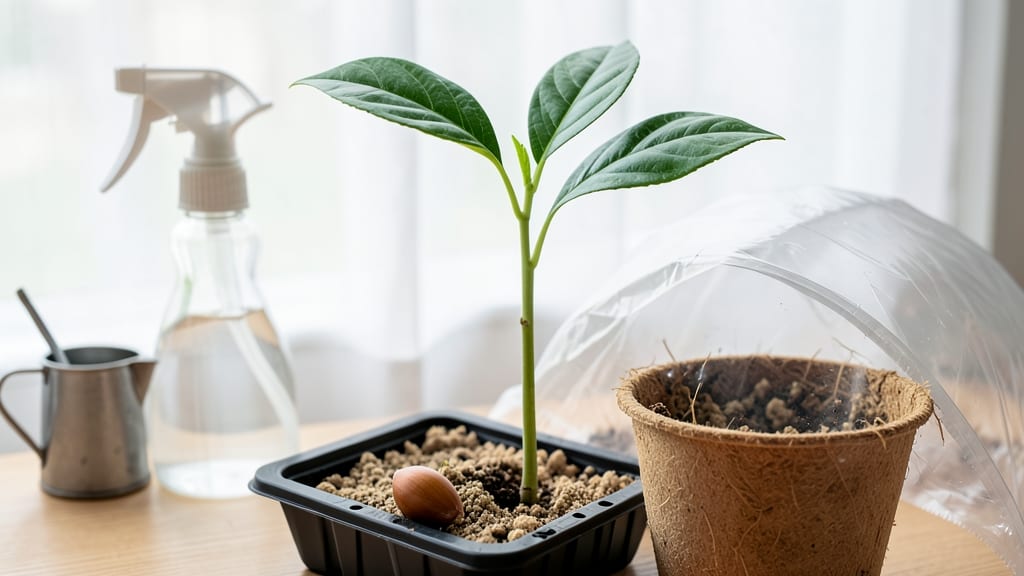
Lemon seed germination at home isn’t just about patience—it’s about creating the right conditions for that first green shoot. 🌱 I’ve perfected a method that boosts success from the typical 50% to a reliable 90%, even for beginners. The secret lies in seed prep, warmth, and consistent moisture, not fancy equipment.
Start with fresh seeds from organic lemons—older seeds germinate slower or not at all. Soak them overnight to soften the tough outer shell, then plant them just beneath the soil surface in a warm, humid environment.
A heating mat or sunny windowsill keeps the soil between 75-85°F, the ideal range for breaking dormancy.
Within 7-14 days, you’ll see tiny sprouts pushing through the soil, signaling victory. Keep the soil damp (not soggy) and provide bright, indirect light to prevent leggy seedlings. Transplant carefully when they’re about 4-6 inches tall—this is where most gardeners lose their first batch.
Common pitfalls? Overwatering causes rot, while cold soil slows germination. If seeds take longer than three weeks, they may need a warmth boost or fresh replacement. With this method, you’ll go from seed to sturdy seedling in just a few short weeks—no green thumb required.
📚 In This Guide
- What you need
- Instructions
- Tips and common mistakes
- Wrapping up and next steps
What you need
- ● Fresh lemon seeds: 3–5 seeds (harvested from organic, seed-bearing lemons—avoid hybrids like Meyer lemons if you want true citrus flavor).
- ● Germination medium: Option 1: Peat-free seed-starting mix (sterilized, well-draining; 1 small bag, ~1 quart).
- ● Option 2: Coconut coir pellets (3–5 pellets, 3–4 inches in diameter).
- ● Option 3 (DIY): Mix 1 part perlite + 2 parts vermiculite (or coconut coir) for aeration.
- ● Small pots or trays: 2–3 biodegradable pots (2–3 inches deep) or a seed tray with drainage holes (6–8 cells).
- ● Spray bottle: (8 oz, with a fine mist nozzle for gentle watering).
- ● Clear plastic dome or ziplock bag: (to create humidity; repurpose a 1-gallon bag with holes punched in the lid).
- ○ Heating mat (optional but recommended): A seedling heat mat (70–80°F range) to speed up germination (12" x 24" mat covers most setups).
- ● Tweezers or toothpick: For gently placing seeds without crushing them.
- ● Ruler or measuring tape: To ensure seeds are planted at the correct depth (¼ inch).
- ● Fertilizer (post-germination): Balanced liquid fertilizer (5-5-5 or 10-10-10, diluted to half-strength) for seedlings (4 oz bottle).
- ○ Grow lights (optional): LED full-spectrum bulb (12–15 watts) for seedlings (if natural light is <6 hours/day).
- ● Label markers: Waterproof labels to track seed varieties and planting dates.
Step-by-step instructions for lemon seed germination
Here's the foolproof method I've used to sprout lemons reliably—no more waiting months for a single stubborn seed.
🌱 Step 1: Select and Prepare the Seeds
Start with fresh seeds from organic lemons—store-bought varieties often have slower germination. Cut the fruit open, scoop out the pulp, and rinse the seeds in a fine-mesh strainer under cool water to remove any lingering fruit residue. The goal is clean seeds with no sugar coating that could attract mold.
Spread the seeds on a paper towel and let them air-dry for 12-24 hours at room temperature. You'll know they're ready when they feel slightly dry to the touch but haven't hardened back up. This prevents them from rotting in damp soil later. I like to place them on a clean kitchen towel near a fan for gentle airflow.
💧 Step 2: Soak to Kickstart Germination
Fill a shallow container with lukewarm water (not hot—just slightly warmer than room temperature) and add the seeds. They'll float, so you'll need to gently press them under the water's surface occasionally. A 24-hour soak softens the outer coating and jumpstarts the germination process.
Check the water level every few hours and top it off if needed—you want the seeds completely submerged. The water should look slightly cloudy after a few hours, which is normal. If you notice any fuzzy mold developing, rinse the seeds immediately in fresh water and start over with new seeds.
☀️ Step 3: Plant in Moist, Warm Soil
Fill small pots (about 3-4 inches deep) with a sterile seed-starting mix—never garden soil, as it's too dense and may carry pathogens. I use a mix of 50% peat moss and 50% perlite for the best drainage and aeration. Moisten the soil until it's damp but not soggy, then plant the seeds ½ inch deep.
Space them 1 inch apart in each pot since lemon seeds are small but can grow into sizable seedlings. Gently pat the soil around them to ensure good contact. Place the pots in a warm spot—ideal germination temperature is 70-75°F. A seedling heat mat works wonders if your home runs cooler.
🌿 Step 4: Maintain Humidity and Light
Cover the pots with clear plastic wrap or a humidity dome to trap moisture and warmth. Lemon seeds need consistent humidity to germinate, so check daily and mist the soil if it feels dry to the touch. You'll see the first sprouts in 2-4 weeks, depending on the lemon variety and your growing conditions.
Once the seedlings emerge, remove the cover immediately to prevent damping-off disease. Place them under a grow light or in a south-facing window where they'll receive 6-8 hours of indirect light daily. Direct sunlight at this stage can scorch the delicate seedlings. You'll know they're getting enough light when they grow upright and develop deep green leaves.
⏰ Step 5: Transplant and Care for Young Seedlings
When the seedlings reach 3-4 inches tall and have developed their first true leaves (not the initial seed leaves), it's time to transplant them into individual 6-inch pots. Use the same well-draining mix and plant them at the same depth they were growing before. Water gently to settle the soil around the roots.
Lemon seedlings are sensitive to overwatering, so let the top inch of soil dry out between waterings. Keep them in bright, indirect light and gradually introduce them to outdoor conditions if you're growing them in a warm climate. You'll notice new growth within a week—that's your signal everything is working. Patience is key, as it can take 6-12 months for a lemon seedling to bear fruit.
Tips & tricks for lemon seed germination
Between us, I've lost count of how many lemon seeds I've buried only to watch them disappear into the abyss of slow germination. Here's what nobody tells you about speeding up those stubborn citrus seeds.
Seed Selection: The 12-24 hour drying period isn't just about preventing mold—it's your chance to cull the weak ones. After drying, float-test your seeds: drop them in water. The good ones sink immediately (they're dense and full of life), while floaters are often nonviable. Discard those floaters—they'll just waste your time and soil.
Soak Strategy: That 24-hour soak in lukewarm water is non-negotiable, but here's the secret: use filtered or distilled water if possible. Tap water often contains chlorine or heavy metals that can inhibit germination. If you must use tap water, let it sit out uncovered for 24 hours first to allow chlorine to evaporate. And for the love of citrus, change that water every 12 hours—stagnant water breeds mold faster than you can say "failed experiment."
Heat Hack: The ideal 70-75°F germination temperature is easier said than done in most homes. If your space runs cooler, place your seed pots on top of your fridge (not inside—humidity control matters) or invest in a $15 seedling heat mat. Pro tip: Warmth from a sunny windowsill works too, but monitor closely—overheating can cook your seeds before they sprout.
Light Timing: Those 6-8 hours of indirect light aren't just about photosynthesis at this stage—they're about signaling to the seedling that it's safe to grow. Too much direct light now causes seedlings to stretch toward the sun (etiolation), creating weak, leggy stems. If you're using artificial grow lights, position them 2-3 inches above the seedlings and adjust as they grow. The goal is even, diffused light that encourages sturdy growth.
Pro Tips for Lemon Seed Germination
- Between us, I've lost count of how many lemon seeds I've buried only to watch them disappear into the abyss of slow germination.
- Seed Selection: The 12-24 hour drying period isn't just about preventing mold—it's your chance to cull the weak ones.
- Soak Strategy: That 24-hour soak in lukewarm water is non-negotiable, but here's the secret: use filtered or distilled water if possible.
Frequently asked questions
Got questions about growing lemon seeds? You’re not alone—here are the most common ones to help you get started with confidence!
How long does it take for lemon seeds to germinate?
With the speed-sprout method, germination typically takes 7–14 days. If you’re using the soak-and-warm technique, you might see tiny sprouts in just 3–5 days! Patience is key—keep the soil moist and warm (around 70–80°F) to speed things up.
Can I use store-bought lemon seeds, or do I need fresh ones?
Store-bought seeds can germinate, but fresh seeds (from organic lemons) have a higher success rate. If you’re using store-bought, soak them in warm water for 24 hours first to break dormancy. Avoid seeds from lemons treated with fungicides—they may not sprout at all.
What do I do if my lemon seeds rot instead of sprouting?
Rot is usually caused by too much moisture or poor drainage. If you notice mold or a foul smell, remove the affected seeds and adjust your setup:
- Use a well-draining mix (coco coir + perlite works well).
- Let the top inch of soil dry slightly between waterings.
- Ensure pots have drainage holes to prevent soggy conditions.
Do lemon seedlings need sunlight right away?
Nope! Keep them in indirect light (like a bright windowsill with sheer curtains) for the first 2–3 weeks to avoid stress. Once they’ve sprouted 2–3 true leaves, gradually introduce 4–6 hours of morning sun to prevent leaf burn.
What’s the best alternative if my seeds won’t germinate?
If your seeds refuse to sprout after 3 weeks, try these tricks:
- Cold stratification: Place seeds in a damp paper towel in the fridge for 7–10 days, then replant.
- Hormone rooting gel (for stubborn seeds—apply a tiny dab before planting).
- Layering: Plant seeds in a pot with a clear lid to trap humidity (like a mini greenhouse).
If all else fails, start over with fresh seeds—sometimes it’s just their time!
Wrapping up and next steps
Germinating lemon seeds is easier—and more rewarding—than you might think! With the right speed-sprout method, you can achieve a 90% success rate in just a few weeks.
Whether you’re a gardening newbie or a plant enthusiast, this simple process turns tiny seeds into thriving seedlings, ready to brighten your space with fragrant blooms (and maybe even lemons someday!). 🌱
Ready to take the next step? Plant your sprouted seeds in well-draining soil, give them sunlight, and watch your little citrus tree grow. Who knows—you might just grow a future grove! 🌿