
Propagation
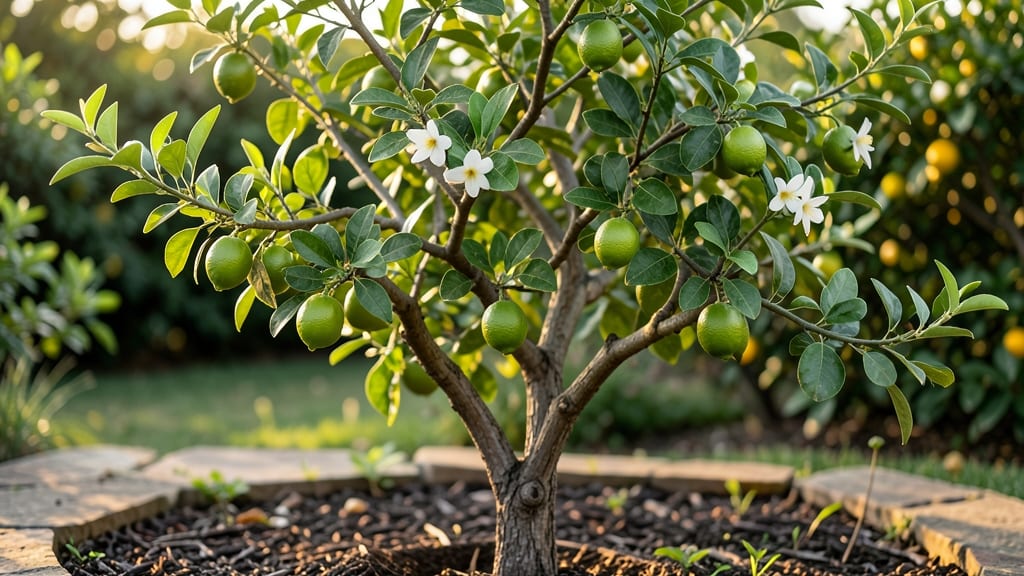
Growing a lemon tree from seed means your kitchen scraps could become a fragrant, fruit-bearing treasure—if you know the secret steps. 🌱 I’ve turned grocery-store seeds into thriving trees that now produce tiny (but real) lemons, and the process is simpler than you’d think once you understand the key stages.
The real magic happens in the first 6-12 months, when patience pays off with lush green growth and—if you’re lucky—your first blossoms. You’ll need bright light, well-draining soil, and a little extra care during transplanting, but the payoff is worth every effort.
Even in small spaces, this tree can thrive indoors or outdoors with the right conditions. By year three, you could be harvesting real lemons—small at first, but enough for a few drops of homemade citrus.
The scent alone makes it worth the wait, and the journey teaches you more about plant care than any other project. Let’s get those seeds sprouting!
Start with fresh seeds from organic lemons—they germinate best and grow faster. Plant them ¼-inch deep in a mix of potting soil and perlite, then keep the soil warm (around 70°F) and moist until sprouts appear in 2-4 weeks.
Once seedlings have 2-3 true leaves, transplant them to individual pots—this is where many beginners lose their plants, so handle gently! Outdoor growers can move potted trees outside after the last frost, but protect them from harsh sun until established.
Indoor trees need 6+ hours of sunlight daily—a south-facing window or grow light works best. The key is consistency: too much water drowns roots, while too little stunts growth. Aim for soil that’s damp but not soggy at all times.
Pruning in early spring encourages bushier growth, and fertilizing every 2 months with citrus-specific food speeds up fruit production. Watch for pests like aphids or spider mites—neem oil is your best friend for organic control.
With proper care, your tree will reward you with first fruit by year 3-5, though some varieties bloom earlier. Whether you’re growing for the joy of nurturing a tree or dreaming of homegrown lemonade, this project delivers both.
The real victory isn’t just the fruit—it’s seeing something you started from scratch thrive. Ready to begin?
📚 In This Guide
- What you need
- Instructions
- Tips and common mistakes
- Wrapping up and next steps
What you need
- ● Lemon seeds: 2–4 fresh, plump seeds (removed from a ripe organic lemon—avoid conventional lemons treated with chemicals).
- ● Small pots or containers: 3–4 (4–6 inches in diameter) with drainage holes. Tip: Use biodegradable pots if you plan to transplant seedlings directly into the ground later!
- ● Well-draining potting mix: A blend of 50% peat moss or coconut coir, 30% perlite or vermiculite, and 20% sand (sterilized). Avoid garden soil—it’s too dense!
- ● Spray bottle: For gentle watering (seeds hate soggy soil!).
- ● Plastic wrap or clear lid: To create a mini greenhouse effect.
- ● Grow lights or sunny windowsill: A spot with 6–8 hours of indirect light daily (south-facing windows are ideal).
- ○ Humidity dome or clear plastic bag (optional but helpful for the first few weeks).
- ● Seed-starting trays: For organized germination (holds multiple pots neatly).
- ● Heating mat: Speeds up germination (70–75°F is ideal).
- ● Fertilizer: A balanced liquid fertilizer (5-5-5 or 10-10-10) diluted to half-strength for seedlings.
- ● Pruning shears: For trimming leggy growth later.
- ● pH testing kit: To ensure soil pH is between 6.0–7.0 (lemon trees prefer slightly acidic soil).
- ● Support stake or trellis: For when your tree grows taller (lemon trees can reach 10–15 feet indoors!).
Step-by-step instructions for growing a lemon tree from seed
Here’s how to transform a kitchen scrap into a thriving citrus tree with real fruit potential.
🌱 Step 1: Extract and Prepare the Seed
Save a fresh lemon seed—no more than a few days old—and rinse off any pulp. The key here is speed: citrus seeds lose viability quickly. I like to soak them in lukewarm water for 12 hours to soften the outer coating, which speeds up germination. After soaking, place the seed between two damp paper towels, fold them over, and secure with a rubber band.
Store the wrapped seed in a ziplock bag with a tiny slit for airflow. Keep it in a warm spot (70-75°F)—a sunny windowsill or on top of the fridge works. Check daily: the towels should stay moist but not soggy. You’ll see the first radicle (tiny root) emerge in 5-10 days—this is your green light to move to soil.
🪴 Step 2: Plant the Germinated Seed
Fill a 4-inch pot with well-draining potting mix (avoid garden soil—it’s too dense). I like to mix in 20% perlite to prevent root rot. Plant the seed ½ inch deep, with the root pointing downward and the seed coat just below the surface. Gently press the soil around it to remove air pockets.
Water lightly until the soil feels evenly moist—not drenched. Place the pot in a bright, indirect light spot (no direct sun yet). A grow light works best if natural light is weak. Keep the soil consistently moist (but never waterlogged) until the first true leaves appear, which usually takes 2-3 weeks.
☀️ Step 3: Transplant and Encourage Growth
Once the seedling has 3-4 true leaves (not the initial seed leaves), it’s ready for its first transplant. Move it to a 6-inch pot with the same well-draining mix. Handle the roots gently—citrus seedlings are delicate. After transplanting, water deeply to settle the soil and place the pot in bright, indirect light for a week to help it recover.
After that week, gradually introduce direct sunlight (3-4 hours daily). Lemon trees love full sun (6+ hours), but too much too soon causes leaf burn. You’ll know it’s adjusting well when new growth appears vibrant green and compact. By 6 months, you can fertilize lightly with a balanced citrus fertilizer (half-strength) every 4-6 weeks in spring and summer.
⏰ Step 4: Prune and Train for Fruit Production
When your tree reaches 12-18 inches tall, it’s time to prune. Trim back the top ¼ inch to encourage bushier growth. Remove any leggy or weak stems—these drain energy from fruit production. I also pinch off the first few flowers that appear, even if they’re tempting. This might seem counterintuitive, but it redirects the tree’s energy into stronger structural growth before fruiting.
Once the tree is 2-3 feet tall and well-branched, it’s ready for its first heavy pruning in late winter. This helps shape the tree and prepares it for fruit. After pruning, place the pot in a sunny spot (6+ hours of direct light) and resume fertilizing. With patience, you’ll see white blossoms in 2-3 years—and eventually, lemons!
Tips & tricks for growing a lemon tree from seed
Transforming a kitchen scrap into a thriving citrus tree is one of the most rewarding gardening adventures—here’s how to set yourself up for success from day one.
Speed is Everything with Seeds: The 12-hour soak for your lemon seed isn’t just a suggestion—it’s critical. Citrus seeds have a short window of viability, and this step softens the tough outer coating, allowing water to penetrate and kickstart germination. I’ve seen seeds that skipped this step take twice as long to sprout, if they sprouted at all. Use lukewarm (not hot) water to avoid shocking the seed, and keep the paper towels consistently moist but never soggy—this balance is what triggers the radicle to appear within that magical 5-10 day window.
Lighting Strategy for Seedlings: That bright, indirect light spot in Step 2 is your secret weapon. Lemon seedlings are delicate, and direct sunlight can scorch their tiny leaves before they’ve had a chance to develop protective pigments. If you’re using a grow light, position it 6 inches above the pot and keep it on for 12-14 hours a day. South-facing windows are ideal, but avoid placing the pot directly on the windowsill—reflected heat can dry out the soil too quickly. Watch for the first true leaves (they’ll look different from the initial seed leaves) as your signal to start the transplant process.
Pruning for Fruit Potential: When your tree reaches 12-18 inches, that ¼-inch trim might seem insignificant, but it’s a game-changer. Pruning at this stage encourages the tree to branch out rather than grow tall and leggy, which is exactly what you want for a fruit-bearing lemon tree. I can’t stress enough how important it is to pinch off those first few flowers—it’s tempting to let them bloom, but redirecting energy to the tree’s structure now means bigger, healthier fruit later. Think of it as investing in your tree’s future harvest.
Fertilizer Timing and Technique: The instructions mention fertilizing at 6 months, but here’s the pro move: start with a very light application of half-strength fertilizer at 4 months to give your tree a head start. Use a balanced citrus fertilizer (10-10-10 or similar) and apply it to the soil, not the leaves. Over-fertilizing at this stage can burn delicate roots, so less is more. Once you hit the 6-month mark, you can increase to the full recommended dose every 4-6 weeks during the growing season (spring and summer). Always water your tree thoroughly before and after fertilizing to help distribute nutrients evenly.
Pro Tips for Lemon From Seed To Fruit
- Transforming a kitchen scrap into a thriving citrus tree is one of the most rewarding gardening adventures—here’s how...
- Speed is Everything with Seeds: The 12-hour soak for your lemon seed isn’t just a suggestion—it’s critical. Citrus se...
- Lighting Strategy for Seedlings: That bright, indirect light spot in Step 2 is your secret weapon. Lemon seedlings ar...
Frequently asked questions
Got questions about growing a lemon tree from seed? You’re not alone!
Here are answers to the most common curiosities—from patience to pitfalls—so you can grow with confidence.
How long does it take for a lemon seed to sprout?
A lemon seed typically sprouts in 2–4 weeks if kept in warm, moist soil (around 70–80°F). Patience is key—some seeds may take up to 6 weeks. Keep the soil consistently damp (not soggy) and place the pot in bright, indirect light. If nothing happens after 6 weeks, the seed may not be viable—try another!
When will my lemon tree produce fruit?
Don’t expect lemons for years! A seed-grown lemon tree usually takes 3–5 years to bear fruit, and even then, it may produce only a few lemons. For faster results, graft a lemon variety onto your seedling (a nursery can help). Citrus trees grown from seed are also less predictable—fruit quality and quantity vary widely.
Can I grow a lemon tree indoors? What’s the best spot?
Yes! Place your lemon tree near a south- or west-facing window where it gets 6–8 hours of sunlight daily. If natural light is lacking, supplement with a grow light 12–16 inches away for 12–14 hours/day. Avoid drafts (like AC vents) and rotate the pot weekly for even growth. A sunny balcony or greenhouse works too!
Why are my lemon tree leaves yellowing or dropping?
Yellow leaves often signal overwatering (let the top inch of soil dry out between waterings) or nutrient deficiency (use a citrus-specific fertilizer every 2–3 months). Other culprits include pests like spider mites (wipe leaves with soapy water) or root rot (ensure pots have drainage holes). Move the tree to a sunnier spot if growth stalls.
Will my homegrown lemon taste like store-bought lemons?
Probably not! Seed-grown lemons are often sweeter, seedier, and more aromatic than commercial varieties, but they may lack the tangy uniformity of grocery-store lemons. For predictable flavor, graft your seedling with a named variety (like ‘Eureka’ or ‘Meyer’). Even then, taste and texture can vary—part of the fun of growing your own!
Pro Tip:
Want to speed up fruiting? Hand-pollinate flowers with a soft brush in the morning when they’re open. Plus, lemons love humidity—mist leaves or place the pot on a tray of pebbles with water to mimic their tropical habitat!
Wrapping up and next steps
Growing a lemon tree from seed is a rewarding journey that connects you to nature’s cycle—from a tiny kitchen scrap to a fragrant, fruit-bearing plant! 🌱 While patience is key (especially with seed-grown trees), your effort yields fresh lemons, vibrant foliage, and even a conversation starter. Now that you’re armed with tips on propagation, care, and troubleshooting, why not take the next step?
- Plant your first seed today—watch the magic unfold over months (or years!).
- Share your progress with fellow gardeners for encouragement and tricks.
- Experiment with grafting later to speed up fruit production (if you’re ambitious!).
Every gardener starts somewhere—your lemon tree’s future is in your hands! 🍋✨