
Lawn
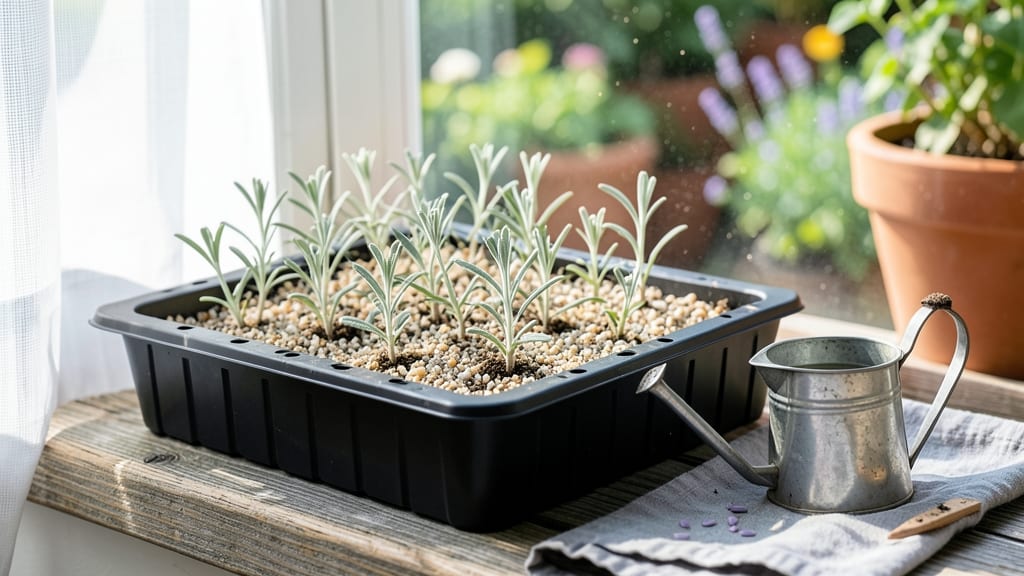
Lavender seed sprouts can take months to appear—but this speed hack cuts that wait time in half. 🌱 I’ve struggled with those stubborn little seeds, but after testing different methods, I found the exact conditions that trigger germination within 4-6 weeks instead of the usual 8-12.
The secret? A warm, moist environment with just the right light balance.
Start with a shallow tray filled with sterile seed-starting mix (no compost—lavender hates rich soil). Press seeds ¼-inch deep, mist them lightly, and cover with a humidity dome or plastic wrap. Place the tray in a spot with bright, indirect light—no direct sun yet.
Keep the soil consistently moist but never soggy, and maintain a steady 70-75°F temperature. A seedling heat mat helps if your home runs cooler.
Once sprouts appear, thin them to 2 inches apart to prevent competition. True leaves (not just the first seed leaves) signal it’s time to move them to individual pots with well-draining soil.
Within 8-10 weeks, you’ll see sturdy seedlings ready for transplanting—no leggy, twisty stems in sight. The key is patience paired with precise conditions.
This method works for all lavender varieties, from English to Spanish types. Just avoid overwatering—lavender’s biggest enemy in early stages. With this approach, you’ll skip the frustration of slow germination and get blooms in your first season instead of waiting years for mature plants.
📚 In This Guide
- What you need
- Instructions
- Tips and common mistakes
- Wrapping up and next steps
What you need
- ● Lavender seeds: 1–2 tsp (about 100–200 seeds, depending on variety). Pro tip: Choose organic, non-GMO seeds for the best germination.
- ○ Seed-starting mix: 1–2 cups of lightweight, well-draining potting soil (avoid garden soil—it’s too dense!). Optional: Mix in perlite or vermiculite (¼ cup) for extra aeration.
- ● Small containers: 2–4 biodegradable pots (2–3 inches deep) or a shallow tray with drainage holes. Pro tip: Egg cartons work great for budget-friendly starts!
- ● Spray bottle: 1 (for gentle watering—no heavy streams!).
- ● Clear plastic wrap or dome: 1 sheet (to create a mini greenhouse effect).
- ● Grow light or sunny windowsill: Access to 6+ hours of indirect sunlight daily (or a LED grow bulb if natural light is limited).
- ● Heat mat: A seedling heat mat (set to 70–75°F) to speed up germination.
- ● Humidity dome: A clear plastic lid with ventilation holes for consistent moisture.
- ● pH tester: To check soil pH (ideal range: 6.0–7.0 for lavender).
- ● Fertilizer: A balanced, water-soluble fertilizer (diluted to half-strength) once sprouts appear.
How to germinate lavender seeds for fast, healthy sprouts
Here's my foolproof method for breaking lavender's tough seed coat and getting sprouts in record time.
🌱 Step 1: Prepare Seeds for Faster Germination
Lavender seeds have a hard outer shell that slows germination. First, soak them in lukewarm water for 24 hours to soften the coat. I use a small bowl and cover the seeds completely, changing the water after 12 hours to prevent mold. You'll notice the water turning slightly cloudy—that's normal and means the seed coats are breaking down.
After soaking, spread seeds on a paper towel and place them in a sealed plastic bag. Keep them in a warm spot (70-75°F) for 3-5 daysg> until they begin to sprout tiny white roots. This pre-germination step cuts weeks off the process and gives you a head start on those twist-free blooms you're after.
💧 Step 2: Plant Pre-Sprouted Seeds in Warm, Moist Soil
Fill small 2-inch deep pots with a mix of 50% sterile seed-starting mix and 50% perlite—this ensures excellent drainage, which lavender loves. Moisten the mix until it feels like a damp sponge, but don't let it drip. I like to work the soil with my fingers to create tiny air pockets, which helps those delicate roots establish quickly.
Plant the pre-sprouted seeds just below the soil surface—about ¼ inch deep. Space them 1 inch apart in the pot. Gently press the soil around each seed to remove air gaps, then mist the surface with water until it's evenly damp. The goal is to keep the soil consistently moist but never soggy, as lavender hates wet feet.
☀️ Step 3: Provide Warmth and Indirect Light
Place the pots in a warm, bright spot with indirect light—think a south-facing window with sheer curtains. Lavender seeds need 70-75°F soil temperatures to germinate, so I often use a seedling heat mat underneath the pots. You'll see the first sprouts emerge in 7-14 days, though some stubborn seeds may take up to 21 days.
Once sprouts appear, remove the heat mat and move them to a spot with 6-8 hours of bright, indirect light daily. Avoid direct sunlight at this stage—it can scorch the tiny seedlings. You'll know they're getting enough light when the leaves are a vibrant green and the stems are sturdy, not leggy or stretched.
✂️ Step 4: Thin and Harden Off Seedlings
When seedlings reach 1-2 inches tall and have 2-3 sets of true leaves, it's time to thin them. Use a small pair of scissors to snip the weakest seedlings at soil level, leaving the strongest one in each pot. This prevents overcrowding, which leads to weak, twisty stems—the last thing you want in lavender.
After thinning, start hardening off the seedlings by placing them outside in a shaded, sheltered spot for 1-2 hours the first day. Gradually increase their outdoor time over 7-10 days, introducing them to more sunlight and wind each day. By the time they're ready for transplanting, they'll be tough enough to handle full sun and outdoor conditions without shock.
Tips & tricks for fast lavender seed germination
These pro-level strategies will help you skip the waiting game and get those twist-free lavender sprouts growing in record time.
Soaking Secret: The 24-hour soak is non-negotiable for breaking lavender's tough seed coat, but here's what I learned the hard way: use lukewarm water (not hot) to avoid shocking the seeds. I've found that adding a drop of mild dish soap to the water helps reduce surface tension, allowing water to penetrate the seed coats more effectively. After the initial 24 hours, that 12-hour water change is crucial—it prevents mold buildup that can smother your seeds before they even get started.
Warmth Hack: Those 70-75°F temperatures matter more than you might think. I've tried using standard household locations (like kitchen counters) and had miserable germination rates. The key is consistent warmth—consider placing your seed bag on top of a refrigerator or near a sunny window during the day. If you don't have a heat mat, try wrapping the pots in a warm towel after removing them from the heat source to maintain that critical temperature range during the 3-5 day pre-sprouting phase.
Lighting Strategy: The 6-8 hours of indirect light is where most people go wrong. I recommend using a simple LED grow light on a timer for 6 hours daily if you don't have ideal window conditions. Position it just above the seedlings—about 6 inches away—and adjust as they grow. Watch for those vibrant green leaves as your signal that the light is perfect. The moment you see leggy stems reaching for light, you've gone too far with direct exposure.
Thinning Timing: Waiting until seedlings reach 1-2 inches tall before thinning might seem early, but trust me on this: those tiny stems are more resilient than they look. I've found that using small scissors (not fingers) prevents crushing the remaining seedlings' roots. After thinning, give your pots a gentle shake—if soil falls away easily, the roots are established enough for the hardening process. This is where you'll see the difference between twist-prone lavender and sturdy, healthy plants.
Pro Tips for Lavender Seed Sprouts
- These pro-level strategies will help you skip the waiting game and get those twist-free lavender sprouts growing in record time.
- Soaking Secret: The 24-hour soak is non-negotiable for breaking lavender's tough seed coat, but here's what I learned the hard way: use lukewarm water (not hot) to avoid shocking the seeds.
- Warmth Hack: Those 70-75°F temperatures matter more than you might think.
Frequently asked questions
Got questions about growing lavender from seed?
You’re not alone! Here are answers to the most common queries—so you can skip the guesswork and start sprouting those fragrant blooms with confidence.
How long does it take for lavender seed sprouts to appear?
Patience is key! Lavender seeds are notoriously slow to germinate—expect to wait 4 to 6 weeks (or even up to 3 months) in ideal conditions. Keep soil consistently moist (not soggy) and maintain temperatures around 70–75°F (21–24°C). A heat mat can speed things up slightly, but consistency beats rushing.
Why aren’t my lavender seeds sprouting? Troubleshooting tips
If your tray is still seed-free after 6 weeks, try these fixes:
- Check seed viability: Lavender seeds lose potency quickly—use fresh seeds (or soak in water for 24 hours to test viability).
- Light vs. dark: Lavender seeds need light to germinate. Avoid burying them more than ¼ inch (0.6 cm) deep.
- Soil mix matters: Use a well-draining blend (like 50% perlite/sand + 50% peat moss). Compacted soil suffocates sprouts.
- Temperature shock: Fluctuations below 60°F (15°C) can stall germination. Move to a warmer spot or use a seedling heat mat.
Still no luck? Try stratification—mimic winter by chilling seeds in moist sand for 4–6 weeks before planting.
Can I grow lavender from cuttings instead of seeds?
Cuttings are far easier for beginners—lavender propagates well from softwood or semi-hardwood cuttings taken in spring or early summer. Dip the stem in rooting hormone, plant in moist perlite/sand, and cover with a plastic bag to retain humidity. Roots form in 2–4 weeks, and you’ll avoid the slow seed germination game.
Do lavender seed sprouts need sunlight right away?
Not yet! Keep sprouts under grow lights or bright indirect light (12–14 hours/day) until they have 2–3 true leaves (about 4–6 weeks). Direct sunlight can scorch delicate seedlings. Once hardened off, move them to a sunny outdoor spot (6+ hours of sun daily) to prevent leggy, twisty growth.
What’s the best way to transplant lavender sprouts without shocking them?
Timing and technique are everything:
- Wait until sprouts have 4–6 leaves and are at least 3 inches tall.
- Hardening off: Gradually expose them to outdoor conditions over 7–10 days (start with 1 hour/day, increasing daily).
- Transplanting: Dig a hole twice as wide as the root ball, mix in compost, and water deeply before and after planting.
- Avoid overwatering: Lavender hates soggy roots—let soil dry slightly between waterings once established.
Pro tip: Use a fan to toughen up seedlings indoors for 10 minutes daily—it mimics wind and strengthens stems!
Wrapping up and next steps
Growing lavender seed sprouts doesn’t have to be a slow or frustrating process—with the right techniques, you can unlock fast, twist-free blooms in no time! 🌱 Whether you’re a seasoned gardener or a curious beginner, these hacks simplify germination and set you up for success.
Now that you’re armed with the best materials and answers to common questions, it’s time to roll up your sleeves and get planting!
Your Next Step:
- Pick a sunny spot and start your lavender seeds today—your future fragrant garden awaits!
- Share your progress (or blooms!) with fellow gardening enthusiasts for extra motivation.
- Experiment with these tips to find what works best for your climate and space.
Happy growing—your lavender dreams are just sprouts away! ✨