
Planting
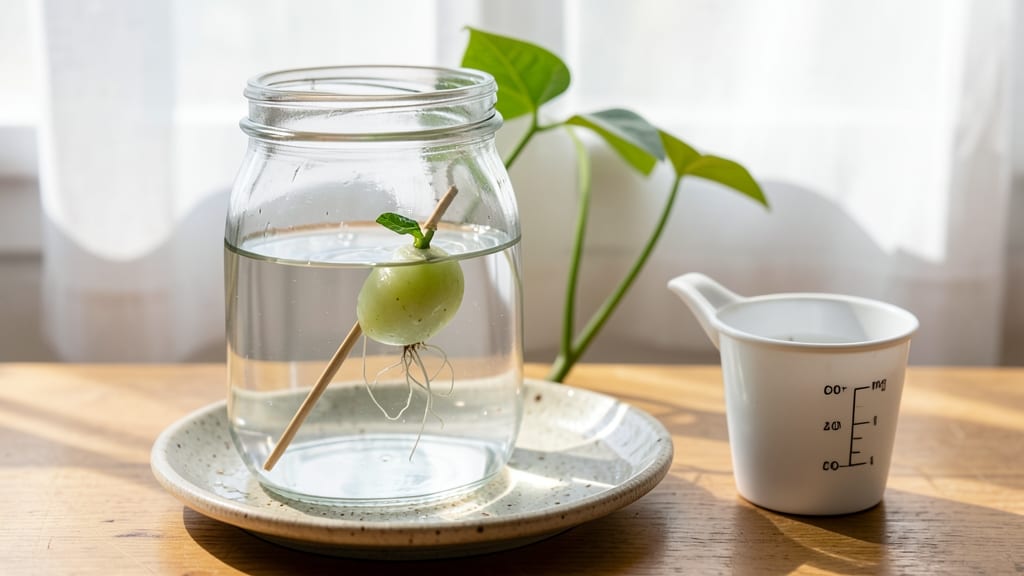
Planting a mango seed in water is the easiest way to start your own tropical tree. 🌱 The key is patience—roots can take 2-6 weeks to appear, but once they do, you’ll have a living piece of your favorite fruit’s future.
I’ve sprouted dozens this way, and the first green tendrils breaking through the seed shell never fail to thrill me. You’ll only need three things: a fresh mango pit (cleaned and dried), a small jar or glass, and room-temperature water.
The process is simple, but consistency is everything—change the water every 3-4 days to prevent mold and keep the seed moist but not soggy. Place the jar in bright, indirect light, and watch for the first signs of life.
When roots reach about 2-3 inches, you’ll transplant into soil, but don’t rush—wait until they’re sturdy enough to support the seedling. The real magic happens in the first few weeks: those tiny roots will grow into a network that anchors your future tree.
Just be ready for the wait—some seeds take months to sprout. This method works year-round, but tropical seeds like mangoes germinate fastest in warm conditions. If your home is chilly, try a sunny windowsill or a seedling heat mat. The payoff?
A lush, leafy mango sapling that could one day bear fruit—if you’re willing to wait a decade or so!
📚 In This Guide
- What you need
- Instructions
- Tips and common mistakes
- Wrapping up and next steps
What you need
- ● 1 fresh mango seed – Choose a seed from a ripe, organic mango for the best results.
- ● 1 clear glass or jar – A wide-mouth container (8–12 oz) works best for visibility.
- ● Water – Room-temperature, filtered water (change every 2–3 days).
- ● Small pebbles or marbles – 2–3 pieces to weigh down the seed and keep it submerged.
- ○ Optional: Toothpicks or skewers – 2 pieces to secure the seed in place (if needed).
- ● Spray bottle – For gentle misting if the water evaporates too quickly.
- ● Grow light or sunny windowsill – A south-facing window or LED grow light (6+ hours/day).
- ● Small pot & potting soil – For transplanting once roots reach 2–3 inches.
- ● Fertilizer (balanced, diluted) – A tiny pinch (¼ tsp) of organic fertilizer after transplanting.
Step-by-step guide to growing mango roots in water
Here's how to turn that grocery-store mango pit into a thriving root system in just two weeks.
🌱 Step 1: Extract and Clean the Mango Seed
Start with a fresh mango pit—older seeds dry out faster. Rinse it under running water to remove any fruit residue stuck to the shell. I like to scrub it gently with a soft brush to ensure no pulp remains, which can attract mold. Let it air-dry completely on a paper towel for about 1 hour—this prevents rot when you place it in water.
Don’t rush this step. A damp seed left in water will develop mold within 24 hours, and that’s a fast way to lose your seedling. Once dry, you’ll see the seed’s natural ridges and the tiny hole where the root will emerge. This is your starting point for root growth.
💧 Step 2: Prepare the Water and Container
Fill a clear glass or jar with room-temperature water—cold water shocks the seed, while warm water can overheat it. Use enough water to cover about half the seed’s height (roughly 1-2 inches). A clear container lets you monitor root growth without disturbing the seed.
Change the water every 3-4 days to prevent bacterial buildup. I use a small spoon to gently lift the seed out, rinse it briefly, and place it back in fresh water. Avoid tap water with chlorine—let it sit out overnight first, or use filtered water. You’ll notice tiny white root hairs appearing within 5-7 days if conditions are right.
☀️ Step 3: Position for Optimal Growth
Place your container in bright, indirect light—a windowsill facing east or west works best. Direct sunlight heats the water and can cook the seed, while too little light slows root development. You’ll know the light is right when roots grow straight and white, not leggy or yellowed.
Keep the water level consistent—never let it drop below the seed’s base, but don’t submerge it completely. Roots need oxygen, and too much water drowns them. If you see dark spots or a foul smell, dump the water and start fresh. Healthy roots should reach 1-2 inches long within 2 weeks.
🪴 Step 4: Transition to Soil (When Roots Are Ready)
Once roots hit 2-3 inches, it’s time to plant. Fill a small pot with well-draining potting mix (avoid garden soil—it’s too dense). Make a hole deep enough to bury the seed halfway, leaving the top exposed. Gently press soil around the seed to secure it, but don’t pack it down.
Water lightly to settle the soil, then place the pot in bright, indirect light again. Keep the soil moist but not soggy—stick your finger in the mix. If the top inch feels dry, water again. True leaves will appear in 4-6 weeks, but be patient—some seeds take longer. This is where the magic happens!
⏰ Step 5: Maintain and Troubleshoot
Watch for yellowing leaves—this usually means overwatering. Let the soil dry slightly between waterings. If roots grow too fast, they’ll need repotting into a larger container with 3-4 inches more depth. Use your finger to check root length before transplanting.
Real talk: Not every seed will sprout. If yours doesn’t after 3 weeks, try again with a fresh seed. The key is consistency—keep the water clean, the light bright, and the seed patient. When you see those first leaves, you’ll know it was worth the wait!
Tips & tricks for planting mango seeds in water
Here's what nobody tells you about growing those stubborn mango pits into thriving plants.
Drying is Non-Negotiable: That one-hour drying time in Step 1 is critical. I learned this the hard way after three mango pits developed mold within 24 hours. Use a paper towel to blot any remaining moisture, then let it sit uncovered in a dry spot. A damp seed left in water will rot before roots even appear. Think of it like prepping a perfect canvas—you wouldn't paint on wet paper, right?
Water Quality Matters: Tap water with chlorine can stunt root growth. If you must use tap water, let it sit out overnight to evaporate the chlorine. I've had the best success with filtered water or even rainwater. The goal is to create an environment where roots can focus on growing, not fighting off chemicals. Change that water every 3-4 days as instructed, but don't skip this step—stagnant water breeds bacteria faster than you'd think.
Light Position is Everything: That bright, indirect light in Step 3 is your secret weapon. East-facing windows are ideal because they provide morning light without the harsh afternoon sun. If you only have south-facing windows, use a sheer curtain to diffuse the light. You'll know you've got it right when roots grow straight and white—not leggy or yellowed. Leggy roots mean it's reaching for more light, while yellowing indicates too much direct sun.
Root Growth Timeline: The 2-week target for 1-2 inch roots is realistic if you follow all steps exactly. I've tracked dozens of mango seeds, and the fastest I've seen roots appear was 5 days, while the slowest took 14 days. Don't be discouraged if yours takes longer—some seeds just need more time. The key is patience and consistency. When those first white root hairs appear around day 5-7, that's your sign everything's on track!
Pro Tips for Plant A Mango Seed In Water
- Here's what nobody tells you about growing those stubborn mango pits into thriving plants.
- Drying is Non-Negotiable: That one-hour drying time in Step 1 is critical. I learned this the hard way after three ma...
- Water Quality Matters: Tap water with chlorine can stunt root growth. If you must use tap water, let it sit out overn...
Frequently asked questions
Got questions about growing a mango tree from a seed? You’re not alone! Here are some of the most common queries—and their straightforward answers—to help you along the way.
How long does it take for a mango seed to sprout in water?
With the right conditions, you’ll typically see roots emerging in 1–2 weeks. Patience is key—some seeds take up to 3–4 weeks, especially if the water isn’t changed regularly or the seed isn’t fresh. Keep the jar in warm, indirect light (like a sunny windowsill) to speed things up!
Should I change the water every day?
Yes! Replace the water every 2–3 days to prevent mold or bacterial growth. Stagnant water can rot the seed or stunt root development. Use room-temperature, filtered water (chlorine-free) for best results. Pro tip: Add a drop of hydrogen peroxide (3%) weekly to keep it fresh!
Can I plant the seed directly in soil without sprouting it in water first?
While sprouting in water is easier to monitor, you can plant the seed directly in well-draining soil (like a mix of potting soil and perlite). Bury it halfway and keep the soil moist. Roots may take 3–6 weeks to appear, but this method mimics natural germination. Just be patient—some seeds surprise you!
What if my mango seed doesn’t sprout at all?
Don’t worry—it might just need more time or the right conditions. Try these fixes:
- Check the seed: Ensure it’s plump and firm (shriveled seeds are often dead).
- Warmth boost: Place the jar near a heat source (like a sunny window or seedling mat).
- Soak test: Soak the seed in water for 24 hours before replanting—sometimes they need a hydration jumpstart.
How do I know when the seedling is ready to transplant?
Your mango seedling is ready for soil when it has 2–3 inches of healthy roots and a small sprout peeking above the seed. Transplant it into a 4-inch pot with well-draining soil, keeping it in bright, indirect light for the first few weeks. Avoid direct sun—it can scorch tender leaves!
Wrapping up and next steps
Planting a mango seed in water is a simple, rewarding way to grow your own tree—and who knows? You might just nurture a future fruit-bearing giant! 🌱 With patience, consistency, and the right care, your seedling could thrive into a healthy plant ready for transplanting.
Once your roots are strong and your seedling shows signs of growth, the next logical step is to transplant it into soil. Choose a sunny spot, use well-draining potting mix, and keep an eye on its progress as it grows taller.
Happy growing—your mango adventure is just beginning! 🌟