
Size
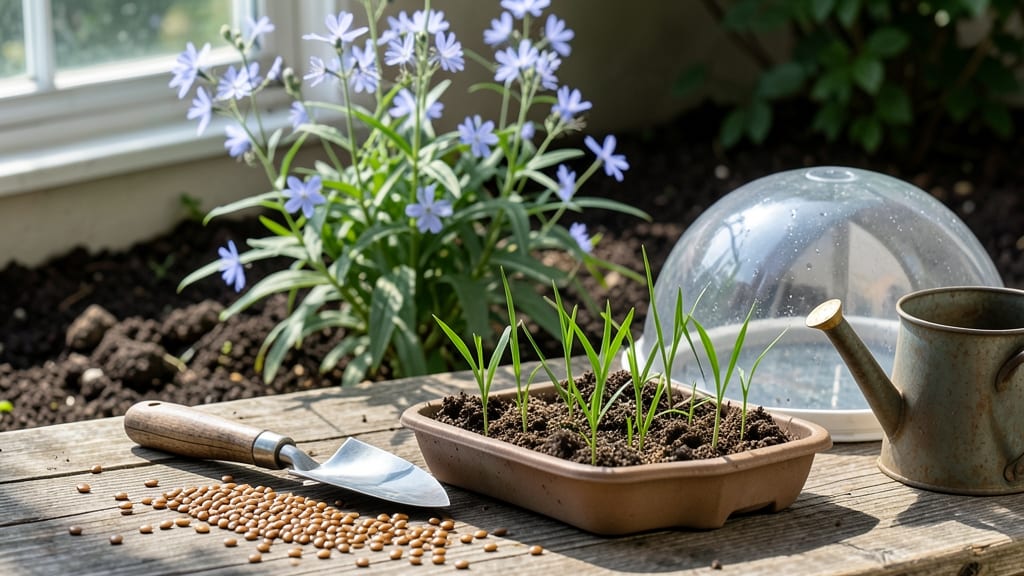
Growing flax from seed to harvest in just 90 days is simpler than you think—no fancy equipment needed. 🌱 I learned the hard way that flax thrives in cool weather, so timing your planting is everything.
Start indoors 8-10 weeks before your last frost, and you’ll have golden stalks ready for harvest by midsummer. The secret to success? Loose, well-draining soil and consistent moisture. Flax seeds germinate best when kept moist but not soggy, and they’ll shoot up in about a week.
Thin seedlings to 6 inches apart once they’re 2 inches tall—crowding stunts growth and reduces seed production. By harvest time, you’ll have tall, slender plants with delicate blue flowers that attract pollinators. The real payoff?
Flax seeds yield high-quality oil and fiber, or you can let them dry for birdseed. Even if you’re growing just a few plants, the results are surprisingly rewarding. Best of all, flax is drought-tolerant once established, making it a low-maintenance crop for beginners.
Whether you’re after seeds, fiber, or just a pretty pollinator magnet, this fast-growing plant delivers.
📚 In This Guide
- What you need
- Instructions
- Tips and common mistakes
- Wrapping up and next steps
What you need
- ● Flax seeds: 1 lb (organic, non-GMO preferred) – Aim for Linum usitatissimum varieties like Linette or Odin for best results.
- ● Growing containers: 2–3 shallow trays (6–8 inches deep) or a raised bed (for direct sowing).
- ● Potting mix: 5–10 gallons of well-draining, sterile seed-starting mix (or compost + perlite blend).
- ● Watering can or spray bottle: With a fine rose attachment for gentle watering.
- ○ Grow lights (optional but helpful): LED or fluorescent lights (12–16 hours/day) if starting indoors before last frost.
- ● Garden soil (for transplanting): Loamy, slightly acidic (pH 6.0–7.0), and free of weeds.
- ○ Fertilizer (optional): Balanced organic fertilizer (5-5-5 or compost tea) – skip high-nitrogen blends.
- ○ Row covers or netting (optional): To protect plants from pests like flax rust or birds.
- ● Sunlight: Full sun (6–8+ hours daily). Flax is a sun-lover!
- ● Temperature: Ideal germination: 60–70°F (15–21°C). Mature plants tolerate light frosts.
- ● Space: 12–18 inches between plants (thin seedlings if overcrowded).
- ● Water: Consistent moisture (1 inch/week), but avoid waterlogging.
Step-by-step instructions for growing flax seed plants
Here’s how I turn flax from seed to mature plant in just 90 days—with minimal fuss.
🌱 Step 1: Choose the Right Location and Prepare Soil
Flax thrives in cool weather and full sun, so pick a spot that gets at least 6-8 hours of direct sunlight daily. The soil should drain well—flax hates soggy roots. I like to test drainage by pressing a handful of soil: if water beads up instead of soaking in within 10 minutes, amend with sand or perlite.
Loosen the top 6 inches of soil with a garden fork, removing any rocks or debris. Flax has a shallow root system, so deep tilling isn’t necessary—just break up compaction. A light application of balanced organic fertilizer (10-10-10) at planting time gives seedlings a strong start without overfeeding later.
🌱 Step 2: Plant Seeds at the Right Depth and Spacing
Sow seeds ½ inch deep and 6 inches apart in rows spaced 12 inches apart. Flax seeds are tiny, so I use a seed tray or scatter them gently over the soil before lightly covering. Planting too deep slows germination, while shallow planting risks drying out the seeds before they sprout.
Water the soil gently after planting to settle seeds but avoid washing them away. I like to use a fine mist setting on my watering can to keep the soil surface moist without disturbing the seeds. Germination usually takes 7-14 days—patience is key, as flax seeds don’t sprout overnight.
☀️ Step 3: Maintain Moisture and Monitor Growth
Keep the soil consistently moist but never waterlogged, especially during the first 4-6 weeks when roots establish. I check moisture by sticking my finger 1 inch deep—if it feels dry, it’s time to water. Overwatering causes damping-off, a fungal disease that collapses seedlings.
Once seedlings reach 3-4 inches tall, thin them to 4-6 inches apart to reduce competition. I use scissors to snip excess plants at soil level rather than pulling, which disturbs roots. Thinning also improves airflow, reducing the risk of mildew.
✂️ Step 4: Fertilize and Watch for Maturity Signs
Flax is a light feeder, so I apply a low-nitrogen fertilizer (5-10-10) when plants reach 12 inches tall. Too much nitrogen encourages leafy growth at the expense of seed production. I also side-dress with compost to boost organic matter without overfeeding.
Mature flax plants develop blue-purple flowers that turn into seed pods. Harvest is ready when the pods turn golden-brown and rattle when shaken. Cut stems with a clean knife, leaving 4-6 inches of stalk to dry before threshing seeds.
🌾 Step 5: Dry and Store Seeds Properly
Bundle stems and hang upside down in a dry, well-ventilated area for 2-3 weeks until pods open and seeds rattle freely. I use old netting or twine to keep bundles secure. Once fully dry, remove seeds by hand or with a flail thresher.
Store seeds in an airtight container in a cool, dark place. Flax seeds stay viable for 1-2 years if kept dry. I label containers with the harvest date to track freshness—older seeds germinate more slowly.
Tips & tricks for perfect flax plant cultivation
Growing flax to harvest isn't just about planting seeds—it's about creating the ideal conditions at every stage. Here's what I've learned after years of trial and error to ensure your plants thrive.
Sunlight Strategy: While flax needs those 6-8 hours of sunlight daily, morning sun is most critical. Position your plants so they receive gentle morning rays followed by afternoon shade if possible—this prevents stress during peak heat. I've noticed plants in full afternoon sun often develop yellowing leaves, even if they get enough total sunlight.
Soil Test Hack: Beyond the drainage test, I recommend adding a handful of sand or perlite to your planting hole before placing seeds. This creates a micro-environment that mimics flax's natural preference for well-drained soils. The key is to mix it thoroughly with existing soil rather than creating separate layers.
Watering Wisdom: The 1 inch deep moisture check works perfectly, but I've found that watering in the early morning gives roots time to absorb moisture before evaporation. Avoid overhead watering after planting—it can wash seeds away or create mud that smothers them. A drip irrigation system set to shallow depth works wonders for consistent moisture.
Thinning Technique: When thinning seedlings to 4-6 inches apart, I use a small hand trowel to gently lift the unwanted plants rather than snipping with scissors. This prevents disturbing the roots of neighboring plants. The extra plants can be transplanted elsewhere or composted—they'll still grow if handled carefully.
Pro Tips for Grow Flax Seed Plants
- Growing flax to harvest isn't just about planting seeds—it's about creating the ideal conditions at every stage.
- Sunlight Strategy: While flax needs those 6-8 hours of sunlight daily, morning sun is most critical.
- Soil Test Hack: Beyond the drainage test, I recommend adding a handful of sand or perlite to your planting hole before placing seeds.
Frequently asked questions
Got questions about growing flax seed plants? You’re not alone—this fast-growing crop can be tricky for beginners! Below, we’ve answered the most common questions to help you avoid pitfalls and maximize your harvest.
How long does it take for flax seeds to germinate?
Flax seeds typically sprout within 5–10 days after planting, depending on soil temperature and moisture. For fastest results, keep the soil consistently moist (but not soggy) and maintain temperatures above 50°F (10°C). If germination takes longer than two weeks, check for overwatering or compacted soil, which can slow things down.
Can I grow flax seeds in containers or do they need a garden bed?
Flax thrives in containers as long as the pot is at least 6–8 inches deep and has drainage holes. Use a well-draining potting mix, and place the container in full sun. Just avoid overcrowding—space plants 6 inches apart to prevent competition. Containers are perfect for small spaces or urban growers!
What happens if my flax plants don’t get enough sunlight?
Flax is a sun-loving plant and needs 6–8 hours of direct sunlight daily. Without enough light, stems will grow weak and leggy, and seed production will suffer. If your garden is shady, consider growing flax in a sunny container on a balcony or windowsill. Yellowing leaves or slow growth? It’s a sign your plants need more light!
Are flax plants prone to pests, and how do I prevent them?
Flax is relatively pest-resistant, but aphids, flea beetles, and slugs may still appear. To prevent issues:
- Use row covers early in the season to deter pests.
- Rotate crops yearly to avoid soil-borne problems.
- Handpick slugs or spray with neem oil for aphids.
Can I save flax seeds from my harvest to plant next year?
Yes! Flax seeds are non-hybrid, meaning you can save and replant them. After harvesting, let the seeds dry completely in a well-ventilated area (like a mesh bag) for 1–2 weeks. Store them in a cool, dark place (like a sealed jar in the fridge) for up to 3–5 years. Just test a few seeds for viability before planting your entire batch!
Wrapping up and next steps
Growing flax seed plants is a rewarding journey that connects you to nature while yielding a versatile crop for health and sustainability. With the right soil, sunlight, and care, you can harvest nutritious seeds in just 90 days—perfect for beginners or seasoned gardeners alike.
Whether you’re aiming for organic flaxseed oil, fiber-rich linen, or a thriving pollinator garden, your effort will pay off in delicious and eco-friendly rewards.
Now that you’re armed with the know-how, roll up your sleeves and plant those seeds! Start small, experiment with varieties, and watch your garden flourish. Happy growing—and may your first harvest be as golden as your success! 🌱✨