
Lawn
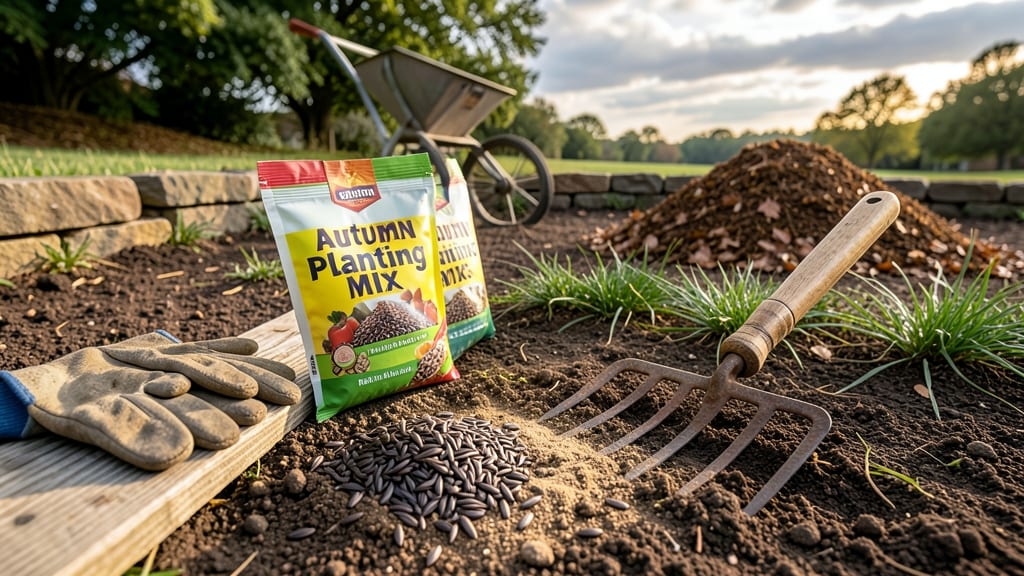
Autumn grass seed planting gives you a head start on next year's lawn—when done right, it's the secret to thick, green grass by spring. 🌱 The cool temperatures and frequent rains create perfect conditions for seeds to germinate and establish strong roots before winter arrives, outsmarting spring planting struggles.
Soil prep is half the battle: aerate compacted areas, rake away debris, and work in a light layer of compost to feed emerging roots. Choose a seed blend suited to your climate—cool-season grasses like fescue or ryegrass thrive in fall, while warm-season grasses need spring planting.
Test your soil's pH first; most lawns benefit from a slight acid boost. After sowing, keep the seedbed consistently moist but not soggy—water lightly twice daily until germination (about 10-14 days). A thin layer of straw mulch helps retain moisture and protects tender sprouts from birds.
The key is patience: roots will grow slowly but deeply, giving you a lawn that outlasts summer heat. This method works best in USDA zones 3-8, but even warmer climates can benefit if planted in early fall before temperatures dip.
Avoid planting too late—seeds need time to establish before frost. With the right timing, you'll see lush green shoots pushing through next spring, ready to take over.
📚 In This Guide
- What you need
- Instructions
- Tips and common mistakes
- Wrapping up and next steps
What you need
- ● Grass seed: Choose a cool-season variety (e.g., Kentucky bluegrass, fescue, or ryegrass) suitable for your climate. Aim for 5–10 lbs per 1,000 sq ft (follow package instructions for exact rates).
- ● Lawn soil: A high-quality topsoil or compost mix (2–3 inches deep) to improve seed-to-soil contact. 10–20 sq ft bags are ideal.
- ● Rake: A bow rake (for levelling) and a garden rake (for seed distribution).
- ○ Broadcast spreader: A handheld or walk-behind model for even seed dispersal. Optional: a calibrated spreader for precision.
- ● Watering supplies: A hose with a gentle spray nozzle (or a sprinkler for larger areas).
- ● 1–2 gallons of water per sq ft daily (split into 2–3 light sessions).
- ● Fertilizer: A low-nitrogen, starter fertilizer (e.g., 10-10-10 or 5-10-10). Apply ½ lb per 1,000 sq ft before seeding.
- ○ Mulching material (optional but recommended): Straw or peat moss (¼ inch thick) to retain moisture and protect seeds. 1 bale covers ~100 sq ft.
- ● Soil test kit: Check pH and nutrient levels (ideal range: 6.0–7.0) for optimal seed germination.
- ● Lawn roller: Lightly compact soil (50–100 lbs) after seeding for better seed-to-soil contact.
- ● Weed barrier fabric: If overseeding an existing lawn, use biodegradable fabric to block weeds.
- ● Seed germination blanket: A breathable, UV-protective cover for high-traffic or sunny areas.
- ● Knee pads or gloves: For comfort during raking and spreading.
Step-by-Step guide for planting grass seed in autumn
Fall is the perfect time to plant grass seed—cooler temperatures and fewer weeds mean stronger roots before winter.
🌱 Step 1: Prepare the Soil for Optimal Seed Contact
Start by mowing your lawn as short as possible—this gives the new seeds direct contact with the soil, which is critical for germination. Use a sharp mower blade to avoid tearing grass blades, which can smother the seedbed. After mowing, rake the area thoroughly with a stiff-bristled rake to remove debris and level the surface. You want the soil to be smooth and free of clumps so seeds can settle evenly.
If your lawn has thick, established grass, consider dethatching first. Use a rake or a dethatching machine to remove thatch layers thicker than ½ inch. Thatch blocks water and nutrients from reaching the soil, and autumn’s moisture will help break it down naturally over time. Test the soil pH—ideal levels for most grasses are between 6.0 and 7.0. If your soil is too acidic or alkaline, amend it with lime or sulfur before planting.
💧 Step 2: Spread Seed Evenly for Uniform Germination
Divide your seed into four equal portions—this makes it easier to distribute evenly. Walk in opposite directions (north-south, then east-west) while spreading the first portion. Use a broadcast spreader for larger areas or a hand-held spreader for smaller patches. Lightly overlap your passes to avoid thin spots. For a 4,000-square-foot lawn, you’ll need about 8-12 pounds of seed, depending on the grass type.
After spreading the first layer, rake the area lightly with a leaf rake to cover the seeds with ¼ inch of soil. This protects them from drying out and birds while keeping them in contact with the soil. If you’re overseeding an existing lawn, avoid raking too deeply—you want to disturb the soil just enough to create small pockets for the seed to settle into without harming the established grass.
☀️ Step 3: Water Gently but Consistently for Germination
The key to autumn grass seed success is consistent moisture. Water lightly two to three times daily for the first 7-10 days, keeping the top ½ inch of soil damp but not soggy. Use a sprinkler with a fine mist setting or a gentle hose stream to avoid displacing the seeds. Morning watering is best—it allows the soil to dry slightly during the day, reducing the risk of fungal diseases like damping-off, which can rot new seedlings.
Once the grass reaches 2-3 inches tall, you can reduce watering to once daily, but keep the soil moist until the new grass is fully established. Avoid heavy watering, which can wash away seeds or cause erosion. If rain falls during this period, check the soil moisture—you don’t want to overwater, but you also don’t want it to dry out completely.
✂️ Step 4: Maintain and Protect New Growth Through Winter
After the grass reaches 3-4 inches tall, mow it to 3-4 inches to encourage a deeper root system. Use a sharp mower blade to avoid tearing the grass. Avoid fertilizing until spring—autumn planting relies on natural nutrient uptake before winter dormancy. If weeds start to sprout, hand-pull them early to prevent competition for water and nutrients.
In late autumn, apply a light layer of mulch (like straw) if your region experiences freezing temperatures. This insulates the soil and protects young roots from temperature fluctuations. However, avoid heavy mulch—it can suffocate the grass. By late winter, you’ll see patches of green emerging, signaling that your lawn is establishing strong roots for next year’s growth.
Tips & tricks for perfect fall grass seed planting
These simple tricks will help you avoid common pitfalls and maximize your autumn lawn's potential.
Soil Prep Secret: Don't rush the soil preparation in Step 1. I've seen too many lawns fail because the seeds couldn't make proper contact with the soil. After mowing, take an extra 10 minutes to thoroughly remove all debris and create a completely smooth surface. Even small rocks or twigs can prevent seeds from settling properly. For existing lawns, lightly scarify the surface with a rake to create tiny pockets where seeds can nestle without disturbing the established grass too much.
Seed Distribution Technique: When dividing your seed into four equal portions in Step 2, I recommend using a kitchen scale for precision—especially if you're working with expensive seed blends. The key is consistency: walk at the same speed in both directions and maintain the same distance between passes. For small areas, try this trick: spread half the seed in one direction, then turn 90 degrees and spread the remaining half perpendicularly. This creates a crosshatch pattern that ensures even coverage.
Watering Wisdom: The two-to-three-times-daily watering in Step 3 is non-negotiable, but timing matters just as much. Set your sprinkler for short cycles—about 10 minutes each time—rather than one long soaking. This prevents seed displacement while keeping the soil consistently moist. I've found that using a rain gauge helps track moisture levels. Aim for about ¼ inch of water per session, and always water in the morning to allow the soil to dry slightly during the day, reducing fungal risks.
Winter Protection: That light layer of mulch in Step 4 is your secret weapon against winter stress. Straw works best because it's lightweight and allows water to penetrate. Spread it evenly—about ¼ inch thick—after the first frost when the ground is frozen. This insulating layer helps maintain soil temperature and prevents freeze-thaw cycles that can damage young roots. Just remember to remove it in early spring before new growth emerges.
Pro Tips for Grass Seed Autumn
- These simple tricks will help you avoid common pitfalls and maximize your autumn lawn's potential.
- Soil Prep Secret: Don't rush the soil preparation in Step 1. I've seen too many lawns fail because the seeds couldn't...
- Seed Distribution Technique: When dividing your seed into four equal portions in Step 2, I recommend using a kitchen ...
Frequently asked questions
Got questions about planting grass seed in autumn?
You’re not alone! Here are the most common concerns—and their answers—to help you get started with confidence.
Is autumn really the best time to plant grass seed?
Autumn is ideal because cooler temps and frequent rain help seeds germinate without the stress of summer heat or winter freeze. Plus, weeds are less aggressive, giving your grass a fair shot at establishing roots before winter. Aim for late summer to early fall (typically September–October in most regions).
How long does it take for grass seed to grow in autumn?
Germination usually takes 7–21 days, depending on soil temp and moisture. Cool-season grasses (like fescue or ryegrass) grow faster in autumn, often reaching mowable height in 4–6 weeks. Keep the soil moist but not soggy—water lightly daily until sprouts appear!
Can I use leftover grass seed from spring?
Yes, but check the expiration date—seed viability drops after 1–2 years. Store unused seed in a cool, dry place (like a sealed container in your garage) to preserve freshness. If it’s past its prime, opt for a new bag for better germination rates.
What if squirrels or birds eat my grass seed?
Use a lightweight straw mulch or seed blanket to protect seeds until germination. Avoid heavy mulch, which can smother sprouts. Scare tactics (like old CDs hung in trees) might help temporarily, but mulching is the most effective long-term fix.
Will frost kill newly planted grass seed?
Not if it’s established! Grass seed germinates best at 60–75°F, but young seedlings can handle light frost once roots are 1–2 inches deep. Avoid planting too close to the first hard freeze—wait until soil temps stay above 50°F at night for best results.
Can I overseed my existing lawn in autumn?
Yes! Autumn is perfect for overseeding thin or patchy lawns. Mow short, rake out debris, and spread seed evenly. Water gently to keep soil moist until germination. This boosts density and fills in bare spots—just avoid fertilizing until after new growth appears.
Wrapping up and next steps
Autumn is your golden opportunity to transform your lawn into a vibrant, resilient carpet for next year! By planting grass seed during the cooler months, you’re giving your lawn a head start—taking advantage of ideal conditions for germination and root growth. Don’t wait—soil temps and moisture are perfect now!
Ready to take action? Grab your supplies, follow the steps, and watch your lawn thrive. Start small if needed, but commit to the process. Your future self (and your neighbors!) will thank you for that lush, green oasis come spring. 🌱✨