
Propagation
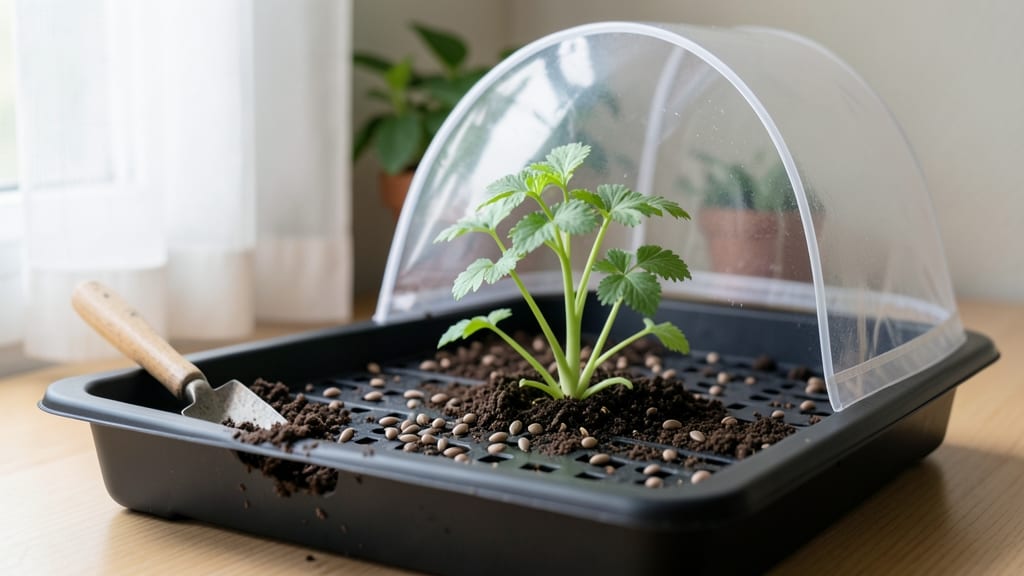
Celery seed germination feels like waiting for a stubborn friend to show up—until you learn the moisture and warmth tricks that wake them up in days instead of weeks. 🌱 The secret isn't complicated: seeds need consistent dampness and steady warmth to break their dormancy, and most gardeners overlook one or both.
I've struggled with celery seeds sprouting in three weeks instead of the usual month, but after a few failed batches, I cracked the code to reliable, fast germination.
Start with a seed-starting mix that holds moisture without staying soggy—think damp, not dripping. Plant seeds just ¼ inch deep in small pots or trays, then cover them with a humidity dome or plastic wrap to trap warmth.
Keep the soil at 70-75°F using a heat mat if needed, and maintain moisture by misting lightly every other day. Most seeds will sprout within 10-14 days with these conditions, though some stubborn ones may take up to three weeks.
Once the first green shoots appear, remove the dome immediately to prevent mold, and place the seedlings under bright, indirect light. They'll need 12-14 hours of light daily, so supplement with a grow light if natural light is weak.
Thin seedlings to 2 inches apart once they're 2 inches tall, and you'll have sturdy plants ready for transplanting in about six weeks.
For outdoor sowing, wait until soil temperatures are consistently above 60°F, and use a cold frame or row cover to maintain warmth. If you're in a cooler climate, start seeds indoors 10-12 weeks before your last frost date.
The key to success is patience and consistency—celery seeds don't rush, but with the right setup, they won't leave you waiting either.
📚 In This Guide
- What you need
- Instructions
- Tips and common mistakes
- Wrapping up and next steps
What you need
- ● Celery seeds: 1–2 teaspoons (about 5–10g) of Apium graveolens seeds (organic or non-GMO preferred).
- ● Germination medium: Option 1: Paper towels (2–3 sheets, unbleached and seedling-safe).
- ● Option 2: Peat pellets (3–5 pellets, 1–2 inches in diameter).
- ● Option 3: Seedling trays with coco coir or potting mix (lightweight, sterile blend).
- ● Spray bottle (16 oz, with a fine mist nozzle for gentle hydration).
- ● Clear plastic bag or dome (to retain humidity; a ziplock bag or humidity tent works!).
- ● Heat source: Option 1: Seedling heat mat (set to 70–75°F / 21–24°C).
- ● Option 2: Warm location (e.g., top of fridge, near a sunny window with indirect warmth).
- ● Grow lights (LED or fluorescent, 12–16 hours/day post-germination).
- ● pH meter (to test moisture pH, ideal range: 6.0–7.0).
- ● Small fan (for gentle airflow once sprouts emerge).
- ● Notebook (to track germination progress and conditions!).
Instructions for germinating celery seeds faster
Here’s how to coax those stubborn celery seeds to sprout reliably—warmth and moisture are your secret weapons.
🌱 Step 1: Prep Seeds and Soil for Maximum Moisture
Celery seeds have tough outer shells that resist water, so I soak them first. Place them in a small bowl with warm water and let them sit for 12-24 hours. You’ll see the seeds swell slightly—that’s your signal they’re ready. While they soak, fill your seed-starting tray with moistened seed-starting mix (not garden soil). Press it down gently until it’s firm but still fluffy.
This step is critical. If the soil is too dry, seeds won’t absorb water. If it’s soggy, they’ll rot before sprouting. Aim for a mix that holds together when squeezed but doesn’t drip. I like to sprinkle a thin layer of perlite on top—it keeps the surface loose for tiny seedlings to push through.
💧 Step 2: Plant and Cover for Ideal Germination Conditions
Sow the seeds ¼ inch deep—any deeper and they’ll struggle to break through. I use a toothpick to make small holes and drop 2-3 seeds per spot (celery seeds are tiny, so spacing isn’t critical yet). Cover them lightly with more mix, then mist the surface with a spray bottle until evenly damp. The goal is to keep the soil moist but not wet.
Place the tray in a warm, dark spot (like on top of the fridge) to encourage germination. Celery seeds need 70-75°F soil temperature to sprout consistently. A seedling heat mat helps if your home runs cooler. Check daily—you’ll see the first sprouts in 10-14 days, but some stubborn seeds may take up to 3 weeks.
☀️ Step 3: Move to Light and Monitor Moisture
Once seedlings emerge, uncover the tray and move it to a bright, indirect light source (a south-facing window or grow light). Direct sun can scorch delicate seedlings, so start with 4-6 hours of filtered light daily. You’ll notice the stems stretch toward the light—this is normal, but if they grow leggy (thin and pale), your light isn’t strong enough.
Water from the bottom by placing the tray in ½ inch of water for 10 minutes. This prevents disturbing the seedlings while keeping roots moist. Let excess water drain completely before returning the tray to its spot. Overwatering is the #1 killer of young celery—yellowing leaves mean you’re keeping the soil too wet.
⏰ Step 4: Thin and Harden Off for Transplanting
When seedlings reach 2 inches tall (usually 3-4 weeks after sowing), thin them to the strongest plant per spot. Use scissors to snip unwanted seedlings at the soil line—this avoids disturbing the roots of the ones you’re keeping. Celery seedlings are slow to establish, so don’t rush this step. The remaining plants should have 2-3 true leaves and sturdy stems.
Two weeks before your last frost date, start hardening off the seedlings. Place them outside in a sheltered spot for 1 hour the first day, gradually increasing time over 7-10 days**. This toughens their stems so they don’t snap when transplanted. Pick a cloudy day for the final move to reduce stress—celery hates transplant shock.
Tips & tricks for perfect celery seed germination
These little tricks will help you turn stubborn celery seeds into thriving seedlings faster than you ever thought possible.
Soaking Secret: For the 12-24 hour soak in Step 1, use a bowl of warm water (around 75°F) to help soften those tough outer shells. I like to add a drop of dish soap to reduce surface tension—this helps water penetrate the seeds more effectively. After soaking, give them a quick rinse before planting to remove any soap residue.
Temperature Matters: In Step 2, maintaining that 70-75°F soil temperature is crucial. If your home runs cooler, place the seed-starting tray on top of your refrigerator (not inside) or use a seedling heat mat. I've found that a simple DIY solution—placing the tray inside a clear plastic bag with a few drops of water—creates a mini greenhouse effect that maintains warmth and humidity without extra equipment.
Light Transition: When moving seedlings to light in Step 3, start with just 4-6 hours of filtered light daily to avoid shocking them. I rotate my trays every few days so all seedlings get even exposure. If you notice leggy seedlings, it's a sign they need more light—gradually increase exposure by an hour each day until they're getting full, indirect light for 12 hours.
Thinning Technique: In Step 4, when thinning seedlings to 2 inches tall, use clean scissors (not your fingers) to avoid spreading disease. I like to thin in the morning when the soil is slightly damp—this makes the seedlings easier to handle. The strongest plant per spot should have 2-3 true leaves and stand upright; any that look weak or yellow should be removed immediately.
Pro Tips for Celery Seed Germination
- These little tricks will help you turn stubborn celery seeds into thriving seedlings faster than you ever thought pos...
- Soaking Secret: For the 12-24 hour soak in Step 1, use a bowl of warm water (around 75°F) to help soften those tough ...
- Temperature Matters: In Step 2, maintaining that 70-75°F soil temperature is crucial. If your home runs cooler, place...
Frequently asked questions
Got questions about getting your celery seeds to sprout like a pro? You’re not alone! Here are some of the most common concerns—and straightforward answers—to help you grow celery from seed with confidence.
How long does it take for celery seeds to germinate?
Celery seeds typically take 14–30 days to germinate, depending on temperature and moisture. Keep the soil consistently moist and maintain a warm environment (around 70–75°F) to speed up the process. Patience is key—slow germination is normal!
Do celery seeds need light to germinate?
Nope! Celery seeds do not need light to germinate—they’ll sprout just fine in darkness. Once they’ve germinated (usually after 2–3 weeks), you can move them to a sunny spot or under grow lights. Keep the soil covered until then to retain moisture.
Can I germinate celery seeds in water?
While celery seeds can sprout in water, it’s riskier than soil germination. Place them in a damp paper towel or a shallow dish with water, but transfer them to soil as soon as tiny roots appear (usually in 5–7 days). Water germination can lead to weak seedlings.
Why aren’t my celery seeds sprouting?
If your seeds aren’t germinating, check these common culprits:
- Cold soil (below 60°F slows or stops germination). Use a heat mat if needed.
- Dry soil—celery seeds need constant moisture but not soggy conditions.
- Old seeds (lose viability after 2–3 years). Test a few seeds in a damp paper towel to confirm viability.
What’s the best soil mix for celery seed germination?
A lightweight, well-draining mix works best. Combine:
- 50% peat moss or coco coir (for moisture retention)
- 30% perlite or vermiculite (for aeration)
- 20% compost or worm castings (for nutrients)
Wrapping up and next steps
Growing celery from seed is a rewarding journey that combines patience with a few clever tricks! By mastering the right balance of moisture, warmth, and light, you’ll unlock faster germination and healthier seedlings.
Whether you’re a seasoned gardener or a curious beginner, these steps make it easier than ever to nurture your own celery plants.
Now that you’re armed with the know-how, why not take the next step? Start with a small batch of seeds, experiment with the techniques shared here, and watch your garden thrive. Happy planting—your future harvest is waiting! 🌱