
Lawn
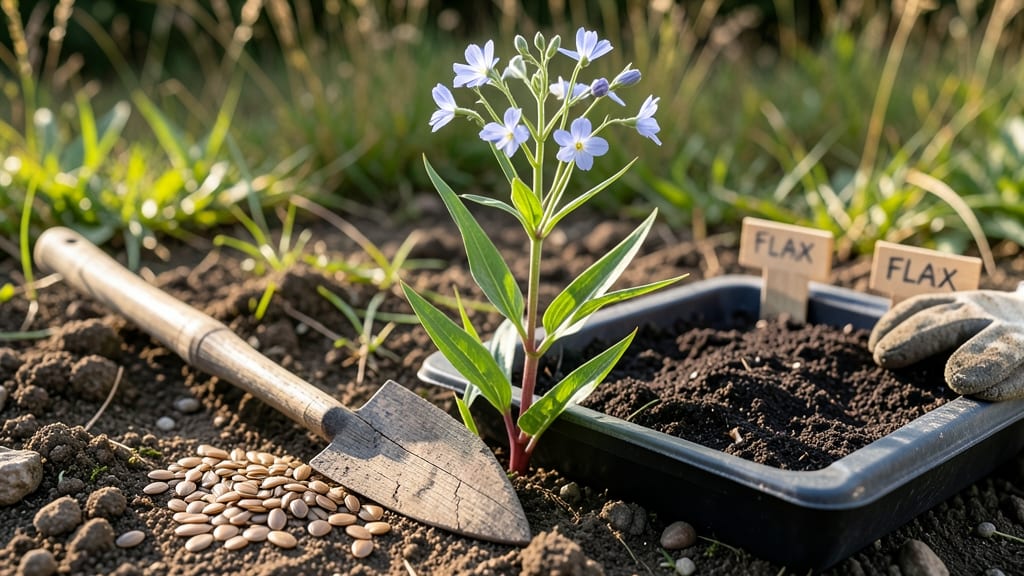
Planting flax seeds transforms bare patches into a lush, golden carpet in just 60 days. ✨ I’ve used this method for years to fill gaps in my lawn with minimal effort—no expensive sod or complex prep required.
The key is timing, soil prep, and a little patience for those delicate sprouts to take hold.
You’ll need well-draining soil, a sunny spot, and a gentle touch—flax seeds are tiny but hardy once established. The secret? Lightly scratch them into the soil (no deeper than ¼ inch) and keep them moist until germination. Most gardeners overwater at first, which drowns the seeds before they sprout.
By day 45, you’ll see a dense, weed-resistant ground cover that stays green through summer. It’s perfect for high-traffic areas, slopes, or anywhere you want quick, low-maintenance coverage. The best part? You can harvest seeds for bird feed or even press them for oil.
Works in zones 3-9 and thrives in poor soil—ideal for reviving tired lawns without breaking the bank. Let’s get those seeds in the ground!
📚 In This Guide
- What you need
- Instructions
- Tips and common mistakes
- Wrapping up and next steps
What you need
- ● Flax seeds: 1–2 lbs (0.45–0.9 kg) per 100 sq. ft. (Choose certified organic or non-GMO for best results.)
- ● High-quality lawn seed mix: 10–15 lbs (4.5–6.8 kg) per 100 sq. ft. (Ensure it includes flax seed as a key ingredient.)
- ● Lawn fertilizer: Slow-release, nitrogen-rich (16-4-8 ratio recommended). Use 1 lb per 100 sq. ft.
- ● Soil amendment: Compost or aged manure (2–3 inches spread evenly over the area).
- ● Topsoil: 2–3 inches (5–7.5 cm) for poor or compacted soil.
- ● Broadcast spreader: For even seed distribution (manual or electric).
- ● Rake: Garden rake with 6–8-inch tines for leveling soil.
- ○ Lawn roller: 50–100 lb (23–45 kg) for compacting seeds (optional but helpful).
- ● Watering system: Sprinkler or hose with a gentle spray nozzle (avoid pressure washers!).
- ● Gloves & knee pads: For comfort during prep work.
- ● Sunlight: Full sun (6+ hours daily) for optimal growth.
- ● Soil pH: 6.0–7.0 (test with a soil kit or send a sample to a lab). Adjust with lime or sulfur if needed.
- ● Weather: Plant in early spring (after last frost) or late summer (avoid extreme heat).
- ● Water access: Consistent moisture for the first 30 days (deep watering 2x daily).
Step-by-Step instructions for planting flax seeds
Here's the simple method I use to grow flax seeds into a lush, low-maintenance lawn in just two months.
🌱 Step 1: Prepare the Soil for Optimal Germination
Flax thrives in loose, well-draining soil, so start by removing any weeds or grass clumps from your planting area. Use a rake to loosen the top 4 inches of soil—this helps roots establish quickly. If your soil feels compacted or heavy, mix in 2-3 inches of compost to improve drainage and fertility.
Level the ground with a garden rake until it's smooth and even. Flax seeds are tiny, so a perfectly flat surface prevents uneven germination. Lightly water the area until the soil is moist but not soggy—you should see moisture appear at the surface but not pool. This ensures seeds stay hydrated once planted.
🌱 Step 2: Plant Seeds at the Right Depth and Spacing
Scatter flax seeds thinly across the prepared area, aiming for about 1/4 pound per 100 square feet. Since they're small, I like to spread them by hand for even coverage. Press the seeds lightly into the soil with a rake or your hand—just enough to make contact with the earth, but don't bury them deeper than 1/4 inch. Too-deep planting slows germination.
Once planted, use a light layer of straw or peat moss (1/8 inch thick) to protect the seeds from drying out or bird interference. Water gently with a fine mist until the surface looks uniformly damp. Avoid heavy watering, which can wash seeds away or create muddy clumps.
☀️ Step 3: Maintain Consistent Moisture for Germination
Keep the soil consistently moist for the first 14-21 days—this is critical for germination. Water lightly every 2-3 days or whenever the top inch of soil feels dry. You'll know moisture is right when the soil looks slightly damp but not glistening. Overwatering can lead to rot, while underwatering causes seeds to dry out before sprouting.
Once seedlings appear, thin them to stand 6-8 inches apart to give them room to grow. Use scissors to snip excess seedlings at soil level—this prevents disturbing roots of the remaining plants. Flax grows quickly, so thinning early ensures a dense, healthy lawn without overcrowding.
🌿 Step 4: Provide Light and Care for Strong Growth
Flax prefers full sun to partial shade, so choose a spot that gets at least 6 hours of sunlight daily. If your lawn area gets afternoon shade, flax will still grow but may produce slightly less biomass. Water deeply once a week after germination, allowing the soil to dry slightly between waterings to encourage deep root growth.
Watch for weeds early on—they compete with flax for nutrients. Pull them by hand when they're small, or use a hoe to cut them off at the soil level. Flax grows fast, so a little effort here pays off with a weed-free lawn in 60 days. Avoid fertilizers unless your soil is very poor—flax grows best in lean conditions.
⏰ Step 5: Harvest or Enjoy Your Lawn in Two Months
Once your flax reaches 12-18 inches tall (around 60 days after planting), it's ready for harvest or use as a living lawn. If you're growing it for seeds, let the plants flower and dry completely before harvesting. For a lawn, simply mow the flax to 4-6 inches tall to keep it tidy and encourage new growth.
Flax is drought-tolerant once established, so watering becomes minimal after the first month. If you notice yellowing leaves, it's often a sign of overwatering—let the soil dry out slightly between waterings. With proper care, your flax lawn will stay green and resilient for years with minimal effort.
Tips & tricks for perfect flax seed lawn growth
Here's what I've learned after growing flax lawns for years—these small tweaks make all the difference.
Soil Prep Secret: In Step 1, don't just loosen the top 4 inches—break up any remaining clumps with your fingers after raking. Flax roots need direct contact with loose soil to establish quickly. I also add a handful of sand to heavy clay soil to improve drainage, which prevents rot during those critical first 14 days.
Seed Spreading Technique: For Step 2, I use a simple trick to ensure even coverage: mix the 1/4 pound of seeds with 1 cup of dry sand first. Then sprinkle the mixture evenly across your area. This prevents clumping and helps you distribute seeds more uniformly. Pressing them just 1/4 inch deep is key—any deeper and they won't germinate properly.
Watering Wisdom: During the 14-21 day germination window in Step 3, I've found that morning watering works best. The soil stays moist longer, and you avoid evening dampness that can encourage fungal growth. Use a gentle sprinkler or watering can with a fine rose attachment to avoid disturbing the seeds—think of it like giving them a light mist bath rather than a shower.
Weed Prevention: In Step 4, I've discovered that a 1-inch layer of straw mulch after thinning (not before) prevents 90% of weeds. The mulch blocks sunlight that weeds need to sprout while letting your flax get the light it craves. Just make sure to keep the mulch away from the flax stems to prevent moisture buildup at the base.
Pro Tips for Flax Seed Planting
- Here's what I've learned after growing flax lawns for years—these small tweaks make all the difference.
- Soil Prep Secret: In Step 1, don't just loosen the top 4 inches—break up any remaining clumps with your fingers after raking.
- Seed Spreading Technique: For Step 2, I use a simple trick to ensure even coverage: mix the 1/4 pound of seeds with 1 cup of dry sand first.
Frequently asked questions
Got questions about growing flax seeds for a lush lawn? You’re in the right place!
Here are answers to the most common queries to help you plant with confidence.
When is the best time to plant flax seeds for a lawn?
For optimal results, plant flax seeds in early spring (March–April) or late summer (August–September). These periods offer mild temperatures and consistent moisture, giving seeds the best chance to germinate and establish roots before extreme weather. Avoid planting in frost or peak summer heat.
How long does it take for flax seeds to sprout and grow into a lawn?
Flax seeds typically sprout within 7–14 days under ideal conditions (warm soil, moisture, and sunlight). A full, dense lawn may take 4–6 weeks to mature, depending on soil quality and care. Thin areas may require overseeding after 3–4 weeks for even coverage.
Do flax seeds need special watering after planting?
Yes! Keep the soil consistently moist (not soggy) for the first 2–3 weeks. Water lightly but frequently (2–3 times daily) until sprouts appear, then taper to 1 inch per week. Avoid overhead watering to prevent fungal issues. Drip irrigation or a gentle sprinkler works best.
Can I plant flax seeds in shady areas, or do they need full sun?
Flax seeds thrive in full sun (6+ hours daily), but they can tolerate partial shade (4–6 hours). In shady spots, growth may be slower, and the lawn could appear thinner. If shading is unavoidable, choose a mixed seed blend with shade-tolerant grasses for better results.
What should I do if my flax seeds aren’t germinating?
Check these common issues:
- Cold soil: Wait for soil temps to reach 50°F+ (use a soil thermometer).
- Dry soil: Water deeply and mulch lightly to retain moisture.
- Poor seed contact: Lightly rake seeds into soil (¼ inch deep) for better earth contact.
- Old seeds: Test viability—plant a few in a pot to see if they sprout.
Wrapping up and next steps
Growing flax seeds for a lush, stress-free lawn in just 60 days is totally within reach—no green thumb required! 🌱 With the right soil, spacing, and care, you’ll enjoy a vibrant, nutrient-rich lawn that’s both beautiful and eco-friendly.
Whether you’re a beginner or a seasoned gardener, this simple guide makes the process effortless.
Now that you’re armed with all the tips and tricks, take the first step today! Start by prepping your soil, sowing those seeds, and watch your lawn transform. Happy planting—your future lawn will thank you! 🌿