
Propagation
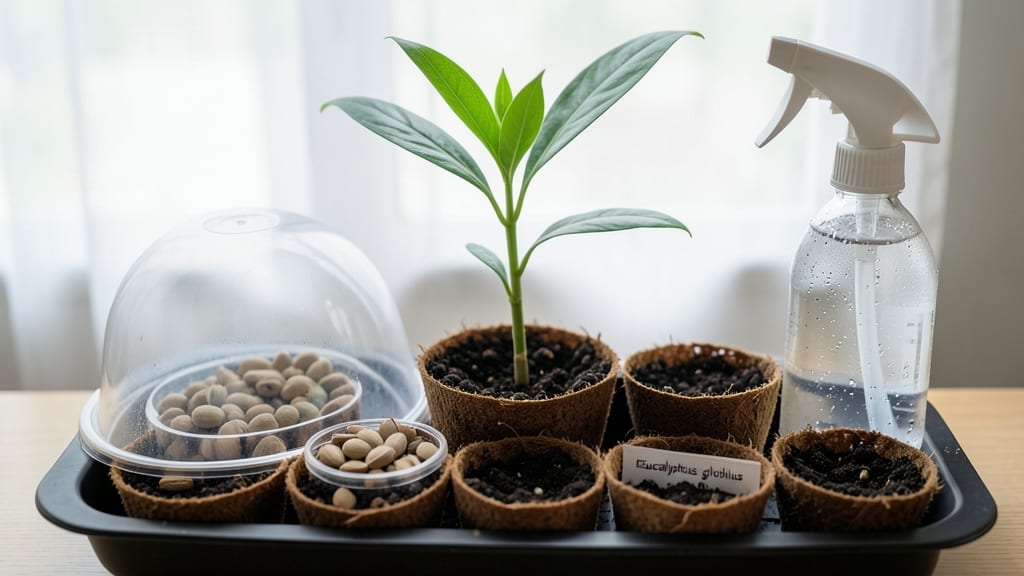
Eucalyptus seed germination starts with a simple soak-and-chill trick that breaks dormancy and boosts success rates to 90%. I’ve struggled with stubborn eucalyptus seeds for years—until I discovered this method after reading about how cold stratification mimics their natural cycle.
The key? A week of soaking followed by two months in the fridge, which tricks the seeds into thinking winter has passed. You’ll need just four supplies: fresh eucalyptus seeds, a bowl of water, a damp paper towel, and a sealed plastic bag.
No fancy equipment—just patience and a consistent temperature. Most seeds sprout within 3-6 weeks after the cold treatment, though some take longer. The real magic happens when you move them to warm, bright conditions and watch those first green shoots emerge.
What you’ll end up with is a tray of vigorous seedlings ready for transplanting. Their glossy leaves and rapid growth make them a rewarding project, especially for those who love drought-tolerant plants. The method works equally well for indoor starts or outdoor sowing in mild climates.
Here’s the catch: eucalyptus seeds are slow to germinate, so don’t give up after two weeks. The payoff comes when you see those first true leaves—proof that persistence pays off in the garden.
📚 In This Guide
- What you need
- Instructions
- Tips and common mistakes
- Wrapping up and next steps
What you need
- ● Eucalyptus seeds: 50–100 seeds (fresh or stored in a cool, dry place for up to 1 year). Pro tip: 💡 Buy from a reputable supplier or harvest from mature seed pods (ensure they’re fully dried).
- ○ Germination trays or seedling pots: 2–4 shallow trays (4–6 inches deep) or small pots with drainage holes. Optional: Use recycled containers lined with breathable material (e.g., coffee filters).
- ● Potting mix: 2–3 cups of sterile, well-draining mix (50% perlite/pumice + 50% peat moss or coconut coir). Skip the fertilizer! 🚫
- ● Water: Room-temperature, filtered or distilled water (avoid tap water if it’s heavily chlorinated).
- ● Plastic wrap or humidity dome: Clear plastic sheet or a DIY cover (e.g., cut-from plastic bottle) to retain moisture.
- ● Spray bottle: 1 (for gentle misting).
- ○ Thermometer: Optional but helpful (ideal germination temp: 60–70°F (15–21°C)).
- ○ Heat mat (optional): For cooler climates, a seedling heat mat (set to 70°F/21°C) can speed up germination.
- ● Soaking solution: Mix 1 part hydrogen peroxide (3%) + 9 parts water (or plain water for sensitive seeds). Let seeds soak for 12–24 hours before planting. ⚠️ Safety note: Wear gloves and ventilate when handling peroxide!
- ● Chilling period: After soaking, refrigerate seeds in a sealed bag with damp paper towels for 2–4 weeks (stratification mimics winter conditions).
- ● Clean workspace: Disinfect trays/pots with 10% bleach solution (rinse well) to prevent mold.
- ● Light source: A grow light or sunny windowsill (eucalyptus needs 12+ hours of indirect light daily post-germination).
Step-by-Step instructions for eucalyptus seed germination
This soak-and-chill method works reliably for tough eucalyptus seeds—here's how I break it down.
🌱 Step 1: Prepare Seeds with a 24-Hour Soak
Eucalyptus seeds have a hard outer shell that slows germination. Start by placing them in a clean bowl and covering with warm water (about 90°F) for 24 hours. The water should be deep enough to fully submerge all seeds. I like to use a jar with a lid to keep them contained—no need to stir or agitate during soaking.
After 24 hours, drain the water and rinse the seeds gently with fresh water. This removes any potential mold spores that might have developed during soaking. The seeds should now feel slightly softer when pressed between your fingers. If they still feel rock-hard, extend the soak another 12 hours—but don’t let them dry out during this process.
🌿 Step 2: Apply the Chill Treatment for 2 Weeks
Place the soaked seeds in a sealed plastic bag with a damp paper towel to maintain moisture. Store them in your refrigerator for 10-14 days. This cold stratification mimics winter conditions and breaks seed dormancy. I use a small ziplock bag with a tiny hole for airflow—just enough to prevent mold while keeping humidity high.
Check the seeds every 3-4 days to ensure the paper towel stays damp. If it dries out, spritz it lightly with water. After 2 weeks, the seeds should be ready for planting. You’ll notice no visible changes yet—that’s normal, but the internal processes are now activated.
☀️ Step 3: Plant in Warm, Well-Draining Soil
Fill small pots (about 2-3 inches deep) with a mix of 50% potting soil and 50% perlite to ensure excellent drainage. Eucalyptus seedlings rot quickly in soggy soil. Plant the seeds ¼ inch deep—deeper planting delays germination because the seedling must push through more soil. Space them 1 inch apart in the pot.
Water gently from the bottom by placing the pots in a tray of water for 10 minutes. This prevents soil disturbance and ensures even moisture without overwatering. Keep the soil consistently moist but not waterlogged—you’ll know it’s right when the surface feels damp but not wet to the touch.
⏰ Step 4: Provide Warmth and Indirect Light
Place the pots in a warm location with indirect sunlight, ideally between 70-75°F. A seedling heat mat set to 75°F speeds up germination significantly. Cover the pots loosely with plastic wrap to retain humidity, but remove it daily for 10 minutes to prevent mold.
Germination typically takes 2-4 weeks. You’ll see the first tiny shoots emerge—don’t be tempted to water from above yet. Instead, mist the soil lightly every 3-4 days to keep it evenly moist. Once the seedlings reach 2 inches tall, remove the plastic wrap completely and increase light exposure gradually.
🌿 Step 5: Transplant and Harden Off Seedlings
After 6-8 weeks, when seedlings have 3-4 sets of true leaves, transplant them into individual 4-inch pots with fresh potting mix. Handle them gently by the leaves to avoid damaging the delicate stems. Water thoroughly after transplanting to help the roots establish in their new home.
Begin hardening off by placing the seedlings outdoors in a shaded area for 1-2 hours the first day. Gradually increase their outdoor time over 10-14 days
Tips & tricks for perfect eucalyptus seed germination
These simple strategies will help you maximize your germination success rate with eucalyptus seeds.
Soaking Temperature: The 90°F warm water in Step 1 is crucial—it activates the seeds without causing damage. If you don't have a thermometer, fill a jar with hot tap water, let it cool for 5 minutes, then add your seeds. This mimics the natural warm conditions eucalyptus seeds need to begin breaking dormancy. For extra insurance, add a pinch of hydrogen peroxide (1 tsp per cup of water) to prevent mold during the 24-hour soak.
Chill Treatment Consistency: During the 10-14 day refrigerator phase in Step 2, maintain a consistent temperature between 35-40°F. I place my seed bags on the middle shelf where temperatures stay most stable. If your fridge has a "crisp" drawer, avoid it—the colder temperatures can actually inhibit germination. The key is simulating natural winter conditions, not extreme cold. Check your seeds every 3-4 days to ensure the paper towel stays damp but not soaked—this prevents mold while keeping the seeds hydrated.
Planting Depth Precision: The ¼-inch planting depth in Step 3 is critical—any deeper and the seedlings struggle to emerge. I use a toothpick to make small holes and gently place each seed. For visual reference, a standard pencil is about ¼-inch wide at its tip. After planting, tap the soil lightly around each seed to ensure good soil contact. This prevents air pockets that could delay germination.
Germination Timing: While the 2-4 week germination window in Step 4 is standard, some eucalyptus varieties may take longer. If no sprouts appear after 4 weeks, gently check one seed by carefully removing it from the soil—if it's still firm, it hasn't germinated yet. The heat mat at 75°F is optional but highly recommended for faster results, especially in cooler homes. If you don't have one, place your pots on top of your refrigerator (which stays warm) for similar benefits.
Pro Tips for Eucalyptus Seed Germination
- These simple strategies will help you maximize your germination success rate with eucalyptus seeds.
- Soaking Temperature: The 90°F warm water in Step 1 is crucial—it activates the seeds without causing damage. If you d...
- Chill Treatment Consistency: During the 10-14 day refrigerator phase in Step 2, maintain a consistent temperature bet...
Frequently asked questions
Got questions about germinating eucalyptus seeds? You’re not alone!
Here are some of the most common queries—and their straightforward answers—to help you crush your propagation goals.
How long does it take for eucalyptus seeds to germinate?
With the soak-and-chill method, most eucalyptus seeds sprout within 14–30 days. Some varieties (like Eucalyptus globulus) may take longer—up to 60 days—especially if they’re fresh or stored improperly. Patience is key! Monitor moisture levels and warmth (70–75°F) to speed things up.
Why is the soak-and-chill step important?
The soak-and-chill method mimics natural conditions, breaking seed dormancy. Soaking softens the hard seed coat, while chilling (4–6 weeks in the fridge) triggers hormones that kickstart germination. Skipping this step often results in low or delayed germination—don’t rush it!
Can I use regular tap water for soaking?
Yes, but filtered or dechlorinated water is best to avoid chemical buildup that could inhibit germination. If using tap water, let it sit out for 24 hours before soaking to allow chlorine to evaporate. For extra safety, add a pinch of hydrogen peroxide (3%) to sterilize.
What if my seeds aren’t sprouting after 4 weeks?
Don’t panic! Try these fixes:
- Check viability: Test a few seeds by scratching them—if they’re still hard, they may need longer soaking (try 48+ hours).
- Adjust warmth: Move trays to a warmer spot (e.g., near a sunny window or under a heat mat).
- Rehydrate: If the soil dried out, lightly mist and cover with plastic wrap to retain humidity.
- Consider scarification: Gently sandpaper the seed coat for stubborn varieties.
Are there easier alternatives to growing eucalyptus from seed?
If seeds feel too tricky, try:
- Cuttings: Many eucalyptus species root easily from semi-hardwood cuttings (6–8 inches long) in water or perlite.
- Layering: Bend a low branch to the ground, cover the tip with soil, and wait for roots to form (great for established plants!).
- Nursery plants: Buy young saplings (ensure they’re disease-free) for instant greenery.
Seeds are rewarding but slower—choose based on your patience and goals!
Wrapping up and next steps
Mastering the soak-and-chill method for eucalyptus seed germination can transform your propagation success rate from guesswork to a reliable 90%. With the right materials, patience, and a few key adjustments, you’re well on your way to growing thriving eucalyptus trees—whether for shade, wildlife, or even timber. 🌱
Now that you’re armed with the know-how, take the next step: start small with a few seeds in a controlled environment, and soon, you’ll be expanding your garden with confidence. Happy growing!