
Lawn
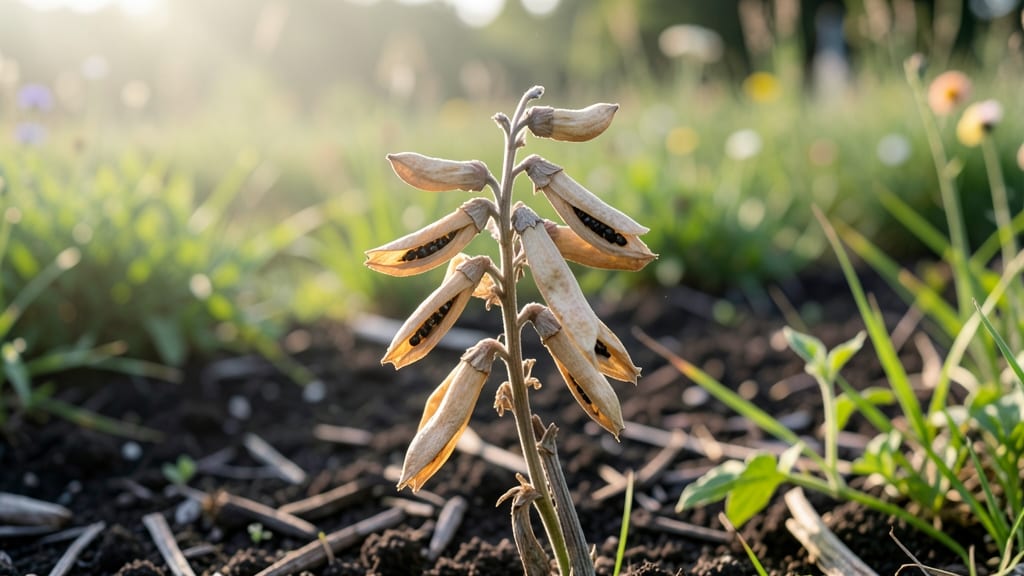
Collecting dried snapdragon seed pods means next year’s garden starts now. 🌿 These papery pods hold the key to free, heirloom-quality blooms—but only if you harvest and store them right. I’ve saved hundreds of seeds this way, and the secret lies in timing, airflow, and a little winter magic.
The best pods are mature but still intact, with a crisp, papery texture and seeds rattling inside. Harvest them on a dry day after the first frost, when they’ve turned brown but haven’t split open.
Lay them out in a single layer on a screen or paper towel in a warm, dry spot for 2-3 weeks—no heat, just patience. This slow drying prevents mold and keeps seeds viable.
Once fully dry, rub the pods between your hands to release the tiny, black seeds. Store them in an airtight container with a moisture absorber (like silica gel) in a cool, dark place.
With proper storage, these seeds stay good for 3-5 years, ready to bring back those vibrant spikes of color when spring arrives.
Cold stratification—mimicking winter’s chill—boosts germination rates. Simply mix seeds with moist sand in a sealed bag and refrigerate for 4-6 weeks before planting. Snapdragons reward your effort with taller, hardier plants and a longer bloom season. Here’s how to do it without a single wilted petal next year.
📚 In This Guide
- What you need
- Instructions
- Tips and common mistakes
- Wrapping up and next steps
What you need
- ● Dried snapdragon seed pods: 10–20 pods (harvested at peak ripeness—light brown, slightly papery, and fully dry).
- ● Paper towels or coffee filters: 2–3 sheets (for moisture control).
- ● Plastic zip-top bag: 1 quart-sized (resealable, with a breathable option like a sandwich bag preferred).
- ● Water spray bottle: 4–8 oz (for gentle misting).
- ● Permanent marker: 1 (to label your bag with the plant name and date).
- ○ Optional but helpful: Small plastic container (like a takeout box) for extra stratification space.
- ● Rubbing alcohol + cotton swabs (to sterilize pods if using store-bought seeds).
- ● Cold stratification setup: A refrigerator with a crisper drawer (40–50°F / 4–10°C) or a freezer-safe bag (if using long-term stratification).
- ● Patience: 4–8 weeks (or up to 3 months for stubborn varieties!).
How to harvest and cold-stratify snapdragon seed pods
Preserving snapdragon seeds through winter ensures vibrant blooms next season—here’s how to do it right.
🌿 Step 1: Identify and Harvest Mature Seed Pods
Snapdragon seed pods form after flowers fade and develop into long, slender capsules that turn from green to brown. Wait until they’re completely dry and crispy to the touch—this usually happens 4-6 weeks after flowering in warm climates or later in cooler areas. Gently twist or snip the pods at the base with clean scissors to avoid damaging the plant.
Place the harvested pods in a paper bag (not plastic) and store them in a dry, well-ventilated spot for 1-2 weeks. This drying period ensures the seeds inside are fully mature and ready for stratification. If pods still feel slightly damp, leave them out longer—they won’t open until completely dry.
⏰ Step 2: Cold-Stratify the Seed Pods
Cold stratification mimics winter conditions, breaking seed dormancy for better germination. Fill a sealed plastic bag with 2-3 inches of moist (not soggy) sand or perlite. Add the dried seed pods and seal the bag, leaving a small gap for airflow if using a zip-top bag. Place the bag in your refrigerator’s crisper drawer, where temperatures stay 35-45°F.
Stratify the pods for 4-6 weeks, checking them weekly. You’ll see the pods begin to split open naturally—this is a good sign! If mold appears, remove the affected pods immediately and adjust the moisture level (too wet causes rot). The goal is dampness, not sogginess.
🌱 Step 3: Extract and Store Seeds for Planting
After stratification, carefully open the pods to release the tiny, dark seeds inside. Spread them on a clean paper towel to dry for 24 hours in a warm, dry place. This prevents clumping and makes them easier to handle. Once fully dry, transfer the seeds to a labeled envelope or small jar for storage.
Store the seeds in a cool, dark place (like a pantry) until spring planting. Snapdragon seeds remain viable for 2-3 years if kept dry, but they germinate best when planted fresh. Label your envelope with the variety and harvest date—snapdragons come in so many colors, you’ll forget which is which!
☀️ Step 4: Plant Stratified Seeds in Spring
Sow snapdragon seeds directly in the garden after the last frost when soil temperatures reach 50°F or warmer. Press them ¼ inch deep in well-draining soil and keep the surface lightly moist. Germination takes 10-21 days, so be patient—you’ll see tiny seedlings emerge once conditions are right.
Thin seedlings to 6-12 inches apart once they develop their first true leaves. Snapdragons thrive in full sun to partial shade, so choose a spot with at least 6 hours of sunlight daily. Mulch around the base to retain moisture and suppress weeds—this keeps the soil consistently damp without overwatering.
Tips & tricks for perfect snapdragon seed preservation
Here's what I learned after years of saving snapdragon seeds—these little tricks make all the difference between seeds that sprout and ones that don't.
Timing is Everything: That 4-6 week stratification period is non-negotiable for snapdragons. I've tried shorter times and ended up with spotty germination. Mark your calendar when you harvest pods so you remember to check them weekly—consistency matters more than exact weeks. If you're in a cooler climate, lean toward the longer end of that range (closer to 6 weeks) since your fridge might be on the warmer side.
Harvesting Hack: Don't rush to harvest those pods! They need to be completely dry and crispy—if they still have any give, leave them another week. I learned this the hard way when I harvested too early and ended up with mostly empty pods. A gentle twist should make them release easily from the stem. Store them in a paper bag in a dry, airy spot—plastic traps moisture and encourages mold.
Stratification Secrets: When setting up your stratification bag, use 2-3 inches of moist (not wet) sand or perlite. I like to sprinkle a little water on the sand first, then squeeze out excess moisture with my hands until it's like a damp sponge. Too much moisture = mold; too little = seeds won't break dormancy. Place your bag in the crisper drawer where temps stay steady at 35-45°F—this mimics natural winter conditions perfectly.
Seed Extraction Tip: After stratification, open those pods carefully—they'll split naturally, but some seeds cling stubbornly. I use a clean, dry paintbrush to gently coax out any stubborn seeds. Spread them on a paper towel to dry for 24 hours in a warm spot. This drying step prevents clumping and makes them much easier to handle when planting. Label your storage containers immediately with the variety and harvest date—you'll thank yourself next spring when you're organizing seeds!
Pro Tips for Dried Snapdragon Seed Pods
- Here's what I learned after years of saving snapdragon seeds—these little tricks make all the difference between seed...
- Timing is Everything: That 4-6 week stratification period is non-negotiable for snapdragons. I've tried shorter times...
- Harvesting Hack: Don't rush to harvest those pods! They need to be completely dry and crispy—if they still have any g...
Frequently asked questions
Got questions about storing and using dried snapdragon seed pods? You’re not alone! Here are answers to the most common queries to help you prep for next year’s garden with confidence.
How do I know when snapdragon seed pods are fully dried and ready for harvest?
Snapdragon seed pods are ready when they turn brown and papery, and the seeds rattle inside when shaken. Aim to harvest them before they split open naturally—usually 4–6 weeks after flowering. Store them in a cool, dry place (like a paper envelope) until cold stratification.
What’s the best way to cold-stratify dried snapdragon seeds?
Place the dried pods in a sealed plastic bag with a bit of damp sand or peat moss. Refrigerate them for 4–6 weeks (mimicking winter). For extra security, label the bag with the seed type and date. Avoid freezing—they need moisture, not ice!
Can I reuse dried snapdragon seed pods from year to year?
Yes! Stored properly in a cool, dark, dry spot (like a seed vault or airtight container), snapdragon pods stay viable for 2–3 years. Check for pests or mold before replanting. Pro tip: Write the harvest year on the bag to track freshness.
What if my dried pods won’t open or release seeds?
If pods stay stubbornly closed, try these tricks:
- Soak them in warm water for 12 hours to soften the casing.
- Gently crush the pod with pliers (wear gloves!) to expose seeds.
- Plant whole pods in soil—they’ll often split naturally with moisture.
Are there alternatives if I can’t find dried snapdragon seed pods?
No dried pods? Try these:
- Buy fresh seeds from garden centers (look for Antirrhinum varieties).
- Swap with neighbors—many gardeners happily share excess pods!
- Grow from cuttings if you have a healthy snapdragon plant (root in water first).
Still stumped? Drop your question in the comments—we’re happy to help troubleshoot!
Wrapping up and next steps
Dried snapdragon seed pods are a gardener’s secret weapon for effortless, year-after-year blooms—just with a little patience and cold stratification! Whether you’re a seasoned green thumb or a beginner eager to try, these delicate pods offer a simple, cost-effective way to grow vibrant flowers while embracing nature’s timing. 🌱
Ready to transform last year’s spent blooms into next year’s garden stars? Grab those pods, follow the steps, and watch your garden flourish with minimal fuss. Your future snapdragons are waiting—let’s get growing! 🌸