
Lawn
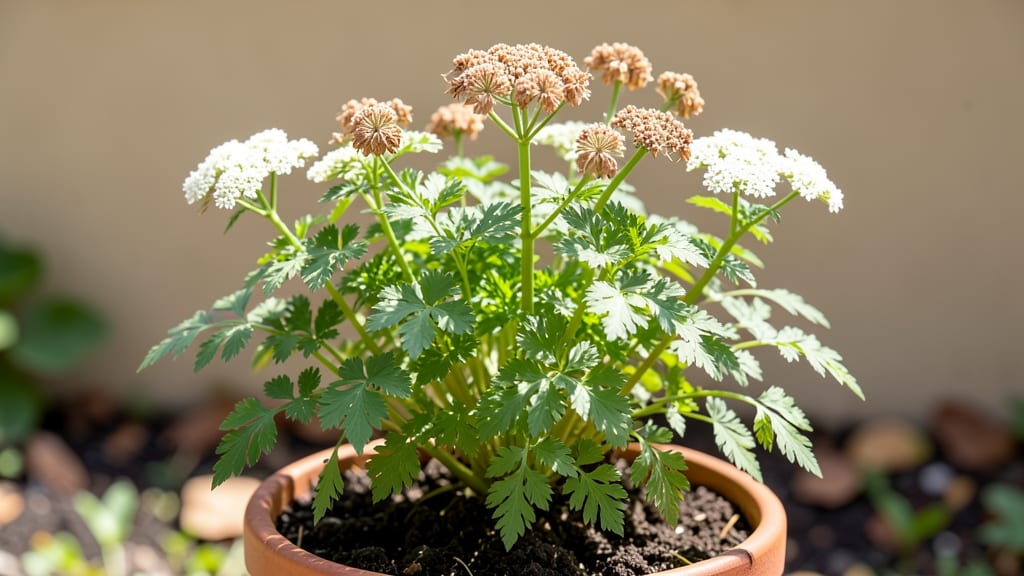
Growing coriander from seed to harvest means finally solving the cilantro mystery—no more bolted plants or bitter leaves ruining your salsa. 🌱 I've wrestled with this herb for years, and the secret lies in timing, soil, and a little patience that pays off with fresh, fragrant leaves and aromatic seeds.
Start with loose, well-draining soil rich in organic matter—think compost mixed into your garden bed or container mix. Coriander seeds need consistent moisture to germinate, so keep the soil damp (not soggy) and plant them just ¼ inch deep.
A sunny spot with 6+ hours of light daily is non-negotiable, but too much heat will trigger that dreaded bolting.
By week 3, you'll be harvesting tender leaves for cooking, and if you let some plants flower, you'll collect seeds by late summer. The key is thinning seedlings early and harvesting leaves before the plant decides to bolt. Trust me, the flavor difference is night-and-day compared to store-bought.
This method works for both garden beds and containers, and even bolting can be managed with shade cloth. Let's grow coriander that actually stays cilantro until you're ready for it.
📚 In This Guide
- What you need
- Instructions
- Tips and common mistakes
- Wrapping up and next steps
What you need
- ● Coriander seeds (or cilantro seeds) – 1–2 oz (about 30–60 seeds per plant; buy organic for best results).
- ● Growing containers or garden bed – 6–12" deep (cilantro prefers shallow roots). For containers, 4–6" pots work well.
- ● Potting mix or well-draining soil – Use a seed-starting mix or blend garden soil with compost (1:1 ratio).
- ● Watering can or spray bottle – For gentle, even moisture (avoid soggy soil!).
- ● Sunlight access – Full sun (6+ hours/day) or partial shade (4–6 hours).
- ● Gloves – To protect hands from prickly stems (especially when harvesting).
- ● Pruning shears or scissors – For harvesting leaves or cutting back plants.
- ○ Fertilizer (low-nitrogen) – Optional: Use a balanced organic fertilizer (10-10-10) every 3–4 weeks.
- ● Shade cloth – If your climate gets too hot (cilantro bolts in heat!).
- ● Plant labels – To track varieties (e.g., ‘Slow Bolt’ cilantro vs. coriander seeds).
- ● 🌡️ Temperature matters: Ideal germination temp is 60–75°F (15–24°C). Avoid planting when soil is <70°F (21°C) or above.
- ● ✨ Seed swap: Save seeds from your best cilantro plants for next season (they’re the same as coriander seeds!).
Step-by-Step instructions for growing coriander and cilantro without bolt struggles
Here's how I grow both coriander seeds and cilantro successfully in the same season—no bitter surprises.
🌱 Step 1: Start Seeds Indoors for a Head Start
Coriander and cilantro thrive when started indoors 6-8 weeks before your last frost date. Fill 2-inch deep seed trays with sterile seed-starting mix—this prevents damping-off and gives seedlings a strong start. I like to use biodegradable peat pots because they eliminate transplant shock later.
Sow seeds ¼ inch deep in rows spaced 1 inch apart. The seeds are tiny, so I use a toothpick to create small holes and drop just 1-2 seeds per spot. Cover lightly with mix and mist gently until the surface looks evenly damp. Place trays in a warm spot (70-75°F)—a seedling heat mat speeds germination to 7-10 days.
☀️ Step 2: Provide Consistent Light and Prevent Leggy Growth
The instant seedlings emerge, move them under grow lights for 14-16 hours daily. A south-facing window won’t cut it—you’ll see thin, pale stems and leggy seedlings if light is insufficient. Keep lights 2-3 inches above plants and raise them as seedlings grow.
When the first true leaves appear (not the initial seed leaves), thin to 1 strong seedling per pot. Use small scissors to snip weak ones at soil level—don’t pull, or you’ll disturb roots. Water from the bottom now to encourage deep root growth and prevent fungal issues.
🪴 Step 3: Harden Off and Transplant at the Right Time
Two weeks before your last frost, begin hardening off seedlings. Place them outside in partial shade for 1 hour the first day, then gradually increase time by 1 hour daily. By day 7, they should tolerate full sun for 4-6 hours. This prevents shock when you transplant.
Choose a cool, overcast day for transplanting. Space plants 8-12 inches apart in well-draining soil—coriander and cilantro hate soggy roots. Water deeply at transplanting to settle soil around roots. Mulch with 1 inch of straw to retain moisture and suppress weeds.
💧 Step 4: Manage Water and Soil for Flavorful Leaves
Keep soil consistently moist but not soggy—let the top ½ inch dry between waterings. Overwatering causes bolting (premature flowering), which turns cilantro bitter. I water in the early morning so leaves dry quickly, reducing fungal risks.
Fertilize lightly with balanced organic fertilizer (10-10-10) every 4 weeks. Too much nitrogen makes leaves soft and flavorless. If you notice yellowing leaves, flush the soil with water to prevent salt buildup from fertilizers.
✂️ Step 5: Harvest Cilantro Leaves and Save Coriander Seeds
Harvest cilantro leaves before flowering by snipping stems 2 inches above the base. This encourages bushier growth and prevents bitterness. Use clean scissors and harvest in the morning when oils are most concentrated. Regular harvesting extends the season by 2-3 weeks before bolting.
For coriander seeds, let some plants flower—they develop delicate white umbels that turn into seeds. When 70% of umbels turn brown, cut the entire plant and hang it upside down in a paper bag for 2 weeks to dry. Shake seeds free and store in an airtight container for up to 1 year.
Tips & tricks for growing fresh coriander and cilantro without the bitter surprise
These simple strategies will help you grow both coriander seeds and cilantro in the same season—no more bitter surprises or wasted effort.
Seedling Heat Mat Secret: That 70-75°F warm spot in Step 1 is non-negotiable for speedy germination. I learned this the hard way—seeds left at room temperature took twice as long to sprout. A seedling heat mat keeps them consistently warm without extra effort, and you'll see those first green shoots in just 7-10 days instead of waiting weeks.
Lighting Hack for Leggy Seedlings: When you move seedlings under grow lights for 14-16 hours daily in Step 2, keep them close—just 2-3 inches away—for the first week. This prevents those sad, stretched stems. As they grow, raise the lights gradually to avoid burning the leaves. I use a simple LED grow light on a timer for foolproof results.
Transplant Timing Tip: The 1-hour daily increase during hardening off in Step 3 is your friend, but don't rush it. If your seedlings aren't ready after 7 days, extend the process. Look for sturdy stems and deep green leaves before transplanting—they'll bounce back from cooler temps much better than fragile ones.
Watering Wisdom: In Step 4, that ½ inch dry rule is about soil depth, not surface moisture. Stick your finger in the soil—if it feels dry at that depth, it's time to water. I've found that cilantro hates wet feet, so I water deeply but infrequently, always in the morning. This keeps the roots happy and prevents that dreaded bolting.
Pro Tips for Coriander Seed Cilantro
- These simple strategies will help you grow both coriander seeds and cilantro in the same season—no more bitter surprises or wasted effort.
- Seedling Heat Mat Secret: That 70-75°F warm spot in Step 1 is non-negotiable for speedy germination.
- Lighting Hack for Leggy Seedlings: When you move seedlings under grow lights for 14-16 hours daily in Step 2, keep them close—just 2-3 inches away—for the first week.
Frequently asked questions
Got questions about growing coriander seed and cilantro?
You’re not alone! Here are some of the most common queries—plus quick, practical answers to keep your garden thriving.
Why does my cilantro bolt so fast?
Cilantro is a cool-weather plant that bolts (goes to seed) when temperatures rise above 75°F (24°C). To delay bolting, plant in early spring or fall, provide afternoon shade, and keep soil consistently moist. If it bolts, harvest the seeds—they’re still delicious!
Are coriander seeds and cilantro the same thing?
Yes! They’re two parts of the same plant: cilantro refers to the fresh leaves, while coriander seeds are the dried seeds from the same plant. Both add bold flavors to dishes—just use them differently (leaves for garnishes, seeds for spice blends).
Can I grow coriander indoors?
Use a sunny windowsill or a grow light for 6–8 hours daily. A 6–12-inch pot with well-draining soil works well. Just keep the soil moist and watch for pests like aphids. Indoor cilantro may still bolt faster due to warmth, so harvest leaves young.
What’s the best way to store cilantro or coriander seeds?
For fresh cilantro: Wrap stems in a damp paper towel, place in a bag, and store in the fridge for up to a week. For coriander seeds, keep them in an airtight container away from light and heat—they’ll stay fresh for 6–12 months.
What can I do if my cilantro tastes soapy?
Soapy cilantro is usually a sign of genetic variation—some people can’t taste it, while others experience a bitter, soapy flavor. If you dislike it, try ‘Calypso’ or ‘Santo’ varieties, which are less likely to trigger the issue. Alternatively, use the leaves in cooked dishes where the flavor blends in!
Wrapping up and next steps
From seed to harvest, growing coriander seed and cilantro is a rewarding journey that brings fresh flavors and vibrant greens to your table! 🌱 Whether you're a beginner or a seasoned gardener, the key is patience and consistency—don’t let those pesky bolting issues discourage you.
With the right techniques, you’ll enjoy a bountiful harvest all season long.
Ready to take the next step? Start small—plant a few seeds in pots or a dedicated garden bed—and experiment with varieties to find your favorite. Soon, you’ll be savoring homegrown cilantro in your dishes and sharing seeds with fellow gardening enthusiasts! 🌿