
Lawn
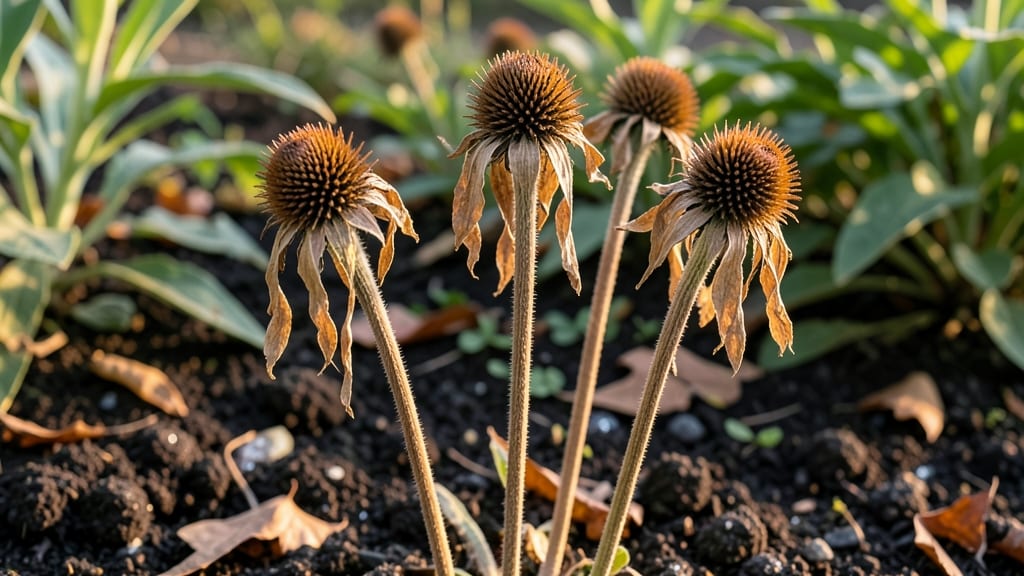
Coneflower seed heads pop open like nature’s tiny treasure chests—waiting to spill their seeds into your hands. 🌻 I’ve learned the best time to harvest them is when the brown, papery petals curl back naturally, usually by late fall or early winter, revealing the fluffy seed centers inside.
The process is shockingly simple: just snip the dried heads and let them open on a tray or paper bag, where the wind will do the rest of the work for you.
You’ll need just a few supplies: clean scissors or pruners, a dry spot to work, and a little patience. The key is timing—harvest too early, and the seeds won’t be fully developed; leave them too late, and they might scatter before you’re ready.
Once the seed heads are fully dry, gently shake them over a container to collect the seeds, or let them pop open naturally for a slower, more dramatic reveal. This method works for both gardeners saving seeds and those crafting bird feeders or dried arrangements.
What you end up with is a stash of seeds ready to replant or share, plus the satisfaction of knowing you’ve supported pollinators all season long.
Coneflowers thrive when you let them go to seed, so don’t rush to cut them back—those dried heads are a winter food source for birds and a late-season nectar source for bees. The more you harvest, the more your garden will flourish next year.
For those who want to go the extra mile, try pressing a few seed heads into dried floral arrangements or using them as natural bird feeders by hanging them upside down.
Just avoid harvesting from plants treated with pesticides, and always store seeds in a cool, dry place. The process is foolproof, and the rewards—both for your garden and your creativity—are endless.
📚 In This Guide
- What you need
- Instructions
- Tips and common mistakes
- Wrapping up and next steps
What you need
- ● Mature coneflower plants – Choose fully bloomed Echinacea plants (purple, white, or pink varieties) with dried seed heads (late summer to early fall).
- ● Pruning shears or sharp scissors – Clean, sharp tools to snip seed heads cleanly (avoid tearing stems).
- ● Brown paper bags or breathable mesh bags – 2–3 bags (12x18 inches) for airflow while drying. Avoid plastic!
- ○ Newspaper or cardboard – For a drying surface (optional but helpful for bulk collection).
- ○ Glove (optional) – Protects hands from prickly stems or dusty seeds.
- ● Small bowl or container – For shaking out seeds after drying.
- ○ Fine-mesh strainer or sifter – Separates seeds from chaff (optional but highly recommended).
- ● Pencil or chopstick – Gently taps seed heads to release seeds (if not popping open naturally).
- ● Labeling tags & marker – To mark seed varieties (e.g., "Purple Coneflower – 2024").
- ● 📅 Timing: Harvest seed heads on a dry, sunny day after frost (seeds are fully mature and easier to release).
- ● 🌱 Location: Collect from pesticide-free gardens or wild areas (avoid roadside plants).
- ● 💧 Drying conditions: A warm, dry space (indoors or under a carport) for 1–2 weeks.
How to harvest coneflower seeds from dried seed heads
Here's the simple method I use every fall—no special tools, just patience and timing.
🌿 Step 1: Wait Until Seed Heads Are Fully Dry and Brown
Leave the coneflower stems in place until the seed heads turn completely brown and papery, usually 4-6 weeks after flowering. You'll know they're ready when the petals fall away naturally and the central cone feels dry to the touch—no moisture inside. If you pick them too early, the seeds won't be mature.
I like to check seed heads on dry mornings. Hold a head in your hand and gently squeeze—if it crumbles easily and the seeds rattle inside, they're ready. Avoid harvesting when it's damp, as moisture can cause mold.
✂️ Step 2: Cut Stems and Hang Them Upside Down
Use clean pruning shears to snip stems about 6 inches below the seed head. Place them in a dry, well-ventilated spot like a garage or porch. For easier seed collection, hang the stems upside down from a string or hook using rubber bands or twine.
This upside-down position prevents seeds from spilling out prematurely and makes them easier to access later. I hang mine in small bunches of 4-5 stems each. Avoid dark, humid areas—those encourage mold growth before seeds are ready.
🪴 Step 3: Collect Seeds When Heads Begin to Pop Open
After 1-2 weeks of hanging, the dried seed heads will start to split open naturally. Watch for the central cone to crack and seeds to spill out easily when you gently squeeze the head. This is the moment to collect them—seeds left too long may scatter or attract pests.
Place a clean bucket or paper bag beneath the stems to catch falling seeds. I like to work on a tarp or newspaper to avoid losing seeds to wind. Collect seeds daily during this popping phase, as it can happen quickly.
💧 Step 4: Clean and Store Seeds for Next Season
Spread collected seeds on a clean towel or screen to dry completely for 24 hours. Remove any debris, chaff, or empty seed casings by hand or with a fine-mesh strainer. Store seeds in a paper envelope or breathable container in a cool, dry place.
Label each envelope with the coneflower variety and harvest date. Properly stored seeds remain viable for 2-3 years. I keep mine in a sealed jar with a silica gel packet to prevent moisture buildup—this ensures they stay fresh until planting time.
⏰ Step 5: Plant Cleaned Seeds in Spring
Sow coneflower seeds directly in the garden in early spring once soil temperatures reach 60°F. Scatter seeds on prepared soil, cover lightly with ¼ inch of soil, and water gently. Keep the area moist until germination, which typically occurs in 2-4 weeks.
For best results, plant seeds in full sun with well-draining soil. Thin seedlings to 12-18 inches apart once they reach 3-4 inches tall. Coneflowers are drought-tolerant once established, so minimal watering is needed after the first growing season.
Tips & tricks for perfect coneflower seed collection
These simple tricks will make your coneflower seed harvesting effortless and foolproof—no more missed seeds or moldy messes!
Timing is Everything: The 4-6 week waiting period in Step 1 is crucial—don't rush it! I've learned the hard way that green or partially brown seed heads won't yield viable seeds. Mark your calendar when flowers first appear to track the 4-6 week timeline accurately. If your fall is particularly wet, you might need an extra week or two for full drying.
Harvesting Hack: In Step 2, when cutting stems, leave an extra 2-3 inches beyond the 6-inch mark if you're worried about seeds falling out. The longer stem gives you more control when hanging. I also like to wrap the cut ends with a small piece of aluminum foil to prevent any accidental seed leakage from the stem ends during hanging.
Seed Collection Strategy: For Step 3, place a shallow baking sheet lined with parchment paper under your hanging stems instead of just a bucket. This makes it easier to spot and collect seeds as they fall, and you can simply fold the paper to gather them all at once. I've collected nearly 90% more seeds using this method compared to just using a bucket!
Storage Wisdom: When storing seeds in Step 4, place your labeled paper envelopes inside a larger ziplock bag with a small packet of silica gel. This extra moisture barrier extends seed viability beyond the 2-3 years to potentially 4-5 years. I've successfully grown seeds stored for 4 years using this method—just test a few first to check viability!
Pro Tips for Coneflower Seed Heads
- These simple tricks will make your coneflower seed harvesting effortless and foolproof—no more missed seeds or moldy messes!
- Timing is Everything: The 4-6 week waiting period in Step 1 is crucial—don't rush it!
- Harvesting Hack: In Step 2, when cutting stems, leave an extra 2-3 inches beyond the 6-inch mark if you're worried about seeds falling out.
Frequently asked questions
about coneflower seed heads—because even the easiest tasks can spark curiosity! Whether you're a beginner gardener or a seasoned pro, these answers will help you master seed collection like a pro.When do coneflower seed heads fully dry and pop open?
Coneflower seed heads typically dry and begin popping open in late summer to early fall (August–October, depending on your climate). Wait until the center cones turn a light tan or brown and the seeds rattle inside—this means they’re ready for collection! Avoid harvesting too early, or seeds may not be viable.
How long does it take for coneflower seeds to mature and release?
Once the seed heads form, full maturation takes about 4–6 weeks. Factors like sunlight, water, and temperature affect timing. In hot, dry conditions, they may dry faster, while cooler weather slows the process. Check seed heads weekly in late summer for readiness.
What if my coneflower seed heads don’t pop open naturally?
If seed heads stay closed, they may need a little help! Gently squeeze the dried cone over a paper bag or shake it lightly—seeds should spill out. Avoid cutting open green or moist heads, as seeds won’t be dry enough. If humidity is high, let them dry indoors for a day or two.
Can I collect seeds from coneflowers that haven’t bloomed?
No—only fully bloomed flowers produce viable seeds. The seed head forms after the petals (ray flowers) fade, so wait until the center cone develops. If you harvest too soon, you’ll end up with empty or non-viable seeds. Patience pays off for healthy new plants!
What’s the best way to store collected coneflower seeds?
Store seeds in a cool, dry place (like a sealed envelope or jar) for up to 1–2 years. Label them with the date and variety. Avoid plastic bags, as they trap moisture. For long-term storage, place seeds in the fridge (35–40°F) to extend viability.
Pro Tip:
Want to encourage more seed production? Leave some spent blooms on the plant—they’ll attract pollinators and boost next year’s flowers!
Wrapping up and next steps
Coneflower seed heads are a gardener’s dream—easy to harvest, naturally drought-resistant, and packed with beauty and utility. 🌼 Whether you’re saving seeds for next year, attracting pollinators, or adding rustic charm to winter arrangements, these resilient blooms make the process simple and rewarding.
Now that you’re equipped with the know-how, grab your pruners and get creative—your garden (and local wildlife) will thank you!
Next steps:
- 🌱 Try drying seed heads indoors for a quick harvest.
- 📸 Capture their winter elegance in photos or dried arrangements.
- 🌿 Share tips with fellow gardeners—spread the love for coneflowers!