
Lawn
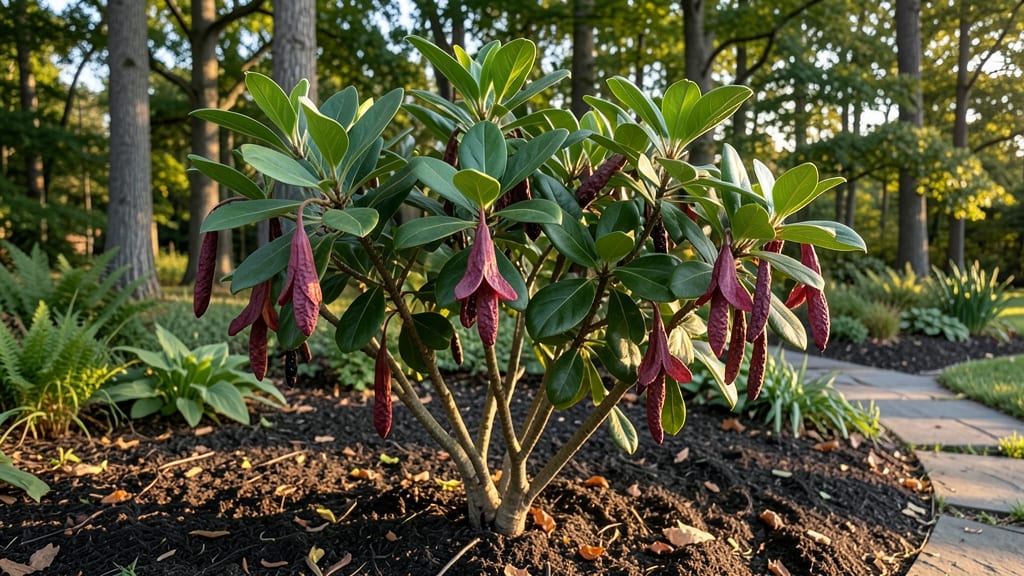
Cold-stressed Carolina allspice seed pods hold the key to next year’s fragrant blooms. 🌿 I’ve learned that harvesting these pods at the right time—when they turn from green to brown—is the secret to breaking dormancy and getting strong seedlings.
The process feels like unlocking a hidden garden treasure, where patience pays off with lush, evergreen shrubs that thrive in shade. You’ll need just a few things: sharp pruners for clean cuts, paper bags for drying pods, and a warm spot to store them until spring.
The real magic happens when you mimic winter’s chill by refrigerating the seeds for 6-8 weeks before planting. This cold treatment tricks the seeds into thinking they’ve survived a natural winter, waking them up for germination.
By next spring, you’ll watch tiny leaves unfurl in pots, ready to transplant into your garden. The plants grow slowly but steadily, rewarding you with leathery, dark-green foliage and clusters of spicy-sweet flowers that attract pollinators. The scent alone makes it worth the wait.
Works beautifully in shady gardens, woodland edges, or even containers. Here’s how to turn those pods into next year’s standout shrubs—without any fancy equipment.
📚 In This Guide
- What you need
- Instructions
- Tips and common mistakes
- Wrapping up and next steps
What you need
- ● Carolina allspice seed pods: 10–20 mature, healthy pods (harvested in late fall or early winter when fully brown and dry).
- ● Pruning shears or sharp scissors: For cleanly cutting pods from branches (sterilize with rubbing alcohol if reusing).
- ● Paper bags or breathable mesh bags: 2–3 medium-sized bags (for drying and storing pods).
- ● Newspaper or paper towels: 1–2 sheets (for drying pods indoors).
- ● Small plastic or glass containers: 1–2 airtight containers (for long-term seed storage, ~4 oz capacity).
- ● Permanent marker: For labeling containers with the harvest date.
- ○ Gloves (optional but recommended): To protect hands from prickly pods or sap.
- ● Seed stratification setup: A refrigerator or cold frame (if cold-stratifying seeds for faster germination).
- ● Humidity tray or dehydrator: To speed up drying if your climate is damp.
- ● Planting trays or pots: Small containers (3–4 inches deep) for starting seeds indoors.
- ● Potting soil: Well-draining, sterile mix (for indoor seed starting).
- ○ Heat mat (optional): To encourage faster germination in early spring.
How to collect and store Carolina allspice seed pods for spring planting
Here’s how I harvest and preserve these fragrant pods so they’re ready to grow into next year’s fragrant shrubs.
🌿 Step 1: Identify and Harvest Ripe Seed Pods
Carolina allspice pods turn from green to a deep reddish-brown when fully ripe—this usually happens in late fall after the flowers fade. Gently twist the pods from the stems to avoid damaging the plant. I harvest on a dry morning so the pods aren’t damp, which helps them dry faster and prevents mold.
Don’t rush this step. Green pods won’t open properly, and you’ll end up with poor germination. If you miss the window, you can leave pods on the plant until they naturally drop, but they’ll need extra drying time. Collect only the fully mature pods—they should feel firm and slightly papery to the touch.
🪴 Step 2: Dry the Pods Properly for Storage
Spread the harvested pods in a single layer on a mesh screen or paper towel in a warm, dry, and well-ventilated area. Avoid direct sunlight—it can dry them too quickly and crack the pods. A shaded porch or a spot near a fan works perfectly. Turn the pods every few days to ensure even drying.
Drying takes about 2-3 weeks if your space stays between 65-75°F and has good airflow. You’ll know they’re ready when the pods feel light, brittle, and easily open with a gentle squeeze. Store them in a paper envelope or small cloth bag in a cool, dark place—like a pantry or seed drawer.
⏰ Step 3: Cold-Stratify Pods for Spring Germination
Carolina allspice benefits from a cold stratification period to break dormancy. Place the dried pods in a sealed plastic bag with a bit of damp sand or peat moss (just enough to lightly moisten, not soak). Store the bag in your refrigerator for 8-12 weeks, checking occasionally to ensure the mix stays slightly damp.
This mimics winter conditions and signals the seeds to germinate when spring arrives. After stratification, remove the pods and let them dry out again for a day before sowing. If you forget to stratify, don’t worry—some pods may still germinate, but cold treatment improves success rates significantly.
🌱 Step 4: Sow Stratified Pods in Early Spring
Plant the seeds in well-draining potting mix in small pots or directly in the garden after the last frost date. Press the pods ¼ inch deep into the soil—deeper planting can delay germination. Keep the soil consistently moist but not soggy, as allspice seeds dislike sitting in water.
Germination can take 4-8 weeks, so be patient. Place the pots in a warm spot with indirect light until sprouts appear. Once seedlings reach 2-3 inches tall, transplant them outdoors in partial shade, as young plants prefer protection from harsh sun. Mulch around the base to retain moisture and regulate soil temperature.
Tips & tricks for perfect Carolina allspice seed pods
These simple but game-changing strategies will help you maximize your harvest and ensure strong germination next spring.
Harvest Timing: I can't stress this enough—wait until the pods turn that deep reddish-brown color before harvesting. If you pick them too early, they won't open properly when you try to extract the seeds. Here's what I do: I check pods every few days in late fall, giving them a gentle twist. If they come off easily with a slight pop, they're ready. The dry morning harvest is key too—wet pods take forever to dry and can mold. Trust me, that patience pays off with better germination.
Drying Environment: The 2-3 week drying period at 65-75°F is crucial, but where you dry them matters just as much. I've learned the hard way that direct sunlight cracks the pods—it's like they get sunburned! Instead, I use a shaded porch with a gentle fan circulating air. The fan helps prevent mold while keeping the pods from drying too quickly. Pro tip: Place a small piece of cardboard under your drying tray to catch any seeds that might fall out prematurely.
Stratification Check: When you're ready to cold-stratify those dried pods, don't just toss them in the fridge. The damp sand or peat moss needs to stay consistently moist but not soggy—think of it like wringing out a damp sponge. I check my stratification bags every 2-3 weeks and add a tiny bit of water if needed. This mimics natural winter conditions perfectly. And here's something nobody tells you: if you see condensation inside the bag, that's actually a good sign—it means the moisture level is just right for breaking dormancy.
Sowing Depth: That ¼-inch planting depth is non-negotiable for good reason. I've seen beginners bury these pods too deep, and it can take months for them to germinate—or they might never sprout at all. Use a toothpick to make a small hole, then place the pod gently inside. Press lightly so it makes good contact with the soil. For extra security, I like to place a small rock on top of the pot to prevent any accidental shifting during watering.
Pro Tips for Carolina Allspice Seed Pods
- These simple but game-changing strategies will help you maximize your harvest and ensure strong germination next spring.
- Harvest Timing: I can't stress this enough—wait until the pods turn that deep reddish-brown color before harvesting. ...
- Drying Environment: The 2-3 week drying period at 65-75°F is crucial, but where you dry them matters just as much. I'...
Frequently asked questions
about Carolina allspice (Calycanthus floridus) seed pods—and how to maximize next year’s harvest—are common among gardeners. Here are answers to the most pressing questions to help you troubleshoot and plan ahead!When do Carolina allspice seed pods ripen, and how do I know they’re ready?
Seed pods typically ripen 8–12 weeks after flowering (late summer to early fall). Look for pods that turn from green to brown or papery**—they’ll also feel dry and crunchy when gently squeezed. Avoid harvesting if pods are still green or moist, as seeds won’t be viable.
Why did my Carolina allspice pods fail to form this year? Could cold stress be the issue?
Yes! Carolina allspice is cold-hardy but sensitive to late frosts or extreme winter dieback. If buds failed to open or pods didn’t develop, check for frost damage (blackened stems) or nutrient deficiencies (yellowing leaves). Mulch heavily in winter and prune damaged branches post-bloom to encourage healthier growth next season.
Can I collect and store Carolina allspice seeds for planting later?
Once pods are dry, crack them open to remove the shiny black seeds. Store them in a cool, dry place (like a paper envelope) for up to 6 months. For best germination, stratify seeds (mix with moist sand, refrigerate for 30–60 days) before planting in spring.
Are there alternatives if my Carolina allspice isn’t producing pods?
Try these pod-producing perennials with similar cold tolerance:
- Spicebush (Lindera benzoin) – Produces red berries loved by birds.
- Wintergreen (Gaultheria procumbens) – Small red berries with a minty scent.
- Virginia sweetspire (Itea virginica) – Fragrant blooms and seed heads.
What should I do if my seed pods are attacked by pests or mold?
Inspect pods for aphids, scale, or fungal spots. Remove heavily infested pods immediately. Spray with neem oil (for pests) or copper fungicide (for mold) if issues persist. Improve airflow by pruning dense foliage and avoid overhead watering.
Wrapping up and next steps
Carolina allspice seed pods are a game-changer for gardeners looking to boost resilience and next year’s harvest! 🌱 By collecting and storing them properly, you’re not just preserving nature’s bounty—you’re investing in stronger, hardier plants.
Whether you’re a seasoned gardener or just starting, every step you take now will pay off in vibrant blooms and bountiful yields.
Ready to level up your garden? Start by planting those pods this fall—your future harvest (and your lawn’s beauty!) will thank you. Happy gardening!