
Lawn
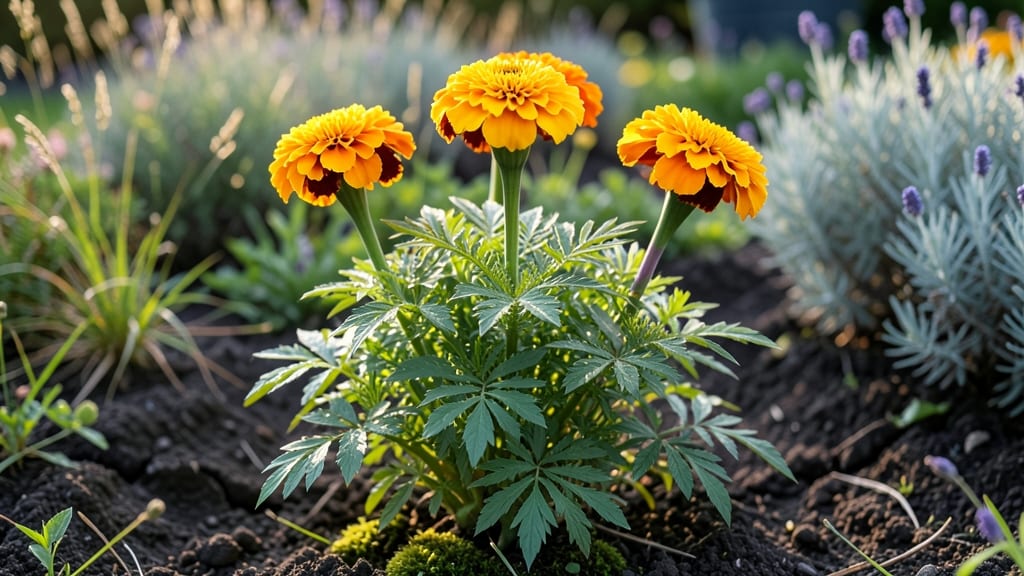
Growing American seed marigolds means vibrant blooms and pest-free gardens—no twisty pods to fight. 🌻 I learned the hard way that proper spacing and soil prep make all the difference between scraggly plants and lush, long-blooming beauties that last from spring until frost.
These marigolds thrive in full sun and well-draining soil, but the secret to their success is planting seeds ½ inch deep with 12-18 inches between plants. Too close, and they’ll fight for space; too far apart, and you’ll lose that classic marigold border effect.
The key is patience—germination can take 7-14 days, but once they sprout, they grow fast. By midsummer, you’ll have bright orange and yellow blooms that repel nematodes and attract pollinators. The flowers stay fresh for cutting too, adding color to bouquets all season.
Just keep the soil evenly moist (not soggy) and deadhead spent blooms to encourage more flowers. Perfect for borders, containers, or even as a living mulch in vegetable gardens. Once you master these steps, you’ll never buy marigold plants again—they’re easier to grow from seed than you’d think!
📚 In This Guide
- What you need
- Instructions
- Tips and common mistakes
- Wrapping up and next steps
What you need
- ● Seeds: American Seed Marigold seeds (e.g., Tagetes erecta varieties like 'Janie' or 'Crackerjack'). Aim for 10–20 seeds per planting area.
- ● Seed-starting mix: Lightweight, sterile potting soil (1–2 bags, ~1–2 cubic feet total). Avoid garden soil—it’s too dense!
- ● Containers or trays: Seedling trays (72–200 cell count) OR
- ● Small pots (3–4" diameter) for direct sowing, ~10–20 units.
- ● Garden spot: Full sun (6+ hours/day) and well-draining soil. Test soil pH (ideal: 6.0–7.5).
- ● Watering can or hose: With a gentle spray nozzle for seedlings.
- ● Fertilizer: Balanced, water-soluble fertilizer (e.g., 10-10-10 NPK) or compost for organic growth.
- ● Hand trowel for transplanting.
- ● Pruning shears (for deadheading or shaping).
- ● Mulch (straw or shredded leaves) to retain moisture.
- ● Garden gloves to protect your hands.
- ● Plant labels (to track varieties if mixing seeds).
- ● 🌡️ Temperature: Start seeds indoors 6–8 weeks before last frost (ideal germination temp: 70–75°F).
- ● ✨ Spacing: Thin seedlings to 12–18" apart once transplanted—crowding causes leggy stems!
- ● 💧 Watering: Keep soil consistently moist but not soggy. Drip irrigation works best for mature plants.
Step-by-step guide to growing American seed marigolds
Here's how to cultivate marigolds that produce twist-free seed pods and keep blooming until frost.
🌱 Step 1: Choose the Right Location and Prepare Soil
American seed marigolds thrive in full sun—at least 6-8 hours daily. I always pick a spot that gets morning sun and afternoon shade in hot climates to prevent leaf scorch. The soil should drain well; marigolds hate soggy roots, so amend heavy soil with compost or coarse sand until it feels light and crumbly.
Work in a balanced 5-10-10 fertilizer at planting time to give them a nutrient boost. I like to add a handful of bone meal too—it provides phosphorus for strong root development. The ideal soil pH is 6.0-7.0, so test your soil if your area tends toward acidic conditions.
🌱 Step 2: Plant Seeds at the Right Depth and Spacing
Sow seeds ¼ inch deep in early spring after the last frost, or directly in the garden when soil reaches 60°F. I plant 4 seeds per hill spaced 12-18 inches apart—this gives them room to grow without competing for nutrients. Thin to the strongest seedling per hill once they develop 2-3 true leaves.
Don't rush to thin. I wait until seedlings are 1-2 inches tall so I can easily grasp and remove weaker ones without disturbing the roots of the plants I'm keeping. Water gently after thinning to help the remaining seedlings establish quickly.
☀️ Step 3: Maintain Consistent Watering and Fertilizing
Keep soil evenly moist but never waterlogged. Marigolds are drought-tolerant once established, but young plants need 1 inch of water weekly during dry spells. Water at the base to prevent fungal diseases—wet foliage invites powdery mildew, especially in humid climates.
Feed plants with a low-nitrogen fertilizer like 3-4-6 every 4-6 weeks to encourage blooming over leafy growth. I also top-dress with compost tea monthly for extra micronutrients. You'll know they're happy when they produce continuous blooms from early summer until frost.
✂️ Step 4: Deadhead and Support Seed Pod Production
To keep marigolds blooming, pinch off spent flowers before they form seed heads. I use my fingers to gently twist off the faded blooms—this encourages more flowers to open. For seed production, leave 5-10 of the healthiest flowers on each plant to develop into seed pods.
Here's the trick: when seed pods form, I tie them to small stakes with soft twine to prevent them from twisting under their own weight. This keeps the pods straight and makes harvesting seeds easier. You'll see pods mature in 6-8 weeks—they'll turn brown and dry out completely before splitting open.
🌿 Step 5: Harvest Seeds and Prepare for Next Season
Collect seeds when pods are fully dry and brown. I place a paper bag over the pod and gently shake it to catch the seeds inside. Store them in a cool, dry place until next spring. American marigolds self-seed readily, so you'll often find volunteers popping up in subsequent years.
After the first frost, cut back plants to 2 inches tall and compost the remains. This prevents pests from overwintering in the debris and adds nutrients back to the soil. I always mark the spot where I grew marigolds—they're excellent companion plants that repel nematodes and attract pollinators.
Tips & tricks for growing American seed marigolds
Here's what nobody tells you about growing marigolds that actually produce straight seed pods and keep blooming.
Location Intelligence: That 6-8 hours of full sun is non-negotiable, but here's the secret: morning sun with afternoon shade in hot climates prevents leaf scorch while still giving them enough light to thrive. I've found that planting near taller plants on the west side creates natural shade without blocking light completely.
Thinning Technique: The instructions mention thinning to 2-3 true leaves, but here's what I learned the hard way: wait until seedlings are 1-2 inches tall before thinning. This gives you enough grip to remove weaker plants without pulling up the stronger ones by accident. I use small scissors to snip at the base rather than pulling, which prevents disturbing the roots of the plants I'm keeping.
Pod Support System: When those seed pods start forming, don't just hope they'll stay straight. I use soft floral twine and small bamboo stakes to create a support system that prevents twisting. The key is to tie the pods when they're still small—this gives the twine time to adjust as they grow. I've seen pods grow up to 4 inches long without twisting when supported this way.
Fertilizer Timing: The 4-6 week feeding schedule with low-nitrogen fertilizer is perfect, but here's the pro move: alternate between the 3-4-6 formula and compost tea every other feeding. This gives you a balanced nutrient profile while avoiding fertilizer burn. I've noticed my plants produce more blooms and fewer leaves when I follow this alternating pattern.
Pro Tips for American Seed Marigold
- Here's what nobody tells you about growing marigolds that actually produce straight seed pods and keep blooming.
- Location Intelligence: That 6-8 hours of full sun is non-negotiable, but here's the secret: morning sun with afternoo...
- Thinning Technique: The instructions mention thinning to 2-3 true leaves, but here's what I learned the hard way: wai...
Frequently asked questions
When is the best time to plant American Seed Marigold?
Plant seeds after the last frost when soil temperatures reach at least 60°F (15°C). For warm climates, start in early spring; cooler zones can direct-sow in late spring to avoid frost damage. For a fall harvest, sow seeds 8-10 weeks before the first frost—they thrive in warm soil but tolerate light frost.
How long does it take for American Seed Marigold to mature?
From seed to harvest, expect 70-85 days for mature pods. Early varieties may produce in 60 days, while heirloom types take longer. Monitor soil warmth and moisture—consistent heat speeds up growth. Look for twist-free pods (a hallmark of this variety) when they’re plump but still firm to the touch.
Can I grow American Seed Marigold in containers?
Use a 5-gallon pot or larger with well-draining soil. Place containers in full sun (6+ hours/day) and keep soil moist but not soggy. Dwarf varieties work best for pots, while standard types may need deeper containers. Just ensure pots have drainage holes to prevent root rot.
What pests or diseases should I watch for?
American Seed Marigolds are pest-resistant, but watch for aphids, spider mites, or whiteflies on young plants. Treat with neem oil or insecticidal soap if needed. Fungal issues (like powdery mildew) can occur in humid climates—improve airflow and avoid overhead watering. Rotate crops yearly to prevent soil-borne diseases.
What can I do with American Seed Marigold besides eating the seeds?
These marigolds are versatile garden helpers! Use the bright blooms as edible garnishes (petals add color to salads), attract pollinators like bees and butterflies, or plant them as living mulch to deter nematodes. The fragrant foliage also repels pests like mosquitoes—perfect for patio pots!
Pro Tip:
For continuous blooms, deadhead spent flowers regularly. This encourages more vibrant blooms and prevents seed pods from forming too early. Plus, it keeps your marigolds looking show-stopping all season!
Wrapping up and next steps
Growing American Seed Marigold is a rewarding journey that brings bold color and pest-repelling benefits to your garden—all while keeping things twist-free! 🌼 With the right soil, spacing, and care, these vibrant blooms will thrive from spring to frost, turning your outdoor space into a cheerful haven.
Ready to dive in?
Start by planting your seeds this week—whether in containers or garden beds—and watch your garden transform. Need extra tips? Bookmark this guide or share it with fellow gardening enthusiasts to spread the joy! Happy planting! 🌱