
Propagation
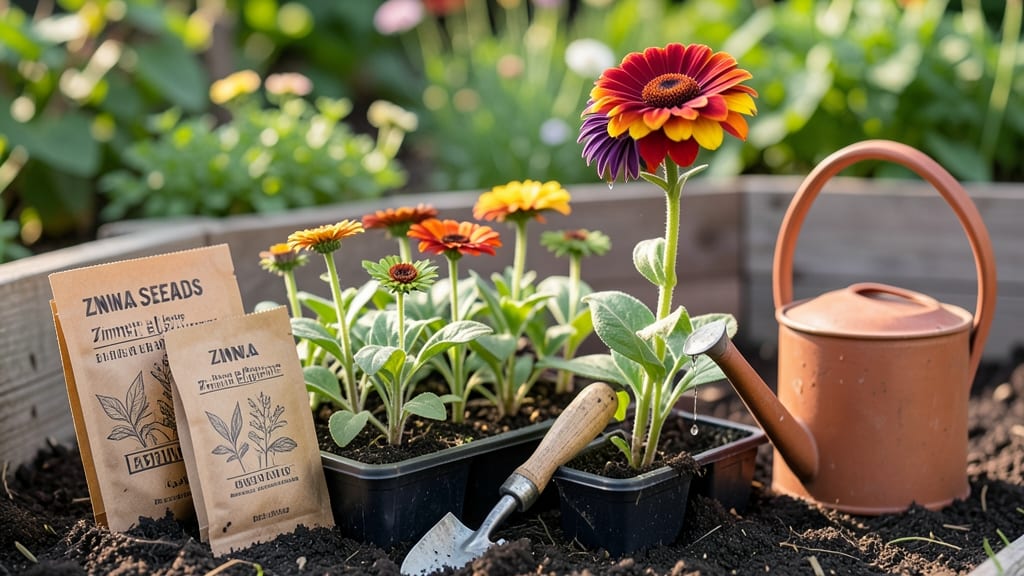
Growing zinnias from seed to bloom means vibrant, sun-drenched flowers on your patio in just two months—no fancy greenhouse needed. 🌻 I’ve grown zinnias for years, and the secret isn’t complicated: it’s all about timing, sunlight, and a little patience.
Start seeds indoors 6-8 weeks before your last frost, and you’ll have a nonstop parade of blooms from summer through fall.
The magic happens when you mimic their natural habitat: full sun (6+ hours daily), well-draining soil, and consistent moisture. Too much water? Roots rot. Too little? Flowers bolt. I learned this the hard way—my first batch of zinnias flopped because I overwatered them.
Now, I use a self-watering pot for seedlings and let the soil dry slightly between waterings once they’re outdoors.
By day 60, you’ll be snipping fresh-cut bouquets straight from your garden, and the best part? Zinnias rebloom like crazy if you deadhead spent flowers. They’re tough, too—drought-resistant once established, and they attract pollinators like bees and butterflies. Just watch for spider mites in hot weather, and you’re golden.
Whether you’re growing in containers, raised beds, or straight in the ground, zinnias adapt easily. Start with compact varieties like ‘Thumbelina’ for small spaces or let tall ‘Benary’s Giant’ reach for the sky. The key is consistency—once you nail the basics, these flowers practically grow themselves.
📚 In This Guide
- What you need
- Instructions
- Tips and common mistakes
- Wrapping up and next steps
What you need
- ● Zinnia seeds: Choose heirloom or hybrid varieties (e.g., 'Benary’s Giant,' 'Profusion,' or 'Crystal'). Buy 1 packet (50-100 seeds) for a small garden or 2-3 packets for a full bed.
- ● Seed-starting mix: 1-2 cubic feet of sterile, well-draining potting soil (avoid garden soil—it’s too dense!).
- ● Containers: Seed trays or cell packs: 1 tray (72 cells) or 2-3 cell packs (50 cells each) for seedlings.
- ● OR biodegradable peat pots: 10-20 pots (3-4 inches deep).
- ● Grow lights or sunny window: A 12-16 inch fluorescent grow light (or a south-facing window with 6+ hours of sunlight daily).
- ● Watering can or spray bottle: A gentle misting nozzle to avoid disturbing seeds.
- ● Plant labels: 5-10 labels (or toothpicks + masking tape) to track varieties.
- ● Seedling heat mat: 1 mat (7.5" x 14") to speed up germination (zinnias love warmth!).
- ● Fertilizer: Balanced liquid fertilizer (e.g., 5-5-5 or 10-10-10) for seedlings.
- ● Slow-release granular fertilizer (e.g., 10-10-10) for transplanting.
- ● Pruning shears: For deadheading spent blooms to encourage more flowers.
- ● Garden gloves: To protect hands from thorns (some varieties have them!).
- ● Transplanting tools: Trowel or small shovel for moving seedlings outdoors.
- ● Sunlight access: 6+ hours of direct sunlight daily (zinnias are sun-worshippers!).
- ● Well-draining soil: Amend garden beds with compost for nutrients.
- ● Patience (and a sprinkle of joy!): Zinnias bloom in 60-70 days—fast but worth the wait!
Step-by-step instructions for growing zinnias from seed to bloom
Here's how to coax vibrant zinnias from tiny seeds into a riot of color in just two months.
🌱 Step 1: Start Seeds Indoors or Direct-Sow After Last Frost
Zinnias thrive when sown directly outdoors after your last frost date, but you can get a head start indoors if your growing season is short. Fill 2-3 inch deep seedling trays with sterile seed-starting mix and press it down lightly. Plant seeds ¼ inch deep, spacing them ½ inch apart—they germinate quickly and need room to avoid crowding.
Keep the soil consistently moist but not soggy, using a spray bottle to avoid disturbing the seeds. Cover the tray with plastic wrap or a humidity dome to maintain warmth and moisture. Place it in a warm spot (70-75°F) and expect germination in 5-10 days. If you're direct-sowing, wait until soil temperatures reach 60°F or warmer before planting seeds outdoors.
☀️ Step 2: Provide Full Sun and Gradually Acclimate Seedlings
Zinnias crave full sun (6+ hours daily), so move seedlings outdoors to a sunny location as soon as they sprout their first true leaves. Start with 2-3 hours of morning sun and slowly increase exposure over 7-10 days to prevent shock. Harden off seedlings by placing them in a sheltered spot, like under a patio cover, before transplanting.
If you started seeds indoors, transplant seedlings 3-4 weeks after germination, spacing them 6-12 inches apart depending on the variety. Larger zinnias need more space, while dwarf varieties can be planted closer together. Water deeply at the base to encourage strong root development, and avoid wetting the foliage to prevent fungal diseases.
💧 Step 3: Water Deeply and Fertilize for Lush Growth
Zinnias are drought-tolerant once established, but consistent moisture is key during the first 4-6 weeks after transplanting. Water 1 inch per week, letting the soil dry out slightly between waterings. Overhead watering can lead to powdery mildew, so use a drip irrigation system or water at the base of the plant early in the day to allow foliage to dry quickly.
Feed seedlings with a balanced liquid fertilizer (10-10-10) every 2-3 weeks to promote strong stems and vibrant blooms. Once flowers start forming, switch to a low-nitrogen, high-phosphorus fertilizer (5-10-10) to encourage blooming. Deadhead spent flowers regularly to redirect the plant’s energy into producing more blooms throughout the season.
✂️ Step 4: Prune and Maintain for Continuous Blooms
Pinch back the tips of young zinnias when they reach 6 inches tall to encourage bushier growth. This simple step prevents leggy stems and ensures a fuller plant with more flowers. As blooms fade, snip them off at the base with clean pruners—this not only keeps the plant looking tidy but also stimulates new flower production.
Watch for signs of stress, like yellowing leaves or wilting, which can indicate overwatering or nutrient deficiencies. Zinnias are generally low-maintenance, but they may need staking or support if they grow taller than 3 feet, especially in windy conditions. Mulch around the base with 2-3 inches of organic mulch to retain moisture and suppress weeds.
🌿 Step 5: Enjoy and Extend the Blooming Season
With proper care, zinnias will bloom 60-90 days after sowing, depending on the variety. Cut flowers in the early morning for the longest vase life, and harvest leaves for culinary use if desired—young zinnias add a peppery kick to salads. To extend the blooming season, succession-sow seeds every 2-3 weeks for a continuous display of color.
As temperatures drop in late summer, zinnias may slow down but often rebound with cooler weather. If frost threatens, cut back the plants and compost them to avoid spreading disease. Save seeds from your favorite varieties by allowing a few flowers to go to seed—zinnias self-seed readily, so you’ll likely have volunteers popping up next year.
Tips & tricks for growing zinnias from seed to show-stopping blooms
These insider tricks will help you transform those delicate zinnias from seeds into a vibrant garden centerpiece.
Germination Warmth: Zinnias need that 70-75°F warmth for germination, but don't overlook the importance of consistent moisture during those critical 5-10 days. I use a heating mat set to 75°F under my seed trays—it cuts germination time by nearly half. Just make sure your humidity dome stays foggy, not dripping, to avoid fungal issues.
Sunlight Transition: That gradual 7-10 day acclimation to full sun is crucial. I start seedlings with just 2-3 hours of morning sun and move them to partial shade for the rest of the day. The key is to watch for wilting—if leaves start curling, they're getting too much sun too soon. Move them back to shade for a day or two until they recover.
Fertilizer Timing: The switch from 10-10-10 to 5-10-10 fertilizer when flowers form makes all the difference. I apply the first 5-10-10 dose when I see the first flower buds appear, about 4-6 weeks after transplanting. This phosphorus boost helps develop stronger roots for those heavy blooms.
Deadheading Discipline: I can't stress enough how important regular deadheading is for continuous blooms. I set a timer for every 3-4 days to check my zinnias—snipping spent flowers at the base redirects energy to new blooms. Use clean pruners and always cut just above a leaf node to encourage branching. This simple habit keeps my zinnias flowering until frost.
Pro Tips for Zinnias From Seed To Bloom
- These insider tricks will help you transform those delicate zinnias from seeds into a vibrant garden centerpiece.
- Germination Warmth: Zinnias need that 70-75°F warmth for germination, but don't overlook the importance of consistent moisture during those critical 5-10 days.
- Sunlight Transition: That gradual 7-10 day acclimation to full sun is crucial.
Frequently asked questions
Got questions about growing zinnias from seed? You’re not alone! Here are answers to the most common queries to help you grow stunning blooms with ease.
How long does it take for zinnia seeds to germinate?
Zinnia seeds typically sprout in 5–10 days after planting, especially in warm soil (60–70°F). For faster results, pre-soak seeds for 24 hours or use a heat mat. If germination takes longer than two weeks, check soil moisture and warmth—consistency is key!
Can I plant zinnia seeds directly in the ground, or should I start indoors?
Zinnias thrive when direct-sown outdoors 2–3 weeks after your last frost date. Starting indoors is unnecessary unless your growing season is very short. Direct sowing saves time and reduces transplant shock. Just ensure soil is warm and well-drained for best results!
How often should I water zinnias, and do they need special care?
Water zinnias deeply but infrequently—about 1 inch per week—to encourage strong roots. Avoid wetting leaves to prevent fungal diseases like powdery mildew. Once established, they’re drought-tolerant! Mulch around the base to retain moisture and keep weeds at bay.
Why aren’t my zinnia seeds sprouting, or are the seedlings dying?
Common culprits include cold soil, overwatering, or poor seed viability. Test seeds by soaking a few in water—if they sink, they’re likely good. For stubborn seeds, try pressing them lightly into the soil (they need light to germinate!). If seedlings collapse, check for pests like aphids or fungal issues.
Can I grow zinnias in containers, and what’s the best variety for small spaces?
Zinnias thrive in containers with at least 6-inch-deep pots. Opt for compact varieties like ‘Thumbelina’ or ‘Crystal’ (12–18 inches tall) for patio gardens. Ensure pots have drainage holes and use a lightweight potting mix to prevent root rot.
Wrapping up and next steps
Growing zinnias from seed to bloom is a rewarding journey that delivers stunning, long-lasting flowers in just 60 days—perfect for adding color and life to your garden! With the right soil, sunlight, and care, you’ll enjoy vibrant blooms that attract pollinators and brighten any space.
Whether you’re a beginner or a seasoned gardener, these cheerful flowers are a great way to practice patience and creativity.
Now that you’re armed with tips and tricks, grab those seeds and get planting! Start small, experiment with varieties, and watch your garden transform. Happy growing—your future blooms are waiting! 🌸