
Planting
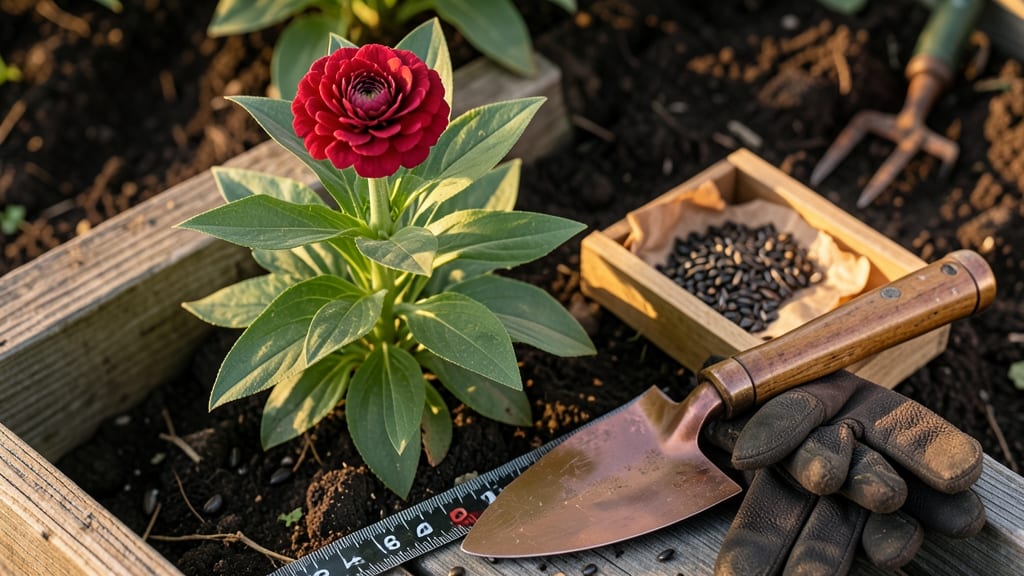
Perfect zinnia seed spacing prevents leggy stems and twisty blooms. 🌻 I learned the hard way that crowding zinnia seedlings leads to weak stems and fewer flowers—until I found the ideal spacing that produces bushy plants with straight stems and abundant blooms from early summer until frost.
The secret is simple: 12-18 inches apart for standard varieties, with dwarf zinnias needing only 6-12 inches. Plant seeds ¼ inch deep in well-drained soil, and watch for germination in 7-14 days. The key is giving each plant enough room to develop strong roots before competing for sunlight.
You’ll end up with bold, twist-free blooms that stand proudly in the garden. Proper spacing also improves airflow, reducing the risk of powdery mildew—a common issue with crowded zinnias. Thinning seedlings early ensures sturdy plants that produce more flowers per stem all season long.
Adjust spacing for different varieties: tall zinnias need the full 18 inches, while dwarf varieties thrive in tighter clusters. Whether you’re growing zinnias in beds, containers, or cut flower arrangements, this spacing rule keeps them healthy and productive.
📚 In This Guide
- What you need
- Instructions
- Tips and common mistakes
- Wrapping up and next steps
What you need
- ● Zinnia seeds: Choose heirloom or hybrid varieties (e.g., 'Benary’s Giant', 'Profusion'). Aim for 100–200 seeds depending on your garden size.
- ● Well-draining potting mix or garden soil: 10–20 lbs (or enough to fill your containers/rows). Amend with compost for nutrient-rich soil.
- ● Planting containers or garden beds: For containers: 5–12" deep pots with drainage holes (use 2–3 seeds per 6" pot).
- ● For garden rows: Prepare 12–18" wide, 6–12" deep beds with 12–18" spacing between rows.
- ● Watering can or hose with a gentle spray nozzle: Keep soil consistently moist (not soggy) during germination.
- ○ Plant labels (optional but helpful): Mark varieties if planting multiple types.
- ● Seedling heat mat: Speeds up germination in cooler climates ($15–$30).
- ● Row covers or cloches: Protects young seedlings from pests (lightweight fabric).
- ● Organic fertilizer (5-10-10 or balanced formula): Mix 1 tbsp per sq. ft. after seedlings sprout.
- ● Stakes or cages: Supports taller varieties (e.g., 'Benary’s Giant') as they grow.
- ● Mulch (straw or shredded leaves): Retains moisture and suppresses weeds.
Step-by-Step guide to perfect zinnia seed spacing for abundant blooms
Here’s how I ensure zinnias grow strong, twist-free, and packed with flowers—no guesswork involved.
🌱 Step 1: Choose the Right Planting Depth and Soil Conditions
Zinnia seeds need light to germinate, so plant them just ¼ inch deep in well-draining soil. I press them gently into the surface rather than burying them—this prevents rot and ensures quick sprouting. The soil should be warm (70-80°F) and loose, so I work in compost or aged manure to improve texture and fertility.
If your soil feels compacted, loosen it with a fork to 6 inches deep—zinnias develop deep roots, and resistance will stunt growth. Water the area lightly before planting to settle the soil without creating mud. You’ll know it’s ready when a handful compresses but holds its shape.
🌿 Step 2: Space Seeds for Optimal Airflow and Light
For bushy, twist-free zinnias, space seeds 12-18 inches apart in rows that are 18-24 inches apart. This might seem generous, but zinnias grow fast and need room to develop strong stems. I plant in a grid pattern—every 18 inches in both directions—to prevent overcrowding as they mature.
Thinning is critical: once seedlings reach 2 inches tall, snip the weakest ones at the base with scissors. Leave only the strongest plant in each spot. You’ll see a noticeable difference in stem thickness and leaf health within a week—thin plants grow leggy and flop over.
☀️ Step 3: Provide Consistent Sun and Water for Strong Stems
Zinnias thrive in full sun (6+ hours daily), but they need gradual exposure. Start seedlings in partial shade for 3-5 days to harden off, then move them to full sun. Watch for leaves that cup upward—a sign of too much direct sun at first. Water deeply once a week (or when the top 2 inches of soil feel dry) to encourage deep root growth.
Mulch around plants with 2-3 inches of straw or shredded leaves to retain moisture and suppress weeds. Avoid overhead watering after germination—wet foliage invites fungal diseases like powdery mildew. You’ll know your watering is right when leaves stay crisp and stems remain upright.
✂️ Step 4: Prune for Bushier Growth and Continuous Blooms
When zinnias reach 12 inches tall, pinch back the top 2-3 inches to encourage branching. This is where the magic happens—you’ll see side shoots form within 7-10 days, creating a fuller, more stable plant. Deadhead spent blooms regularly to redirect energy into new flowers rather than seed production.
Use clean, sharp pruners to cut just above a set of leaves. Avoid tearing stems, which weakens the plant. I prune in the morning so cuts have all day to heal. With consistent care, your zinnias will bloom nonstop from summer through fall.
⏰ Step 5: Monitor for Twisting and Adjust Support as Needed
Zinnias grown too close often develop twisted stems as they compete for light. If you notice stems leaning or spiraling, space remaining plants 6-12 inches farther apart immediately. For tall varieties, install 4-5 foot stakes or a lightweight trellis at planting to support them before they need it.
Twisting usually signals overcrowding or poor circulation. Thin aggressively if you see this early—once stems twist, they rarely recover. Strong, straight stems are your reward for proper spacing and care. You’ll end up with zinnias that stand proudly in the garden, not flopping over.
Tips & tricks for perfect zinnia planting
These proven strategies will help you avoid common pitfalls and grow zinnias that stand tall and bloom abundantly.
Soil Preparation Insight: Before planting, test your soil's moisture by squeezing a handful—it should hold together but crumble easily. If it feels too dense, mix in additional compost or aged manure to improve aeration. The 6-inch deep loosening mentioned in Step 1 creates perfect conditions for those deep roots to develop without resistance. I've found that adding a handful of perlite to the planting hole helps with drainage, especially in clay-heavy soils.
Seedling Thinning Technique: When thinning seedlings to 2 inches tall in Step 2, use sharp scissors to cut at the base rather than pulling. This prevents disturbing nearby roots and gives you cleaner cuts that heal faster. I mark planting locations with small sticks or stones before thinning to maintain proper spacing. The 12-18 inch spacing isn't just about room—it's about airflow that prevents fungal diseases.
Sun Exposure Strategy: For that crucial 3-5 day hardening off period in Step 3, I gradually move seedlings to sunnier spots each day rather than full sun immediately. Start with morning sun only, then add afternoon exposure. Watch for leaves that cup upward—they're telling you to slow down. Once they're fully hardened off, those 6+ hours of daily sun will reward you with vibrant blooms.
Pruning Pro Tip: When pinching back zinnias at 12 inches tall in Step 4, look for the first set of true leaves below the main stem. Cut just above this point to encourage strong side shoots. I've noticed that pinching in the morning gives plants the full day to recover before nightfall. The 7-10 day wait for new shoots might seem long, but patience pays off with bushier plants that produce more blooms.
Pro Tips for Zinnia Seed Spacing
- These proven strategies will help you avoid common pitfalls and grow zinnias that stand tall and bloom abundantly.
- Soil Preparation Insight: Before planting, test your soil's moisture by squeezing a handful—it should hold together but crumble easily.
- Seedling Thinning Technique: When thinning seedlings to 2 inches tall in Step 2, use sharp scissors to cut at the base rather than pulling.
Frequently asked questions
Got questions about spacing zinnia seeds like a pro? Here are answers to the most common queries—so you can grow lush, twist-free blooms with confidence!
How far apart should I space zinnia seeds?
For Zinnia elegans (the most common type), space seeds 6–12 inches apart in rows. If planting in clusters or for a wildflower look, thin to 4–6 inches once seedlings sprout. Dwarf zinnias (like 'Thumbelina') can go as close as 3–4 inches.
When is the best time to plant zinnias for proper spacing?
Start seeds indoors 6–8 weeks before your last frost or direct-sow after soil warms to 60°F+ (usually late spring). If sowing outdoors, wait until nighttime temps stay above 50°F—this prevents leggy seedlings and ensures even spacing as they grow.
What if my zinnias get too crowded?
Crowding leads to twisted stems and fewer blooms. Thin seedlings to your target spacing when they have 2–3 true leaves (use scissors to avoid disturbing roots). If you miss this window, transplant the strongest seedlings to gaps—just water well afterward!
Can I grow zinnias closer together for a border or container?
Yes! For containers or borders, space seeds 3–4 inches apart in well-draining soil. Use dwarf varieties like 'Crystal' or 'Benary’s Giant' to maximize blooms. Just ensure pots are at least 6–8 inches deep and provide 6+ hours of sun daily.
Why are my zinnias leaning or twisting despite proper spacing?
Twisting often signals overcrowding or poor light. Check for:
Use a seed spacing template (or a ruler) to mark rows before planting. This saves time and ensures uniform growth—no guesswork! For extra precision, try pre-started zinnia seedlings from nurseries, which already account for spacing.
Pro Tip:
Wrapping up and next steps
Perfecting zinnia seed spacing is your secret weapon for vibrant, twist-free blooms that’ll steal the show! 🌸 With the right distance—whether it’s 6–12 inches apart for dwarf varieties or 12–18 inches for towering giants—you’re setting the stage for healthy, bushy plants that thrive without competition.
Remember, thinning early and consistent watering keep roots strong and stems sturdy.
Now that you’re armed with expert tips, grab those gloves and get planting! 🌱 Start small with a few rows, experiment with spacing, and watch your garden transform into a dazzling zinnia paradise. Happy growing—your future blooms are cheering you on!