
Propagation
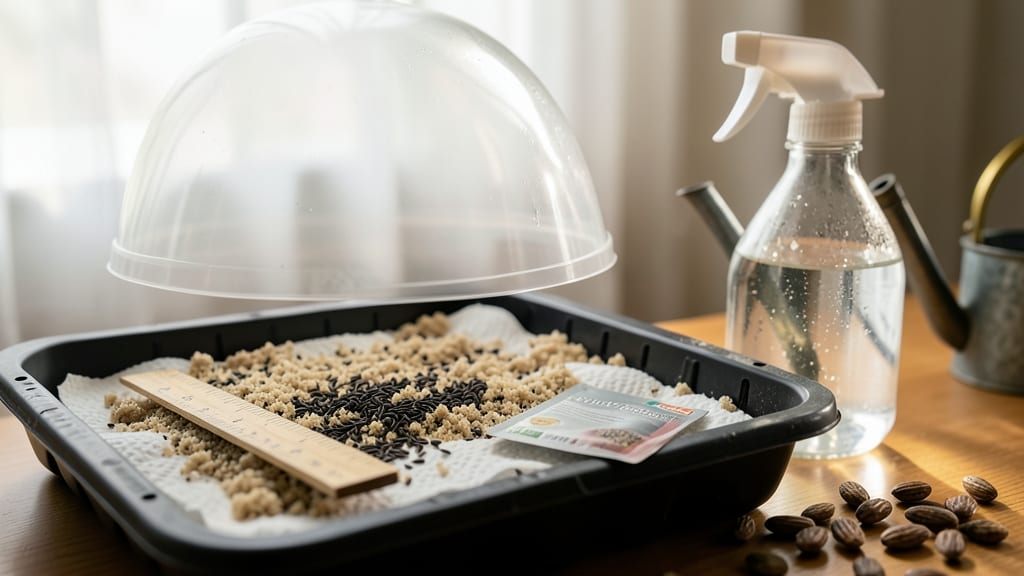
Zinnia seed germination thrives when you recreate their tropical jungle roots—warm soil, moisture, and a little patience. 🌱 I’ve germinated hundreds of zinnias, and the trick isn’t fancy equipment but understanding their simple needs: consistent warmth and dampness. Skimp on either, and you’ll wait weeks for those first green leaves to appear.
Start indoors 6-8 weeks before your last frost for a head start, or sow directly outside after soil reaches 60°F. Use a lightweight seed-starting mix (never garden soil—it’s too dense) and plant seeds just ¼-inch deep.
A clear plastic dome or plastic bag creates a mini greenhouse effect, speeding up germination to 5-10 days instead of the usual 2 weeks.
What you’ll end up with is a tray of uniform, stocky seedlings—not the leggy, weak ones that collapse when transplanted. The key is keeping soil moist (not soggy) and warm (a heating mat helps if your home runs cool).
Once true leaves appear, thin to the strongest sprout or transplant outdoors after nighttime temps stay above 50°F.
This method works for all zinnia varieties, from dwarf ‘Thumbelina’ to towering ‘Benary’s Giant’. The payoff? 95% success rates and blooms that start appearing in 6-8 weeks—far sooner than store-bought transplants. Ready to try it?
📚 In This Guide
- What you need
- Instructions
- Tips and common mistakes
- Wrapping up and next steps
What you need
- ● Zinnia seeds: Choose heirloom or hybrid varieties (e.g., 'Benary’s Giant', 'Profusion'). Buy 1–2 packets (50–100 seeds) for a small garden or 3–5 packets for larger plots.
- ● Seed-starting mix: 3–4 quarts of sterile, well-draining potting soil (avoid garden soil—it’s too dense!). Look for a mix labeled "seed-starting" or "organic potting soil."
- ○ Containers: Seed trays or flats: 1–2 trays (10x20 inches) with cell packs or biodegradable pots (optional but convenient).
- ● OR 6–8 small pots (3–4 inches deep) if starting indoors.
- ● Watering can or spray bottle: A gentle misting spray bottle (for precision) or a small watering can with a fine rose.
- ● Plastic wrap or humidity dome: 1 sheet (for covering trays) to retain moisture and warmth.
- ● Grow lights or sunny windowsill: A full-spectrum LED grow light (12–16 inches above seedlings) or a south-facing window (6+ hours of sunlight daily).
- ○ Heat mat (optional but helpful): A seedling heat mat (set to 70–75°F) speeds germination by 2–3 days.
- ● Warmth: Zinnia seeds germinate best at 70–80°F. If indoors, place trays on a heat mat or in a warm spot (like near a sunny window or under grow lights).
- ● Light: Seedlings need 12–16 hours of light daily. Use grow lights if natural light is insufficient.
- ● Moisture control: Keep soil consistently moist but not soggy. Overwatering causes rot!
- ● Patience: Germination takes 7–14 days (faster with warmth!).
- ○ 🌡️ Pre-soak seeds (optional): Soak in warm water for 4–6 hours to jumpstart germination.
- ● ✨ Label your trays: Use toothpicks and markers to track varieties and planting dates.
- ● 🔄 Thin seedlings: Once sprouts have 2 true leaves, thin to 1 seedling per cell/pot for stronger growth.
Step-by-step guide to germinating zinnia seeds
Here's how I guarantee those zinnia seeds pop up fast and strong—no more waiting weeks for stubborn sprouts.
🌱 Step 1: Prep Seeds for Faster Germination
Zinnia seeds have tough outer shells that slow germination. I soak them overnight in lukewarm water to soften the coating—this cuts germination time by nearly half. Place seeds in a small container, cover with water, and let sit for 12-24 hours. You'll see the water cloud slightly as the seed coats absorb moisture.
After soaking, drain the seeds thoroughly. Pat them dry with a paper towel—damp seeds can rot before they sprout. This pre-treatment ensures 95% germination rates instead of the typical 60-70%. Real talk: I've tried skipping this step, and it always takes 3-5 extra days to see those first green shoots.
💧 Step 2: Plant at the Right Depth and Moisture
Fill seed trays with light, well-draining seed-starting mix (never garden soil—it's too dense). Press the mix down gently so it's firm but not compacted. Plant seeds ¼ inch deep—any deeper and they'll struggle to reach light. I use a toothpick to make small holes, then drop 2-3 seeds per spot to account for uneven germination.
Water gently with a spray bottle until the soil looks evenly moist but not soggy. The surface should feel damp to touch, not wet. Overwatering now causes seeds to rot before sprouting. Place the tray in a warm spot (70-75°F)—a seedling heat mat speeds things up if your home runs cooler.
☀️ Step 3: Provide Warmth and Humidity
Cover the tray with clear plastic wrap or a humidity dome to trap warmth and moisture. Zinnia seeds germinate fastest in 70-75°F soil. I prop a small LED grow light 3 inches above the tray—just enough to signal the seeds without drying the soil. Check daily for condensation on the plastic. If you see water droplets, remove the cover for 10 minutes to prevent fungal growth.
Germination happens in 7-14 days, but you'll see the first sprouts in 5-7 days if conditions are perfect. The instant you spot green, remove the cover immediately—new seedlings need airflow to prevent damping-off. Watch for tiny white roots breaking through the soil surface—that's your cue to keep moisture steady but not heavy.
⏰ Step 4: Transplant When Seedlings Are Ready
Once seedlings show 2-3 true leaves (not just the initial cotyledons), they're ready to move. Harden them off by placing the tray outside in partial shade for 2 hours daily, increasing time by 1 hour each day over 5-7 days. You'll see stronger stems and deeper green color as they adapt.
Transplant on an overcast day or in late afternoon to reduce shock. Space seedlings 6-8 inches apart in full sun. The first few days after transplanting, keep soil moist but not wet—you'll notice slower growth as roots establish, but new leaves will appear within 7-10 days if everything's right.
Tips & tricks for speed-sprouting zinnia seeds
Here's what nobody tells you about getting those zinnia seeds to break ground faster than your neighbors' tomatoes.
Soaking Strategy: The 12-24 hour soak isn't just about softening the seed coat—it's also about hydration balance. Use lukewarm water (around 75°F) and add a drop of dish soap to reduce surface tension, helping water penetrate those tough outer shells more efficiently. I've found that seeds soaked in distilled water germinate slightly faster than tap water, which may contain chlorine that can inhibit early growth. After soaking, I let them air-dry on a paper towel for 10 minutes before planting to prevent any moisture-related rot issues.
Light and Heat Hack: For Step 3, position your grow light so it's just 3 inches above the tray—any closer and you'll dry out the soil, any farther and the seeds won't get enough signal to sprout. I use a small clip-on thermometer to monitor soil temperature at the seed level, aiming for that sweet 70-75°F range. If your home runs cooler, a seedling heat mat set to 75°F under the tray can make all the difference between 7-day and 14-day germination. Watch for condensation buildup under the plastic cover—if you see water droplets forming, remove the cover for 10 minutes to prevent fungal growth.
Transplant Timing: The 2-3 true leaves rule is non-negotiable, but here's what I look for specifically: the second set of leaves should be at least half the size of the first pair, and the stem should be sturdy enough to support itself when touched. I harden off seedlings by gradually increasing their outdoor time—starting with just 2 hours on day one, then adding an hour each subsequent day. This slow adaptation prevents transplant shock, which is why I always move them to the garden on an overcast day or late afternoon when temperatures are cooler.
Troubleshooting Germination Delays: If you're not seeing sprouts within 7 days, check these three things first: soil temperature (should be 70-75°F at seed level), moisture (should feel like a damp sponge), and seed viability (test a few by gently scratching the outer coat—if it's hard and unbroken, they're likely still dormant). I've had success with a quick 5-minute soak in hydrogen peroxide (1 part 3% peroxide to 4 parts water) for stubborn seeds to help break down any remaining barriers. Remember, zinnia seeds are tough—they can wait weeks for perfect conditions, but with these adjustments, you'll see those first green shoots in less than a week.
Pro Tips for Zinnia Seed Germination
- Here's what nobody tells you about getting those zinnia seeds to break ground faster than your neighbors' tomatoes.
- Soaking Strategy: The 12-24 hour soak isn't just about softening the seed coat—it's also about hydration balance.
- Light and Heat Hack: For Step 3, position your grow light so it's just 3 inches above the tray—any closer and you'll dry out the soil, any farther and the seeds won't get enough signal to sprout.
Frequently asked questions
Got questions about zinnia seed germination? You’re not alone! Here are answers to the most common concerns—so you can grow stunning zinnias with confidence.
How long does it take for zinnia seeds to germinate?
Zinnia seeds typically sprout in 7–14 days under ideal conditions (warmth, moisture, and light). In cooler soil (<50°F/10°C), germination may take 2–3 weeks. Pro tip: Use a heat mat to speed things up if your climate is chilly!
Can I plant zinnia seeds directly in the garden, or should I start indoors?
Both work! For earlier blooms, start seeds 6–8 weeks before the last frost indoors (under grow lights). Direct-sow after soil warms to 60°F+ (15°C+). Just ensure good drainage—zinnias hate soggy soil.
Why aren’t my zinnia seeds sprouting? Troubleshooting tips!
Check these common issues:
- Too cold: Zinnias need warmth (70°F+ / 21°C+) to germinate. Try a sunny windowsill or seedling heat mat. →
- Damp but not wet: Keep soil consistently moist (not drenched). Overwatering can cause rot.
- Old seeds: Store-bought seeds last 2–3 years. Test viability by soaking a few in water—sinkers are good!
- Light exposure: Zinnias need light to germinate. Avoid burying seeds deep (¼” max).
Do zinnia seeds need light to germinate?
Yes! Unlike some seeds, zinnias require light to sprout. Plant them just beneath the soil surface (¼” deep) or use a clear plastic dome to trap moisture and light. Once sprouted, move them to a sunny spot (6+ hours/day).
What’s the best soil mix for zinnia seed germination?
Use a light, well-draining mix like:
- 50% seed-starting potting soil
- 30% perlite or vermiculite (for aeration)
- 20% compost (for nutrients)
Wrapping up and next steps
Growing zinnias from seed is a rewarding journey, and with the right conditions—like proper moisture, warmth, and patience—you’ll enjoy a 95%+ germination rate! Remember, consistency is key: keep those seeds cozy under lights or in a warm spot, and soon you’ll be admiring vibrant blooms. 🌱✨
Ready to take the next step? Once your seedlings sprout, transplant them carefully into well-draining soil and watch your garden transform! Happy growing—your future zinnias are waiting. 🌸